
industry · DevMeme field guide
Fintech Software Engineering Memes, Explained
The system you are actually building
A fintech interface is usually one visible edge of a larger workflow: identity and authorization, transaction initiation, external providers or rails, durable records, reconciliation, support, monitoring, and recovery. The important boundary is not “finance uses code.” It is that a small inconsistency can cross systems that assign money, access, or obligations to real people and organizations.
Constraints that create the joke
- Transaction correctness and reconciliation: amounts, currencies, rounding, duplicate messages, retries, and records must agree across boundaries.
- Identity and security: authentication friction is visible; credential storage, key management, authorization, detection, and recovery are mostly invisible.
- External rails and devices: payment behavior depends on processors, networks, operating systems, secure hardware, terminals, and contracts outside one application.
- Durable data and legacy cores: transaction workflows may outlive the people, languages, product names, and interfaces that created them.
- Trading and model risk: a concise prototype says little about market data, execution behavior, controls, validation, or operating conditions.
- Applicable requirements and evidence: standards, law, audit, procurement, and internal policy can shape architecture, but only the requirements actually applicable to a system should be claimed.
Three role lenses
- Development: represent amounts and state transitions explicitly, make retries safe, test unhappy paths, and keep provider assumptions visible.
- Operations: observe end-to-end transaction health, reconcile disagreements, control changes, and practice recovery across dependencies.
- Security, risk, and compliance: determine applicable obligations, verify evidence, protect sensitive data and credentials, and challenge controls that create friction without reducing risk.
Vocabulary and tag map
- Fintech for the broad domain and product boundary.
- Floating-point precision for representation and rounding jokes.
- Authentication and security for identity and control failures.
- Legacy systems for long-lived transaction cores and modernization.
- Algorithmic trading for prototype, data, model, and execution jokes.
Four explained examples to start with
- Algorithmic trading in under 100 lines separates code length from the production system around a strategy.
- JavaScript math betrays you makes representation and rounding choices visible.
- The bank security-theater paradox contrasts user-facing friction with backend credential protection.
- COBOL developers’ unexpected market points to critical workflows that outlive their original staffing assumptions.
Scope and evidence boundary
DevMeme is not a financial-services provider, compliance assessor, auditor, regulator, or authority. This page does not claim that DevMeme has fintech customers, that any featured company follows or violates a requirement, or that any architecture is compliant. The primary sources below explain selected technical and standards context; applicability and assurance require qualified human review of the actual system.
Curated memes

The tiny-code promise separates a demo strategy from production concerns such as data quality, execution, controls, and validation.
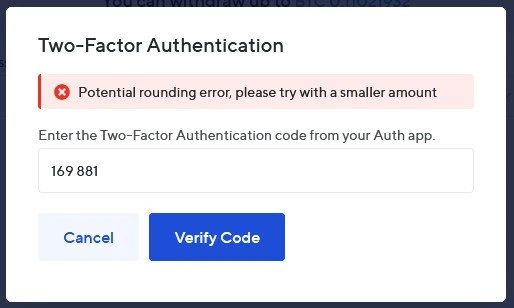
A numeric error surfacing inside authentication shows why transaction validation, money arithmetic, and security flows need clean boundaries.
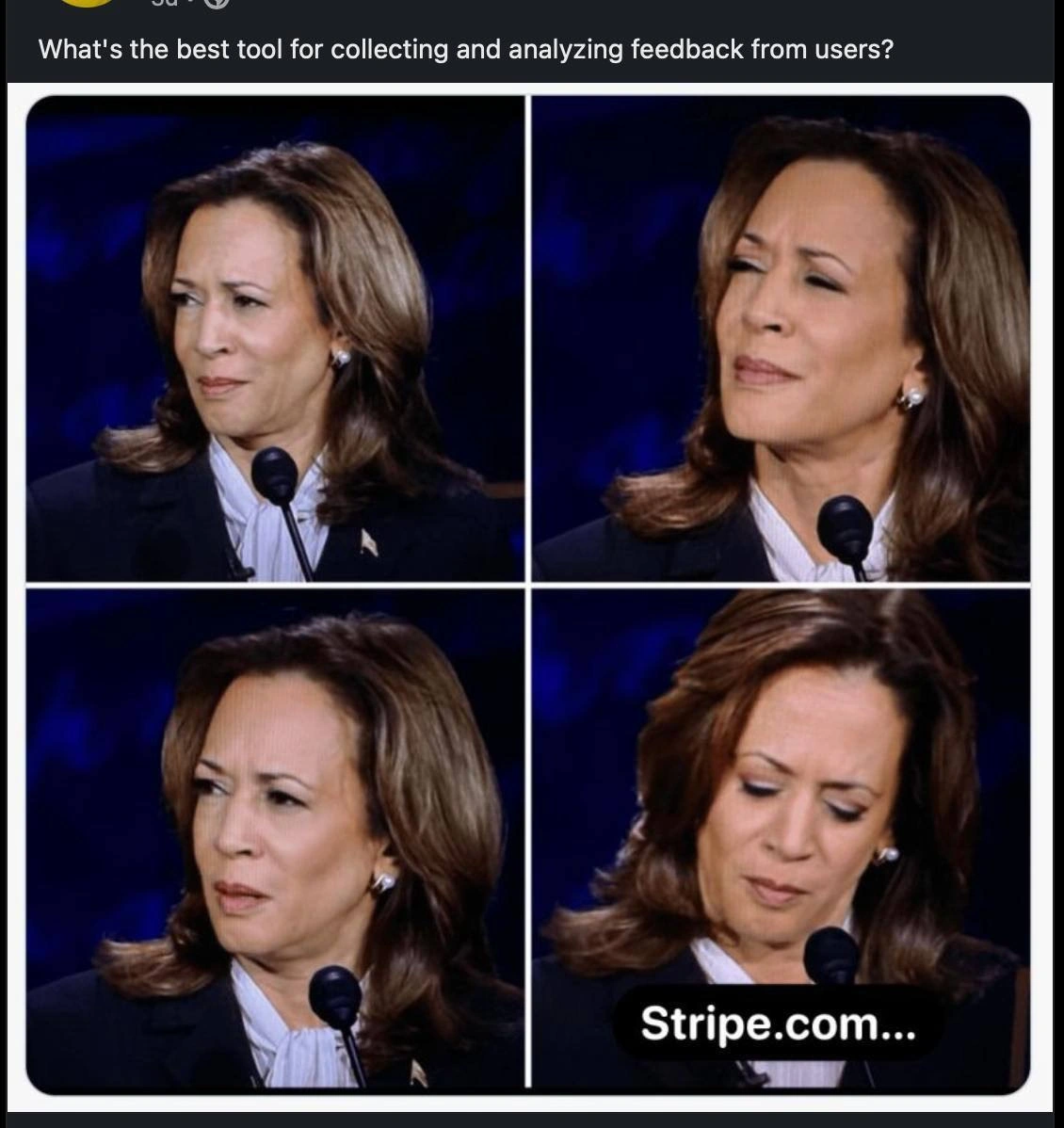
Payment behavior is brutally useful evidence of value, but it cannot replace qualitative feedback or explain why a customer left.
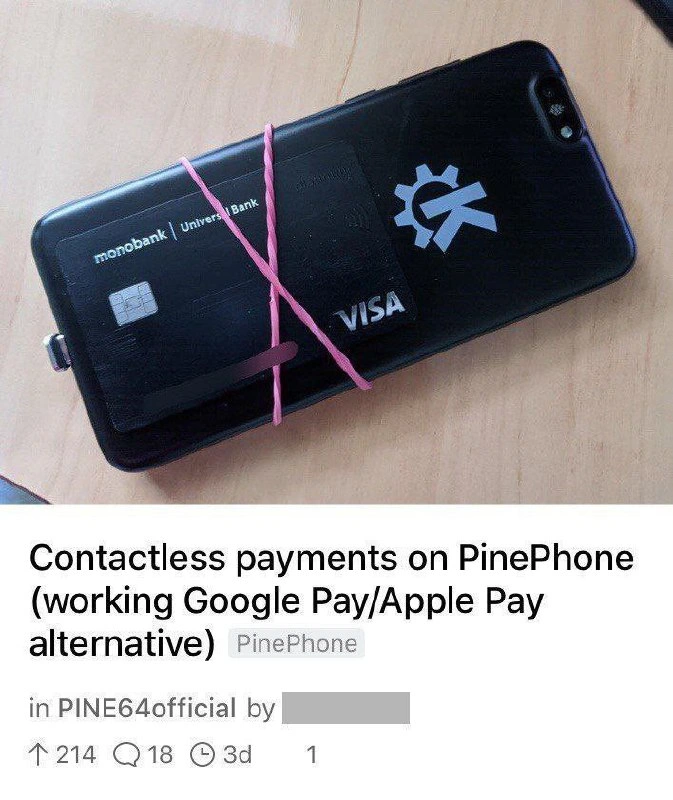
The rubber-banded card exposes how payment experiences depend on devices, secure hardware, operating-system support, and rails outside the app.
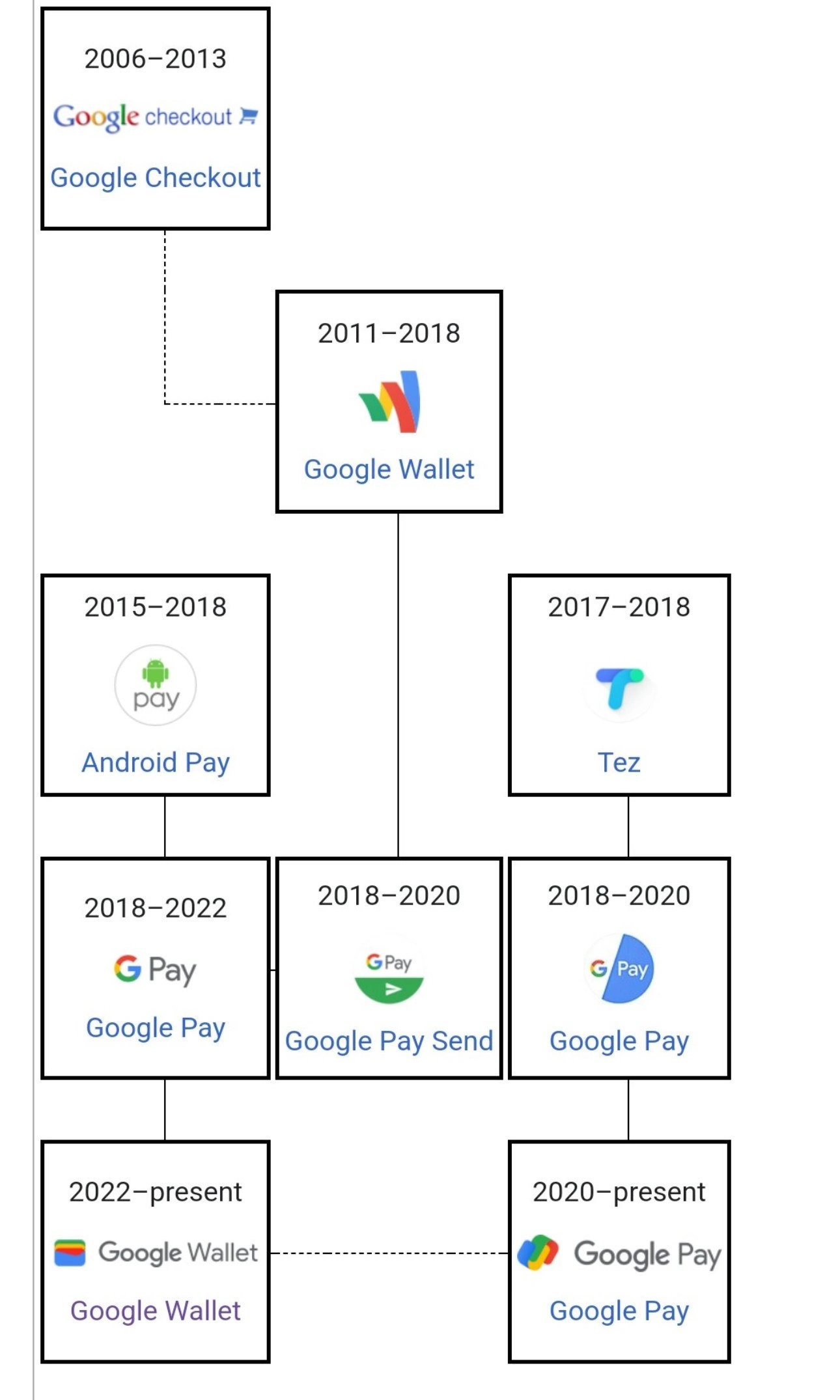
The branching product history is a maintainability lesson about migrations, names, compatibility, and user trust across long-lived payment surfaces.
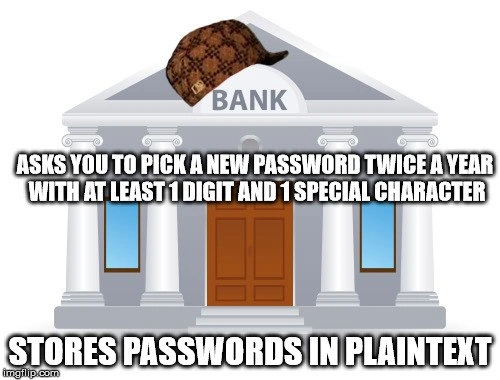
The fictional bank contrasts visible password friction with the invisible control that matters: safe credential storage.

Binary floating-point is fine for many jobs but careless for exact money; fintech code must choose representation and rounding deliberately.
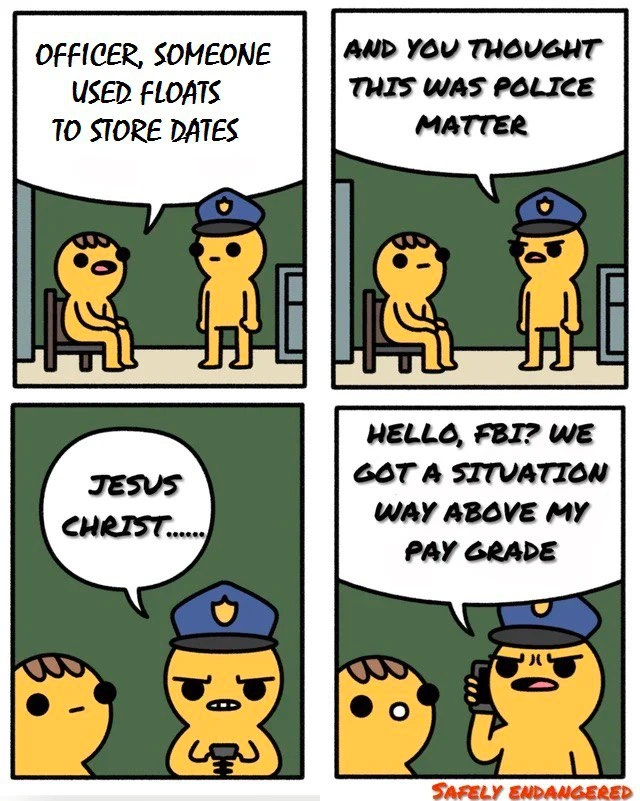
The exaggerated escalation captures how a wrong data type can poison ordering, auditing, and migration long after the original shortcut.

The dated pandemic joke bridges into the less funny constraint: critical financial workflows can outlive their original staffing model.
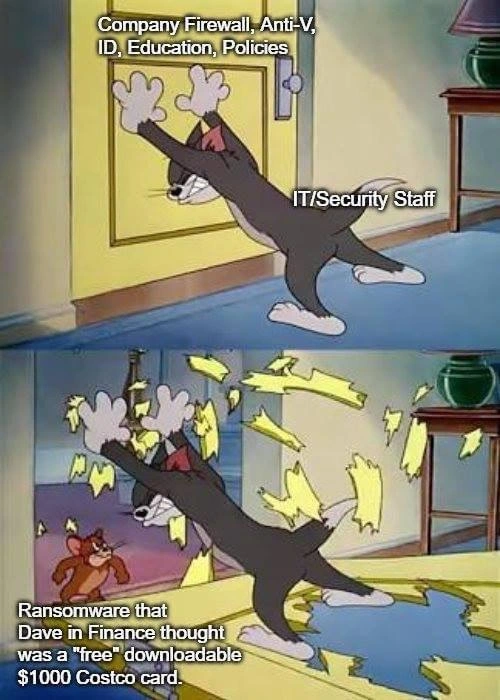
The cartoon makes the human attack surface visible without blaming users; secure finance systems combine controls, training, and recovery.

The absurd domino chain shows how compliance requirements reach unexpected components; any page claim must still cite the rule actually applicable.
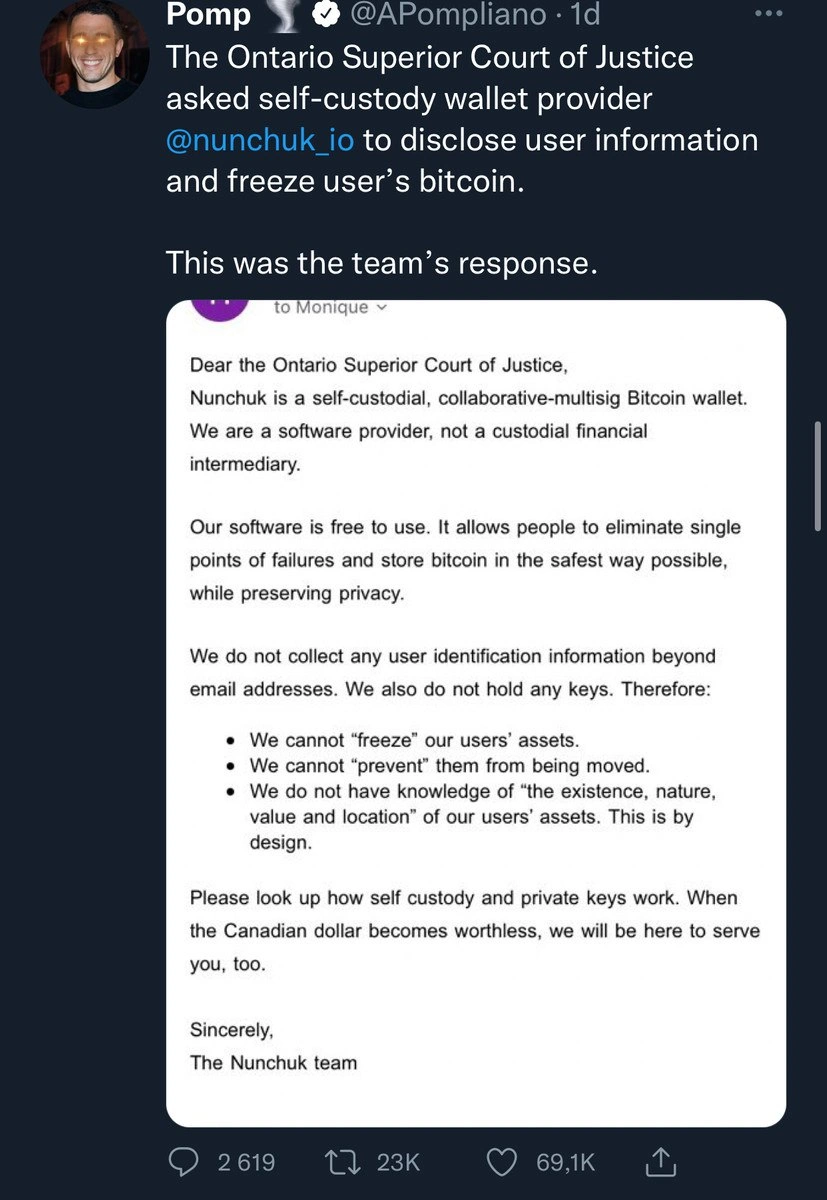
The court-response screenshot illustrates how custody architecture changes control, recovery, disclosure, and support obligations.
Browse the underlying catalog
Related resources
- Programming Memes for DevOps EngineersCurated DevOps memes about CI/CD, releases, on-call work, observability, containers, production recovery, and invisible reliability labor.
- Cloud Infrastructure Engineering Memes, ExplainedCloud infrastructure memes explained through provisioning, networking, distributed state, cost, migration, regional failure, and recovery.
- Enterprise Software Engineering Memes, ExplainedEnterprise software memes explained through legacy modernization, governance, shadow IT, vendor lock-in, planning, and technical debt.
Sources
- PCI Security Standards Council: PCI DSS primary · checked 2026-07-16
- NIST SP 800-63B: Authentication and Authenticator Management primary · checked 2026-07-16
- ECMAScript specification: The Number Type primary · checked 2026-07-16
- NIST FIPS 140-3: Security Requirements for Cryptographic Modules primary · checked 2026-07-16
Real reader questions
- Why is floating-point arithmetic a fintech meme?
- Many common number types use binary floating-point, so some decimal fractions cannot be represented exactly. Financial systems must choose representations, rounding rules, currency precision, and reconciliation behavior deliberately instead of assuming that displayed decimal arithmetic is automatically exact.
- What makes a payment demo different from a production payment system?
- A demo can prove one happy-path interaction. A production system must also handle identity, retries, idempotency, duplicate messages, external-provider failures, reconciliation, device boundaries, security controls, support, monitoring, and recovery under the requirements that actually apply to that system.
- Why does legacy code appear so often in fintech humor?
- Long-lived transaction workflows accumulate integrations, data contracts, operational knowledge, and migration risk. An older language or platform is not automatically defective, but replacing it safely requires understanding the behavior and dependencies that grew around it.
- Does this page prove that DevMeme or any featured system is compliant?
- No. This page is editorial context, not legal, audit, security-assessment, or compliance advice. Applicability depends on the system, data, jurisdiction, contracts, and current standards. Qualified legal, security, risk, and assessment teams must determine the actual obligations.
- Why is crypto only one part of this fintech collection?
- Fintech also includes payment acceptance, banking workflows, identity, fraud controls, trading, lending, financial data, reconciliation, and legacy transaction systems. The collection includes one self-custody example without treating blockchain as the whole industry.