
industry · DevMeme field guide
Cloud Infrastructure Engineering Memes, Explained
The system you are actually building
A cloud workload is a dependency graph across compute, storage, networks, names, identity, data, provider control planes, regions, and operating procedures. Managed services can remove work from one team, but they do not remove physical infrastructure, failure modes, service limits, or the need to understand the boundary being managed.
Constraints that create the joke
- Provisioning and abstraction: serverless and managed services change who performs infrastructure work; they do not make the underlying system disappear.
- Networking and naming: routing, DNS, policies, service discovery, ingress, and provider networks create failure paths outside application code.
- Distributed state: replicas, caches, queues, and services can be individually healthy while disagreeing or waiting on one another.
- Capacity and cost: workload shape, quotas, traffic, regions, storage, and transfer determine both scale behavior and spend.
- Migration and provider boundaries: inventory, skills, sequencing, data movement, contracts, and lock-in determine whether a move reduces or relocates complexity.
- Recovery: backups, regional design, failover, configuration parity, and practiced restores decide whether resilience exists beyond a diagram.
Three role lenses
- Application and platform development: choose service boundaries, data behavior, retry semantics, and abstractions that fit the workload.
- Infrastructure and reliability operations: provision, observe, test capacity, manage failure domains, and practice recovery.
- Security and cost stewardship: constrain identity and credentials, understand provider responsibility boundaries, and make usage and spend visible.
Vocabulary and tag map
- Cloud for the broad provider and abstraction layer.
- Distributed systems for coordination, consistency, and dependency jokes.
- Networking and DNS for reachability and naming.
- Kubernetes for orchestration and cluster complexity.
- Backup and recovery for durability and restore work.
Four explained examples to start with
- The serverless data-center paradox makes the managed boundary visible without denying the machines beneath it.
- DNS: two hard problems in one joins naming and cache behavior in one distributed failure surface.
- The multi-region fallback finally triggers shows the maintenance cost and rare payoff of recovery design.
- The database screenshot backup distinguishes having an image of data from having a verified restore path.
Architecture rather than release operations
This page deliberately does not absorb every DevOps joke. A failed deployment, noisy pager, forgotten runbook step, or unsafe production change belongs to the DevOps guide. Cloud infrastructure owns the shape and constraints of the platform itself: regions, networks, names, provider services, distributed state, capacity, cost, and recovery topology.
Curated memes
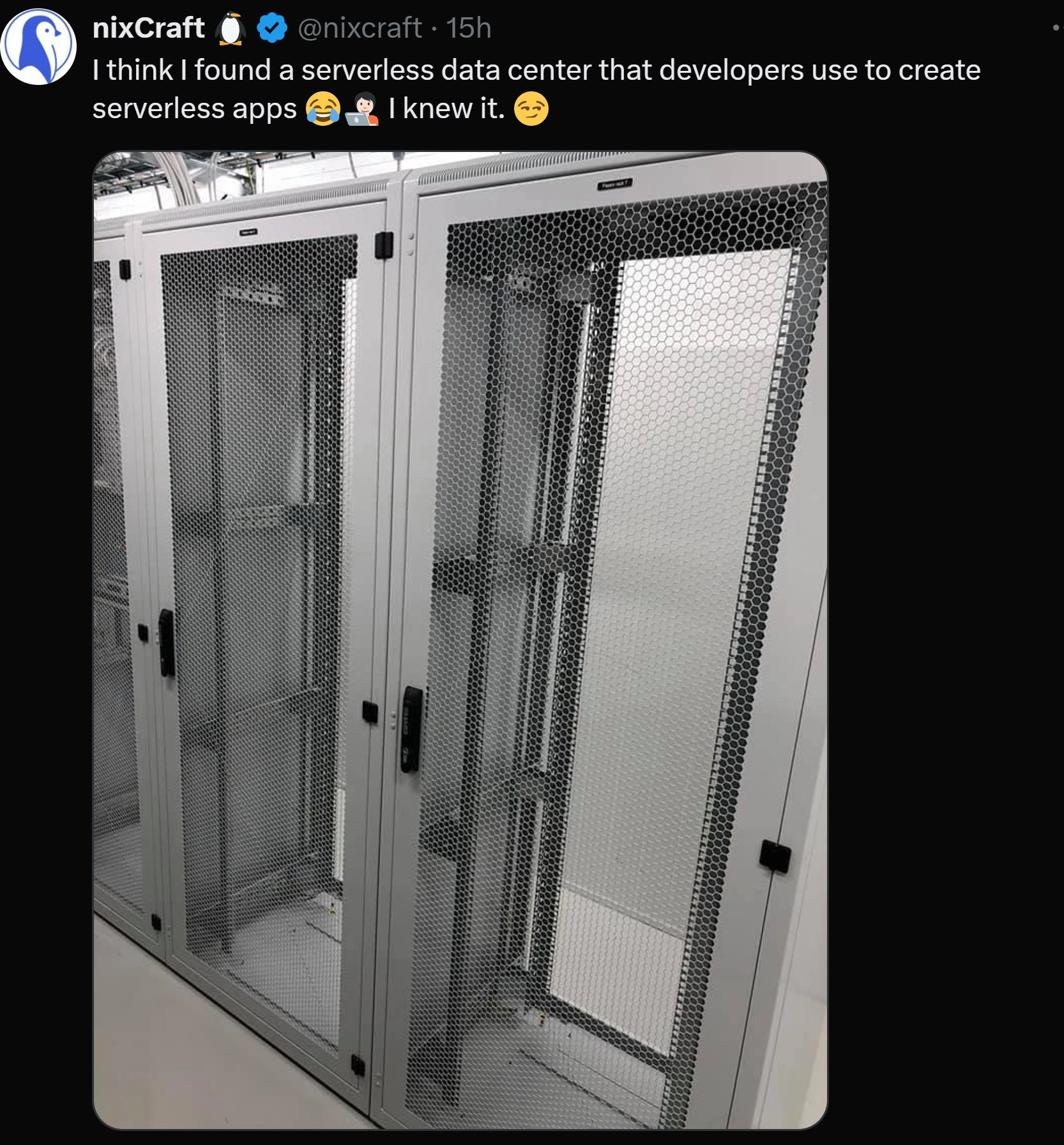
Serverless removes server management from the customer, not physical servers from the system.
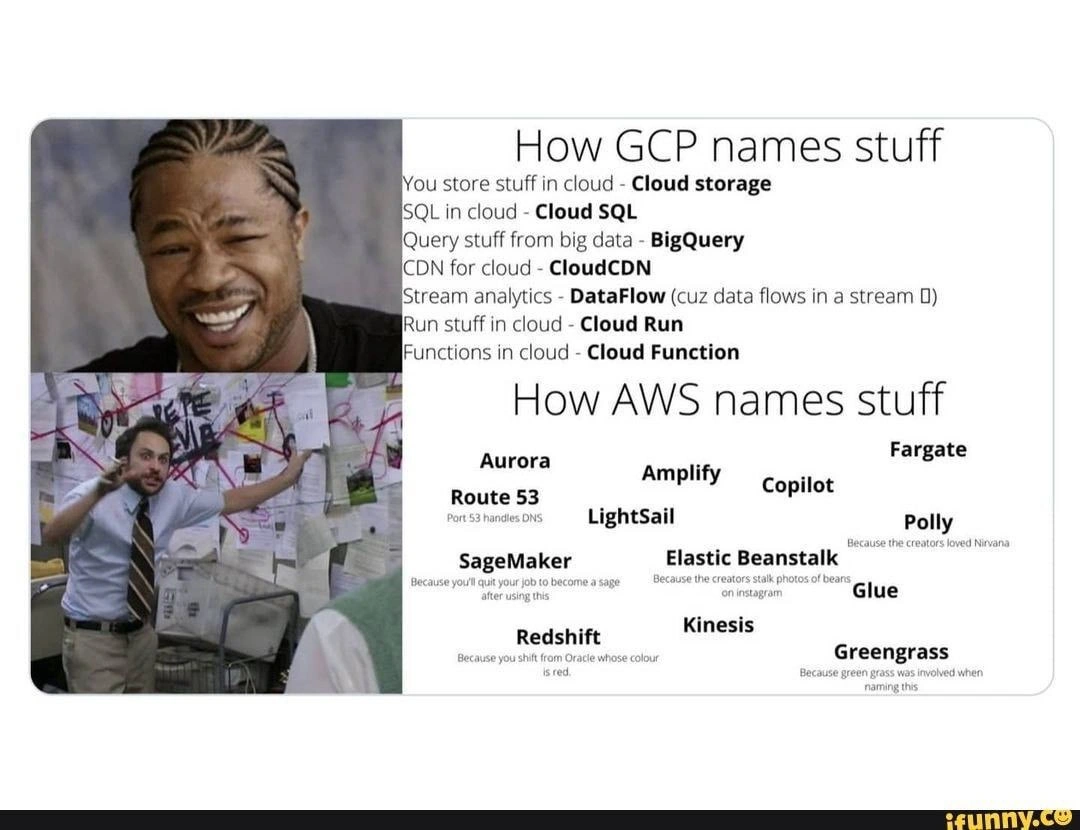
Vendor vocabulary becomes an operational tax when teams must map similar capabilities across providers.

Cost forecasting is architectural work because usage dimensions, traffic, storage, and engineer time interact.

A dormant failover finally working captures the long maintenance cost—and rare payoff—of real disaster recovery.

The absurd answer exposes the geography problem: edge placement, caching, routing, and network distance change latency even when code is identical.
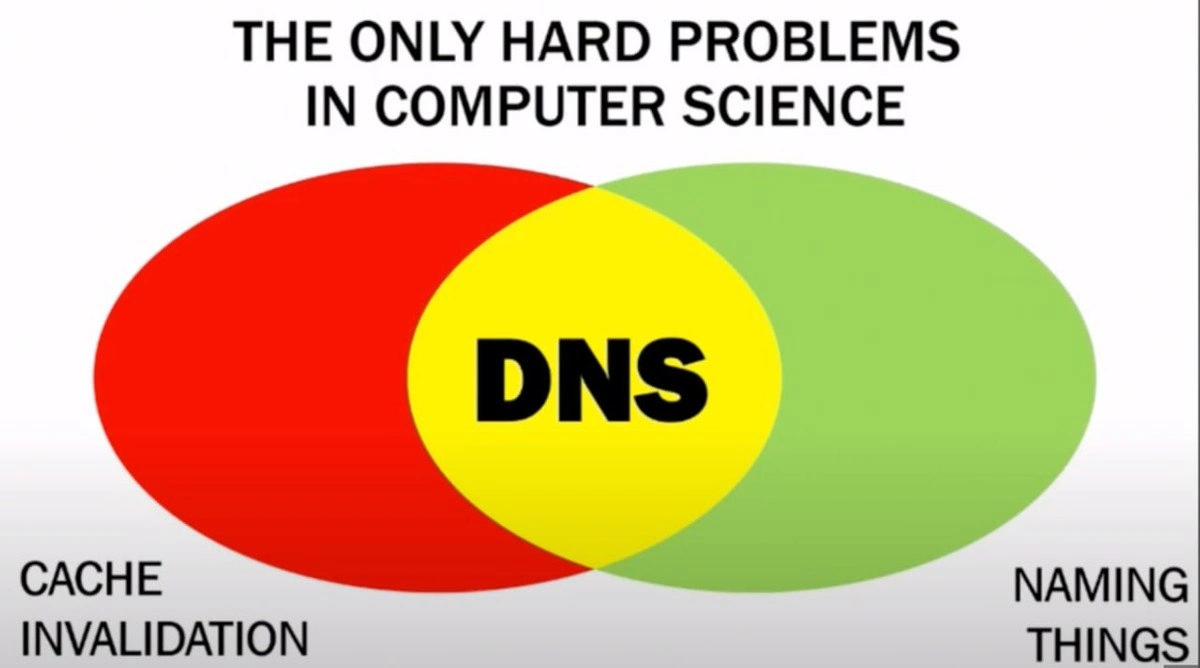
DNS combines names, TTLs, caches, propagation, and distributed consistency—small record changes can have long tails.
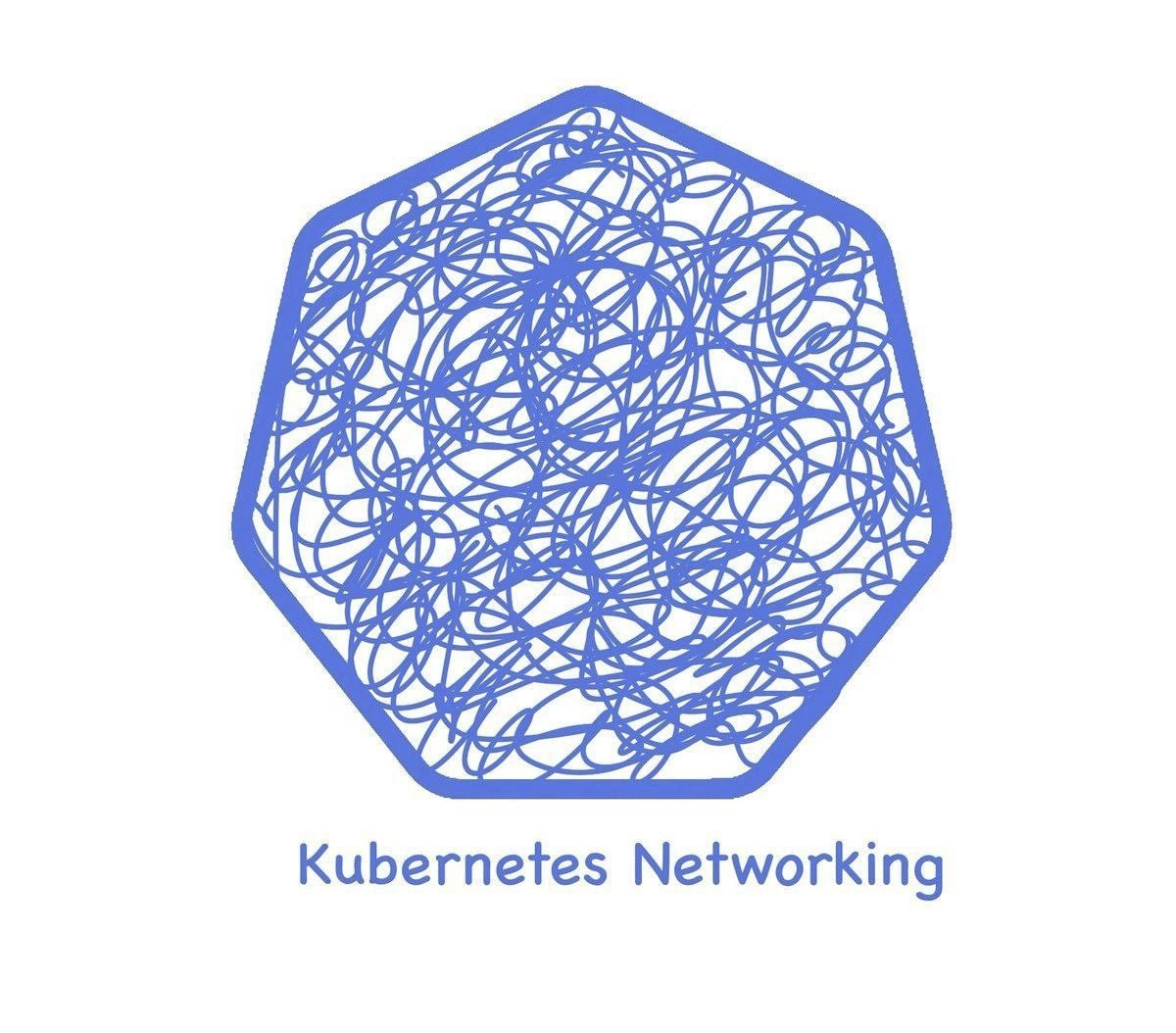
The tangled logo compresses the real debugging surface: services, ingress, policies, CNI, and routes.
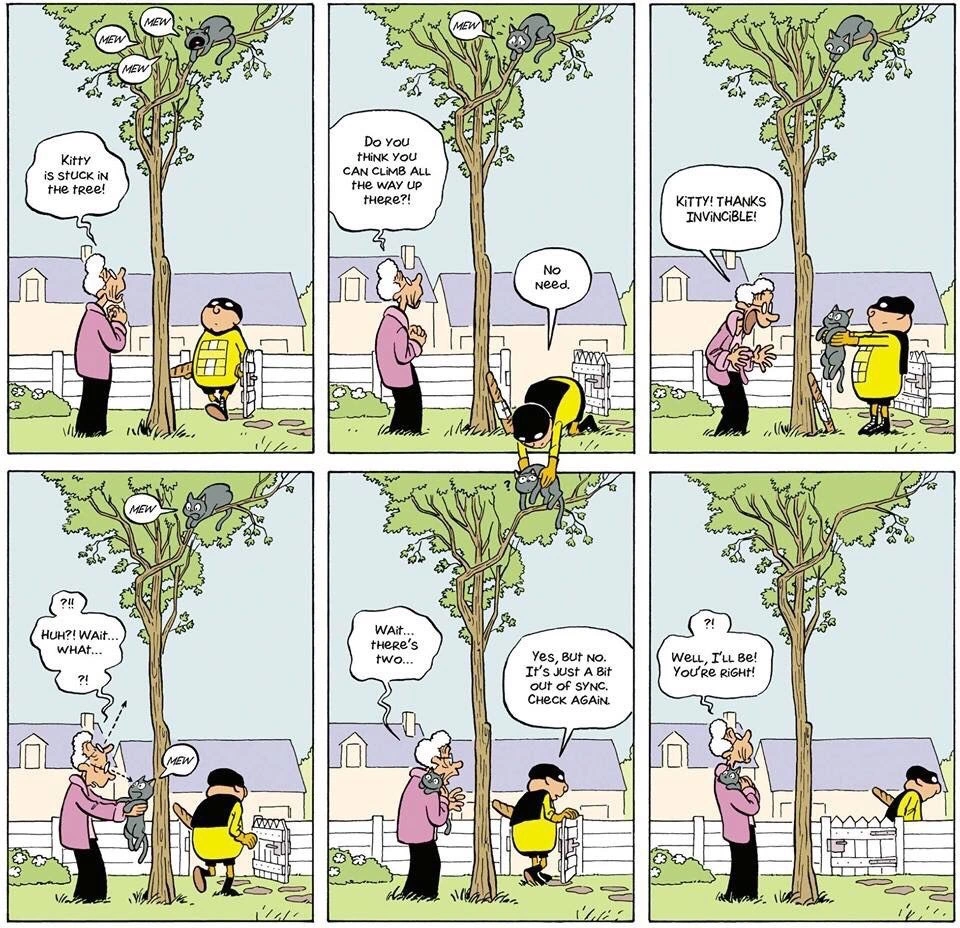
The out-of-sync cat turns eventual consistency into a visible state mismatch: replicas can be locally valid yet disagree temporarily.
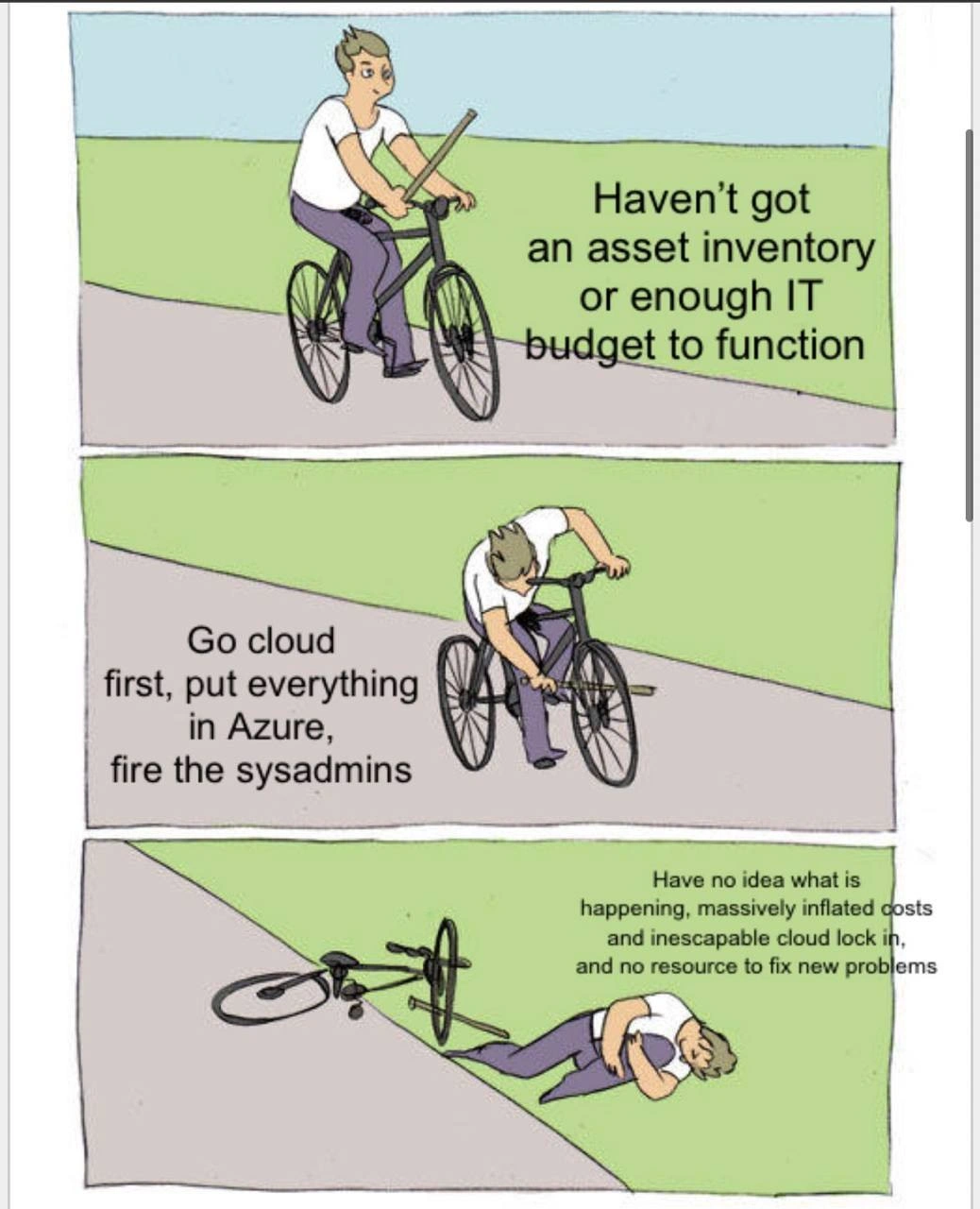
A cloud-first mandate without inventory, skills, or budget multiplies uncertainty instead of modernizing it.
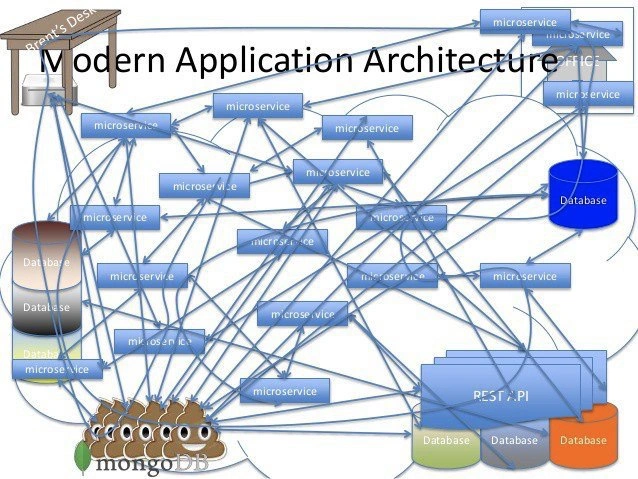
The arrow maze shows how independent services can recreate a monolith’s coupling across the network.
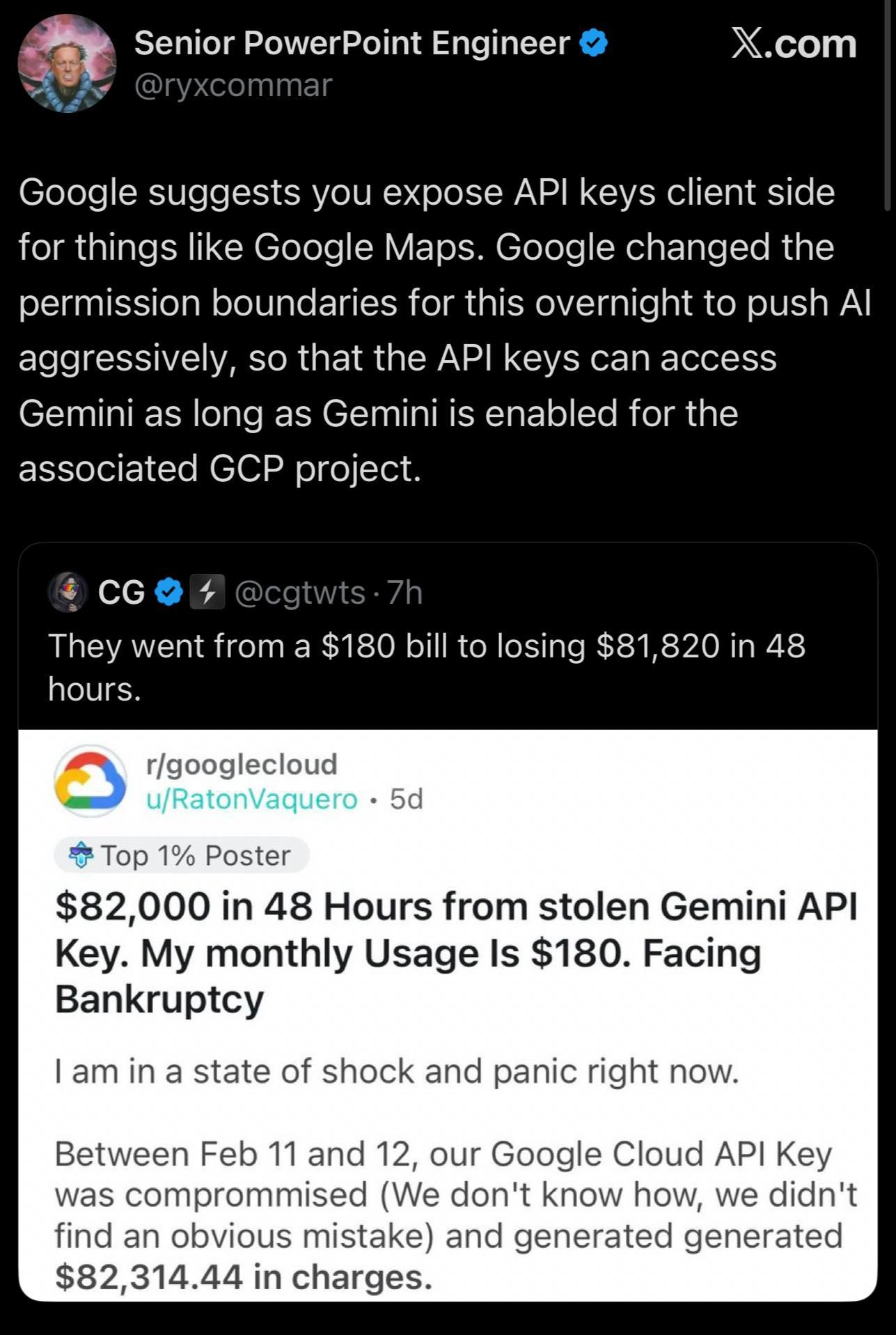
The screenshot is a high-stakes prompt for least privilege, key restrictions, budget alerts, and rapid credential response; do not repeat its causal claims without sources.
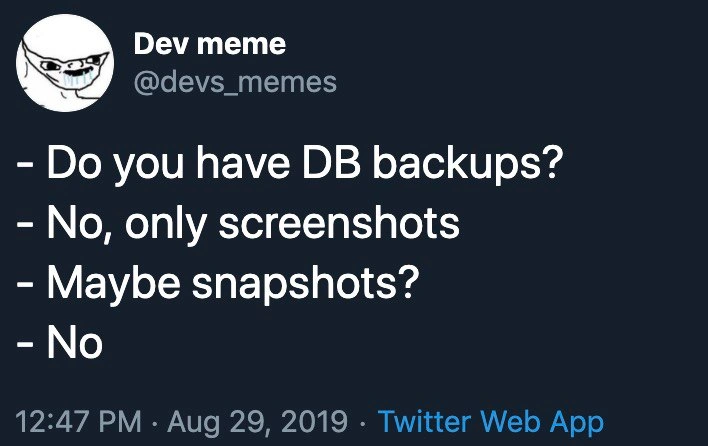
A screenshot is not a restorable backup; resilience requires recoverable copies and practiced restores.
Browse the underlying catalog
Related resources
- Programming Memes for DevOps EngineersCurated DevOps memes about CI/CD, releases, on-call work, observability, containers, production recovery, and invisible reliability labor.
- Fintech Software Engineering Memes, ExplainedFintech engineering memes explained through payments, security, numeric correctness, legacy systems, trading, and compliance constraints.
- Enterprise Software Engineering Memes, ExplainedEnterprise software memes explained through legacy modernization, governance, shadow IT, vendor lock-in, planning, and technical debt.
Sources
- AWS Well-Architected Framework: Reliability Pillar official-product · checked 2026-07-16
- Kubernetes documentation: Services, Load Balancing, and Networking official-product · checked 2026-07-16
- RFC 1034: Domain Names — Concepts and Facilities primary · checked 2026-07-16
- Google SRE Book: Monitoring Distributed Systems primary · checked 2026-07-16
Real reader questions
- Does serverless mean there are no servers?
- No. Serverless services move some server provisioning, scaling, patching, and lifecycle work behind a provider-managed interface. Physical machines and distributed systems still exist; the customer manages a different boundary and remains responsible for the behavior and configuration within that boundary.
- Why is DNS a recurring cloud infrastructure joke?
- DNS combines naming, delegation, caching, TTLs, propagation, and distributed authority. A small record change can be correct at one resolver and stale at another, so failures often outlast the command that introduced or corrected them.
- Why does cloud cost belong in architecture discussions?
- Architecture determines how compute, storage, requests, data transfer, regions, managed services, and operational labor scale with use. Cost is therefore a property of workload shape and system choices, not only a bill to inspect after deployment.
- What makes multi-region recovery difficult?
- A second region is useful only when data, dependencies, routing, configuration, capacity, and operating procedures can actually support failover. Recovery objectives and regular exercises expose whether the standby path is current and usable.
- How is cloud infrastructure different from DevOps work?
- Cloud infrastructure focuses on architecture: provider abstractions, networking, distributed state, regions, capacity, migration, security boundaries, and cost. DevOps focuses on the controlled path of change: CI/CD, releases, observability, paging, incident response, rollback, and recovery operations.