
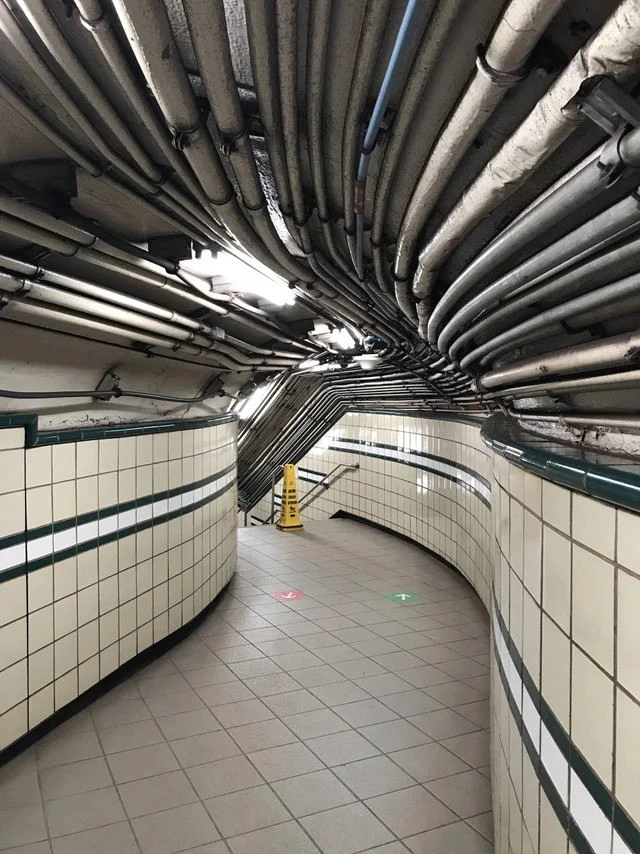
The Physical Manifestation of Technical Debt
Description
A photograph taken in a curving, tiled underground passageway, likely a subway station. The ceiling is a dense, chaotic jungle of thick, grimy pipes and conduits running in parallel along the curve of the tunnel. The sheer volume and chaotic organization of the pipes create a sense of overwhelming complexity. The walls are covered in beige and green tiles, and on the grey tiled floor, there are red and green circular stickers with arrows for foot traffic direction. In the distance, a yellow 'Caution' cone stands guard. This scene is a powerful visual metaphor for a legacy codebase: a critical piece of infrastructure that has grown over time, with layer upon layer of additions, making it a nightmare to navigate, understand, or maintain. It represents the concept of 'technical debt' in a tangible, physical form

Comments
7Comment deleted
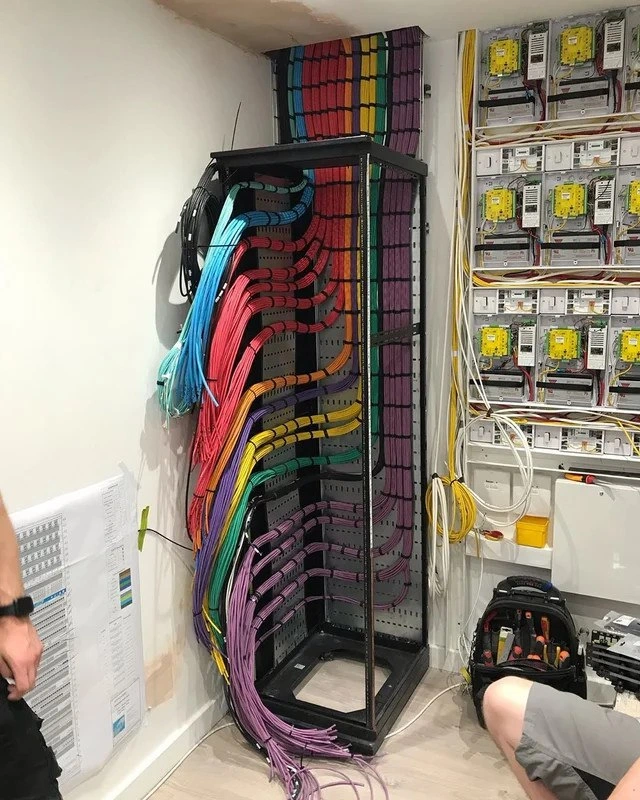
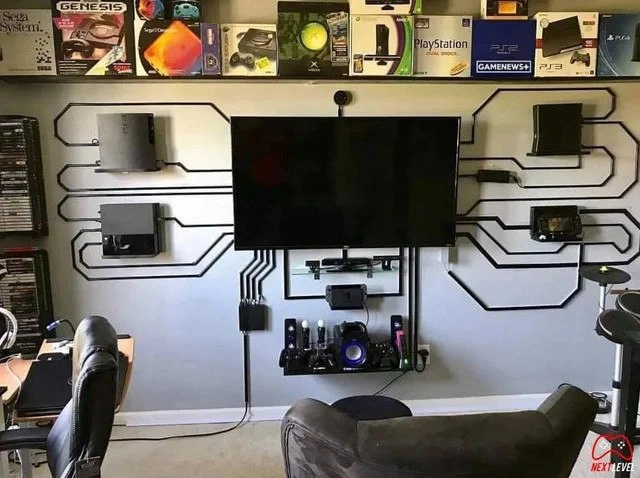
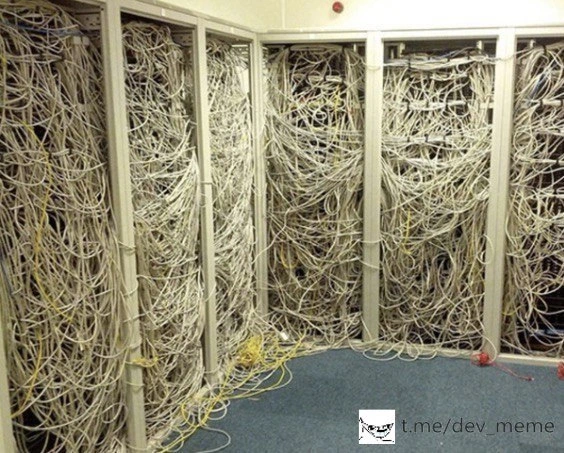
This is our monolith's dependency graph. We don't have a CI/CD pipeline; we have a priest who performs last rites before every deployment
Our 15-year-old monolith’s import graph looks exactly like that ceiling - layers of transitive dependencies shoved through one namespace, and the only thing stopping a circular-dependency deadlock is a lonely TODO acting like those floor arrows: “← don’t require upstream.”
When the infrastructure team says they've finally achieved "perfect service mesh observability" but you still can't trace why that one request takes 3 seconds every Tuesday at 2:47 PM
This is what happens when you let 47 different teams each add 'just one more pipe' to production over 30 years without a unified infrastructure plan. Notice how nobody can identify which pipes are actually still in use versus which ones are just load-bearing legacy - much like that 15-year-old microservice nobody dares to deprecate because three critical systems might depend on it. The real kicker? The documentation for this setup is probably a hand-drawn napkin sketch from 1987, stored in a filing cabinet that was decommissioned in 2003
Clean architecture on the slide; above your head: the anti‑corruption layer, three meshes, five proxies, and one blue cable no one dares unplug
This is our service mesh: ten years of 'temporary' workarounds - debugging requires a tone generator and an anthropology degree
Physical IaC before Terraform: 'Just zip-tie it and pray for no outages.'