
Infrastructure Post #2162 · source on Telegram
Artisanal Electrical Wiring as Code Craftsmanship
Description
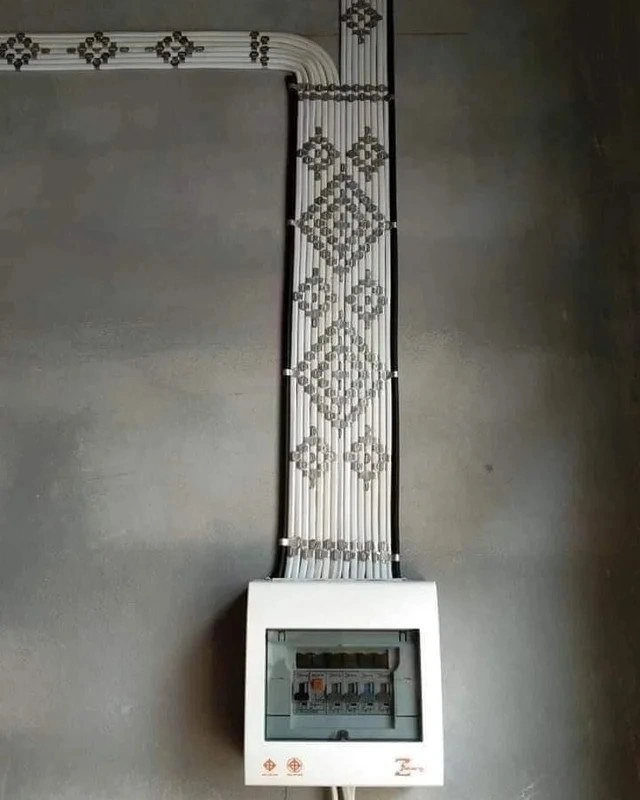
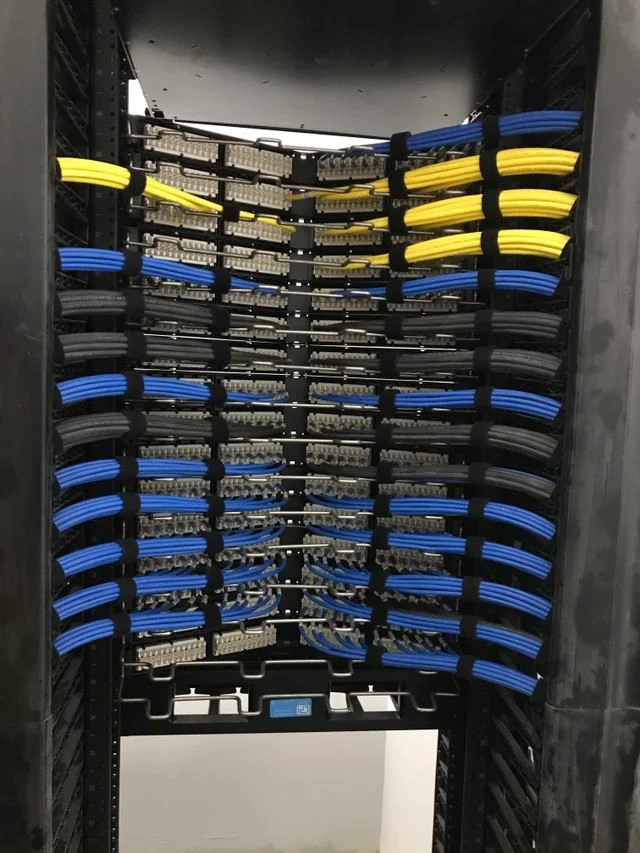
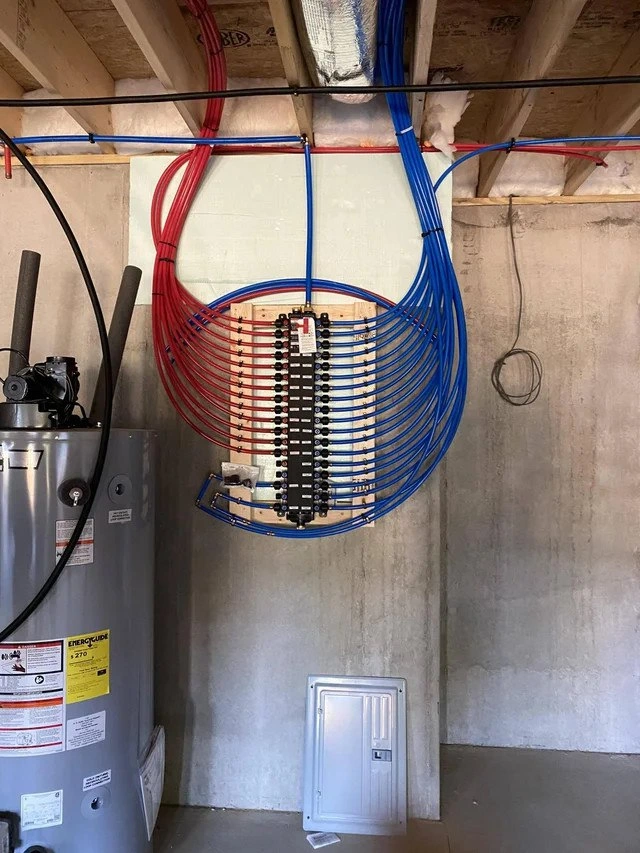
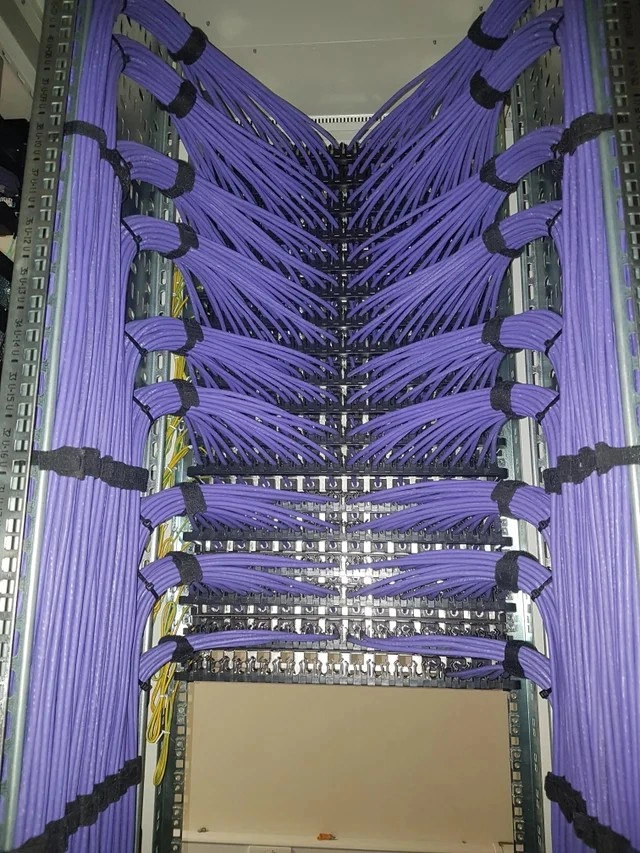
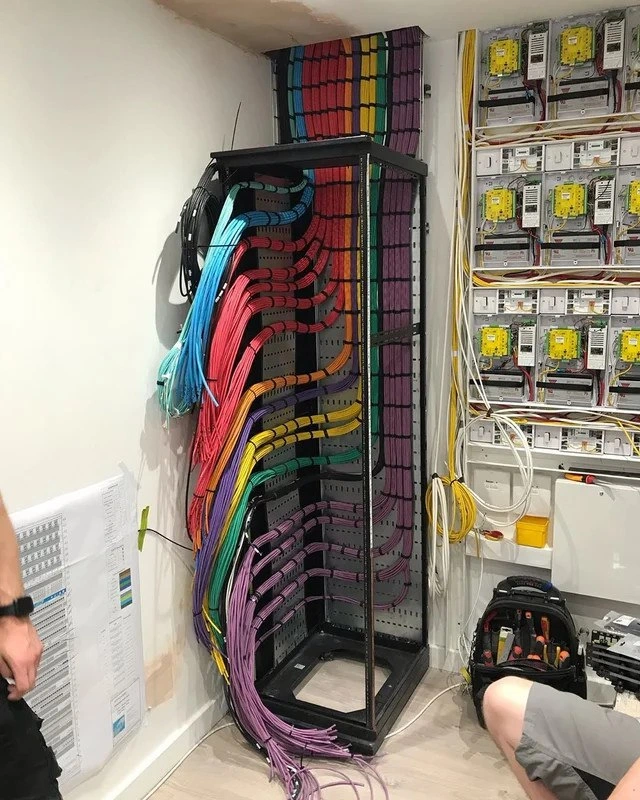
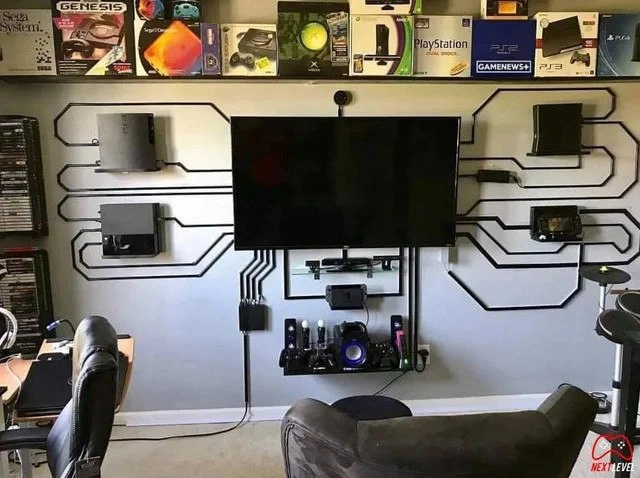
This image displays an electrical installation that elevates cable management to an art form. Against a plain concrete wall, a bundle of numerous white electrical wires runs vertically and horizontally into a white fuse box. The wires are meticulously organized, and black cable ties are used to create a stunning, repeating diamond-shaped pattern along the entire length of the wire run. This isn't just neat; it's decorative and demonstrates an incredible level of precision and craftsmanship. For developers, this is a powerful metaphor for clean code and well-architected systems. The visible order and aesthetic appeal resonate with the satisfaction of creating logical, maintainable, and elegant software solutions

More like this
More like this in Infrastructure →

Use J and K for navigation
Comments
7Comment deleted
This is the physical manifestation of a codebase with zero linting errors, 100% test coverage, and no technical debt. The rest of us are just untangling spaghetti
Proof that Clean Architecture scales to hardware: each conduit is its own bounded context, the zip-ties enforce dependency inversion, and you can hot-swap a domain with nothing but a screwdriver
When the infrastructure team has more artistic vision than your frontend developers, but still can't explain why the network is down
When your electrician implements a full mesh topology for redundancy but forgets that electrical current doesn't need consensus protocols. This is what happens when you apply CAP theorem to AC power distribution - technically impressive, operationally questionable, and definitely not following the KISS principle. At least if one conduit fails, you've got N-1 redundancy... though I'm not sure the building inspector will appreciate your interpretation of 'high availability infrastructure.'
Electrician who gets SOLID: each conduit has a single responsibility, no tangled dependencies
Goodhart’s law at layer 1: make “cable neatness” an OKR and you get zip‑tie cross‑stitch that nails the metric while doubling MTTR
Ops implemented the Decorator pattern at OSI Layer 1 - gorgeous diamonds, tight coupling; the next “just add one more circuit” requires a rewrite