

Lockdown rules? Programmers have been training for this their whole lives
Description
Two - panel meme with white top banner reading “Don’t travel, don’t socialise, stay inside: coronavirus lockdown rules.” Under it, bold-white text “NORMAL PEOPLE” captions a photo of a person lying on a couch, eyes closed, appearing bored and uncomfortable. The bottom half starts with partially visible caption “Program…” (implying “Programmers”) and shows two casually dressed people on a conference panel, leaning back in chairs, smiling confidently and enjoying themselves. The visual joke contrasts normal people chafing under pandemic isolation with developers who already thrive indoors at their computers. Technically, it riffs on remote-work culture and the stereotype that software engineers are introverted homebodies for whom quarantine restrictions simply formalized their usual coding lifestyle





Comments
6Comment deleted
Lockdown just meant the whole planet joined me in a personal Docker container - no exposed ports, volumes mapped to ~/code, and a strict HEALTHCHECK: `curl -fs localhost || brew coffee`
Finally, a government mandate that aligns with our incident response playbook: isolate the problem, minimize human interaction, and work from a secure environment until the issue is resolved
When the entire world was forced into remote work and social isolation during the pandemic, developers finally got the validation they'd been seeking for decades: proof that their preferred lifestyle of staying home, avoiding meetings, and communicating primarily through Slack wasn't antisocial - it was just ahead of its time. While everyone else panic-bought toilet paper, developers were already stocked up on mechanical keyboards and noise-canceling headphones
The lockdown read like an SRE runbook - isolate services, reduce cross‑talk, and watch throughput rise - finally a compliance policy that optimizes my cache hit rate
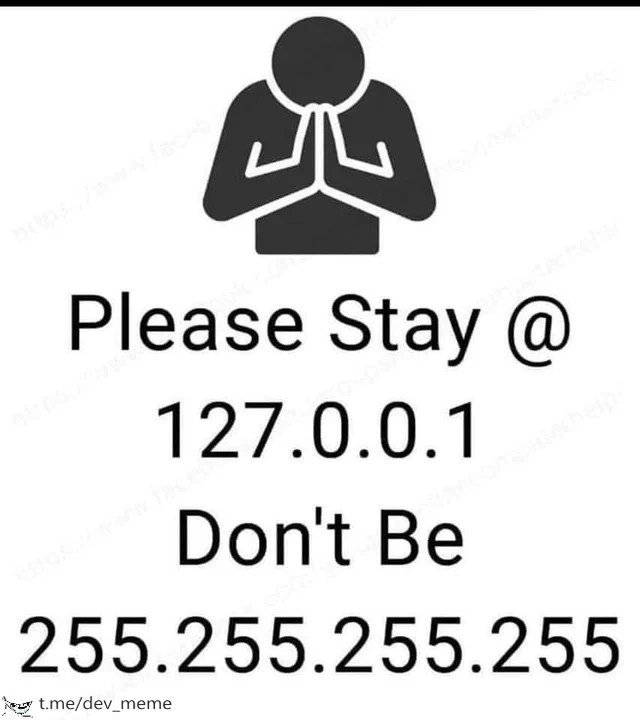
Lockdown: the rare global event reducing our distributed systems to blissful single-node localhost deployments
Lockdown was the first time the rest of the world tried our preferred architecture: isolated nodes, async comms, and a flaky video RPC layer