
Graphics Post #6145 · source on Telegram
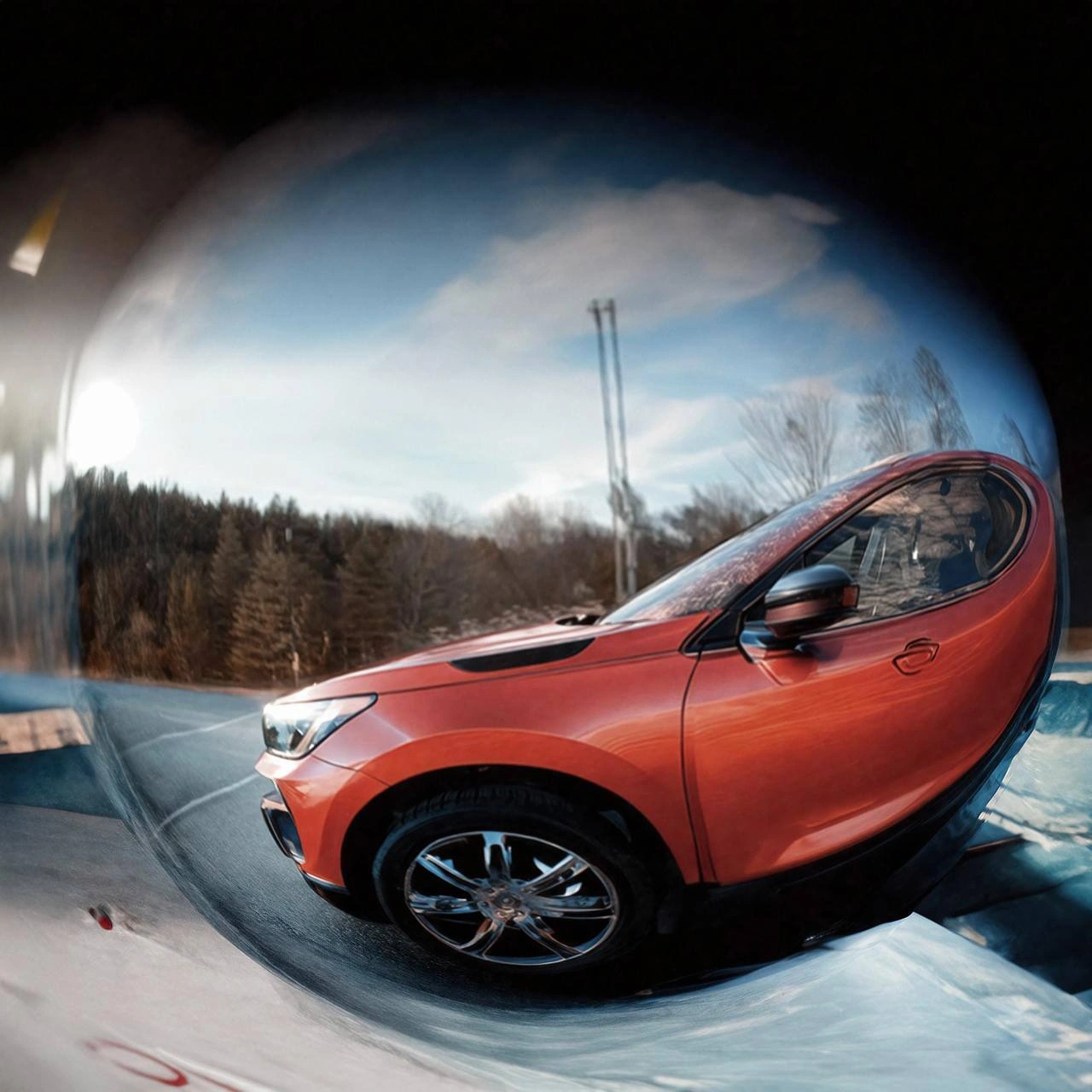
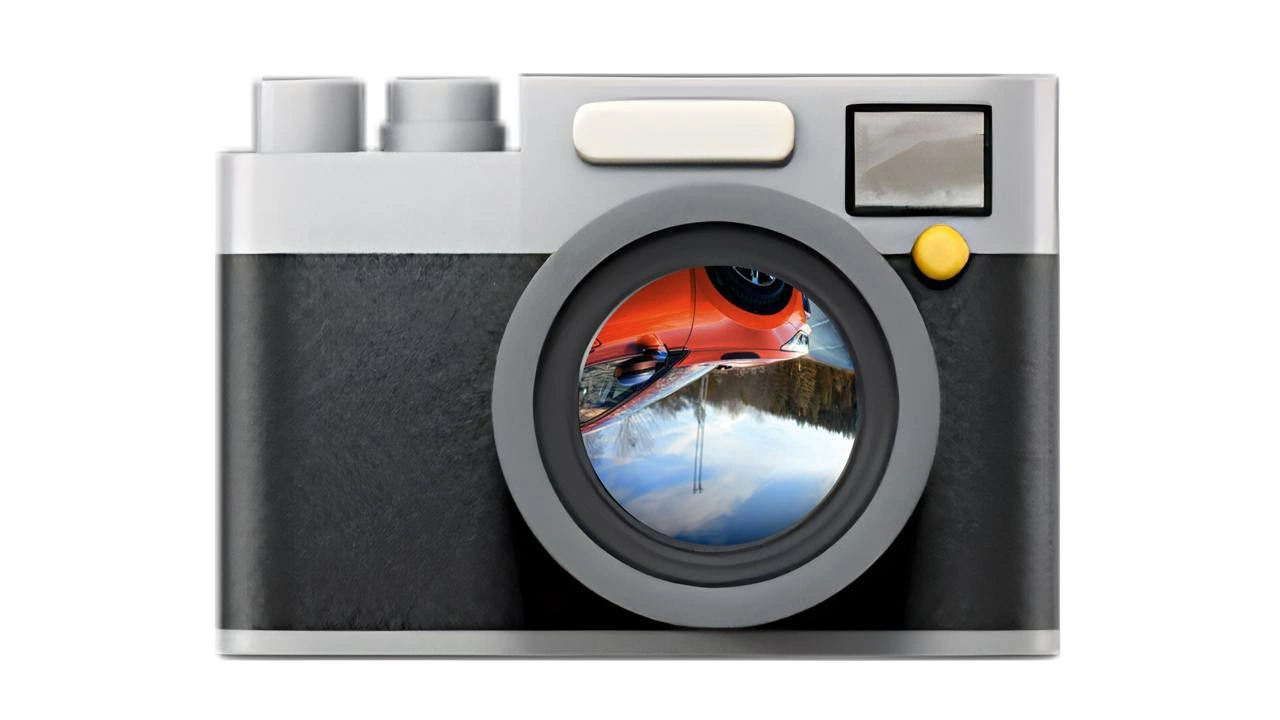
When the projection matrix turns your car model into a carnival mirror ride
Description
The image shows a bright orange compact SUV dramatically warped as if trapped inside a glossy fish-eye bubble: the front wheel and fender are stretched toward the viewer while the rear has collapsed into a teardrop, creating a crescent-shaped vehicle. The surrounding scene - a gray roadway, winter trees, a guardrail, and a pale blue sky - appear equally bent along the sphere’s curvature, with no visible text anywhere. Visually it evokes a graphics pipeline failure where a faulty projection or UV mapping shader deforms geometry. For developers, it’s the quintessential ‘funhouse mirror’ bug you see when the perspective matrix, vertex normals, or viewport transform go off the rails in a 3-D rendering engine
More like this
More like this in Graphics →
Use J and K for navigation
Comments
6Comment deleted
Turns out if you swap view × projection order the SUV compresses like gzip - 9; marketing is now calling it “edge-to-edge aerodynamics” and wants it in prod by Friday
When the PM asks why the computer vision model works perfectly in the lab but fails in production, and you have to explain that real-world lens distortion isn't just a float you can hardcode to 0.0
When your computer vision model trained on ImageNet encounters real-world fisheye camera data and suddenly thinks every car is a Möbius strip. This is why camera calibration matrices exist - because sometimes the hardest part of autonomous driving isn't the AI, it's convincing your perception pipeline that straight lines actually exist in the physical world
Forgot the fisheye undistortion matrix in OpenCV - now prod looks just like this
Barrel distortion is cute until your demo car looks like a croissant - k1/k2 aren’t feature flags; they’re the difference between “camera MVP” and modern art
Skipped calibrateCamera, shipped K=I with k1..k3≈0; marketing calls the barrel‑distorted SUV “curvature UX” and pushes for GA