Skip to content
DevMeme
4982 of 7435
Senior Dev's Last-Minute Hotfix
Bugs Post #5449, on Sep 15, 2023 in TG

Senior Dev's Last-Minute Hotfix

Why is this Bugs meme funny?

Level 1: Paint Won't Fix It

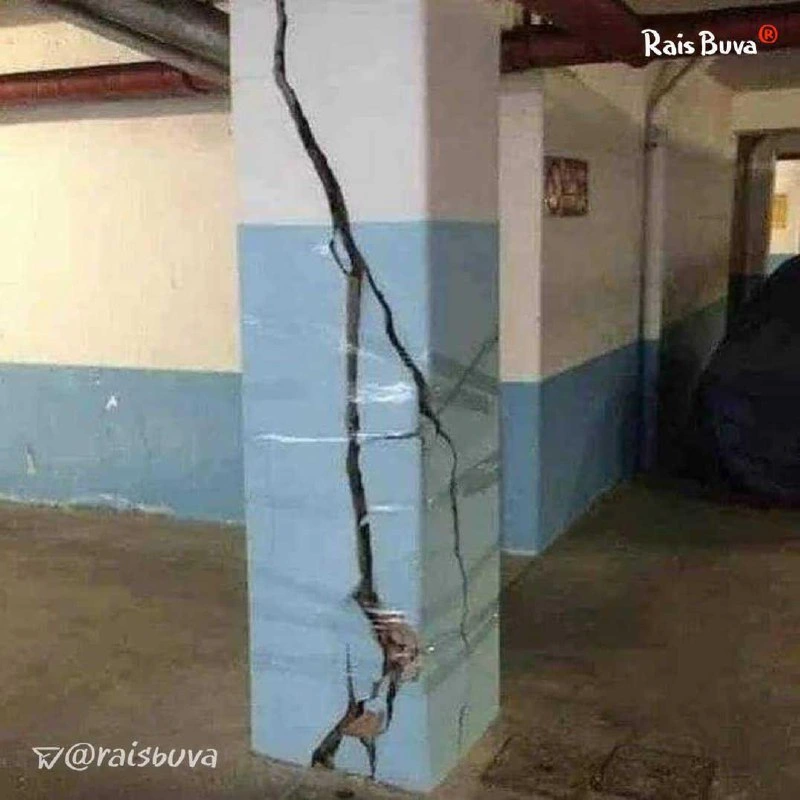
Think about when your room is really messy – clothes on the floor, toys everywhere – and your parents are coming to check. You don't have time to clean it properly, so you quickly shove everything into the closet and shut the door. Now your room looks clean at first glance, just like that cracked pillar looks solid once it’s painted. But did you really fix the mess? Not at all! The junk is still there, and the moment someone opens that closet, everything will tumble out. In the same way, in the picture someone tried to hide a big crack in a pillar by painting over it. It might fool people for a little while, but the crack is still there and the pillar is still broken inside. It’s funny (and silly) because we all know that just covering up a problem doesn’t make it go away – whether it’s a messy room or a cracked wall, you have to fix the important stuff for real, not just make it look nice on the surface.

Level 2: Looks Fine, Still Broken

Imagine you discover a serious bug in your code right before an important demo. A proper fix might require hours of work or a deep dive into the design, but you only have minutes. What do you do? You apply a quick fix – a change that isn’t pretty, but stops the immediate problem. In software, we often call this accumulating technical debt. It's like borrowing time: you "save" time now by using a shortcut, but you'll pay for it later when that shortcut causes new problems. The crack in that pillar is a visual metaphor for technical debt in a codebase. Instead of repairing the foundation (rewriting the faulty code), someone just covered it up to meet the deadline. The pillar looks solid after the paint job, and the program appears to work after the hack – but in both cases, the underlying weakness is still there.

Developers have terms to describe these situations. A workaround (or quick fix) is a code change that bypasses an issue without truly resolving it. For example, catching an error and doing nothing, or temporarily hard-coding a value so the program won’t crash. The software might run without errors, but the original bug is merely hidden. We also talk about code smells – these are warning signs in the code that hint at deeper problems. A classic code smell might be a function that's 500 lines long or a variable literally named fixMeLater. Such things don't break the program outright, but they "smell" like trouble and suggest poor structure. In our analogy, the huge crack was a glaring warning sign that the pillar is unhealthy. Painting over it is like trying to hide a code smell with cosmetics (say, renaming a messy function to something nicer without actually improving its inside). It might fool the untrained eye, but experienced folks can tell something’s off.

Over time, many quick fixes can build up in a project, especially in an older legacy system. Legacy code refers to old code that's been around a long time (maybe written by dozens of developers who've come and gone). It often has outdated design choices and lots of little patches piled on top of each other. Maintaining it can become a nightmare – fix one thing, and something else breaks. Every band-aid fix (painted crack) added over the years makes the whole structure more fragile. If you’ve ever worked on a school code project where one weird trick was used to get it to run and nobody fully understood it, that’s a mini version of legacy tech debt. New engineers often ask, "Why is it done this way?" only to find out it was a quick fix for a crisis long ago that stuck around.

So what should be done instead of just painting over the problem? Ideally, refactoring the code. Refactoring means cleaning up and improving the code’s structure without changing what it actually does, akin to properly repairing the pillar with fresh concrete and support. It addresses the root cause rather than just the symptom. But refactoring takes time and can be risky – just like fixing a real pillar might require closing the garage for repairs. Under tight deadlines, teams often postpone refactoring. This is an engineering trade-off: trading long-term stability for short-term speed. The plan is usually to "fix it properly later" when there's more time. Unfortunately, "later" can keep getting pushed out as new tasks and pressures come up, and that temporary hack stays in place far longer than intended.

For a newer developer, the takeaway from this meme is clear: just because something looks fine now doesn’t mean it’s truly fixed underneath. A painted-over crack in code might pass tests today and make a manager happy, but it could lead to a bigger crash tomorrow. That’s why we care about code quality and proper fixes, even if they take longer. This picture is funny (and a bit cringe-y) because it shows a truth of software projects: sometimes people cover up a big problem to save time, and it comes back to bite them later. It’s a reminder that doing things the right way—fixing the cracks, not just hiding them—is important if you want your project to stand strong.


Level 3: The Paint-Over Pattern

In enterprise software, this meme evokes the notorious practice of concealing technical debt with superficial fixes. Think of that badly cracked concrete pillar as a mission-critical legacy system: it's literally a load-bearing piece of the infrastructure, full of deep fractures (bugs and design flaws), yet someone decided to just cover it up with a fresh coat of paint. The two-tone blue and white paint neatly lined up across the crack is the engineering equivalent of saying, "It's fine, look, we resolved the issue," when all we've done is hide it. Code quality purists might cringe, but in the heat of a deadline, cosmetic hot-fixes like this become routine.

Seasoned developers have seen this anti-pattern many times. A critical system is faltering under the weight of legacy code, but rather than refactor the shaky module or redesign the architecture, the team opts for a quick workaround. There’s no time for the proper refactoring or structural fix the code really needs—just like no one reinforced the concrete in that pillar—so a coat of paint will have to do. Management just sees that "the pillar looks fine now," and the release gets a green light. It's a classic case of ship now, fix later (with "later" seldom arriving), resulting in a growing pile of technical debt.

For example, imagine a critical microservice that's been crashing whenever it gets unusual data. A robust fix might involve redesigning the data pipeline or adding thorough validation, but with a release looming, the team might do something like:

try:
    process_critical_data(data)
except Exception:
    # Cosmetic fix: ignore the error to keep the service running for now
    pass  # swallow the error and pretend all is well

Here, the developer is literally painting over the crack in code: catching and ignoring the error so the system doesn’t visibly fail. It keeps things running for the demo or the deadline, but it doesn’t solve the underlying problem that caused the exception. The bug is still lurking, just as that pillar is still cracked beneath the fresh paint.

This type of fix creates glaring code smells that any experienced engineer can spot. It's like seeing the rebar (metal support rods) poking out of concrete – a clear signal something’s fundamentally broken underneath. You might even find comments in the code like // TODO: fix this properly or // TEMPORARY HACK – basically the developer’s way of admitting, “Yep, there’s a crack, but we only painted over it.” In large systems, it's common to stumble on oddly specific if conditions or try-catch blocks that exist solely because someone was desperate to stop a production issue without time for a clean solution. Those are the painted-over cracks of software.

From a software architecture standpoint, this is neglecting fundamental design principles. No well-known design pattern says "just hide the problem and hope for the best." In fact, patterns like Facade or Adapter aim to manage complexity safely behind the scenes – but they assume the underlying components still work correctly. Here we're hiding outright failure. It’s essentially the opposite of good architecture – a quick fix born from panic rather than planning. Every time you "just paint over it," you’re making a risky engineering trade-off: sacrificing long-term stability for short-term relief.

And like any debt, technical debt collects interest. Each cosmetic fix makes the system a bit more brittle. The crack widens quietly. Push the system a little harder – more users, more data, a new feature – and that pillar can give way without warning. This is how you get maintenance nightmares: an application so fragile that touching one part can break another. The pillar stands today, but will it survive the next heavy load (like a truck driving through that garage, or a spike in user traffic)? It's anyone’s guess, and that uncertainty keeps veteran engineers up at night.

There's a saying: "Nothing is as permanent as a temporary fix." In corporate codebases, a quick patch applied under duress often remains in production for years. Once the immediate crisis passes, everyone moves on, leaving that painted crack as part of the official architecture. Future developers encounter it and groan, much like an inspector shaking their head at a pillar that was never properly repaired. It’s a relatable scenario because nearly every programmer has either applied or inherited one of these paint-over patches. We’ve all seen commit messages like "Hotfix: quick workaround for issue 🐛" that never got revisited.

In the end, this image triggers equal parts laughter and dread in senior engineers. It's a spot-on visual metaphor for a system held together by duct tape and optimism. We laugh because it's true – we’ve all been that developer hastily aligning the paint at 2 AM to get a build out on time. And we shudder because we know that just like a building with concealed cracks, one day that quick fix is going to come back to haunt us in production.


Description

The image shows a large, square structural support pillar in what appears to be a basement or parking garage. The pillar is painted light blue on the bottom half and off-white on the top. A massive, dark, and jagged crack runs down the entire length of the pillar, indicating severe structural failure. In a comical and absurd attempt at a repair, several layers of clear packing tape have been wrapped tightly around the pillar over the crack. This serves as a visual metaphor for applying a superficial, inadequate solution to a deep, critical problem. Watermarks for 'Rais Buva' are present in the top right and bottom left corners. The technical context, reinforced by the caption 'Actual photo of senior dev’s last minute commit to try to get a build out on time', equates this scene to a desperate 'hotfix' in software development. The cracked pillar represents a fundamental flaw in the architecture or a critical bug, while the packing tape symbolizes a hasty, insufficient code patch pushed under deadline pressure that does nothing to solve the root cause, creating significant technical debt
Comments

12
Anonymous ★ Top Pick The pull request description said, 'Temporarily addressing the issue to unblock deployment.' The 'temporarily' is doing as much heavy lifting as that packing tape
  1. Anonymous ★ Top Pick

    The pull request description said, 'Temporarily addressing the issue to unblock deployment.' The 'temporarily' is doing as much heavy lifting as that packing tape

  2. Anonymous

    Sure, the pillar’s about to collapse - but at least the crack passes linting for color consistency

  3. Anonymous

    This is what happens when you deploy the CSS fix before addressing the underlying database schema issues - sure, it looks 'fixed' in the UI, but we all know that load-bearing column is one heavy query away from a complete production outage

  4. Anonymous

    This is what happens when you keep applying hotfixes to production instead of addressing the root cause. Sure, you painted over it and called it 'refactored,' but that load-bearing monolith is one more feature request away from catastrophic failure. The crack started small - maybe a memory leak here, a race condition there - but after years of 'we'll fix it in the next sprint,' you're now looking at a complete architectural collapse. And just like this pillar, everyone can see it's failing, but management insists it's still 'holding up fine' because the metrics dashboard is green. Spoiler alert: when this goes down, it's taking the entire building with it, and no amount of incident retrospectives will undo the fact that you knew about this crack three years ago

  5. Anonymous

    You know it’s enterprise architecture when the load‑bearing pillar is cracking, someone adds three loops of tape, files a mitigation Jira, and postpones the refactor to FY27

  6. Anonymous

    When the monolith's foundation cracks but rewriting it would violate the 'no downtime' SLA - cue the packing tape

  7. Anonymous

    Error budget hit zero, so we shipped a “thin wrapper”; turns out the wrapper is now the load-bearing component of the monolith

  8. @ilovethicktights 2y

    if it works, it works

    1. 扇子 2y

      if it falls, it falls like a skyscraper

      1. @ilovethicktights 2y

        and it will fall so epic

  9. @SamsonovAnton 2y

    Do not underestimate the power of adhesive tape! 💪

  10. @ZgGPuo8dZef58K6hxxGVj3Z2 2y

    “We will improve it in post”

Use J and K for navigation