The Engineer's Non-Committal Commitment
Why is this Communication meme funny?
Level 1: If Pigs Could Fly
Imagine your teacher comes in on Friday and says, “Over the weekend, I want you to read an entire 500-page book and write a full report by Monday.” You feel your eyes go wide. That’s an incredibly big task for such a short time! You quietly answer, “Yes... I guess it’s theoretically possible,” but inside you’re thinking, “Maybe if I stay awake for 48 hours straight like a robot!”
This meme is just like that moment. The stakeholder (like the teacher in this story) is asking the developers to do something huge (like reading that 500-page book) in a very short time (over one sprint, which is like a week or two). The developer says, “Yes, theoretically,” which is a polite way of saying, “Well, it’s not completely impossible if magic happens, but don’t count on it.”
It’s funny because we all know that feeling. It’s like if your parents asked you to clean the entire house in ten minutes. Could you do it? Maybe if you had super speed or paused time – so, only in theory! In real life, you’d probably just shove toys under your bed and call it “clean,” and the house would still be a mess. The developer in the meme is in the same tricky spot. They’re basically saying “Yes” out loud, but what they really mean is, “Only if a miracle happens!”
So the core of the joke is about promising something that’s practically impossible. We laugh because we’ve all been there – when someone asks for a miracle and you just smile and shrug, “Sure, if pigs could fly, no problem.”
Level 2: Scope Creep 101
Let’s break down what’s happening in this meme in simpler terms, especially if you’re newer to the software world. The scenario is about stakeholders (clients, bosses, or project managers) and developers, and a miscommunication that often happens between them. We have a stakeholder asking for a new feature at the last minute, “doable this sprint.”
First, some definitions:
- Stakeholder: This is anyone who has an interest in the project, often non-technical. It could be a client paying for the product, a manager, or a PM (Project Manager). They focus on what they want done and when they want it.
- Feature: A piece of functionality or a capability in the software. For example, a “dark mode” in an app is a feature.
- Sprint: In Agile development (a common way to manage projects), a sprint is a short, fixed-length period (usually 1-2 weeks) where the team works to complete certain tasks or features. At the start of a sprint, the team plans what they can realistically do in that time. By mid-sprint or near the end, everything is supposed to be nearly done or at least already decided on.
Now, scope creep is a term you’ll hear a lot. It means the scope (the set of planned work) keeps creeping larger — new requirements keep getting added beyond what was originally agreed. Imagine you agreed to bake a dozen cookies, and halfway through, someone says, “Actually, can you also bake a cake and some brownies?” That’s scope creep. In development, this often happens when stakeholders have MisalignedExpectations about how easy or fast something is to add.
In the meme, the stakeholder basically causes scope creep by asking for an “impossible feature” at the last minute (i.e., within the current sprint). Why “impossible”? Probably because:
- It’s a huge piece of work (maybe it would normally take weeks or months to do properly).
- The current architecture (the fundamental design and structure of the software) might not support it. For instance, adding that feature might require rewriting core parts of the system.
- There are only a few days left in the sprint (or maybe it’s already fully packed with other tasks).
When confronted with this, the developer doesn’t want to say an outright “No, that’s impossible,” especially not in front of other managers or clients. There’s often pressure in CorporateCulture to be a “can-do” team. So instead, the developer gives a very careful answer: “Yes, theoretically.”
Let’s translate that phrase in a down-to-earth way. When an engineer says “Yes, theoretically we can do it,” they mean:
- It’s not completely forbidden by technology. (The codebase won’t self-destruct, and the request isn’t asking for magic. For example, requesting an app feature that lets humans teleport would be not just impractical but scientifically impossible. This feature, on the other hand, might be technically achievable with code.)
- However, it would require extreme effort or sacrifice to actually accomplish in the time given.
Think of it like this: “Yes, we can theoretically build a two-story house in a day (if we had 100 workers working non-stop, no need for the concrete to dry, and we ignore all building codes...), but practically, in the real world, that’s not going to happen without something going very wrong.” The developer is basically saying the same about the feature.
Often, junior developers are surprised by how these conversations go. You might wonder, “Why not just be honest and say it can’t be done in a sprint?” The truth is, a lot of times stakeholders don’t understand or accept technical explanations like “our code architecture doesn’t support that” or “we need more time to do it properly.” They might push back with, “But you said it’s possible! Why can’t you just do it now?” This is where that careful phrasing comes in – it’s a gentle way to signal “it’s not likely, but I’m acknowledging your request.”
To illustrate the dynamic, here’s a little “what they say vs what they mean” table:
| Stakeholder Asks | Developer Says | Developer Means |
|---|---|---|
| “Can we add this big feature by Friday?” | “Yes, theoretically.” | “In a perfect world with unlimited time, maybe – but it’s nearly impossible in practice.” |
| “It should be quick, right? It’s easy?” | “In principle, yes.” | “It might seem easy to you, but actually it would break a lot of things we’ve built or require a ton of hidden work.” |
As you can see, the developer’s polite answer hides the real risk and difficulty. This is a very common form of MeetingHumor in engineering circles: afterwards, the dev team will sigh or chuckle amongst themselves about how they gave the “theoretical yes” and hope the stakeholder understood the implication that it’s a long shot.
Another important term that often comes up here is “technical debt.” If the team does attempt to deliver this feature in such a short time, they might cut corners – for example, not writing tests, or hard-coding things that should be flexible. Those shortcuts make the codebase messier. That mess is called technical debt (because you “borrowed” time by not doing it properly, and later you’ll have to pay for it with extra effort to fix or clean up). The developer knows if they cram in the feature now, they are likely creating a fragile solution that will cause bugs or require rework later.
For a junior developer witnessing this scenario, the key takeaways are:
- Communication vs Reality: Learn the art of communicating with stakeholders. Sometimes you have to explain constraints in a way they’ll understand. A flat “No” might not be accepted, so you learn to say “Yes, if…” or “Yes, theoretically…” to open the discussion about trade-offs.
- Underpromise and Overdeliver: Many teams prefer to promise less and deliver more. Saying “yes” to everything sets you up for failure. But often junior folks or teams feel pressure to agree to unrealistic demands, and it backfires.
- Recognizing Scope Creep: If new features are being added without adjusting timelines or dropping other tasks, that’s scope creep. It’s okay (and often necessary) to push back or at least make sure everyone knows the risks.
The meme’s popularity among developers and Management_PMs alike indicates how common this little dance is. New engineers eventually learn to chuckle at the phrase “Yes, theoretically” because it’s such a hallmark of those tense meeting moments. It’s practically the professional way of saying, “Eh, anything’s possible if you ignore reality, but sure, we’ll nod and talk about it.”
So, if you’re the junior dev in that meeting, don’t be fooled: “theoretical yes” is often a polite “almost certainly no.” You’ll soon be able to recognize that strained smile on your tech lead’s face as they say it. And if you’re the one being asked for the impossible, now you have a diplomatic way to respond without outright rebellion – just remember to follow it up with a real conversation about what it would actually take.
Level 3: Theoretically Agile
This meme nails the classic collision between StakeholderExpectations and hard engineering reality. Picture a sprint review or architecture review meeting that’s derailed by a late-breaking “urgent” feature request. A non-technical stakeholder (the kind with big ideas and even bigger impatience) leans in and asks, “Can we slip this impossible feature in by end of this sprint?” Everyone on the dev team exchanges nervous glances. The tech lead, feeling like a politician at a press conference, carefully replies with the most diplomatic engineering answer ever: “Yes, theoretically.”
Why is this funny? Because every seasoned developer recognizes this coded language. “Yes, theoretically” is engineer-speak for “It’s physically possible (we won’t violate the laws of physics or computational theory), but practically it’s a terrible idea right now.” It’s the polite way of saying “We’d need to bend space-time or incur massive technical debt to pull that off.” The humor comes from the painfully relatable scenario of MisalignedExpectations: the stakeholder hears an affirmation, but the dev team internally is screaming “No, not unless we invent a time machine or sacrifice code quality on the altar of speed.”
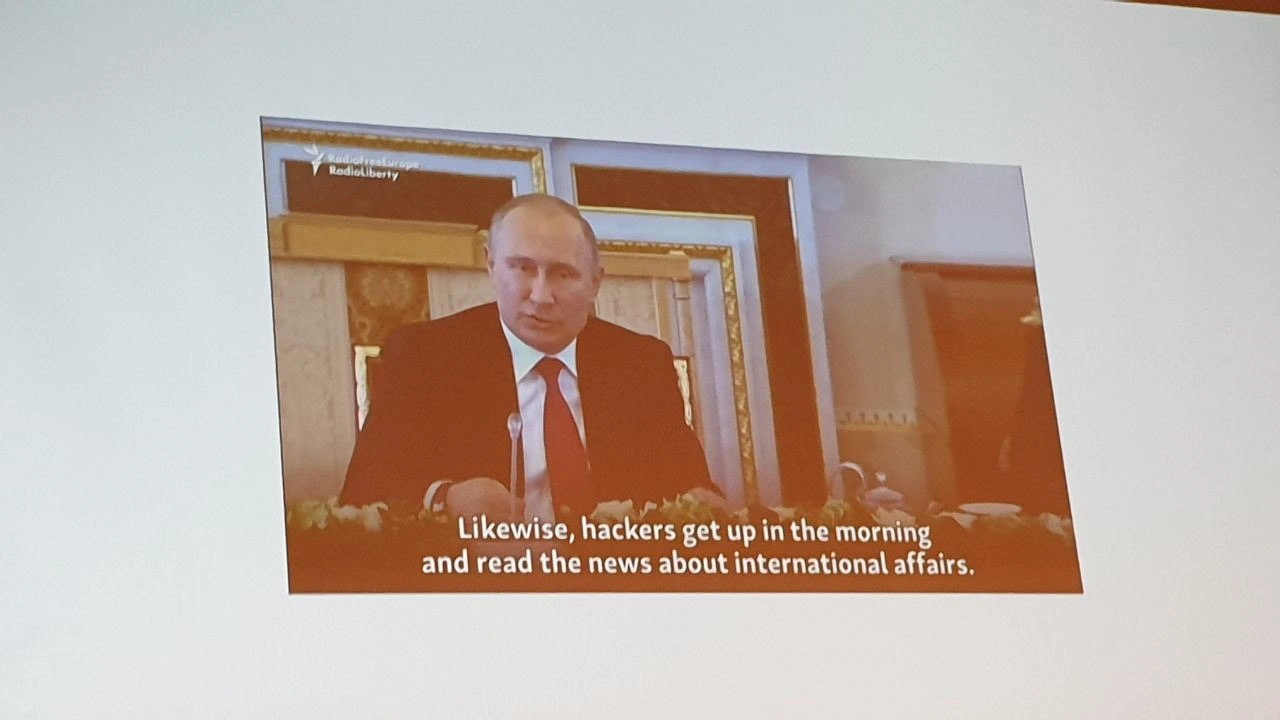
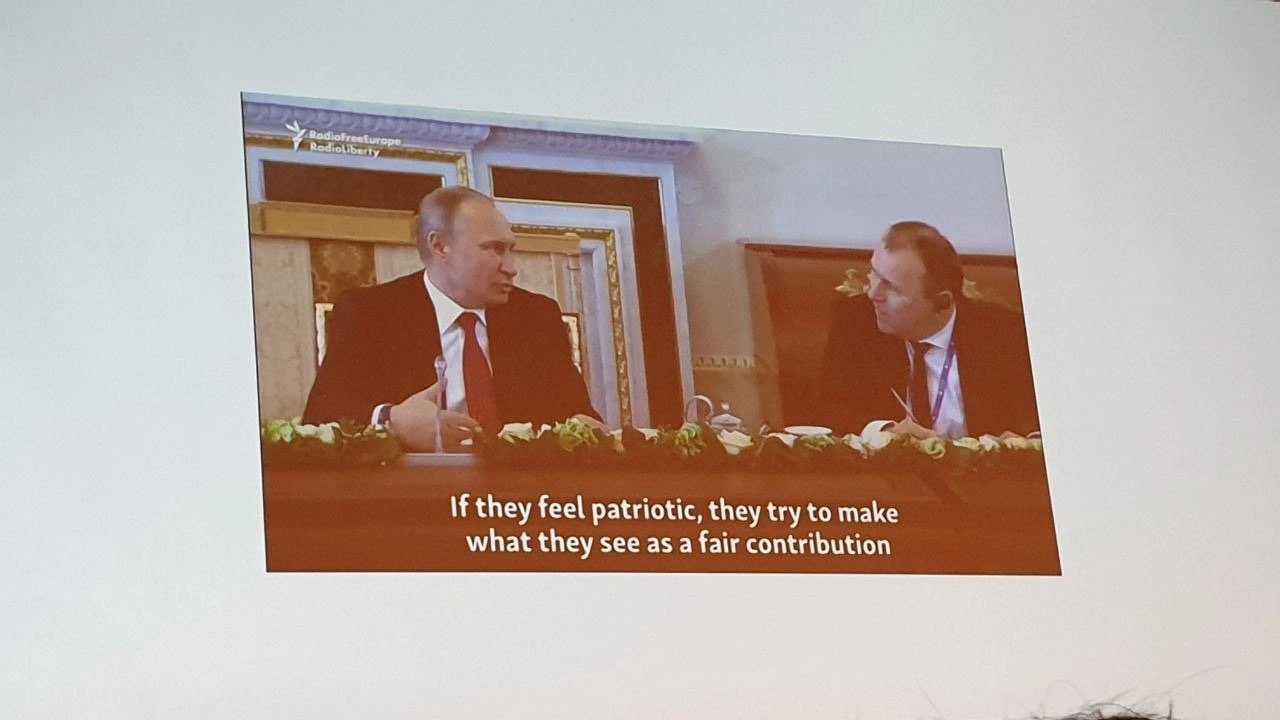
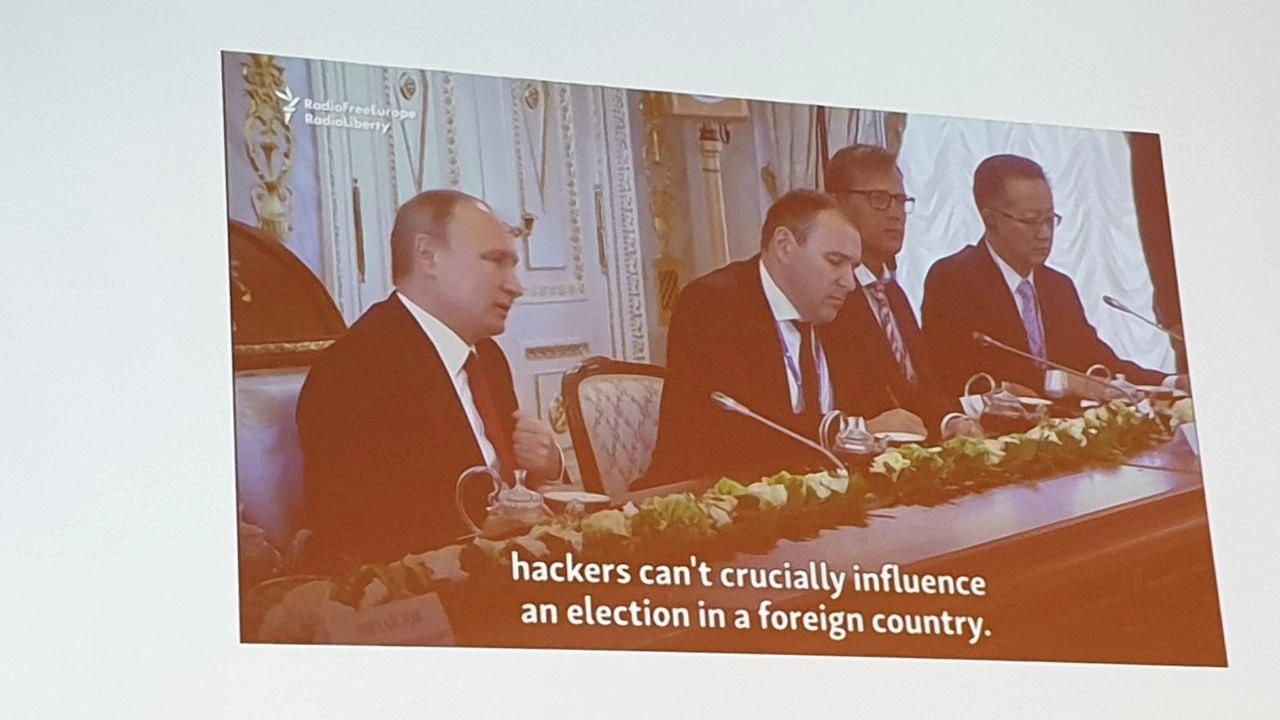
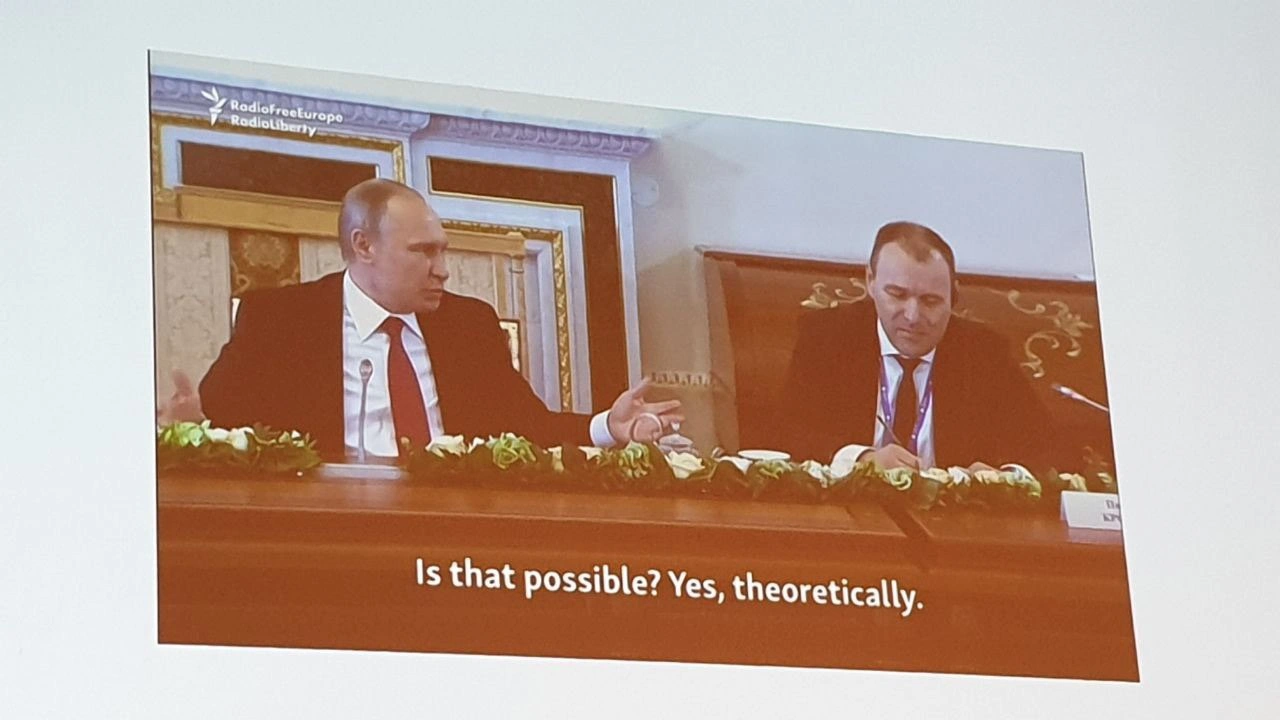
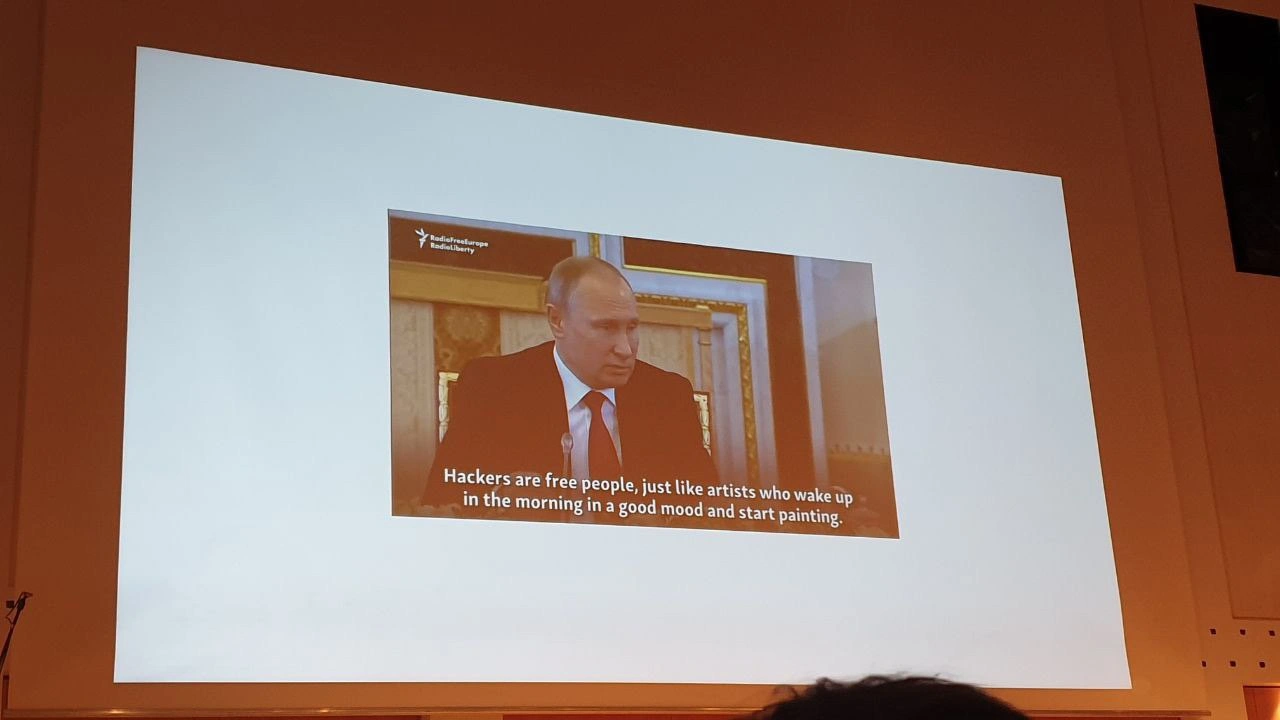
In the image, two suited officials at a formal table (faces blurred like innocent or guilty parties) mirror the corporate formality of such meetings. The big boss asks solemnly, “Is that possible?” The engineer (with an expression of resigned calm) responds, “Yes, theoretically.” The ornate setting and serious tone parody how these absurd requests are treated with straight faces in meetings. It’s essentially a political_press_conference_meme for the tech world — the developer is the official trying not to cause alarm, giving a technically true but practically meaningless answer under pressure.
This resonates strongly with senior engineers because it mocks the ScopeCreep and deadline_impossibility_acknowledgement they know too well. By this point in your career, you’ve survived enough futile death-march crunches to recognize that “impossible this sprint” really means “multi-month project or a hacked-together nightmare.” Yet management or clients often assume that if something is theoretically doable, then of course it can be done immediately. The ManagementHumor here is dark: it’s poking fun at how managers or PMs sometimes treat the development process like ordering fast food – “Oh, just add this feature with extra cheese by Friday, you can do that, right?”
Let’s decode the subtext in plainer terms. When an engineer concedes “Yes, theoretically”, it’s a way to placate the stakeholder without outright lying. It’s truthy-but-not-fully-true, a nuance that veteran devs have mastered to survive corporate culture:
- Stakeholder’s assumption: “They said yes! It will be done by Friday.”
- Developer’s reality: “We said yes only in the parallel universe where we have infinite resources.”
In fact, the phrase often precedes a big fat “but…” that never gets spoken aloud in the meeting. Everyone on the dev side knows the missing second half of the sentence is something like, “…but we’d have to pull the whole team into overtime, skip all testing, and pray nothing breaks.” It’s a Stakeholder vs. Reality showdown.
The humor also lies in the DeveloperFrustration barely concealed under corporate politeness. The developer is effectively doing an impression of Scotty from Star Trek: “I’m givin’ her all she’s got, Captain!” – except here Scotty is in a suit, in a boardroom, subtly warning that the Enterprise will blow apart if they push any harder. 😅 The stakeholder, however, hears only the “Yes” and not the “theoretical” caveat.
This situation is extremely relatable:
- Real-world scenario: A client demands a complex new integration days before launch. The PM looks at you; you force a strained smile and utter, “We-ell... it’s possible, in theory.”
- What happens next: Either you end up attempting the herculean task (and likely introduce a dozen bugs into production 😭), or the stakeholder later gets the detailed explanation of why “theoretical” didn’t translate to “done.”
- Shared PTSD: Developers laugh at this meme because it’s a coping mechanism. We’ve all been in that hot seat, effectively being asked to perform magic. The laugh is half “haha” and half a knowing groan.
There’s also a nod to CorporateCulture here: often there’s an unwritten rule that you must never flat-out say “No” to stakeholders. Companies preach “We’re agile, we respond to change!” – but there’s a theoretical_vs_practical limit to agility. In theory (Agile theory, indeed), a sprint is adjustable, scope can change if priorities shift. In practice, continuously cramming new features last-minute leads to burnout and broken software. The meme captures that absurd gap between the sunny agile ideal and the grim reality of ScopeCreep.
No senior dev is truly shocked by this anymore – perhaps a bit jaded, yes, but not shocked. We’ve learned to treat the word “impossible” as a challenge that some exec will inevitably ignore. As a result, we polish our feature_request_response skills to handle these situations gracefully. The image’s subtitle “Is that possible? Yes, theoretically.” is basically the dev’s way of saying: “We want to keep our jobs, so we won’t tell you flat-out ‘no’, but anyone who’s touched the code knows this ask is borderline science fiction given our timeline.” It’s a subtle art of saying “no” without saying no.
In summary, at the senior level, this meme is a wry nod to the times we’ve been pressed into agreeing to the nearly impossible. It humorously encapsulates the RequirementsVsReality conflict: everything is possible in a vacuum, but in real life projects, you have to contend with existing architecture, limited time, and physics (or at least CPU clocks and human biology - devs do need sleep!). The laughter it prompts is one of recognition: “Ha, I’ve given that exact answer in a meeting with a straight face while dying a little inside.” The meme manages to be both absurd and 100% true, which is the hallmark of the best developer humor.
Description
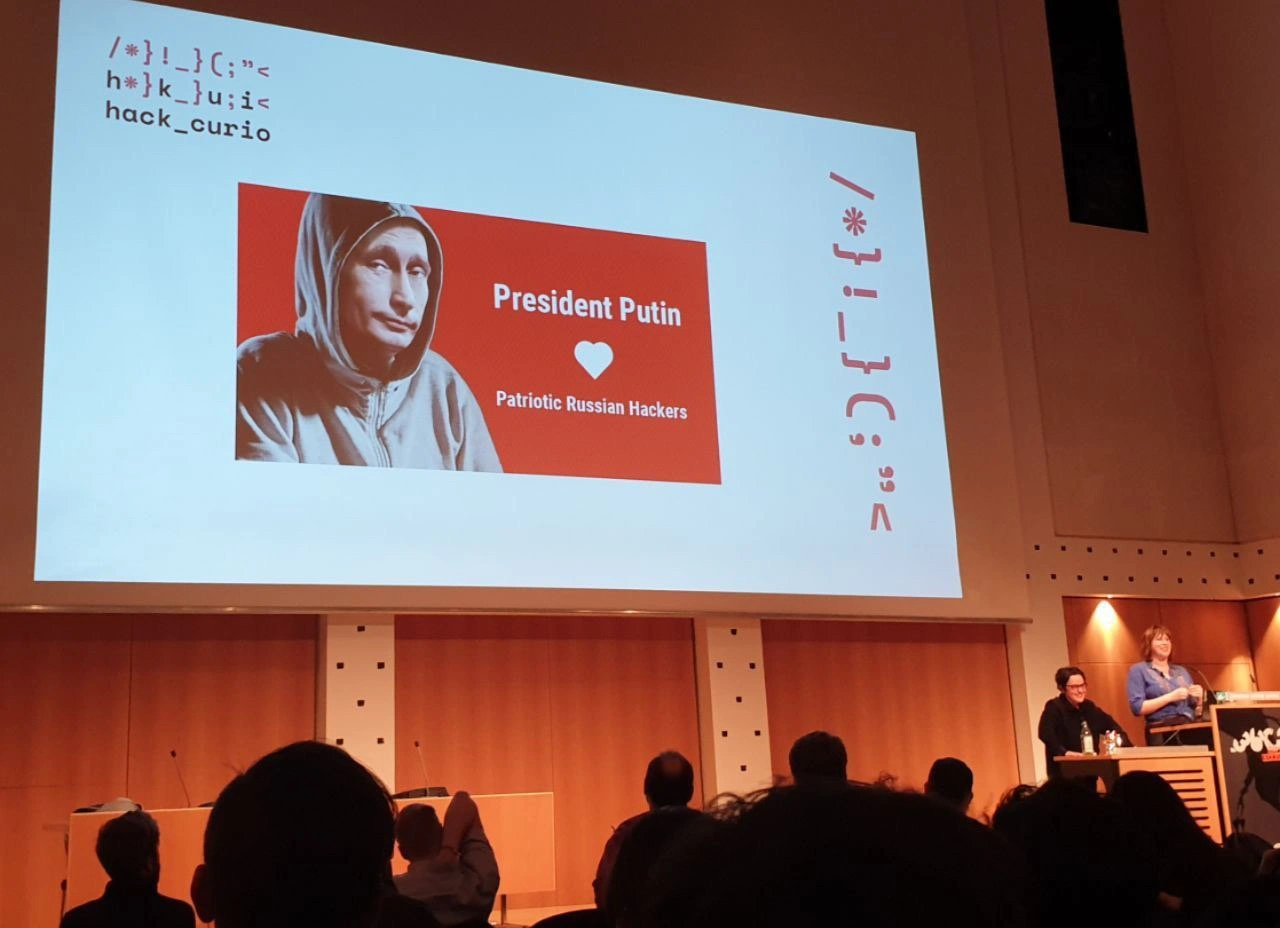
A screenshot from a news video, featuring Russian President Vladimir Putin at a formal meeting table, gesturing with his hand while speaking to a colleague. The setting is ornate with gilded wall panels. The image is captured from a screen at a slight angle. Prominent English subtitles at the bottom read, 'Is that possible? Yes, theoretically.' The 'RadioFreeEurope RadioLiberty' logo is visible in the top-left corner. The humor lies in the application of a classic developer phrase to a geopolitical context. For senior engineers, 'Yes, theoretically' is the standard, cautious response to a product manager's ambitious feature request, perfectly encapsulating the vast gap between what is possible in a perfect world and what is practical to implement given time, budget, and system constraints
Comments
7Comment deleted
That's my response when asked if the CI/CD pipeline will work on the first try. Theoretically, yes. Practically, I've already blocked off my calendar for the next three hours to debug it
The PM heard “theoretically possible” and immediately booked the release party - meanwhile the architect quietly spun up a new Jira epic titled ‘Rewrite the Universe.’
"Yes, theoretically" - the senior engineer's way of saying "it's possible if we ignore security, scalability, maintainability, the laws of physics, our entire tech stack, and the fact that Dave from infrastructure will definitely quit if we try this."
Every senior engineer knows this moment: when the whiteboard algorithm works perfectly in O(log n) time, but production has legacy systems, compliance requirements, a database that can't handle the load, three different API versions to support, and the intern who wrote the original implementation left no documentation. Sure, it's theoretically possible - right after we refactor the monolith, migrate to microservices, get budget approval, and convince the team that 'it works on my machine' isn't a deployment strategy
In distributed-systems speak, “Yes, theoretically” means “after you pick a side of CAP to sacrifice, double the SRE headcount, and triple the budget.”
Architect’s translation of “Yes, theoretically”: with eventual consistency, cross‑region replication, zero‑downtime schema changes, unlimited budget - and a time machine - absolutely
Yes, theoretically - until the legacy monolith and CAP theorem remind us why we bill by the hour