Skip to content
DevMeme
837 of 7435
Putin on the Daily Habits of Hackers
Security Post #943, on Dec 29, 2019 in TG

Putin on the Daily Habits of Hackers

Why is this Security meme funny?

Level 1: Hackers Read Headlines

Imagine a cartoon villain sitting at breakfast with a cup of coffee, reading the newspaper to pick out a target for the day’s evil plan. This meme is saying real-life hackers do something similar. In simple terms, the “bad guys” wake up, grab their coffee, and check the news to decide what trouble to cause today. It’s a funny idea because we usually think of hackers as mysterious figures hiding in dark rooms, not as ordinary folks flipping through news headlines each morning. But the joke shows them almost like normal professionals with a routine – except their “job” is finding new ways to cause mischief based on what’s happening in the world. So the humor comes from that twist: even hackers have a morning news routine, just like everyone else, but they’re using the news as a menu for their next cyber prank.

Level 2: Coffee and CVEs

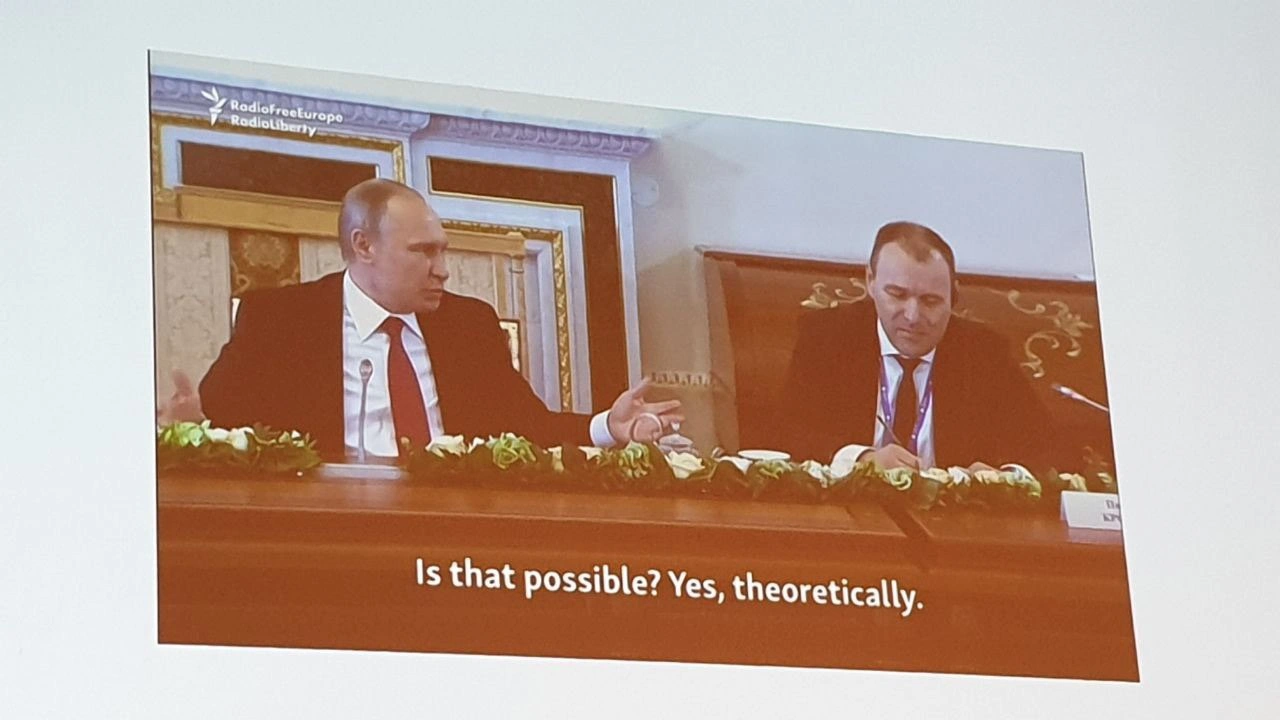
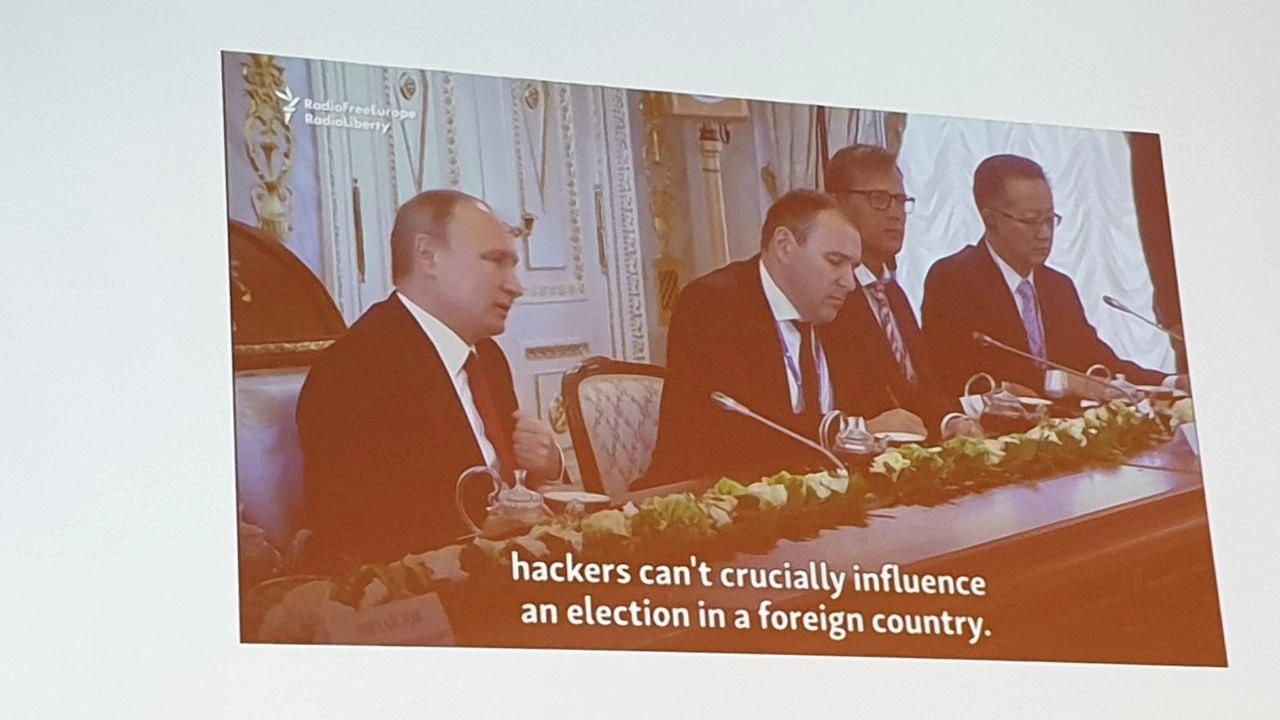
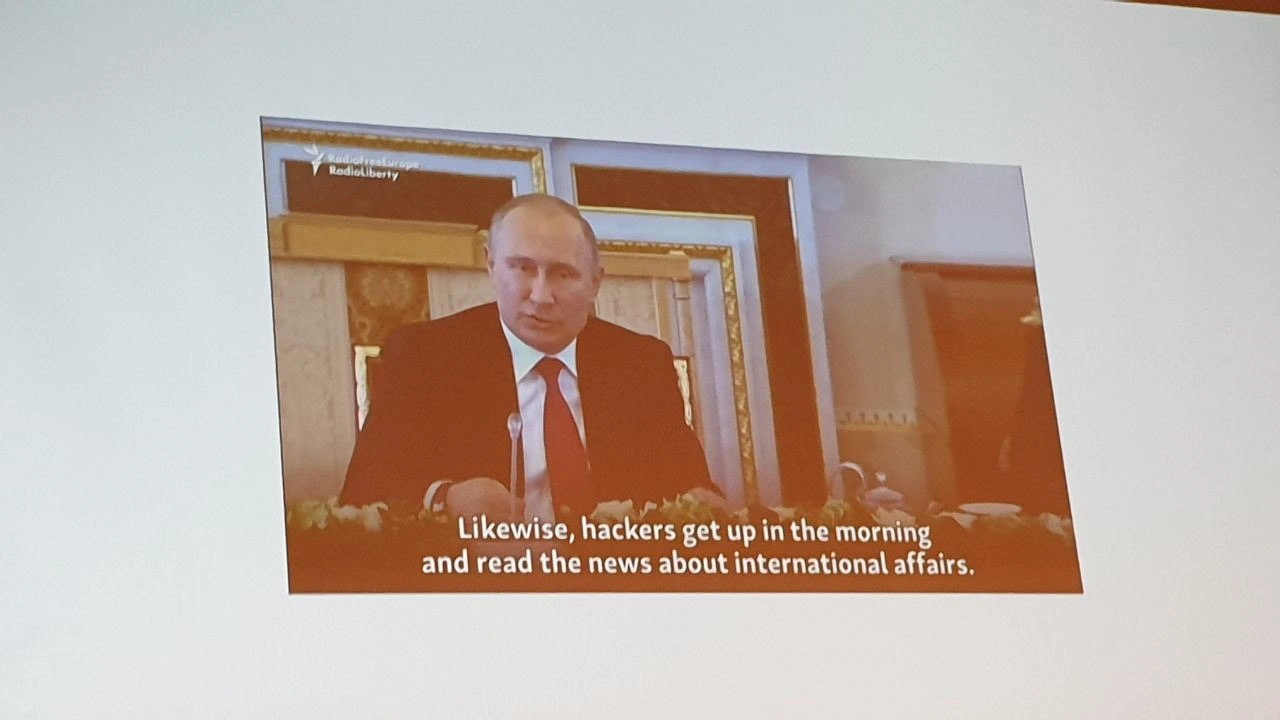
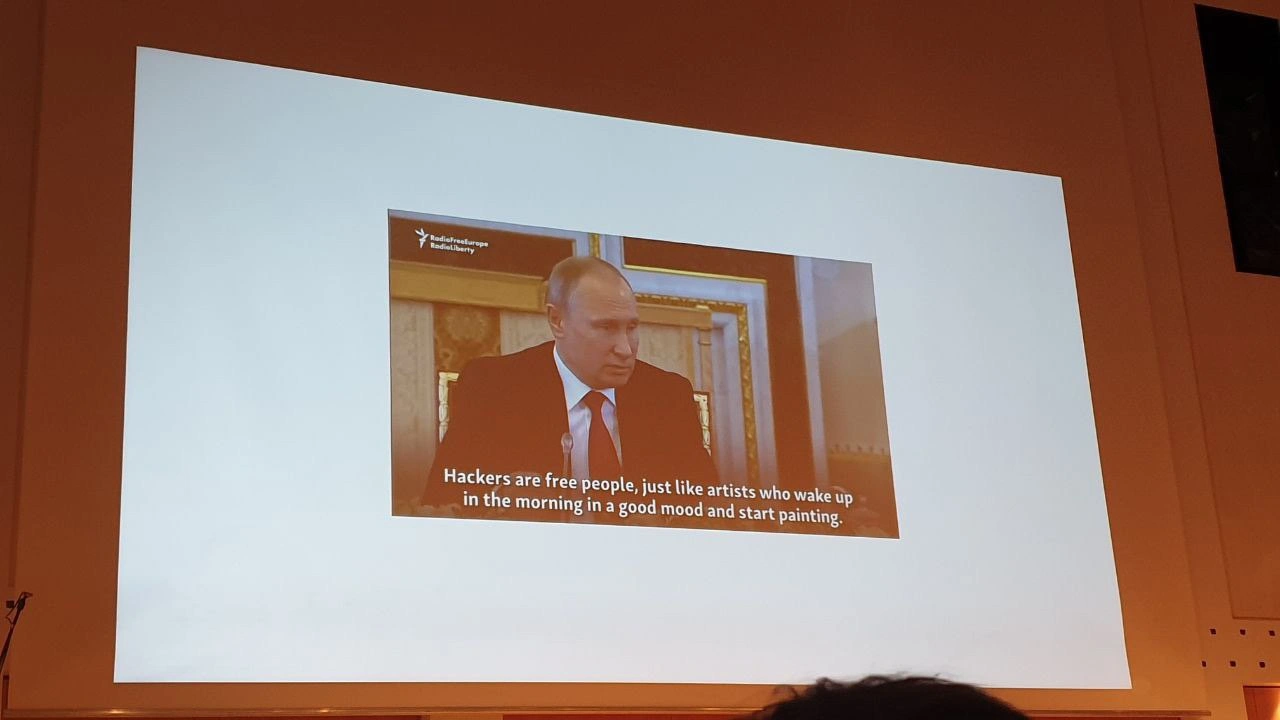
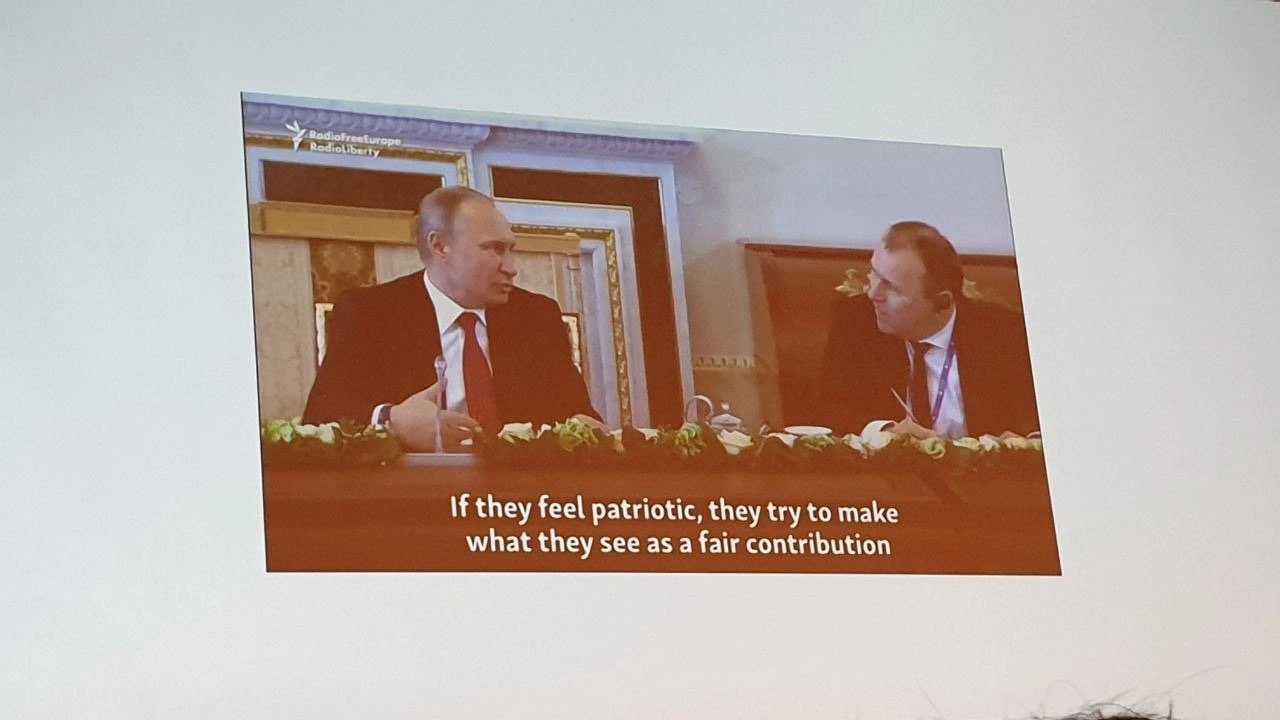
Let’s break down what’s going on here. The picture is actually a photo of a presentation slide from a security talk. On the slide, there’s a screenshot of a news video showing a well-known head-of-state (the man in the suit with a red tie looks a lot like Russia’s president) sitting at a grand desk. In the top corner, you see the label “RadioFreeEurope/RadioLiberty,” which is a news organization. And across the bottom of the image, there’s a caption that says:

“Likewise, hackers get up in the morning and read the news about international affairs.”

That line is the punchline of the meme. It’s comparing hackers’ habits to a world leader’s routine. Essentially, the slide (and the meme) joke that hackers start their day by checking international news headlines, just like political big-shots or intelligence agencies do. The title written above the image – “Morning threat-intel routine: coffee, headlines, fresh zero-days” – summarizes this idea. Threat intelligence (often shortened to threat intel) is the practice of gathering information about new cyber threats, like malware or software vulnerabilities, so you can prepare defenses. It’s common for security professionals to begin their day with a morning briefing of threat intel – often literally with a cup of coffee in hand. That could mean reading security news sites, checking Twitter for any new exploit rumors, or looking at an internal geopolitical risk feed (a stream of news focused on world events that might spark cyber attacks).

Now, what about “fresh zero-days”? A zero-day is a software bug or vulnerability that is unknown to the software maker and doesn’t have a fix yet. “Zero-day” means the good guys have had zero days to fix it – but the bad guys might already be exploiting it. So a “fresh zero-day” is like saying brand-new vulnerability, the kind hackers love to learn about early. The meme implies hackers are scanning the news not just for political events but also for any mention of new vulnerabilities or CVE announcements. CVE stands for Common Vulnerabilities and Exposures, which is basically an ID system for known bugs (for example, CVE-2019-12345 might refer to a specific security flaw). Security teams and attackers alike follow CVE listings closely. When a new CVE is published – especially a critical one affecting widely used software – it’s a big deal. Defenders rush to patch it, and attackers rush to weaponize it before systems get updated. The phrase “coffee and CVEs” captures the daily grind of reading up on the latest vuln (vulnerability) reports first thing in the morning.

This meme falls under Security humor because it highlights how cyber defenders and attackers are locked in a 24/7 information race. It also taps into hacker culture: the image jokes that hackers behave almost like professionals with a day job, keeping up with world news to decide their strategy. The reference to “international affairs” suggests that these aren’t just any hackers, but those involved in big nation-state operations – meaning cyber attacks backed or orchestrated by governments. For example, if there’s high tension between countries or a major political event, a state-sponsored hacker group might launch a targeted attack related to that event. Security awareness training often reminds people that global events (like elections, conflicts, or even a pandemic) can lead to themed phishing attacks or new threats. This slide-turned-meme is basically a witty way to say “Real-life events drive hacker activities, so we need to pay attention.”

Finally, note that this is a slide deck meme – it originated from someone snapping a photo of a conference or internal talk slide because it was both informative and funny. In the tech and security community, we love sharing these little gems. It’s educational (reminding us that hackers do their homework on current events) and a bit cheeky. If you’re a junior developer or new to InfoSec, the key takeaway is: security isn’t just about code and computers in isolation. It’s connected to the real world. Even hackers have a morning routine of reading the news, and so should defenders! Knowing what’s happening out there – from headline news to the latest disclosed bug – helps you anticipate what cyber mischief might be brewing.

Level 3: Caffeinated Reconnaissance

In the world of threat intelligence, mornings aren’t just for coffee – they’re for scanning world headlines and new exploits. This meme nails a truth that veteran security engineers know all too well: advanced hackers (especially nation-state actors) treat the news like their daily briefing. The slide’s subtitle “Likewise, hackers get up in the morning and read the news about international affairs.” draws a direct parallel between a head-of-state poring over intelligence reports and an APT hacker sipping espresso while scanning a geopolitical risk feed. It’s funny because it’s true: major cyber threats often map to global events. When international tensions rise or sanctions hit, nation-state ops tend to spike – and if you’re on a security team, you’re bracing for a busy day. Seasoned analysts actually have a morning briefing routine not unlike this meme’s scenario: skimming news for any political development that might cue up the next wave of phishing emails or the latest state-sponsored campaign. The meme’s title, “coffee, headlines, fresh zero-days,” is a nod to that routine. “Fresh zero-days” are like hot pastries for hackers – newly discovered software vulnerabilities with no patches yet, devoured with glee before defenders even know they exist.

The image itself appears to be a tongue-in-cheek conference slide (you can spot the plain white slide deck background). The blurred figure behind the lavish desk is strongly resembling a certain world leader in a suit and red tie – it looks like Vladimir Putin – which is a deliberate nod to nation-state hacking. The RadioFreeEurope/RadioLiberty logo in the corner cements the geopolitical vibe, hinting at a news broadcast context. Seeing that in a security talk slide is ironic gold. It implies a “state of the hack” address: even global superpowers (or their hackers) wake up to a daily diet of news and vulnerabilities. This resonates with experienced devs and security pros because it captures how deeply entwined hacker culture is with current events. In practice, many security teams subscribe to threat intel newsletters and vulnerability feeds (think coffee and CVEs every morning). If a new critical CVE drops or a big political headline hits, the Security slack channel lights up. It’s practically an office meme that “at least hackers read the news” – a sardonic way to say you can’t protect systems in a vacuum. The humor has an edge of shared anxiety: we laugh, but we also know we’ll be scrambling to patch those “fresh zero-days” before our second cup. This slide-turned-meme expertly pokes fun at that reality, wrapping a bit of security awareness messaging in dark humor. It’s the infosec equivalent of saying “know thy enemy” – and apparently, thy enemy reads the morning paper just like you.

Description

A screenshot from a video broadcast, likely from a news report, featuring Russian President Vladimir Putin. He is shown from the chest up, wearing a dark suit and a red tie, speaking at what appears to be a formal meeting or press conference. The setting includes ornate, gilded wall panels behind him. Subtitles in English are overlaid at the bottom of the image, reading: 'Likewise, hackers get up in the morning and read the news about international affairs.' In the upper left corner of the video frame, the logo for 'RadioFreeEurope RadioLiberty' is visible. The meme's humor stems from the absurdly mundane and civic-minded portrayal of hackers by a world leader, contrasting sharply with the clandestine and often disruptive stereotype associated with them. For developers, this highlights the frequent and comical oversimplification of complex technical roles and cultures by politicians and the media
Comments

7
Anonymous ★ Top Pick Sure, hackers read the news in the morning. How else would they know if the government they just breached has publicly disclosed the vulnerability yet?
  1. Anonymous ★ Top Pick

    Sure, hackers read the news in the morning. How else would they know if the government they just breached has publicly disclosed the vulnerability yet?

  2. Anonymous

    If your SOC’s morning stand-up doesn’t reference at least three headlines and one unpatched kernel exploit, are you even practicing agile threat modeling?

  3. Anonymous

    The only difference between threat intelligence and doomscrolling is whether you're getting paid to correlate anxiety-inducing geopolitical events with your infrastructure's attack surface

  4. Anonymous

    Ah yes, the classic APT morning standup: coffee, threat intelligence feeds, and a quick scan of geopolitical tensions to prioritize today's zero-day deployment targets. Nothing says 'sophisticated threat actor' quite like starting your day the same way a diplomat does - except your morning briefing includes CVE databases instead of cable news, and your 'international affairs' involve exploiting unpatched Exchange servers across multiple time zones

  5. Anonymous

    Nation-state APTs start with geopolitics while we start with Jira - then spend lunch turning Reuters RSS into MISP indicators and a blocklist PR that breaks half the CDN

  6. Anonymous

    Adversaries ship on headline-driven development - their CI triggers on the newswire, ours on git push

  7. Anonymous

    Hackers' morning standup: Coffee, commits, then news - because the next supply chain compromise hits headlines before your SIEM

Use J and K for navigation