Skip to content
DevMeme
835 of 7435
A Leader's Affection for Patriotic Hackers
Security Post #948, on Dec 29, 2019 in TG

A Leader's Affection for Patriotic Hackers

Why is this Security meme funny?

Level 1: Awkward Show & Tell

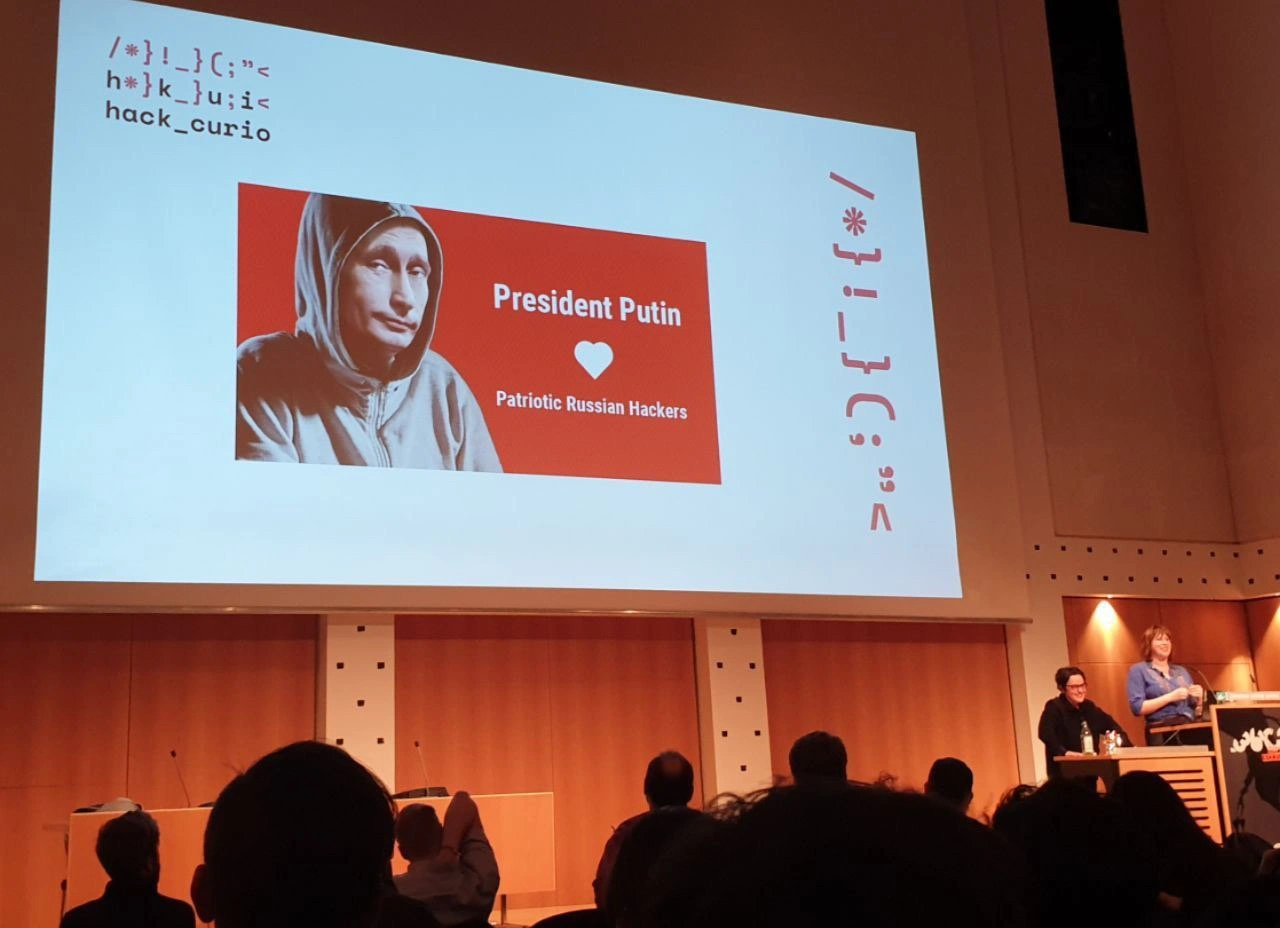
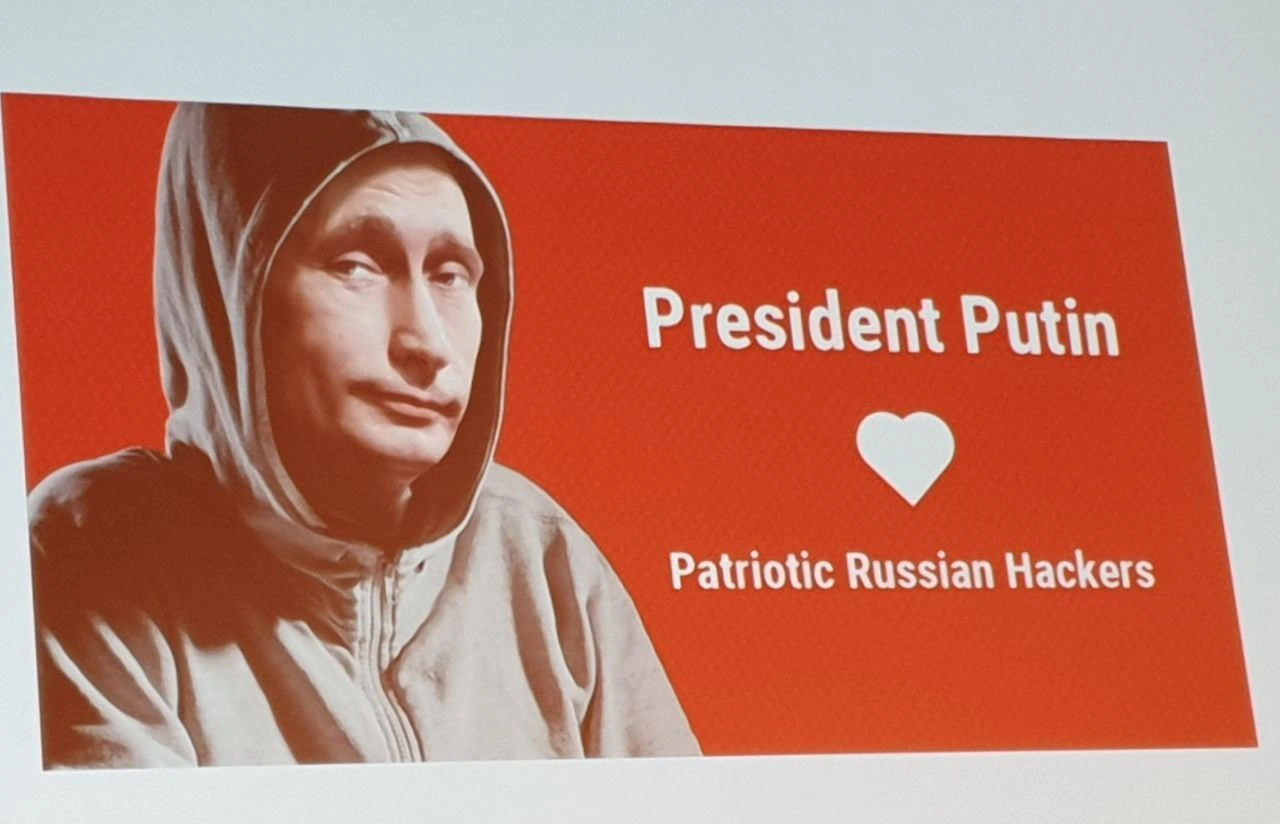
Imagine you’re in class and someone is doing show-and-tell about a big school problem. There’s a really bad kid group in school causing trouble (they’re like the “hackers”). And the principal (kind of like the country’s leader) secretly likes that this group causes trouble for rival schools. Now the funny part: the student’s presentation slide shows a picture of the principal dressed like a sneaky character in a hoodie, with a big heart symbol next to the troublemaker group’s name. It’s like saying the principal “loves” the bad kids! It feels super awkward because it’s a very serious situation shown in a silly, friendly way – more like a Valentine’s card than a serious talk. We laugh because mixing something serious with a cartoony heart and costume is so out of place. It’s as if a crisis got turned into a goofy advertisement by mistake. The humor comes from that “this is so wrong it’s funny” feeling, just like a goofy show-and-tell where a kid unintentionally makes everyone laugh while discussing a serious topic.

Level 2: Hoodie Hacker Trope

Let’s break this down. In cybersecurity memes and media, hackers are often depicted wearing hooded sweatshirts, lurking in the dark – that’s the hoodie hacker trope. It’s a visual cliché in hacker culture to represent anonymity and menace. Here, that trope is applied to none other than Vladimir Putin, the President of Russia, implying he’s the ultimate “hacker-in-chief” patron. The slide’s text pairs his name with a white heart symbol (“♥”) and the phrase “Patriotic Russian Hackers,” stylized like a slogan. This is referencing how Russian cyber ops (operations) are often described. An Advanced Persistent Threat (APT) is a term for a stealthy and continuous computer hacking effort, typically by a group backed by a nation-state. So “patriotic Russian hackers” hints at those Russian APT groups believed to be working in Russia’s national interest (sometimes unofficially encouraged – hence patriotic). The meme jokes that Russia’s leader “loves” these hackers, playing on the idea that some governments tacitly support or applaud their homegrown hacking groups. In reality, state_sponsored_hacking groups like APT28 (also known as Fancy Bear) or APT29 (Cozy Bear) are identified by cybersecurity experts as tied to Russian intelligence agencies. The slide’s format mimics a corporate roadmap presentation – maybe a security product pitch linking their new features to defending against Russian hackers. But instead of a serious diagram or threat report, it looks like a quirky ad: bright red background (nationalistic vibe, or maybe just to grab attention), big bold text, and even a heart icon like it's an ad campaign (“I ♥ NY” style). It’s like someone tried to package a dire cyber threat as a tongue-in-cheek promo. If you’re a junior dev or new to infosec, picture a roadmap slide: it’s usually where a company outlines upcoming features or goals. Now imagine on that slide they put the face of a political leader in a hacker hoodie, implying their plan is somehow connected to that leader’s hacker army – it’s bizarre and funny. This contrast between serious content (nation-state hackers meddling with global security) and playful presentation (hearts and hoodies) is what gives the meme its ironic kick. It also subtly pokes fun at industry trends where every security talk has to mention the latest hot APT group to seem relevant, sometimes stretching logic to connect to your product. In short, the meme is highlighting an awkward attempt to blend geopolitical seriousness with a catchy, almost propaganda-like slide – a true apt_propaganda moment that provokes both laughter and secondhand embarrassment.

Level 3: Nation-State Branding

In the security world, it’s equal parts amusing and cringeworthy when serious state-sponsored hacking gets dressed up like a marketing campaign. This slide shows President Putin in a classic hoodie hacker trope — the stereotypical grayscale hooded figure — complete with a bright corporate-red background and even a big white heart icon. It’s as if a nation-state Advanced Persistent Threat (APT) has been given a cheery startup logo. For senior security engineers, this mashup of geopolitical infosec and slick slide design screams “industry hype”. It lampoons how cyber threat discussions (like Russian APT groups meddling in elections or infrastructure) can be reduced to cheesy conference visuals. The text “President Putin ♥ Patriotic Russian Hackers” satirically frames Russian state-aligned hackers as if they’re a beloved brand or fan club. This wry humor targets the absurdity of linking a company’s roadmap or product strategy to nation-state espionage in a glossy presentation. It’s a slide deck misfire that likely started with someone saying, “Let’s tie our security product to the big bad Russians to grab attention,” but it ended up looking like Putin is literally sending ❤️ to his favorite hacker squad. Seasoned folks recall countless talks where vendors name-drop APT28 or “Fancy Bear” (a notorious Russian hacking unit) to spice up their pitch. Here that practice is exaggerated: imagine a PowerPoint in which a state_sponsored_hacking operation gets its own cute marketing slide. The humor lands because it’s painfully real — we’ve all seen fear-driven sales tactics using nation-state hackers as boogeymen, but wrapping it in a cutesy heart graphic takes it to peak awkwardness. This meme deftly points out that blending cybersecurity seriousness with industrytrends_hype can go terribly wrong (and meme-level funny) when the tone misses the mark.

Description

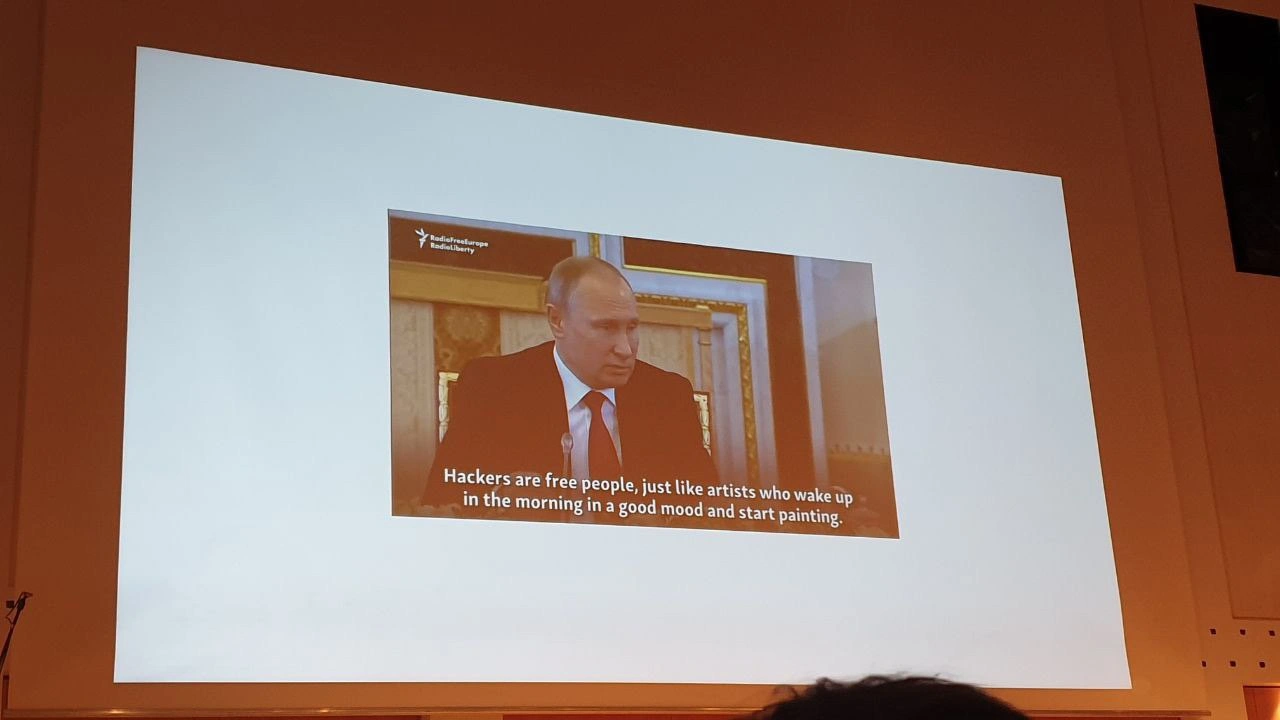
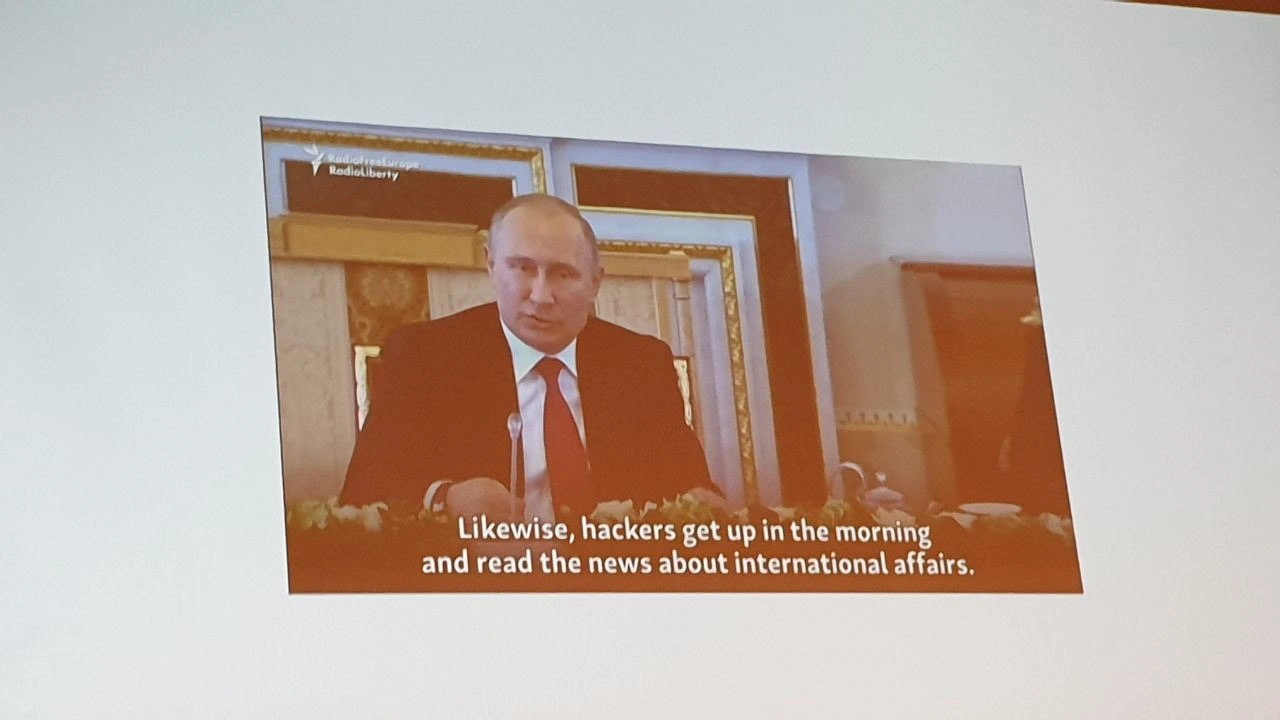
A close-up shot of a presentation slide, displayed on a screen at a slight angle. The slide has a solid red background. On the left, there is a black-and-white, slightly stylized photo of Russian President Vladimir Putin wearing a grey hoodie, looking at the viewer with a knowing smirk. To the right of the image, the text 'President Putin' is written in a bold, white sans-serif font. Below this, a white heart emoji is centered, followed by the phrase 'Patriotic Russian Hackers'. The image humorously and satirically frames the relationship between the Russian state and certain hacking groups as a loving endorsement, using the informal, almost fan-like visual language of social media. For senior developers and cybersecurity professionals, this is a darkly comedic take on the concept of state-sponsored cyber warfare, highlighting the absurdity of political euphemisms used to describe these advanced persistent threats (APTs)
Comments

7
Anonymous ★ Top Pick I see their relationship status is 'It's complicated.' He provides the infrastructure and plausible deniability, they provide the zero-day exploits. A classic DevOps love story
  1. Anonymous ★ Top Pick

    I see their relationship status is 'It's complicated.' He provides the infrastructure and plausible deniability, they provide the zero-day exploits. A classic DevOps love story

  2. Anonymous

    Apparently even nation-state actors follow REST conventions: the client asks for ‘influence’, the server responds 200 OK - then silently pushes payload.tar.gz

  3. Anonymous

    It's like microservices architecture: officially decoupled for plausible deniability, but somehow they all share the same authentication service and mysteriously coordinate during deployments

  4. Anonymous

    When your threat intelligence report reads 'sophisticated APT with state-level resources' but the attribution section just says 'patriotic citizens acting independently' - because nothing says 'lone wolf' quite like coordinated campaigns using zero-days against critical infrastructure with operational security that would make most Fortune 500s jealous

  5. Anonymous

    In the tabletop, once leadership labels it “patriotic hackers,” a leaked AWS key graduates to APT status and becomes a board deck line item instead of an IAM ticket

  6. Anonymous

    Presidential hoodie: Standard issue for supply chain compromises that bypass your SBOM

  7. Anonymous

    That heart is just domain fronting to a C2; cute on the slide, less cute when Okta, GitHub, and Slack all page you at 03:00

Use J and K for navigation