
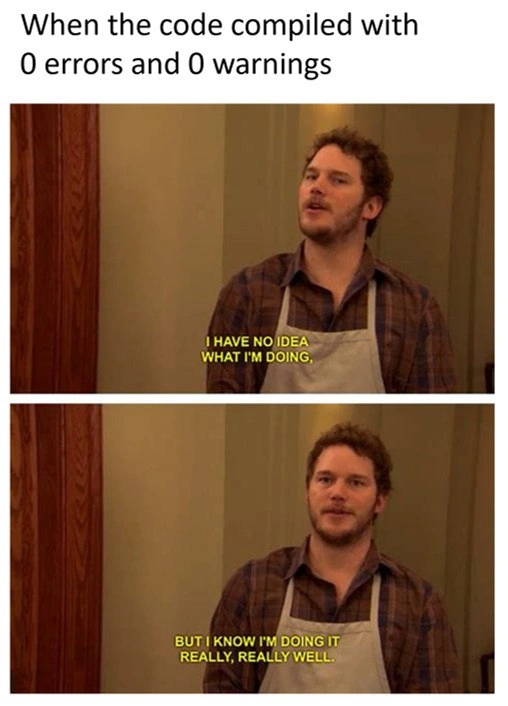
Clean Compile, Utter Confusion
Description
A three-panel meme. The top panel has text that reads, 'When the code compiled with 0 errors and 0 warnings'. The middle and bottom panels are screenshots of the character Andy Dwyer (played by Chris Pratt) from the TV show 'Parks and Recreation'. In the middle panel, he says, 'I HAVE NO IDEA WHAT I'M DOING,'. In the bottom panel, he continues, 'BUT I KNOW I'M DOING IT REALLY, REALLY WELL.' This meme captures the paradoxical feeling of success and suspicion that developers, especially those working with complex compiled languages, sometimes experience. A perfectly clean compile on the first try can be so rare that it feels like something must be wrong. It humorously portrays the imposter syndrome and the blind faith required when a complex system works without any obvious hitches, leaving the developer both proud and deeply unsettled, wondering what horrors might be lurking at runtime
Comments
7Comment deleted
A clean compile with no warnings is the compiler's version of 'I'm not mad, I'm just disappointed.' The real errors are waiting for you in production at 3 AM
Compiler exits 0; great, the syntax is valid - now place your bets on which microservice will be first to discover the race condition we just promoted to prod
After 20 years in this industry, I've learned that code compiling perfectly on the first try just means the real bugs have achieved sentience and are hiding from the compiler
The most terrifying moment in any senior engineer's career isn't when the build fails with 500 errors - it's when a complex refactoring compiles cleanly on the first try. You know something's wrong, you just don't know what yet. Time to add `console.log('how did we get here')` and start the archaeological dig through your own code from 20 minutes ago
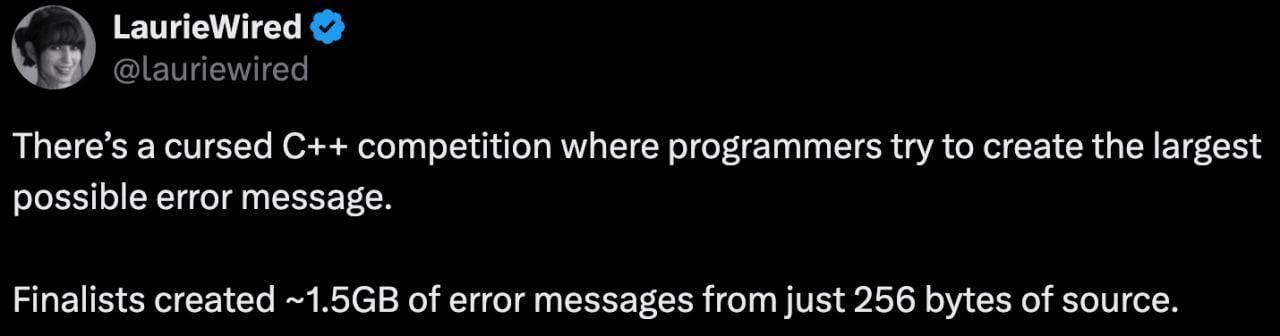
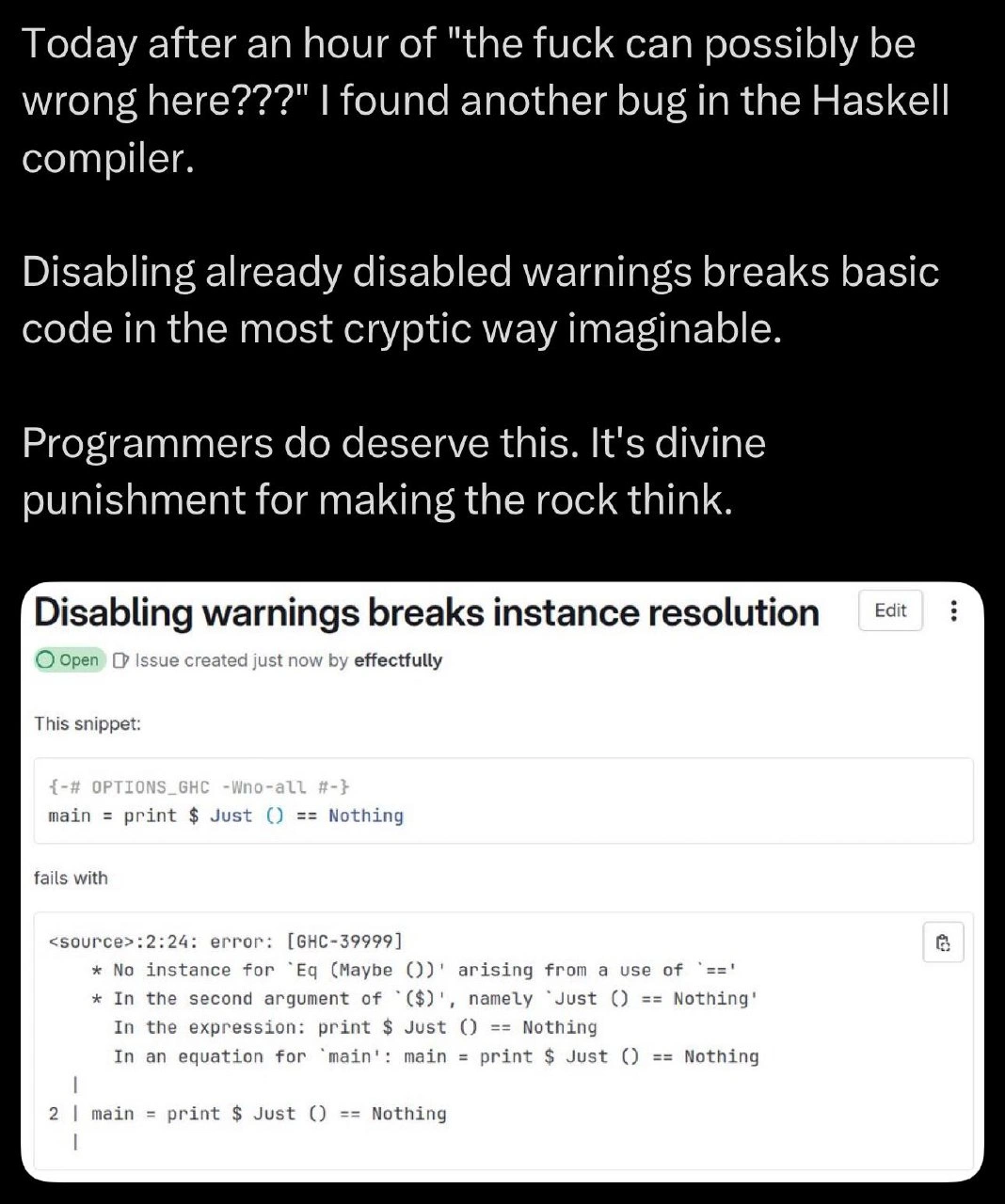
0 errors, 0 warnings - amazing what -Wno-everything and a stale CI cache can do; PagerDuty will handle the peer review
Compiler's clean bill of health: the ultimate gaslighting before runtime exposes your architectural sins
0 warnings means the types agreed; the invariants, SLOs, and the pager didn’t get a vote