The Promise of a New Feature vs. The Reality of Implementation
Why is this Management PMs meme funny?
Level 1: Gold Star from Teacher
Imagine you worked really hard on a school project, and you had to show it to your teacher before it could be put on the wall for everyone to see. First, you show your project, but the teacher says, “It’s good, but maybe fix these couple of things.” So you go back, make those fixes, and bring it again. This time, the teacher nods, gives you a big thumbs up, and maybe even a sticker or gold star for doing a good job. That feeling you get right then — proud, happy, relieved — is exactly what this meme is about.
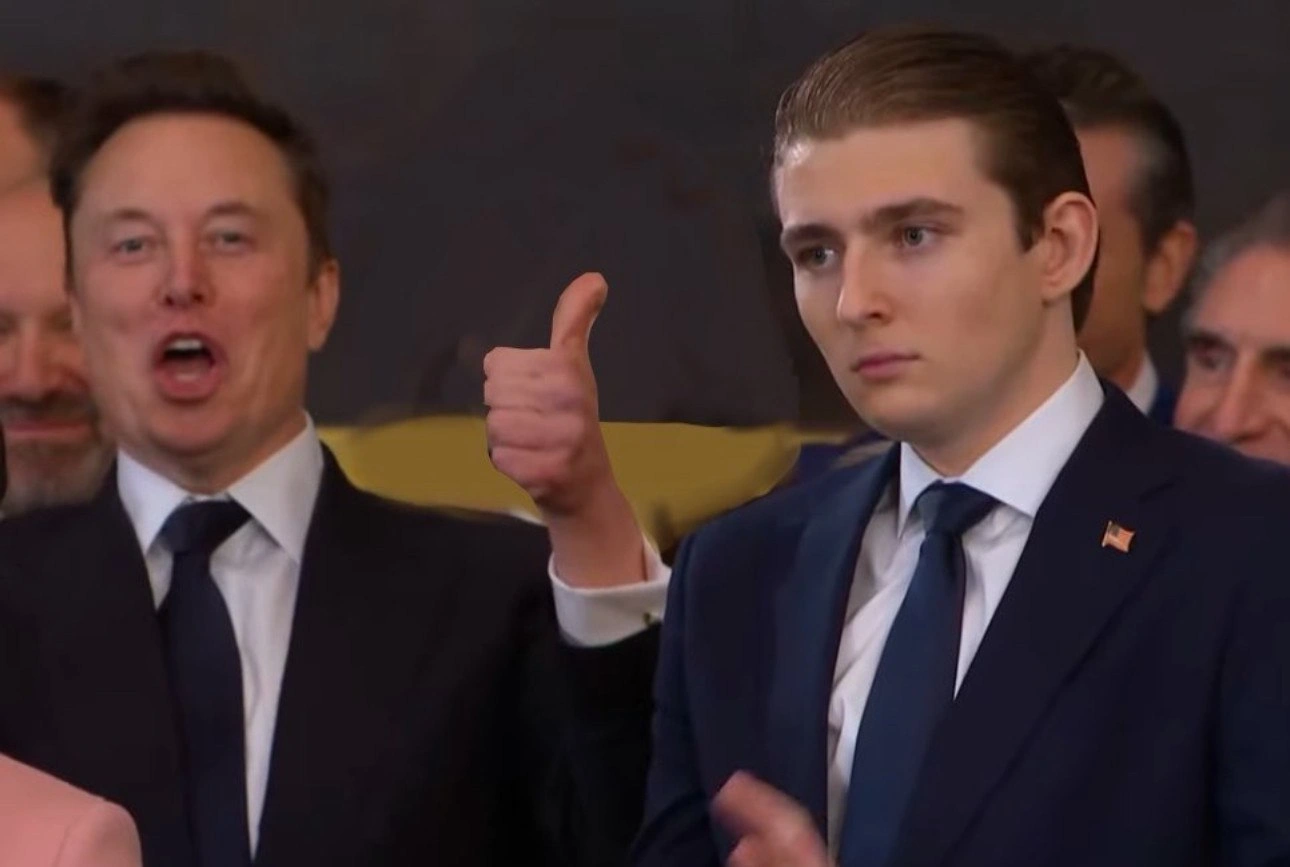
In the picture, a person in a suit is giving a thumbs-up like “Great job!” and the other person (also in a suit) is standing there like a student who finally got their work approved. It’s a funny way to show how a computer programmer feels when their older teammate or boss says “Yes, your work is correct, we can use it now.” Programmers have to check each other’s work (kind of like teachers checking homework). When the experienced programmer finally says “Looks good, let’s use it,” the younger programmer is super happy inside.
So, think of it like building a LEGO castle at home with your older sibling. You keep showing it to them and they keep pointing out, “Hmm, that tower is a bit wobbly, maybe fix it,” or “The door is on the wrong side, try again.” You fix all those little things. Then at last, your sibling smiles and gives a thumbs up, meaning “Awesome, you did it right!” You’d feel great, right? Maybe you even do a little victory dance inside. That’s what’s happening in this meme. It’s making a joke that getting that approval in coding feels as big as a formal award ceremony. It’s funny because, in reality, it’s just a small thumb emoji on a computer screen or a short “good job” message — but to the person who worked hard, it feels as rewarding as getting a trophy from the principal.
In simple terms: the meme shows someone finally getting approval for their work, and it feels like a big celebration. Even though it’s about software code, you can relate if you’ve ever waited for someone you respect to say “Yes, now it’s perfect.” It’s a happy moment, and the thumbs-up means “You’re all set, go ahead!” Just like getting a gold star from a teacher, it’s a proud moment worth smiling about.
Level 2: Code Review 101
Let’s step back and explain what’s going on here in simpler terms. This meme is all about a pull request (PR) in a software project finally getting approved by a senior team member. If you’re newer to development, here’s a quick primer on these ideas:
- Pull Request (PR): When developers using Git (a version control system) want to add or change code in a project, they create a pull request. This is basically a request to merge your changes from one branch (like a feature branch) into another (usually the main code branch). Think of it like saying, “Hey team, I have some new code. Can we pull it into our main project?” It’s a formal way of proposing code changes on platforms like GitHub or GitLab.
- Code Review: Once a PR is open, other developers review the code changes. This is the CodeReview process. They check if the code works, if it follows the team’s style guidelines, and if it might introduce any bugs. It’s called peer review because your peers (colleagues) are reviewing your work, similar to how authors have editors review their articles. The goal is to maintain quality and catch issues early. It’s a normal part of the DeveloperExperience_DX in most teams – even though waiting for feedback can be nerve-wracking.
- Senior Engineer’s Approval: In many teams, especially on important changes, you want a senior developer or tech lead to approve the PR. They often have more experience and can spot potential problems or suggest improvements. Their sign-off is like getting a teacher’s approval on an assignment. In the meme image, the thumbs_up_approval from the person on the left represents exactly that: the senior engineer giving the go-ahead. Developers often write “LGTM” in reviews, which stands for “Looks Good To Me.” It’s a quick way to say “I’ve reviewed this and I’m okay with it.” Some code review tools even have a little Approve button (sometimes informally nicknamed the ship_it_button if the team uses “Ship it!” to mean approve and merge). When you get that approval, you can usually merge your code change into the main branch.
- Merge Conflicts and Fixes: The meme description mentions “merge-conflict skirmishes.” A MergeConflict happens when your changes and someone else’s changes to the same file disagree — for example, you both edited the same line of code in different ways. If another colleague’s PR got merged before yours, and it touches similar code, you may have to reconcile those differences. That’s called resolving a merge conflict. It can be a little tricky; you have to manually edit the code to make both changes work together, and then update your PR. In our context, it’s one of the hurdles the developer had to overcome before finally getting the thumbs up.
- Nit-picks and Comments: During a code review, reviewers might leave comments. Some are major (like “This function is broken for empty input, please fix it”), but many are minor nit-picks. Nit-picks are small suggestions, often about code style or naming. For example, “Can you rename
xtouserCountfor clarity?” or “We usually put a space after commas – can you format that?” These things don’t necessarily break the code, but teams like consistency, so you’re asked to tidy them up. Each comment means you, the developer, will make some changes and push an update to your PR. It’s a bit like getting red pen marks on an essay draft; you address them and hand it back in.
Now, why is the meme funny from a junior dev perspective? Because it shows how formal and big a deal it can feel to get your code accepted. The image looks like a serious official event, but it’s being compared to something very common in tech work: a senior colleague saying “Alright, your code is good to go.” If you’re new in a team, getting that first PR merged is a significant moment. You might have gone back and forth with reviewers, learned new things (“Oh, I should add a comment in the code to explain that tricky part” or “We use camelCase for variable names, got it.”). By the time all the feedback is handled, the code is polished, and tests are passing, having the lead dev give a thumbs-up means you did it right. It genuinely feels like an achievement – if you’ve ever had a mentor or teacher finally approve something you worked hard on, you know the mix of relief and pride.
In the developer world, there’s a bit of humor around the term “LGTM culture.” This just refers to the habit of rubber-stamping a change with an LGTM comment. Some teams treat LGTM almost like slang or a meme in itself – they might even use funny GIFs or custom emojis in chat when something’s approved (like a thumbs up emoji, or the famous “LGTM” Shark meme image). It’s a lighthearted way to celebrate that a change is ready to ship. The ship_it_button tag mentioned is a nod to the idea of “shipping” code (deploying it to users). Often someone might say “Ship it!” once a PR is approved, meaning “let’s get this code out to production.”
So, putting it all together in plain terms: The meme is comparing the moment your code finally passes review and gets approved, to a big formal occasion with a VIP giving you public praise. It’s funny because getting a thumbs-up on a PR is usually a quiet, routine thing (maybe just a comment on GitHub), not something that happens on a stage with suits and cameras. But when you’re in the thick of it — especially if the code review was challenging — that small “LGTM” can feel as rewarding as applause. For a junior dev, it’s encouragement: your feature or fix is going live and the senior dev trusts it. And for everyone who’s been through it, it’s relatable: we’ve all waited for that one approval that made us go “phew, finally!”
Lastly, let’s touch on the caption provided: “One of them is promising a new feature one of them has to ship it.” This hints at a dynamic common in workplaces: sometimes a boss or lead enthusiastically promises a feature (“We’ll deliver X by next month, no problem!” – that’s the promise), and the developer (often more serious-looking) is the one who actually has to build and ship that feature under pressure. In the image, the cheerful thumbs-up guy represents the promise-maker, and the stoic young man is the one thinking “Alright, I guess I’m the one who will have to make this happen.” It’s a little side story that adds another layer of humor: many junior devs have felt that moment when a higher-up agrees to something ambitious and you realize you’re tasked with executing it. It’s all in good humor – both scenarios revolve around someone enthusiastically approving something and someone else doing the work to get it out the door.
In summary for Level 2: A pull request finally getting a senior engineer’s thumbs-up is a cause for celebration among developers. This meme uses a formal event photo as a funny metaphor for that feeling. It’s packing in terms like GitHub code reviews, LGTM, merge conflicts, and the idea of “shipping code” – all core parts of a developer’s daily life. By understanding those, you can see why the thumbs-up in the meme is such a triumphant moment: it means the code is good to merge, and the feature can go live. For a newer developer, it’s validation and relief all at once. And that’s why we smile or chuckle at this image – we’ve either been that person waiting for approval, or we can’t wait to be the one to finally get it.
Level 3: Code Review Coronation
At the highest level, this meme captures the almost ceremonial significance a code review approval can take on in a developer’s life. Here we have a formal scene with two men in suits — one enthusiastically giving a thumbs-up, the other stoically composed with a tiny flag pin. To seasoned developers, that single raised thumb is the ultimate LGTM ( “Looks Good To Me” ) from a senior engineer. It’s as if the act of merging a Pull Request requires an official endorsement in a grand ceremony. And honestly, sometimes it feels that way in real software teams.
This image humorously exaggerates the CodeReview process. The person on the left (with the big thumbs-up) is giving a triumphant “approved!” gesture, akin to a tech lead finally saying “Ship it!” after a long and grueling review. The person on the right, standing stiffly, represents the developer who wrote the code — patiently (or anxiously) awaiting that blessing. The formal attire and serious faces amplify the contrast: deploying a new feature becomes as momentous as a diplomatic event. In real life, getting a senior engineer’s approval on your PullRequest can indeed feel like receiving an award from a VIP. It’s the peer_review_success moment every coder knows: all tests are green, all merge conflicts resolved, and the senior dev’s cursor hovers over the merge button like a judge ready to drop a gavel.
Why is this funny to experienced devs? Because we’ve all been there: you open a PR for a new feature, and what ensues is basically a bureaucratic battle (with a dash of humor and trauma) before that blessed thumbs-up. The meme nails the shared experience of turning a seemingly simple merge into an epic quest for approval. Let’s break down the saga that this image is poking fun at:
- The Grand Opening: You submit the PR, full of hope. It’s on GitHub, you’ve followed the contrib guide, and you tag the senior for review. You might even imagine confetti 🎉 — but hold that thought.
- Automated Gauntlet: Immediately, Continuous Integration kicks in. Linting, unit tests, integration tests, coverage checks — all the automated checks parade through. Maybe a style linter flags a missing semicolon or the CI pipeline fails on an unrelated test. You fix those trivial issues, re-run the build. The lights on your PR finally turn green. Surely now it’s LGTM time? Not so fast.
- The Review Marathon: The senior engineer arrives with a keen eye (and maybe a red pen). They scrutinize your code like a formal inspection at a military parade. Comments start rolling in:
- “Nit: could we rename this variable to be more descriptive?” – A minor naming suggestion that sends you back to your IDE.
- “This function is doing a bit much, how about refactoring part of it?” – A well-meaning design suggestion that has you reshuffling code like furniture before a big event.
- “Can we add a test for this edge case?” – A perfectly valid ask, though you internally sigh because it means writing yet another test case.
Each comment is a nit-pick or requested change. None of them individually is huge, but together they keep you in revision loop. You oblige, because code review is an important peer review process after all. You push new commits, one after another, addressing feedback like a diligent participant in a code quality ritual.
- The Waiting (Twiddling Thumbs stage): Now you’ve done everything. You’ve replied with “Fixed in 3b21cde, thanks for the suggestion.” to each comment. The ball is back in the reviewer’s court. Sometimes this is the hardest part: waiting for busy senior engineers to take a second look. You see them active on Slack or in other PRs, but your PR might be tab #37 in their browser. Every developer knows the anxiety of a stagnant PR – your feature is done but officially in limbo until someone in authority says the magic words. It’s like waiting outside the principal’s office, except you’re checking GitHub notifications.
- Merge Conflict Calamity: The longer it sits, the higher the chance that the base branch (say,
mainordevelop) moves forward without you. Other PRs get merged and suddenly MergeConflicts appear on yours. “This branch has conflicts that must be resolved” – that dreadful GitHub message. Now you have to pull the latestmain, deal with overlapping code, and resolve conflicts in files you thought you were done with. It’s a skirmish indeed – carefully merging others’ changes with yours, hoping you don’t break anything in the process. You push a conflict resolution commit, and pray that the CI gods are still happy. - The Thumbs-Up Triumph: After surviving the gauntlet of feedback and conflict resolution, the senior engineer finally comes back. They scan the updates… no more objections. Then it happens – they comment “LGTM” or hit the official Approve button. This is the moment. That thumbs-up icon might as well be a trophy. In the meme image, this is depicted by the guy in the suit literally giving a thumbs-up as if announcing “This code passes muster!” It’s the climax where formality meets relief. In some teams there’s even a tradition – someone might post a Slack emoji of the famous ShipIt squirrel or a 🚀 rocket, signaling it’s time to deploy. The meme’s caption “one is promising a new feature, one has to ship it” fits perfectly here: the enthusiastic approver is effectively saying “yes, let’s deliver this feature,” and the stoic developer is the one who will now actually ship the code to production.
This comedic exaggeration resonates with senior developers because it highlights how something as routine as merging code can start to resemble a bureaucratic ceremony in corporate engineering culture. We laugh (perhaps a bit cynically) because we recognize the pattern: what should be a straightforward peer check often turns into a drawn-out process requiring multiple stages of approval (like a law passing through committees). There’s even an element of office politics at play sometimes – junior developers feel they need that senior’s thumbs-up approval to validate their work. The lgtm_culture this meme refers to is real: many teams literally respond to a good change with a quick “LGTM,” treating it as the informal green light. It’s a cultural touchstone in developer humor; entire threads of TechHumor are devoted to the relief of seeing “All checks passed” and an approving comment after a nerve-wracking review cycle.
From a broader perspective, code reviews and pull requests help maintain quality and share knowledge (a crucial part of DeveloperExperience_DX when done right). But this meme is tapping into how the process feels on the inside. The victory of getting a thumbs-up isn’t just about code quality – it’s about overcoming the entropy and obstacles of collaborative software development. The suits and formal atmosphere perfectly mirror the dramatization: after all the headaches with Git and the meticulous critique, receiving approval is like a knight being dubbed by a king, or a junior dev being officially welcomed into the codebase. The humor comes from recognizing that contrast – we’re just merging a few lines of code, yet it can feel as grand as an inauguration.
In summary, for the senior or seasoned folks, this meme lands because it’s a truth wrapped in jest. It exaggerates a common scenario to highlight both the absurdity and the validation high of finally merging your code. It’s funny because it’s true: behind that thumbs-up is a trail of CI logs, code review comments, tiny fixes, and maybe a bit of developer sweat. And when that’s all done, getting the “LGTM, go ahead and merge” is as satisfying as receiving a standing ovation at a formal event – or at least, it feels that way when you’ve been refreshing the PR page 100 times. The battle is over, the feature can ship, and you come out of it feeling like you just survived a mini bootcamp. Code review coronation complete – long live the code.
Description
This is a two-person reaction meme format featuring an enthusiastic Elon Musk and a stoic Barron Trump. On the left, Elon Musk is shown with an ecstatic expression, mouth open as if cheering, and giving a thumbs-up. On the right, Barron Trump appears serious, unimpressed, and somber, wearing a suit with a small American flag pin. The meme uses this stark visual contrast to represent two opposing roles in a common tech industry scenario. The provided caption, 'One of them is promising a new feature one of the has to ship it,' makes the context explicit. Musk represents the product manager, salesperson, or CEO who excitedly promises a new feature without fully grasping the technical complexity. Barron represents the senior engineer or developer who hears this promise and immediately understands the immense effort, potential roadblocks, and impending deadlines required to actually build and ship it. The humor lies in its relatability to anyone who has been on the engineering side of an over-enthusiastic announcement
Comments
31Comment deleted
One just sold a multi-year roadmap item based on a 30-second elevator pitch. The other is already calculating the exact amount of technical debt and sleepless nights required to ship a 'simple' proof-of-concept by the end of the sprint
PM on stage: “Real-time, cross-region, zero-downtime deploy next week - easy.” Senior engineer beside him: 👍 - the LGTM that really means “sure, once we finish refactoring the space-time continuum.”
That face when the CEO says 'we're pivoting to blockchain AI' for the third time this quarter, and you're still trying to get the monolith to compile without warnings from 2019
That moment when your PM enthusiastically commits to a two-week sprint for what you estimated as three months of work, and you're already mentally drafting the retrospective post-mortem explaining why 'unforeseen technical complexity' meant you only delivered the login button
Thumbs-up-driven deployment: say "Kubernetes, event-driven, zero trust" on a slide and it gets approved - meanwhile the migration plan is a spreadsheet named final_final3.xlsx
The CAB has been lossily compressed to a one‑bit protocol: 1 = ship to prod, 0 = see you next quarter
The dev holy grail: C-level thumbs-up on your monolith-to-k8s refactor, before the first OOM kills the vibe
Just flip a coin! Comment deleted
Wtf😭 Comment deleted
Wtfff Comment deleted
bruh Comment deleted
Hail Hitler ? Comment deleted
from heart to mars Comment deleted
Look at the angle. He's just throwing hearts. Nothing to see here Comment deleted
Bro is like a child who just had to do it Comment deleted
I wonder what Trump is thinking. This is suppose to be his day, deep down, but Wonder Boy here comes and gets people talking all about him This won't fly well with Lil Donnie Comment deleted
I cringed so hard on that Comment deleted
I hope he didn't fail his art school Comment deleted
He fail his gamer school Comment deleted
speak english please Comment deleted
Oh........its not fake.......ohhhh Comment deleted
Lets just hope he is into the Roman empire, not the ...other thing😁 Comment deleted
Yeah, sure he is into Roman thing... after what his parents were into in South Africa (spoiler: Apartheid) it is clearly not the famous austrian painter's gesture 🥲 Comment deleted
Of course he is, 'cause Mars is a Roman god of war. Comment deleted
Bro what Comment deleted
Why is it always some restarded douches, that insist on it, while themselves wouldn't be able to string a phrase in English w/o autocorrect? 🤬 Comment deleted
English? Smh this isn't the UK, we speek murican hear Comment deleted
I thought they speak unitedkingdomish in the UK Comment deleted
left hand. not a true nazi smh 😔 Comment deleted
The hunger is temporary, the glory of rome is forever Comment deleted
For the emperor! Comment deleted