Skip to content
DevMeme
838 of 7435
Patriotic Contributions in Cybersecurity
Security Post #944, on Dec 29, 2019 in TG

Patriotic Contributions in Cybersecurity

Why is this Security meme funny?

Level 1: Sharing is Caring

Imagine you and a bunch of friends all have a big box of LEGO pieces that everyone can use to build whatever they want. This box is like an open-source project – it’s a shared resource of pieces (or code) that anyone can play with. Now, everyone who plays with the LEGO is supposed to also put some pieces back or add new cool pieces to the box once in a while, so there are always enough pieces for new awesome creations. That’s the fair thing to do, right?

But picture one friend – let’s call him Tim – who builds huge castles and race cars using pieces from the shared box every day. Tim’s creations are amazing, and he benefits a lot from all those free LEGO pieces. However, Tim rarely contributes any pieces to the box. Once in a blue moon, if he’s feeling super generous or if the teacher is watching, he’ll drop a couple of LEGO bricks into the box and say, “There, I did my fair share.” Maybe those bricks were even spares he didn’t need. Meanwhile, everyone else might be thinking, “Uh, Tim, you’ve taken hundreds of bricks to build your giant castle, and you gave back two bricks. Is that really fair?”

This is exactly what the meme is joking about, but with companies and open-source code. Companies use a lot of free code (like Tim using the LEGO), and sometimes they should help out by giving back (adding pieces to the box). But often they only give back a little, only when they feel like it, and then call it a “fair contribution.” It’s like doing a tiny bit of cleaning after making a big mess and expecting a gold star for it. The reason it’s funny (and a bit silly) is because everyone can see it’s not really an equal trade – except maybe the person doing it. We laugh because it’s a bit like a kid who eats most of the shared cookies but then says, “Don’t worry, I left one for the rest of you!” and expects to be praised for sharing at all. In real life and in coding, we all know that truly playing fair means sharing more in balance with what you take. The meme makes us smile because it points out the obvious in a clever way: if you care about the group (or feel “patriotic” about the community), you’ll try to give back generously, not just the bare minimum that makes you look good. After all, sharing is caring, whether it’s toys, cookies, or code.

Level 2: Fork It Over

Think back to the first time you heard about open source as a junior developer. You likely learned it’s software with source code available for everyone to see, use, and improve. It’s built by communities of developers often scattered across different companies and countries. When a company uses open-source code extensively, the polite (and sustainable) thing is to contribute back – this could mean writing code, fixing bugs, writing documentation, or even funding the project. But in practice, as a newcomer you soon discover that “contributing back” isn’t always straightforward in a corporate setting. This meme zeroes in on that awkward reality.

Imagine you’re a new developer at a company and you find a bug in an open-source library your team relies on. You’re excited to fix it and send the fix upstream so everyone benefits – that’s what open source is all about, right? So you fork the project’s repository (essentially making your own copy to work on) and craft a bug fix. You’re about to open a pull request (PR) – which is basically a proposal to the maintainers of the project saying, “Please pull in these changes I made.” Then you hit... the CorporateCulture wall. Your manager says, “Hold on, we need to get legal approval before contributing.” Enter the Contributor License Agreement (CLA): this is a document some projects ask contributors to sign, confirming you have the right to contribute the code (and won’t, say, sue them later or claim the code as proprietary). To you, it might feel like paperwork overkill for a small fix, but to the company’s lawyers it’s important. It’s like needing a permission slip signed before going on a field trip – a bit tedious, but part of the process when a company is involved. Many large companies have an internal policy (often managed by an Open Source Program Office) that developers must follow before contributing to any external project, to protect both the company and the project.

Suppose you get through the paperwork and finally submit your pull request. Now you experience the maintainer_backlog firsthand. The maintainers are essentially volunteer project managers (sometimes volunteers, sometimes a small team possibly supported by a foundation or company) who oversee the project. They get a lot of incoming PRs and issues from all over the world. Your fix doesn’t get merged immediately; in fact, it might sit there for weeks or even months. As a junior dev, you might feel a bit disappointed – “Why isn’t my patch, which will clearly help, being accepted quickly?” The reality is maintainers prioritize and review changes carefully to keep the project stable. They might already have a backlog of 100 other PRs (that’s the maintainer backlog), and only so much time in a day. Many maintainers do this work in their spare time or as only a part of their job. So your contribution might be perfectly good, but it’s waiting its turn in a long queue.

Now let’s say your contribution was a bit larger – maybe you tackled a bigger feature the company needed. You open the PR and it’s, oh, 5,000 lines of code changed. You might soon encounter the PR size debate. That means there’s a discussion about the size and scope of your pull request. In open source communities, there’s a common understanding that smaller PRs are easier to review and integrate. A huge PR that “does it all” can overwhelm maintainers and reviewers: it’s hard to tell if every part of it meets the project’s standards, or if one bug is hidden in those thousands of lines. As a junior dev, you might get feedback like, “Thanks, but could you break this into smaller pieces?” or “Can we discuss this design first?” That can be surprising if you expected enthusiasm for your big contribution. It’s not that maintainers don’t want the help – they do! – but they also have to manage the quality and direction of the project. This is where open_source_governance comes in. Each project has its own governance model or at least unwritten rules about how contributions are accepted. Governance just means the way decisions are made: some projects have a benevolent dictator (one lead person decides, like how Python had Guido van Rossum making final calls), others have a core team voting, others may be under a foundation with more formal processes. As a contributor, especially new, you learn to navigate these rules: maybe you need to file an issue for discussion first, or sign that CLA, or get a senior maintainer to champion your change.

Now, consider it from your company’s side. Perhaps your boss only allowed you a limited time to contribute that fix. If it doesn’t get accepted quickly, they might say “Let’s just maintain our own internal patch for now – we tried, but upstream is slow.” That’s a common situation leading to what we humorously call drive-by contributions. That term “drive-by” suggests someone dropping something off and quickly taking off again. In open source, a drive-by contribution is when a developer (or a company’s developer) contributes a fix or feature for something they needed, but once that’s done, they’re not actively involved with the project anymore. It’s not meant as an insult; many contributions are one-time like this. But the meme highlights how companies might consider even these minimal, one-off contributions as fulfilling their duty. It’s like, “We gave them a patch, we’re done here.” From a junior perspective, you might be proud you got to contribute at all, but then you see the project maintainers still handling all the follow-up: maybe your patch needs tweaks, or it causes new issues down the line and the maintainers have to fix them. You’re probably busy with your next company task and not allocated time for that. So while your name is on the contributors list (yay!), the long-term burden falls on the community maintainers.

This can be eye-opening: you realize open source isn’t just code; it’s people and time. DevCommunities thrive when contributions come with collaboration and commitment, not just code dumps. As a junior dev, you might start to understand why some maintainers seem cautious or even a bit strict about accepting contributions – they’ve seen well-intentioned drive-by PRs that later become headaches. It also explains why your company’s executives have to debate contributions in the first place: they must balance the engineering ideal of “let’s improve the commons” with their business needs like deadlines, competitive advantage, and resource allocation. Some companies explicitly allocate a percentage of engineering time to open source work (like a “20% time” or hackathons dedicated to it). Others handle it ad hoc, only when there’s a compelling need or a PR win. This meme’s dry subtitled quote perfectly captures that ad hoc approach: contribute when you feel like it, on your own terms of fairness.

To put it simply, as a newcomer you learn that contributing to open source from within a company can involve extra steps and opposing incentives. You learn terms like “upstreaming” (which means getting your internal fixes integrated into the original open source project, upstream), and you see why it’s beneficial – maintaining your own private fork of a project is a pain long-term. But you also see why it sometimes doesn’t happen – it requires effort now for a payoff later, and not all managers are convinced. The meme is funny because it’s a subtler way of saying, “Yeah, we know companies often only give back when they want to, not necessarily when they should.” As a young dev, you might find it absurd that the grown-ups in suits are basically having the same conversation your parents might have about chore division or paying taxes: “What’s the least we can do and still feel like we did our part?”

Ultimately, the takeaway for a junior developer is understanding both sides: Open source culture encourages sharing and mutual support, while corporate culture weighs sharing against business interest. When those executives in the meme talk about a “fair contribution,” they’re not using a community definition of fair – they’re using an internal, sometimes self-serving definition. And that contrast is exactly why developers find this meme amusing and pointed. It’s a gentle introduction to the real-world complexity behind the idealistic concept of “just contribute to open source!”

Level 3: Patriotic PRs

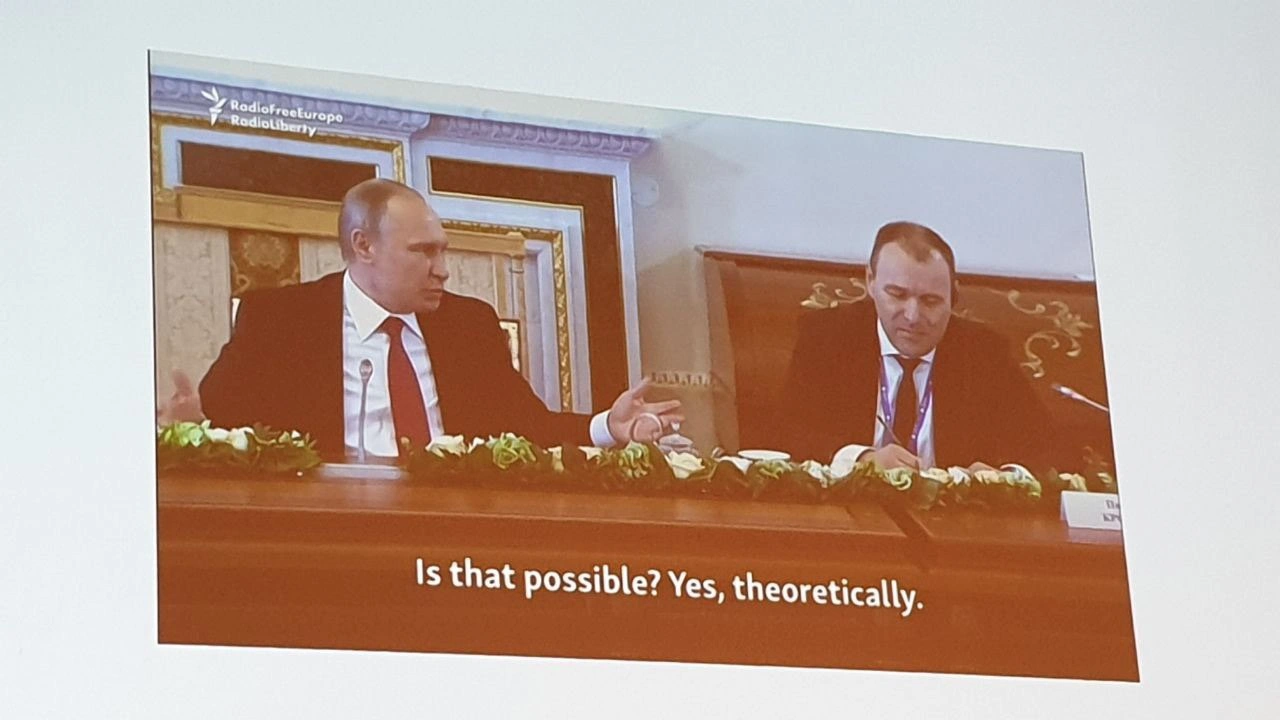
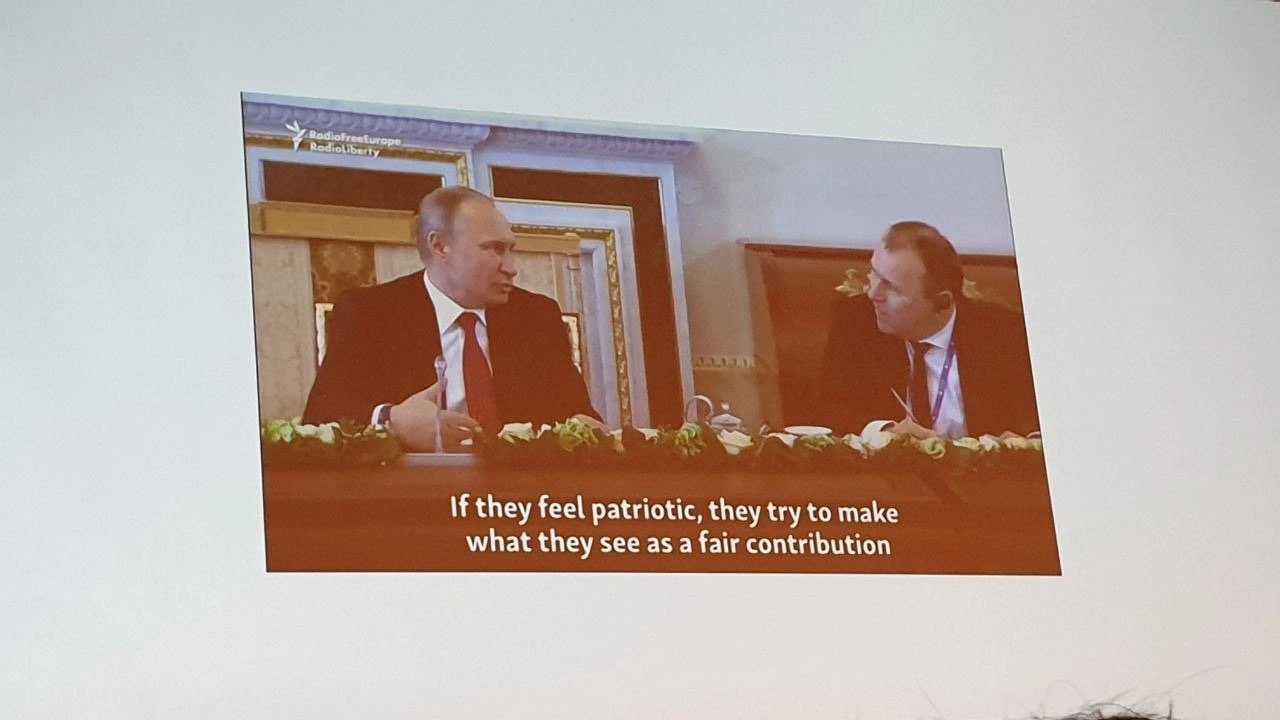
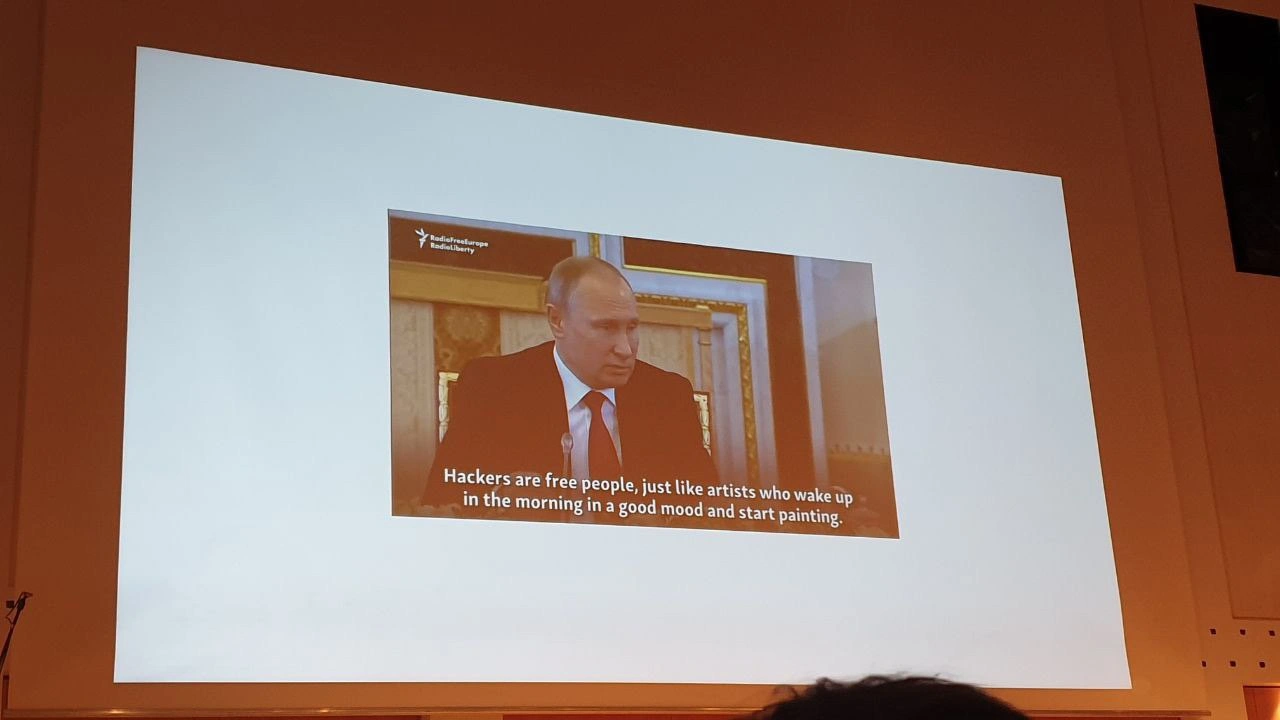
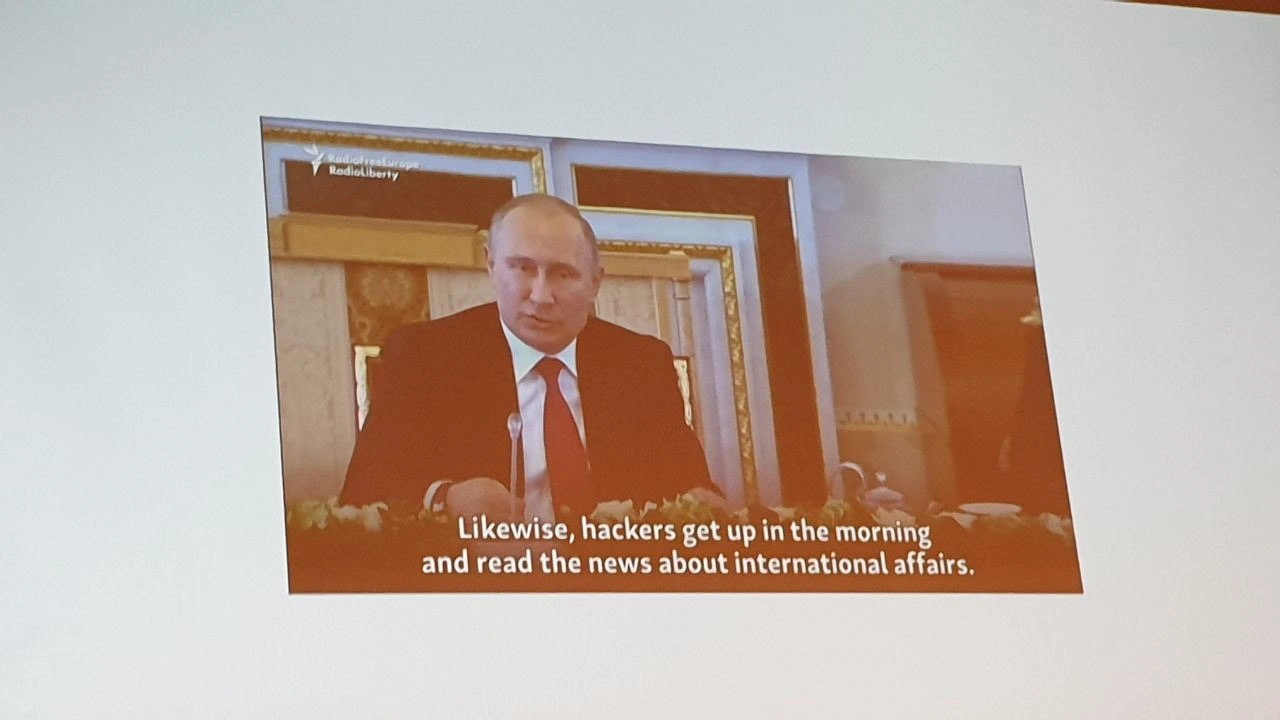
For the seasoned developer, this meme hits close to home by satirizing the way CorporateCulture approaches open-source contributions. The image of two high-ranking officials in a gilded boardroom could just as easily be a pair of tech executives or legal counsel, gravely discussing how much their company should give back to the open-source projects they profit from. The humor comes from the overly formal, self-congratulatory tone: “If they feel patriotic, they try to make what they see as a fair contribution.” It’s as if contributing to open source were a grand act of charity or patriotism rather than a basic reciprocity or ethical participation in DevCommunities. We laugh (perhaps a bit bitterly) because we recognize this pattern: companies often drape themselves in the flag of open-source “good citizenship” only after calculating what minimal effort will make them look good.

In real development life, this scenario might play out like a pseudo-code logic in a company’s strategy meeting:

// Corporate open-source contribution logic
if (executives.feelPatriotic()) {
    let contribution = executives.calculateFairShare();  // minimal fair share as they see it
    project.merge(contribution);
    console.log("Contribution made! Public relations win.");
} else {
    company.continueToConsume(project);  // keep using without contributing
}

This tongue-in-cheek snippet isn’t far from reality. Experienced developers have seen the internal debates:

  • A company’s infrastructure relies heavily on some open-source library (perhaps a web framework or a data pipeline tool), and an engineer points out, “We should really give back – maybe fund the project or contribute our improvements.”
  • The idea makes it to a meeting of executives or a governance board. But then the pragmatism (or cynicism) kicks in: How will contributing affect the bottom line? Can we get away with just a token gesture?

Often, the conclusion is something like: “Let’s contribute if and only if it also benefits us or our image.” This is “patriotic PR” in the sense that contributions double as public relations. Perhaps they’ll sponsor the project’s next event (and get their logo plastered everywhere), or open-source a tiny internal tool while keeping the more valuable stuff proprietary. It’s considered a fair contribution because it’s non-zero — they did something. Meanwhile, developers and maintainers of the project might roll their eyes, knowing how much more the company could afford to do.

Consider the common scenario of a drive_by_contributions: a corporation’s devs submit a big patch or a new feature through a pull request out of the blue, solving a problem the company faced. It’s a one-off contribution; after it’s merged (if it gets merged), the company’s team disappears and doesn’t stick around to maintain that code. From the executives’ viewpoint, they’ve made a fair contribution — they “gave back” the code fix that they needed themselves. From the maintainer’s viewpoint, it’s a mixed blessing: they got some help, but now they inherit the long-term maintenance of that code without any ongoing support. The meme’s line about “what they see as a fair contribution” perfectly captures this disconnect. Each side has a different lens: companies might count lines of code or dollars and pat themselves on the back, while maintainers count ongoing issues, support requests, and the opportunity cost of reviewing giant unsolicited PRs.

There’s also a nod to the endless PR size debate. In boardrooms, an executive might proudly announce, “We contributed a major feature to Project X!” — glossing over that their engineers dropped a massive 5,000-line pull request on the project with little prior discussion. In open-source culture, that’s not exactly ideal. Maintainers prefer smaller, incremental changes (which are easier to review and integrate), but corporate contributions often come as big dumps of code once a company has finished an internal use-case. When the maintainers request changes or split the PR, the company’s patience can wear thin — “Why are they nitpicking our generous contribution?” the exec might complain, not understanding the DevCommunity’s norms. This dynamic has created real tension in projects where corporate and volunteer contributors have to collaborate. It’s not uncommon to see lengthy threads where maintainers gently remind a drive-by contributor that “a fair contribution isn’t just about code volume, but about aligning with the project’s direction, following guidelines, and being around to help.”

We also see companies setting the definition of “fair” on their own terms. For example, some might equate fair contribution to financial sponsorship: “We paid $10k for a platinum sponsorship, so that covers us, right?” Others attempt to contribute code but only those changes that directly benefit their products, essentially treating the open-source project as an extension of their R&D. If a fix or feature doesn’t immediately serve their needs, they might not bother contributing it at all – even if it would help the community. Many of us have been in meetings where someone says, “Let’s keep our improvements internal for now; we’ll open-source it later,” which often never comes. That “later” only arrives if there’s external pressure or if the company needs community goodwill (for instance, recruiting developers or marketing a new open-sourced tool).

Historically, this friction between community ideals and corporate interests has been around since the early days of open source. Remember the distinction between “Free Software” and “Open Source”? Back in the 1980s and 90s, the Free Software movement (led by the likes of Richard Stallman) emphasized a moral obligation to share improvements — more like a strict patriotism: everyone must contribute back to the common good of code. The term “open source” was later popularized to sound more business-friendly, focusing on the practical benefits rather than moral duty. That shift led to huge corporate adoption of open source, but it also implicitly told companies: “It’s okay, take the code, use it, no one’s forcing you to give back — but it’d be nice if you did.” Fast-forward to today, and you’ll find many companies employing entire teams using open-source software all day, while “giving back” is a footnote in the quarterly planning, sometimes framed as volunteering or corporate social responsibility rather than a normal part of development. The meme captures the absurdity of those internal CorporateCulture debates: powerful people treating the lifeblood of their software (community code) as something external, almost patriotic to support, rather than something they’re deeply dependent on.

For veteran devs, this scene is darkly funny because we’ve lived it. We’ve seen maintainers of widely-used libraries burn out because their inbox is full of corporate feature requests and half-baked PRs, with little help to actually triage or fix issues. We’ve also seen the other side: companies that truly engage, assign engineers to actively maintain external projects, and genuinely ask “Are we doing our fair share?”. But the norm the meme mocks is a boardroom where fairness is whatever minimal effort still lets them claim the brownie points of being an “open source contributor.” It’s the difference between genuine participation in a dev community versus treating it like a PR (public relations) opportunity. The laughter (or groan) this meme elicits is very much a knowing one: it’s funny because it’s true, and it’s frustrating because it’s true.

Level 4: The Tragedy of Common Code

At the most theoretical level, this meme highlights a classic free-rider problem in the context of open-source software – essentially a modern twist on the tragedy of the commons. In economics and game theory, a public resource that everyone can use (like open-source code) tends to be overused and under-maintained because each user has an incentive to avoid paying the costs of upkeep. Here, corporations benefit immensely from community-maintained code but often contribute back only when it suits their own interests. The subtitle “If they feel patriotic, they try to make what they see as a fair contribution” frames corporate contributions as a voluntary, almost nationalistic act of goodwill rather than an expected responsibility. This parallels how governments might appeal to citizens’ patriotism to encourage voluntary taxes or donations when there’s no legal requirement – in open source, there’s usually no mandatory tax on usage, so companies contribute only if they “feel like it.”

From a governance perspective, open-source projects are essentially a shared commons. Without formal rules enforcing contribution, many companies become free riders, using the code without giving back proportionately. Some open-source licenses attempt to address this imbalance. For example, copyleft licenses like the GPL legally require that if you redistribute software or derivatives, you must release the source (so any improvements must be shared). This was one way early free-software visionaries tried to ensure fairness – think of it as an enforced definition of “fair contribution.” However, most companies in the modern era prefer permissive licenses (like MIT or Apache 2.0) that impose no such return obligations. Under permissive terms, contributing back becomes a matter of ethics and goodwill, not law – hence the patriotic metaphor fits: it’s voluntary and subjective.

This has led to interesting equilibrium dynamics in the industry. If every company waits for others to do the maintenance, critical projects can languish. We’ve seen real-world cracks in the system: famous incidents like the Heartbleed vulnerability (in OpenSSL) exposed how vital open-source infrastructure was under-funded – after the crisis, several big companies suddenly “felt patriotic” and poured money into OpenSSL and similar projects to compensate for years of neglect. Academically, this reflects how a system with only voluntary contributions can fail until a shock forces collective action. Some researchers have even likened open-source communities to a form of digital commons, emphasizing the need for governance models to avoid this tragedy. Organizations like the Apache Software Foundation or the Linux Foundation have emerged as quasi-governments, setting open_source_governance policies and encouraging more consistent contributions (through membership fees, contributor quotas, or dedicated maintainers funded by member companies). These governance structures are attempts to formalize what counts as a “fair contribution” and to align corporate self-interest with community sustainability.

In short, at this deep level, the meme is poking fun at a fundamental tension: shared resources require shared responsibility. Yet due to human (and corporate) nature, contributions often rely on altruism or enlightened self-interest rather than enforceable rules. The result is an environment where “fair” is in the eye of the beholder (or the boardroom), which is exactly why an executive can earnestly debate how little they can give back and still feel like upstanding open-source “patriots.” It’s a scenario rooted in economic theory and the sociology of DevCommunities, masquerading here as a tongue-in-cheek political quote.

Description

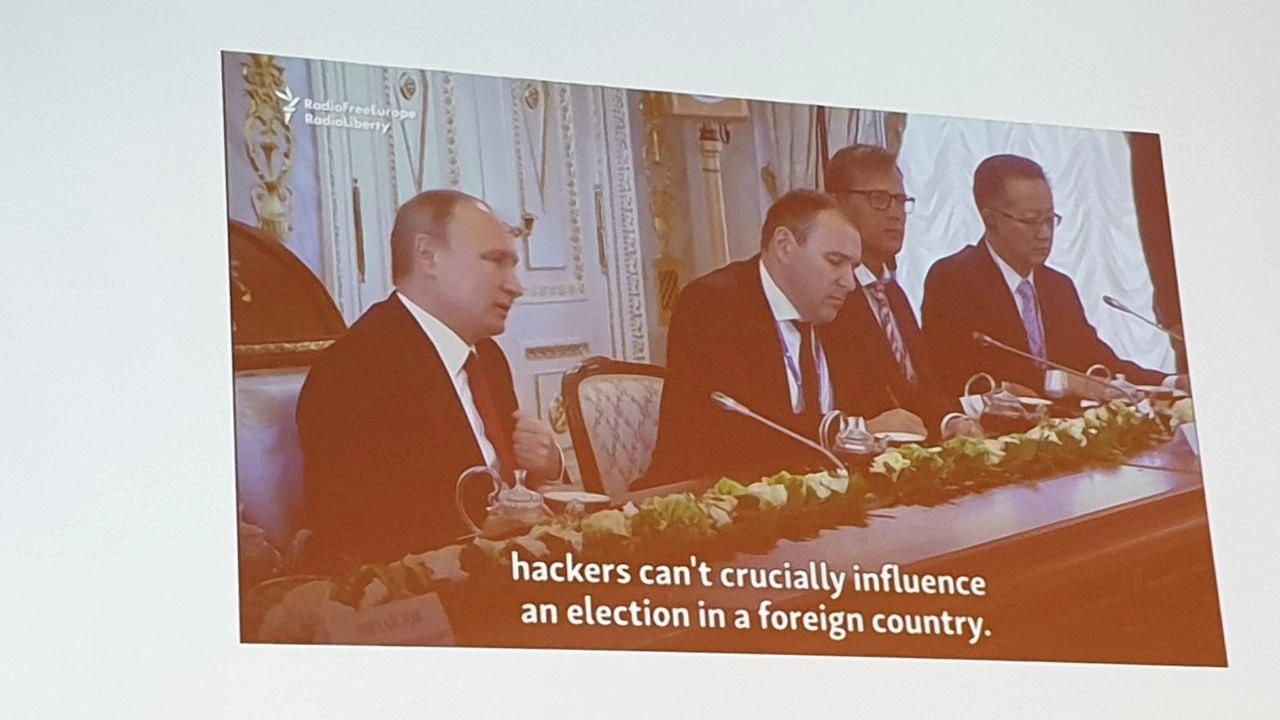
A screenshot from a video, showing Russian President Vladimir Putin engaged in a conversation with another man at a formal table. Putin is wearing a dark suit and red tie, and the setting has ornate, gilded wall panels. The image is angled, taken from a screen. English subtitles at the bottom read: 'If they feel patriotic, they try to make what they see as a fair contribution'. The 'RadioFreeEurope RadioLiberty' logo is visible in the top left. The humor derives from the gross understatement and political spin, framing state-sponsored or nationalist hacking as a noble, 'patriotic contribution' rather than a hostile cyber operation. For experienced engineers, this resonates with the corporate and political jargon often used to downplay or misrepresent the technical reality of security incidents, bugs, or project failures
Comments

7
Anonymous ★ Top Pick It's not a state-sponsored cyberattack, it's just a 'patriotic contribution' to the global open-source vulnerability disclosure program
  1. Anonymous ★ Top Pick

    It's not a state-sponsored cyberattack, it's just a 'patriotic contribution' to the global open-source vulnerability disclosure program

  2. Anonymous

    Every time leadership says “fair contribution,” maintainers brace for a 12-kLOC weekend PR with zero tests and a request for immediate merge

  3. Anonymous

    The same senior engineer who spent three weeks documenting a critical zero-day for responsible disclosure just watched a nation-state actor exploit it because the vendor marked the ticket as "won't fix - not reproducible in our test environment."

  4. Anonymous

    The open source contributor's dilemma: feeling patriotic enough to fix that critical bug at 2 AM for free, while simultaneously wondering why your GitHub contributions graph is greener than your bank account. It's the only economy where 'fair contribution' means you debug production issues for Fortune 500 companies using your library, and your compensation is a thumbs-up emoji and maybe - if you're lucky - a 'thanks!' in the release notes

  5. Anonymous

    Enterprise patriotism in OSS is a 9,842‑line Friday PR replacing the config system, no tests, CLA unsigned - “please merge, it’s blocking Q4 OKRs.”

  6. Anonymous

    In enterprise-speak, a ‘patriotic contribution’ is a new committee; in Git, it’s fewer lines and more tests

  7. Anonymous

    Russians fork for patriotism; Westerners star and pray for mercy merges

Use J and K for navigation