Skip to content
DevMeme
1477 of 7435
The Classic Java and JavaScript Identity Crisis
Languages Post #1653, on Jun 1, 2020 in TG

The Classic Java and JavaScript Identity Crisis

Why is this Languages meme funny?

Level 1: Java is Not JavaScript

Imagine you have two completely different things that just sound alike, like apple and pineapple. An apple is a small fruit you might snack on, and a pineapple is a big tropical fruit – they’re not the same at all, even though both names have "apple." Now, picture a sign for a pineapple cooking class that accidentally shows a big red apple picture. You’d probably giggle or scratch your head, thinking, “Wait, that’s the wrong picture!” It’s obvious the sign got the fruits mixed up just because of the name.

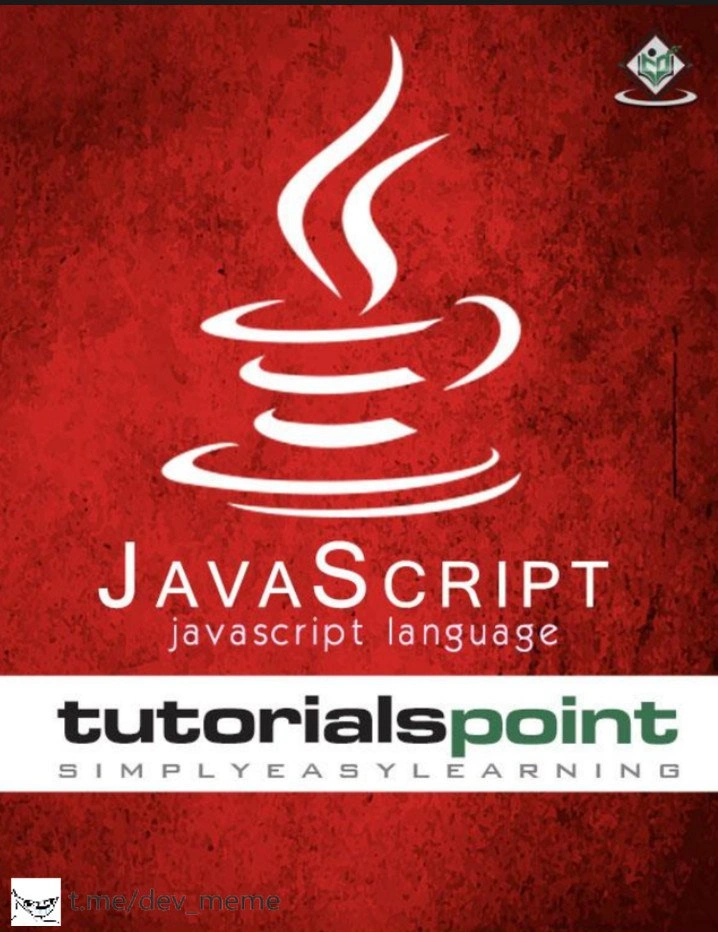
That’s exactly what’s happening in this meme. JavaScript and Java have similar names, but they’re as different as apples and pineapples. Java’s symbol is a steaming coffee cup (because Java is also a kind of coffee), and JavaScript usually has its own JS logo. In the picture, someone put the Java coffee cup logo on a JavaScript course advertisement. It’s the wrong picture for the wrong thing, just like using an apple to represent a pineapple. People who know about these languages immediately feel that “something doesn’t feel right.” They find it funny (and a bit silly) because it’s an obvious mix-up. The joke is basically pointing out a beginner’s mistake: using the word "Java" in "JavaScript" to assume they’re the same. But they’re not! So the meme is saying, “Oops, someone used the wrong logo – Java is not JavaScript,” in a way that makes tech folks laugh.

In simple terms: it’s funny because the label doesn’t match the picture. Just like you’d laugh (or be confused) if a dog food box had a picture of a cat on it. Even if you’re not a programmer, you can understand that using a coffee cup image for something called “JavaScript” is a mix-up. It’s a little reminder that names can be misleading. The meme makes us smile and think, “Whoever made that tutorial advertisement needs a quick lesson themselves!”

Level 2: Not That Java

For a newer developer (or a student just starting out), it’s crucial to understand that Java and JavaScript are two separate languages, despite the confusing names. In this meme, the big white Java logo (the steaming coffee cup on a red background) is being used next to the word “JavaScript.” This is immediately wrong to anyone familiar with these languages. It’s as if a sign for a JavaScript course accidentally grabbed the logo of a completely different language. To put it simply: Java is not JavaScript. They are as distinct as two programming languages can be, and mixing up their logos or names is a classic misconception in tech.

Let’s break down the basics of each to see why this mix-up is so goofy. Java (logo: the coffee cup) is a programming language created by Sun Microsystems (now owned by Oracle). It’s known for being object-oriented (everything revolves around classes and objects) and compiled (you write Java code, then compile it into bytecode, which runs on the Java Virtual Machine). Java is used in all sorts of places: large enterprise servers, Android app development, and even smart card systems. It has a reputation for verbose syntax and rock-solid performance, with features like static typing (you must declare the type of each variable) and a huge ecosystem of libraries. The coffee cup symbol is a nod to Java’s name (Java is a type of coffee). When you see that logo, it signifies the Java language and platform.

JavaScript, in contrast, was created by Netscape and initially intended to make web pages interactive. It’s a scripting language that was traditionally run in web browsers (think of dynamic effects on a webpage, forms that respond as you type, or interactive maps). JavaScript is interpreted (or just-in-time compiled by modern engines), which means you usually deliver the raw code to an environment (like Chrome’s V8 engine) and it runs it on the fly. It’s famously dynamically typed (variables can hold any type of data without upfront declarations) and uses a prototype-based object model (no classes required, though modern JS has class syntax sugar). The typical JavaScript logo is not a coffee cup at all, but often a simple yellow square with the letters “JS” in bold. Some tutorials or materials might use a stylized JavaScript logo or the official HTML5-like JS emblem, but definitely not Java’s cup! So when this tutorial image shows "JavaScript language" under that steaming cup, it’s immediately obvious that someone used the wrong logo. It’s a bit like putting a Python snake logo on a Ruby course advertisement – a small yet glaring branding mistake.

This kind of mix-up reflects a common newbie confusion: some beginners assume JavaScript is related to Java because of the name. It’s an easy mistake to make if you’re just hearing the terms. In reality, the only connection is historical and nominal. In the mid-90s, Java was super popular (it was new, powerful, and all the rage), and Netscape thought naming their new scripting language “JavaScript” would make it sound appealing. That’s like naming a new soda “CocaSomething” to ride Coca-Cola’s popularity – marketing, not technical similarity. As a result, many of us have encountered questions like, “Do I need to learn Java before JavaScript?” or “Are Java and JavaScript basically the same?” The answer is a resounding “No!” – they just share four letters. In fact, a humorous teaching phrase you might hear is: “Java is to JavaScript as car is to carpet.” In other words, the names overlap, but the things themselves do not.

For a junior dev, the takeaway from this meme is twofold. First, be careful with tech terminology – details like logos and names matter a lot in the developer world. If you mix up Java and JavaScript, it’s a giveaway that you’re still learning the ropes (which is okay, we all start somewhere!). But even tutorial websites should double-check these things. Second, it’s a reminder to always question what you see in tutorials: if something feels off (like a Java logo on a JavaScript course), trust that instinct and verify from official sources. The meme text “Something doesn't feel right” perfectly captures that moment of confusion when a learner spots the inconsistency. It encourages you to pause and think, “Hang on, is that correct?” This is a good habit in learning: verify and research when you encounter a potential mistake. Even well-known sites can have errors or typos. And in the programming community, using the wrong icon or terminology can become a running joke, as it did here.

To really drive home how different Java and JavaScript are, here’s a quick comparison using tiny examples of each. Notice how the code structure and keywords differ:

// A simple Java program (compiled and run on the JVM)
public class HelloJava {
    public static void main(String[] args) {
        System.out.println("Hello from Java!");
    }
}
// A simple JavaScript snippet (runs in a browser or Node.js)
function helloJavaScript() {
    console.log("Hello from JavaScript!");
}
helloJavaScript();

In the Java code, we must define a class HelloJava and a main method, and use System.out.println to print output. It’s formal and boilerplate-heavy. In the JavaScript code, we just write a function and call console.log to print – no classes or strict structure needed for a simple task. The Java code would be saved in a file like HelloJava.java, compiled by the javac compiler, producing a HelloJava.class file (bytecode), and then run on the Java Virtual Machine. The JavaScript code could be put straight into an HTML page or run with a tool like Node, and it executes immediately as-is. These differences highlight that learning Java vs. learning JavaScript will involve completely separate tools, mindsets, and ecosystems.

So, seeing a Java coffee cup advertising a JavaScript course is almost comically educational in itself: it’s a visual “spot the error” puzzle for developers. If you felt that something was off when you looked at the meme, you were correct – the logo doesn’t match the label. This is a lighthearted reminder in the programming world to always get your names and icons straight. And if you ever create content (like a blog or tutorial), double-check the graphics! Otherwise, you might become the next meme in r/ProgrammerHumor for using an Android robot logo to talk about JavaScript or some similarly embarassing mix-up. In developer culture, these details are important, and mixing them up will get you some good-natured ribbing. After all, every programmer has had to learn this distinction, and once you know it, you can’t unsee a mistake like this.

Level 3: The Coffee Cup Conundrum

At first glance, this meme is a naming and branding fiasco that every seasoned developer can spot a mile away. It shows the iconic Java coffee cup logo mislabeled as "JavaScript," an error that sets off alarm bells in any experienced dev’s mind. Why? Because despite the deceptive names, Java and JavaScript are entirely different programming languages with no direct relation — as unrelated as a coffee bean is to a JavaScript engine.

From a senior developer’s perspective, the humor comes from the absurd juxtaposition of two vastly different worlds. We have Java, a statically-typed, class-based OOP language that arrived in the mid-90s, famous for its "write once, run anywhere" philosophy and enterprise-level stability. On the other hand, we have JavaScript, a dynamic, prototype-based scripting language born around the same time for adding interactivity to web pages. Aside from five coincidental letters in their names, the two languages diverge in almost every technical aspect: syntax, runtime, use cases, and paradigm. The meme’s image slaps Java’s steaming cup on a JavaScript tutorial, creating a head-scratching category error that is both hilarious and cringe-worthy to those in the know.

Historically, this confusion is rooted in how JavaScript was named. Back in 1995, JavaScript was originally called LiveScript, but during Netscape’s partnership with Sun Microsystems, it was rebranded to "JavaScript" as a marketing stunt to ride on the exploding popularity of Java. This is the origin story of countless headaches: a marketing-driven naming collision that has plagued beginners (and apparently some tutorial creators) ever since. Seasoned devs know that entangling Java’s brand with JavaScript was like naming a new fruit “Javafruit” because Java was the hottest tech flavor of the day. The result? Decades of confusion where newcomers assume some kinship between the two. In truth, Java and JavaScript are about as related as a car is to a carpet (one famous analogy goes: “Java is to JavaScript as car is to carpet”). They share a syllable, and that’s it.

The meme’s punchline leverages this well-known confusion with a dose of irony. The image is apparently from TutorialsPoint (as indicated by the branding and tagline "SIMPLYEASYLEARNING"), which is supposed to be a reputable source of programming knowledge. Yet, here they are committing a sin every CS 101 teacher warns against: mixing up Java with JavaScript. For an experienced developer, it’s a facepalm moment – “If this tutorial can’t even get the logo right, what else might they teach wrong?” It’s reminiscent of seeing a textbook about C++ with a C# logo on the cover: a blatant branding error that undermines credibility. The humor is sharpened by the seriousness of the presentation: big bold "JavaScript language" text under a Java logo, as if nothing is amiss. It’s the visual equivalent of nails on a chalkboard for anyone who has spent nights debugging Java classpath issues versus JavaScript async bugs – two completely different nightmares.

This mix-up also tickles the tribal instinct in dev culture often dubbed LanguageWars. Java enthusiasts and JavaScript aficionados might spar about their favorite language’s merits, but they’ll unite in correcting someone who conflates the two. It’s practically a rite of passage to learn that Java ≠ JavaScript. Seeing them conflated is like seeing someone use a reserved keyword as a variable name – it just feels fundamentally wrong. The meme caption "Something doesn't feel right" aptly captures that gut reaction. It’s a polite way of saying “This tutorial company clearly has no developers on the marketing team.”

In summary, at the deepest level this meme highlights a pervasive industry in-joke: the enduring confusion spawned by two languages whose only real overlap is four letters and a bit of early marketing hype. The coffee_cup_logo belongs strictly to Java, a language that runs on the JVM, sports curly braces and strong types, and has nothing to do with web page scripting. Using it to advertise a JavaScript course is a textbook example of mislabeling. The resulting image is funny to veterans because it’s a perfect storm of javascript_confusion and wrong_logo_usage – a visual punchline about how non-developers (or poorly informed content creators) sometimes mash together tech terms and icons without understanding them. It’s the kind of slip-up that tech veterans love to groan about, then share in developer chat groups with a smirk. In the immortal words of one Reddit commenter on a similar mix-up: “This is why we can’t have nice things… or at least why we need tech people in marketing meetings.”

Description

The image is a humorous take on the common confusion between Java and JavaScript. It features the official Java logo, a stylized steaming coffee cup, prominently displayed on a textured red background. However, the text directly beneath it reads 'JAVASCRIPT' in a large, white, serif font, followed by 'javascript language' in a smaller font. At the bottom, there is a white banner with the logo for 'tutorialspoint' and its tagline 'SIMPLY EASY LEARNING'. A small watermark for 't.me/dev_meme' is in the bottom-left corner. The humor derives from the blatant and incorrect labeling, a mistake often made by beginners but a long-standing inside joke for experienced developers who know the two languages are fundamentally different despite their similar names. The caption 'Something doesn't feel right' perfectly captures the unsettling feeling of seeing this common error presented as fact
Comments

7
Anonymous ★ Top Pick The best part about this image is that somewhere, a project manager is sourcing 'Java' developers for a React Native role and doesn't understand why the candidates are confused
  1. Anonymous ★ Top Pick

    The best part about this image is that somewhere, a project manager is sourcing 'Java' developers for a React Native role and doesn't understand why the candidates are confused

  2. Anonymous

    The same team that slapped the Java coffee cup on a JavaScript tutorial is also in charge of our service naming - hence the “billing-lambda.jar” Docker image running Node on Kubernetes

  3. Anonymous

    Twenty years in and I still have to explain to executives that JavaScript isn't just Java with extra steps, while this logo suggests it's actually Java that achieved enlightenment through continuous integration

  4. Anonymous

    Ah yes, JavaScript - the language that borrowed Java's name for marketing clout in 1995 and has been causing recruiter confusion ever since. It's like naming your electric car company 'Gasoline Motors' and wondering why mechanics keep showing up with wrenches. The real kicker? After 28 years, we're still explaining to stakeholders that no, our React developers can't just 'quickly port that Spring Boot microservice' because 'it's basically the same thing, right?' Meanwhile, Java architects are having aneurysms every time someone calls Node.js a 'Java framework.'

  5. Anonymous

    TutorialsPoint's 'Simply Easy Learning' for JS: because hoisting and closures are just a coffee break away - for juniors

  6. Anonymous

    Brand guidelines used == instead of ===: 'Java' == 'JavaScript' evaluated true, so we shipped the coffee cup

  7. Anonymous

    Java logo on a JavaScript tutorial - classic HotSpot expectations, V8 reality; the only shared runtime is caffeine, and -Xmx won’t fix your async bugs

Use J and K for navigation