Full Stack Overflow Imminent
Why is this CS Fundamentals meme funny?
Level 1: Tower of Blocks
Imagine you are building a tower of blocks as high as you can. You keep stacking one block on top of another. The tower gets taller and taller, and it also gets wobblier as it grows. Now, if someone hands you one more block to put on top, and your tower is already super tall, what’s likely to happen? Crash! The whole stack of blocks might overflow and topple over because it just can’t handle that one extra block.
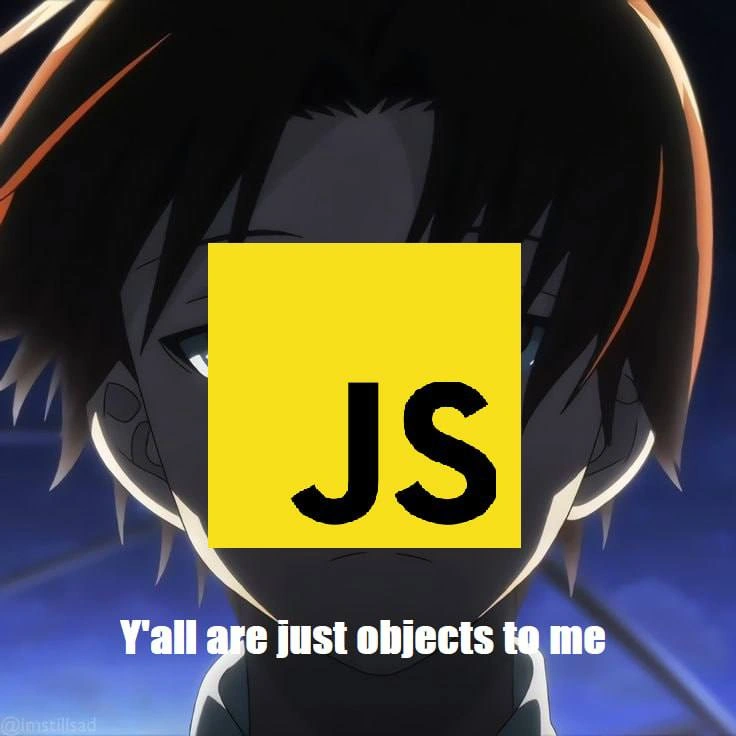
This meme is saying the same thing, but about a person (a programmer) and their tasks. The person jokes that they already have a stack of work piled up to the limit – like that tall tower of blocks – and if their boss gives them one more task, their mental stack will overflow (meaning they’ll “crash” or break down, just like the tower falling). It’s funny in a very relatable way: we can all picture trying to carry one too many books or stacking one too many blocks and then dropping everything. The joke makes us smile because it compares an overworked developer to an overloaded block tower. It’s a silly way to say “I have too much to do, and I literally can’t take any more!” Even if you’re not a programmer, you know that feeling when you’ve got so many chores or homework assignments and someone asks you to do one more – it’s like, “Nope, that’s it, I’m going to collapse now!” This meme uses the block-stacking idea to get that feeling across in a simple, playful way.
Level 2: Full Stack vs. Stack Overflow
Let’s break down the joke in simpler terms. The tweet says: “I am a full stack engineer, which means if you give me one more task my stack will overflow.” There are two key phrases here: full stack engineer and stack overflow. To a newcomer, these might need some explanation.
A full-stack engineer (or developer) is someone who works on both the front-end and back-end of a system. In web development, front-end means the parts of a website or app that users see and interact with (think of buttons, text, and layouts in your browser), while back-end means the behind-the-scenes logic on the server, databases, and APIs that power the application. Many software products have multiple “layers” – for example: a database, a server application, and a client-side interface. We often call this collection of layers a tech stack. So if you’re doing FullStackDevelopment, you handle the entire stack of technologies end-to-end, from the UI all the way down to the data storage. For instance, a full-stack developer might write HTML/CSS/JavaScript for the web page, as well as write server code (in, say, Node.js, Python, or Java) and also interact with the database (writing SQL queries). They’re a jack-of-all-trades in software. It’s a highly versatile role – but also means a lot of different responsibilities land on one person’s shoulders. Being “full-stack” often feels like having a very full plate at work, since you’re tackling tasks in all areas: fixing browser compatibility issues at 9 AM, debugging server errors by lunch, and maybe tweaking a database schema by the afternoon. It can be exciting, but also overwhelming when the tasks all pile up.
Now, the term “stack overflow” in programming refers to a specific error. A stack in this context is a chunk of memory that programs use to keep track of function calls and variables. Picture a stack of trays in a cafeteria: each time a function is called in a program, a new “tray” (with information about that function) is put on the stack. When a function finishes, its tray is taken off. But if too many trays get piled up – for example, if a function keeps calling itself over and over without end (that’s called infinite recursion) – then the stack of trays can grow so tall that it runs out of space. That’s what we call a stack overflow error: the program tried to use more stack space than it had available. When this happens, the program typically crashes or freezes. If you’re a beginner and have seen an error like “Maximum call stack size exceeded” or a StackOverflowError in Java, that’s the computer yelling “I can’t handle this, it’s too deep!” A common rookie mistake that causes a stack overflow is forgetting to end a recursive function – for example, writing a function that calls itself forever. The program quickly runs out of memory for new calls. (Fun fact: the popular programming Q&A website Stack Overflow is named after this error, as a nerdy inside joke – because programmers often feel like they’re drowning in errors and need help, hence a site to ask for answers.)
Now, here’s why the tweet is funny: the author is comparing their workload to a program’s stack. When they say “I am a full stack engineer,” it hints, “I already have a full stack of work.” In everyday terms, they’ve got a lot on their plate. If you “give me one more task,” that’s like putting one more item on top of an already towering stack. So “my stack will overflow” means “I will crash from too much work.” It’s a play on words: stack in “full stack” refers to the range of technologies, while stack overflow refers to an error from too much nesting. By mashing them together in one sentence, the tweet makes a pun that geeks find hilarious. Essentially, the developer is joking that they’re at 100% capacity – one tiny extra assignment will push them into workload_overflow and they might just break down like a malfunctioning program. This captures a feeling many developers know well: being asked to do just one more thing when you’re already swamped. It’s both humorous and a bit of a relatable gripe about DeveloperFatigue.
The format of the meme is a screenshot of a tweet in dark mode (white text on a navy background). This has become a common way to share quick jokes in the tech community. The tweet comes from someone with the playful name “Senior Oops Engineer” (handle @ReinH) and a colorful panda avatar. That avatar – a rainbow-colored panda face – and the silly title “Oops Engineer” immediately signal that this is meant to be lighthearted. (In tech circles, calling yourself an “Oops Engineer” is a tongue-in-cheek way to say you deal with a lot of errors or mistakes. It’s like a senior engineer who’s seen things go wrong enough times to earn an “Oops!” badge.) All of these elements – the tweet style, the goofy username, the avatar – tell the viewer: don’t worry, this is a joke! The author is using Twitter humor to cope with feeling overloaded.
In summary, the meme jokingly equates a full-stack developer’s overwhelming number of tasks to a computer running out of stack space. It’s saying, “I do front-end, back-end, everything – and I’m about to overflow with one more thing.” Anyone who’s had a pile of tasks and pressure from deadlines can understand the sentiment. It’s a bit of DeveloperHumor that shines light on the stress of being the go-to person for all parts of a project. We laugh because we’ve been there – that “Oh no, I literally can’t handle anything else!” feeling is all too real. This tweet-meme wraps up that feeling in a pithy one-liner, making fellow coders nod in agreement and chuckle. It’s both a joke and a gentle reminder that even the most capable engineers have their limits before they “overflow.”
Level 3: Full Stack Overflow
This meme is a clever double entendre linking the idea of a full-stack engineer to the dreaded stack overflow error. Seasoned developers immediately recognize the stack_overflow_pun: it’s humor built on a serious technical concept turned into a cry for help. A full-stack engineer is that brave (or unlucky) soul who works across all layers of a software system – from pixel-pushing UI layouts to tuning database queries on the back end. In other words, they handle the entire technology “stack.” That title “full-stack” implies their plate is already loaded with responsibilities across the board. Now the tweet quips that if you hand this already maxed-out engineer one more task, their stack will literally overflow, just like a program running out of memory for its call stack. For extra irony, the Twitter user’s display name here is “Senior Oops Engineer,” hinting that even a senior dev drops an “oops” now and then when juggling too much. It’s a gallows-humor badge that sets the tone: been there, broke that.
In computing, a stack is a fundamental data structure and memory region that stores the active subroutines or function calls of a program – think of it like a stack of plates where each new function call puts a new plate on top. When a function returns, that plate is removed (we “pop” the stack). But if functions keep calling other functions without ever finishing (imagine an endlessly self-calling function), the plates pile up higher and higher. Eventually, the stack runs out of space to grow. That’s when you get a stack overflow error: the program tries to push one more call onto the stack and boom – there’s no more room. This usually causes a crash or abnormal termination. It’s one of those catastrophic runtime failures that typically indicates something has gone very wrong in the code (like infinite recursion or uncontrolled nested calls). And yes, this is exactly where the famous Q&A site Stack Overflow got its name – a tongue-in-cheek nod to the overwhelming nature of programming problems (every developer’s brain feels like it’s overflowing with “stack” traces of bugs sometimes!). To illustrate, here’s a tiny snippet of code that would trigger a stack overflow by recursing forever:
function overflowMe() {
overflowMe(); // calls itself forever (no exit condition)
}
overflowMe();
// Uncaught RangeError: Maximum call stack size exceeded
In this JavaScript example, the function overflowMe() calls itself infinitely, never unwinding. Each call adds a new frame to the call stack without removing any – a surefire recipe for a crash. Most languages will throw some kind of StackOverflowError or similar once the call stack limit is hit. Now, the tweet’s joke is to apply this concept to a human DeveloperFatigue scenario. It imagines a developer’s mental call stack of tasks behaving like the program stack. Each new task or ticket is like another function call pushed onto their brain’s stack of things to handle. Ideally, you’d complete (return from) one task before taking on a new one. But in real life – especially under DeadlinePressure – tasks start overlapping and piling up without resolution. The author is saying: “I’m a full-stack dev with an already full task stack, and if you push one more responsibility onto me, my brain will throw a stack overflow exception.” It’s a darkly comic way to say “I’m on the verge of burnout.” Anyone who’s experienced context-switching whiplash or a 12-hour firefighting session before a release can groan in sympathy. This brand of DeveloperHumor makes us laugh, but it’s the kind where you’re rubbing your temples at the same time.
From a senior engineer’s perspective, the absurdity is painfully familiar. FullStackDevelopment often translates into being an entire team rolled into one person. One minute you’re tweaking front-end JavaScript for a pixel-perfect UI, the next you’re debugging server-side logic or crafting a new API endpoint, and after that you’re optimizing a SQL query or writing YAML for the CI/CD pipeline. Each duty is a different layer of the tech stack, and management loves to say, “Oh, you’re full-stack? Great, you can handle everything!” (Sure, why not also configure the cloud infrastructure and fix the office Wi-Fi while you’re at it?) It’s no wonder your to-do list grows into a teetering tower of tasks. The tweet nails this absurdity by implying that being “full-stack” just means they’ll keep stacking work on you until something gives. It’s a bit of cynical humor reflecting an uncomfortable truth: too many responsibilities without relief will overload even the best engineer. With each “quick request” or “one last bugfix” tacked onto an overloaded sprint, the risk of a crash (mistakes, bugs, or the dev’s sanity snapping) increases. The DeadlinePressure culture can push any system – software or human – past its limits. In short, this is a quip about full_stack_overload: the condition where a developer’s workload grows without bounds, akin to an unbounded recursion in code.
The Twitter screenshot format of the meme adds a layer of developer community vibe. The dark-mode tweet UI, the goofy rainbow panda avatar, the handle “@ReinH,” and the tongue-in-cheek display name Senior Oops Engineer all signal that this is a lighthearted take meant for fellow coders. In the software world, calling yourself an “Oops Engineer” wryly acknowledges that no matter how senior you are, things still go wrong – especially when you’re juggling too much. The rainbow-colored panda avatar simply amplifies the playful, absurd tone (because why not a neon panda when you’re proclaiming imminent meltdown?). This presentation makes a serious topic (overwork and burnout) more approachable through humor. It’s a classic DeveloperMeme move: package the pain as a joke so we can collectively laugh it off. The reason this one hits home is that it’s a RelatableDeveloperExperience. Virtually every programmer has had that sprint or project where tasks kept stacking higher until they felt ready to crack. The meme gives a nod and a wink to that reality: a workload_overflow scenario that’s both funny and uncomfortably true. Fellow developers see this and chuckle, muttering “so true, haha…hah,” fully aware of the thin line between humor and horror in the world of looming deadlines and infinite to-do lists. It’s funny because it’s true – and that kernel of truth is what makes the joke overflow with relatability.
Description
A screenshot of a tweet from a user named 'Senior Oops Engineer' (@ReinH), who has a rainbow-colored panda as a profile picture. The tweet, in white text on a dark background, reads: "I am a full stack engineer which means if you give me one more task my stack will overflow." This is a clever pun that plays on the dual meaning of 'stack.' In software development, a 'full stack engineer' is a versatile professional who works on all layers of an application (frontend, backend, database, etc.). A 'stack overflow' is a common and critical runtime error that occurs when a program exhausts the memory set aside for the call stack, often due to excessively deep recursion. The joke humorously equates the engineer's growing list of tasks (their 'stack' of work) with the computer's call stack, implying that they are at their breaking point and cannot handle any more cognitive load. The username 'Senior Oops Engineer' adds another layer of relatable, self-deprecating humor
Comments
23Comment deleted
A full-stack engineer is just a human event loop. If you push too many tasks onto the queue without letting it clear, you don't get a stack overflow, you get a pull request for a two-month vacation
‘Full-stack’ is just tail-call optimization for budgets - when the stack inevitably overflows, finance logs it as “won’t fix.”
The real stack overflow happens when your JIRA backlog exceeds MAX_INT and the product manager still insists everything is P0 - at least with actual stack overflows, you get a nice clean segfault instead of slowly watching your will to live garbage collected
A senior engineer's stack trace: Layer 1 - Frontend bug fix, Layer 2 - Backend API patch, Layer 3 - Database migration, Layer 4 - Infrastructure upgrade, Layer 5 - 'Quick' security audit, Layer 6 - Documentation (ha!), Layer 7 - Segmentation fault (core dumped: your sanity). The real full stack is the context switches we made along the way
Full stack life: your call stack handles recursion fine, but one more PM 'quick win' triggers the inevitable buffer overflow - core dump not included
Full-stack was fine until Product kept pushing frames without tail-call optimization; now my human runtime needs backpressure and a circuit breaker
Full‑stack is fine; it’s the unbounded WIP queue that turns my call stack into a recursive backlog - enable backpressure before the PM triggers a human stack overflow
ye Comment deleted
je Comment deleted
ja Comment deleted
cant read need an audio version Comment deleted
Make sense Comment deleted
Help me stepbrother, I'm full stuck Comment deleted
Comment section text: Riedler: ye Ali: je Боргар: ja Alexey: cant read need an audio version Dddddd: Make sense Dream Keeper: Help me stepbrother, I'm full stuck Comment deleted
Oops Comment deleted
Comment section text: Riedler: ye Ali: je Боргар: ja Alexey: cant read need an audio version Dddddd: Make sense Dream Keeper: Help me stepbrother, I'm full stuck : ^ ]: Comment section text: Riedler: ye Ali: je Боргар: ja Alexey: cant read need an audio version Dddddd: Make sense Dream Keeper: Help me stepbrother, I'm full stuck Oops Comment deleted
Comment section text: Riedler: ye Ali: je Боргар: ja Alexey: cant read need an audio version Dddddd: Make sense Dream Keeper: Help me stepbrother, I'm full stuck : ^ ]: Comment section text: Riedler: ye Ali: je Боргар: ja Alexey: cant read need an audio version Dddddd: Make sense Dream Keeper: Help me stepbrother, I'm full stuck Oops Comment section text: Riedler: ye Ali: je Боргар: ja Alexey: cant read need an audio version Dddddd: Make sense Dream Keeper: Help me stepbrother, I'm full stuck : ^ ]: Comment section text: Riedler: ye Ali: je Боргар: ja Alexey: cant read need an audio version Dddddd: Make sense Dream Keeper: Help me stepbrother, I'm full stuck Oops Comment deleted
Боргар Comment deleted
that means you too, @borgar_umlaut Comment deleted
Impossible to keep it up to date Comment deleted
lmao Comment deleted
Possible if you have unlimited time, electricity, internet Comment deleted
Lool Comment deleted