Skip to content
DevMeme
2593 of 7435
The Engineering Team vs. The Sisyphean Product Backlog
Agile Post #2870, on Mar 30, 2021 in TG

The Engineering Team vs. The Sisyphean Product Backlog

Why is this Agile meme funny?

Level 1: Moving a Mountain

Imagine you have a huge chore list that reaches from the floor to the ceiling – maybe 100 things your teacher or parent asked you to do. But it’s just you (and maybe one friend) trying to do it all. It feels kind of hopeless, right? This meme is like a funny picture showing that feeling. Think of the big ship in the picture as the giant list of tasks or homework, and the tiny digger machine as the one or two people who have to get it all done. The ship is gigantic – as big as a skyscraper – and it’s stuck, not moving forward. The little digger is so small next to it, trying to push or scoop a bit of sand to help, but compared to the ship, its effort looks almost silly. This is funny because it’s such an uneven match: it’s like asking a small ant to move an elephant, or like trying to empty a full swimming pool using just a spoon.

The picture makes us laugh in a “oh no, I recognize this!” way. The person (or tiny machine) working hard is like a kid faced with a mountain of toys to pick up – you clean and clean, but the room is still super messy. It captures the feeling of being overwhelmed by a job that’s just too big. Everyone can understand that: sometimes the thing you need to do is so enormous you hardly know where to start. But you are trying – just like that little digger is bravely poking at the huge ship, trying to solve the problem bit by bit. The humor comes from the extreme size difference. We know one small digger can’t realistically move a gigantic ship, just like one small person can’t do a hundred tasks at once. It kind of says, “Isn’t it crazy expecting a tiny team to do this huge amount of work?” in a jokey way. In the end, the meme makes us smile and sympathize with the little guy, because we’ve all felt at some point like we’re that person trying to do something impossibly big with just our own little shovel.

Level 2: Big Ship, Little Shovel

This meme is highlighting a classic Agile development struggle using a memorable news photo. Let’s break down the elements and terminology for a newer developer or someone just starting to learn about ProjectManagementHumor:

  • Product backlog: In Agile and Scrum methodologies, the product backlog is essentially a giant to-do list of all the features, enhancements, bug fixes, and requirements for a project. Think of it as everything the product needs or that stakeholders want to be built, prioritized in order of importance. It’s maintained by a Product Owner and can contain dozens, hundreds, or even thousands of items (often called user stories or tasks). In the meme, the “Product backlog” label is slapped on the side of a massive cargo ship – meaning the backlog here is huge, heavy, and currently not moving anywhere. This is a tongue-in-cheek way to say the backlog has grown into a monstrous load of work.

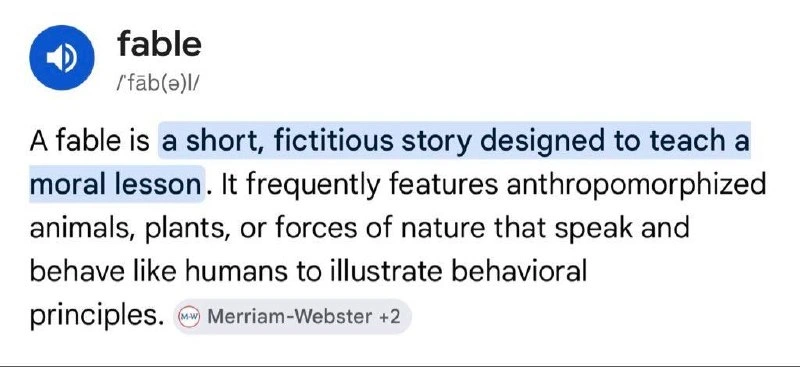
  • Engineering Team: This refers to the developers or engineers responsible for actually implementing the items in the backlog. In Scrum, they’re part of the Scrum Team (which includes developers, testers, etc.). Here the meme writes “Engineering Team” in red over a tiny yellow front-loader (an excavator tractor) with one person standing nearby. This little construction vehicle looks minuscule next to the enormous ship. The image is symbolic: the engineering team is very small relative to the massive backlog. It suggests a small group of devs is trying to tackle a colossal amount of work, much like one worker with a shovel trying to move a beached freighter. The visual gag is obvious – the poor engineer(s) are outmatched by the scale of tasks at hand.

  • Colossal product backlog stuck afloat: This phrase describes the situation. “Stuck afloat” references how the cargo ship (the backlog) is stuck in shallow water, unable to move forward. In a project sense, it means progress has ground to a halt because the backlog is so large and unwieldy. The engineering capacity constraints tag hints that the team doesn’t have enough capacity (time, people, resources) to get through this backlog quickly. They’re constrained in what they can do each sprint or work cycle. So the backlog just sits there, jammed and growing barnacles (metaphorically speaking), much like the Ever Given ship stuck in the Suez Canal.

  • Agile/Scrum context: In Agile development (and particularly the Scrum framework), work is typically planned in short cycles called sprints (usually 1-2 weeks long). The team picks a few top-priority items from the backlog to work on in the next sprint, aiming to complete them by sprint’s end. There’s also a practice called backlog grooming (or backlog refinement) where the team and product owner regularly review the backlog to clarify tasks, estimate them, and re-prioritize. The idea is to keep the backlog clean and manageable. However, the joke here is that despite those efforts, the backlog can become overwhelmingly large. Every sprint, new requests might come in from users or management (new features, change requests) and get added to the backlog. If the team is small (like that lone digger), they can only remove a few items at a time, while the backlog might be getting added to just as fast. This leads to a feeling that “we’re hardly making a dent.”

  • Capacity vs. backlog size: A small engineering team typically has a limited capacity – there are only so many work hours or story points they can complete in a given sprint. For example, a team of 3 developers might complete, say, 15 story points in a two-week sprint (story points are a unit to estimate work effort). If the product backlog has, say, 300 story points of work, it would take that team many sprints to finish everything if nothing else gets added. Now imagine if stakeholders keep filing new feature requests or ideas each sprint – the backlog could even grow instead of shrink. This mismatch in scale is exactly what the meme shows: one tiny team versus a backlog so huge it’s practically impossible to clear quickly. It’s a bit like a single plumber trying to drain a flooded lake with a small pump. The tag product_backlog_overload is essentially what’s happening: there’s an overload of items waiting to be done.

  • The Ever Given and the Suez canal reference: The photo itself (with the ship and the excavator) is not a staged meme image; it’s a real photograph from March 2021 when a huge container ship named Ever Given got stuck sideways in the Suez Canal (a vital narrow waterway for global shipping). The ship’s hull had the word “EVERGREEN” (the shipping company) written on it, but only “EVER” is visible in the meme’s cropped view. For nearly a week, that ship’s mishap blocked hundreds of other ships from passing through, causing a worldwide shipping jam. During that time, a tiny excavator and bulldozer were indeed trying to dig out the sand around the ship’s bow to free it – creating an almost comically David-and-Goliath visual. The internet latched onto that image as a symbol for any outsized problem met with insufficient resources. Here, the meme-maker cleverly labeled the ship “Product backlog” and the excavator “Engineering Team” to draw a parallel with software development: the big stuck ship represents an impassable backlog, and the little digger is the underpowered dev team trying heroically to solve it. Anyone who’s worked on a software project where the to-do list only grows can immediately relate to this scenario.

  • Why it resonates (especially with Agile teams): In Agile methodology (specifically Scrum), there’s an expectation of maintaining a sustainable pace and keeping work items bite-sized. But often companies adopt Agile in name, while still demanding more work than the team can realistically handle promptly. The result is a backlog full of unrealized ideas and features, which can become demoralizing. Developers joke about endless sprint planning sessions where they plan work for the next sprint knowing full well it won’t make much of a visible dent in the overall backlog. The term AgileHumor applies here because it’s pointing out an ironic contradiction: Agile is supposed to help teams respond to change quickly, yet here we have a humorous example of being stuck. Scrum teams have ceremonies (meetings) like backlog grooming and retrospectives meant to improve flow, but if the backlog is gargantuan, each ceremony might feel as futile as nudging that ship with a toy bulldozer. The meme captures that sense of futility in a funny way.

In simpler terms, the meme is using a dramatic real-life stuck scenario to say, “Look, this is how our work feels right now.” The engineering team is tiny, doing their best, and the product backlog is an enormous, unmoving wall of work. This is a common pain point in software projects, especially when there’s more ambition (or external demand) than there are developers or hours in the day. It’s a lighthearted way to commiserate. If you’ve ever heard a developer say “Our backlog is massive,” this meme just visualized exactly how massive it feels — Ever Given size massive! And the next time you’re in a stand-up meeting and someone shares this image, you’ll understand they’re humorously implying, “We have way more on our plate than this little team can realistically push through…we’re as stuck as that ship was!”

Level 3: Hard to Ship

At first glance, this meme repurposes a globally infamous event – the March 2021 Ever Given Suez Canal blockage – as an allegory for software development gridlock. The product backlog (all the planned features, bug fixes, and tasks in an Agile project) is humorously depicted as that gargantuan cargo ship wedged in the canal. Meanwhile, the engineering team is portrayed as the tiny yellow front-loader and lone worker on the shore, looking comically underpowered next to the towering hull. This stark visual exaggeration captures a feeling many dev teams know too well: an immovable backlog meeting an insignificant force. It’s an exaggerated snapshot of AgilePainPoints – when a Scrum team’s capacity is dwarfed by an ever-growing mountain of work. The humor cuts deep because it takes a real-world disaster (a stuck ship halting global trade) and says, “Yep, that’s basically our sprint planning meeting every week.” It’s a DeveloperHumor way to vent about engineering_capacity_constraints that turn every sprint into a Sisyphean task.

On a technical project level, this scenario arises when the demand (new features, requests, and bug reports flowing into the backlog) far exceeds the team’s throughput (what they can deliver each sprint). In Scrum terms, the team’s velocity – say they complete 20 story points per sprint – is completely outmatched by a backlog containing hundreds or thousands of story points worth of work. If stakeholders keep adding tasks as fast as the team finishes them (or faster), the backlog jam never clears. It’s akin to queuing theory in action: if the arrival rate of work ≥ the service rate, the queue (backlog) will grow without bound. In formula form, one could say:

$$ Backlog_{next} = Backlog_{current} - \text{TasksCompleted}{sprint} + \text{NewRequests}{sprint}~, $$

and if NewRequests ≥ TasksCompleted, the backlog size either stagnates or increases. In practice, this means even as the team dutifully chips away each iteration, the “Pending” column in JIRA never seems to shrink. The burn-down chart that’s supposed to slope downward instead turns into a flat line (or worse, trends upward) – a visual red flag that the team is essentially bailing out the Titanic with a coffee mug. This is the darkly comic truth behind the meme: everyone preaches “be Agile, iterate fast!”, yet here we are, sprinting in place against an inexorable product_backlog_overload.

Why is this funny to seasoned developers? Because it’s painfully relatable. We’ve all been that hapless excavator driver, tasked with “moving the needle” when the needle is a 200,000-ton cargo ship. The Agile ideal promises a flexible, flowing development pipeline, but reality sometimes feels like an impassable bottleneck. The meme resonates especially with those who’ve sat through BacklogGrooming sessions where the team spends hours pruning and clarifying tasks, only to realize it’s a drop in the ocean. There’s an unspoken camaraderie (and cynicism) in these situations: everyone knows the ship isn’t budging anytime soon, but management still stands on the shore asking why the schedule is slipping. It’s a satire of corporate optimism versus engineering reality. The ProductManagementHumor here is that product owners and PMs often compile these colossal backlogs (“We need all these 100 features ASAP!”) without fully internalizing the limited horsepower of the dev team. The result? Developers end up context-switching, fighting fires, and taking tiny scoops out of a mountain of work, sprint after sprint.

Importantly, the Ever Given reference adds historical context that senior engineers appreciate. In the actual Suez Canal incident, one small digger really was tasked with freeing a ship the size of the Empire State Building tipped on its side. For days it seemed almost laughable – how could that possibly work? Similarly, in our software world, a handful of programmers are expected to “dig out” a project backlog so massive it’s practically run aground. The shared trauma of late-night deployment crunches and AgileHumor coping mechanisms makes this meme hit home. It’s a wry reminder that Scrum rhetoric (“deliver in small increments, maintain momentum”) can meet its match in an epic backlog that simply won’t bulge. And unlike the real Ever Given, which was freed after a week of herculean effort (and a well-timed high tide), a stuck product backlog can persist for months or years, haunting every planning meeting.

The humor also lies in the futility on display. Look closely: that little front-loader is still digging. In real life, when a sprint ends and the backlog remains huge, what do we do? Start the next sprint and keep digging! When progress is microscopic compared to the goal, all you can do is laugh (lest you cry). Veteran developers have a slightly masochistic chuckle here because they’ve experienced the AgilePainPoints of promising to “ship” software when, in truth, the ship is stuck. The text “Product backlog” on the ship’s prow and “Engineering Team” on the digger perfectly labels the power disparity. It’s a modern tech spin on David vs. Goliath: except in this version, Goliath isn’t evil – he’s just an overwhelming pile of user stories and tickets. As a cynical veteran might quip, “Our backlog’s not just big, it’s enterprise big – bring your hard hat and a lunch.” In other words, the meme gets a knowing sigh and a laugh because it’s exaggerating something that is barely an exaggeration at all in many workplaces. Everyone in software has at some point thought, “We need a miracle (or a much bigger team) to get this done.” And if miracles aren’t forthcoming, well, you get out your shovel and start digging anyway.

To cope, developers often resort to dark humor exactly like this meme. The tags like AgileHumor and DeveloperMemes exist because sometimes you have to joke that maybe we should just delete the backlog and start fresh. In fact, one tongue-in-cheek “solution” many overburdened teams fantasize about is:

# In case of emergency, clear out the entire backlog (just kidding...sort of)
rm -rf /project/product_backlog/*

Of course, no one can actually do that without getting fired – but imagining it feels cathartic. The reality is you can’t simply wish the work away, just like that tiny digger couldn’t magic the ship free. It takes a combination of strategy and brute force: in the Suez case, dredgers, tugboats, and a high tide; in software, perhaps hiring more devs (mindful of Brook’s Law that adding manpower can also complicate things), de-scoping features, re-prioritizing ruthlessly, or extending deadlines. Seasoned engineers recognize the subtext: this backlog didn’t become monstrous overnight and won’t be cleared overnight either. The meme’s comedic genius is aligning that truth with a vivid real-world metaphor. It wraps a critique of ProjectManagement realities (ever-growing scope, limited resources, and management’s sometimes naive expectations) inside an image so absurd yet apt that you can’t help but laugh. In summary, Level 3 readers see this and chuckle knowingly – it’s a snapshot of Agile ideals running aground on the shoals of reality, a situation simultaneously tragic and hilarious in its familiarity.

Description

This meme uses the famous 2021 photo of the Ever Given container ship stuck in the Suez Canal. The massive bow of the ship, which has 'EVER' visible on it, is labeled in red text as 'Product backlog'. On the sandy bank of the canal, a comically small excavator and two workers are positioned next to the colossal vessel, labeled 'Engineering Team'. The image perfectly captures the overwhelming and often hopeless feeling experienced by software development teams when faced with an enormous, ever-growing product backlog. The scale difference between the tiny excavator and the giant ship serves as a powerful visual metaphor for an under-resourced engineering team trying to make a dent in a seemingly insurmountable mountain of tasks, features, and technical debt. It’s a relatable scenario for any developer who has felt their efforts are just a drop in the ocean

Comments

7
Anonymous ★ Top Pick That excavator is the senior dev trying to remove one small piece of tech debt while the PM keeps adding more containers to the ship and asking for an ETA
  1. Anonymous ★ Top Pick

    That excavator is the senior dev trying to remove one small piece of tech debt while the PM keeps adding more containers to the ship and asking for an ETA

  2. Anonymous

    Product: “Just increase velocity 20% and we’re on track.” Me, the lone digger whispering Little’s Law to an Ever-Given-sized backlog: “At this throughput, the only thing leaving the canal is my optimism.”

  3. Anonymous

    Just like the Ever Given, our product backlog has been blocking all forward progress since Q1, and somehow management thinks one excavator-sized engineering team can clear 400 meters of technical debt by next sprint. At least the Suez Canal eventually got unblocked

  4. Anonymous

    When the product backlog is so massive it literally blocks the entire delivery pipeline, and stakeholders keep asking why the engineering team can't just 'dig faster' with their single excavator. Bonus points if PM suggests 'just adding more excavators' without considering the canal's width constraints - classic resource allocation fallacy meets the mythical man-month

  5. Anonymous

    Classic Agile: tiny team shoveling story points while the JIRA arrival rate (lambda) exceeds our throughput (mu); Little’s Law says we’re not shipping, just landscaping

  6. Anonymous

    Enterprise Agile in one photo: splitting epics until they fit the shovel while Little’s Law reminds us the constraint is the canal, not the story size

  7. Anonymous

    Product backlog hits escape velocity: now it's the Ever Given of your delivery pipeline, partitioning throughput across the devops canal

Use J and K for navigation