Skip to content
DevMeme
5159 of 7435
Even Congress Deploys to Production Without Running Spellcheck or QA Pipelines
Documentation Post #5646, on Nov 9, 2023 in TG

Even Congress Deploys to Production Without Running Spellcheck or QA Pipelines

Why is this Documentation meme funny?

Level 1: No Spellcheck, Big Oops

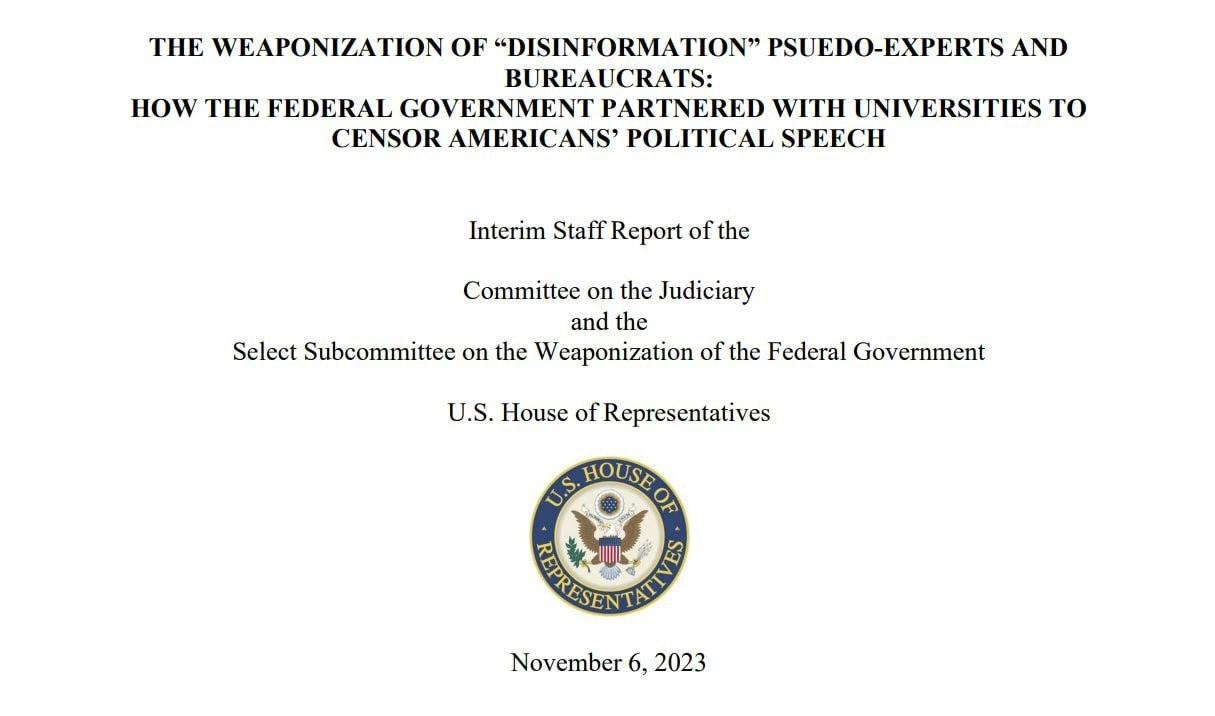
Imagine you’re writing a big school report or making a poster, and you accidentally spell one of the main words wrong in the title. Let’s say you meant to write “expert” but you ended up spelling it “exprt” by mistake. You didn’t catch the error, and nobody else checked your work. Then you turn it in and everyone notices the mistake — uh-oh! That would be pretty embarrassing, right? Well, that’s basically what happened here, except it wasn’t a school project – it was a real report from the U.S. Congress. They printed “PSUEDO-EXPERTS” in huge letters on the cover when it should have been “PSEUDO-EXPERTS.” It’s a simple spelling mistake, but it’s funny (and surprising) because we expect important official stuff to be carefully checked and perfect. This meme is pointing out that even grown-ups in very serious jobs can forget to proofread or use spell-check, and then a silly mistake goes out for everybody to see. It’s the same kind of laughable “oops” that can happen to anyone. The lesson here is easy: always double-check what you write for little mistakes. Even one misspelled word can stick out a lot – especially when it’s in big bold letters – and give people a chuckle while you’re left saying “oops!” No matter who you are, if you don’t review your work, you could end up sending out something with an obvious error that everyone can spot.

Level 2: Spellcheck Stage Skipped

Think of this situation in simpler developer terms: the U.S. House released an official report (a serious document) with a spelling mistake right in the title. They printed "PSUEDO-EXPERTS" instead of "PSEUDO-EXPERTS." In software development, that’s like deploying an application and finding out the main page has a very obvious error that everyone can see. It’s the kind of bug that a simple check should have caught before release. In other words, they pushed something to the public without thoroughly testing or reviewing it, and an obvious mistake slipped through.

Let’s break down why developers are chuckling at this. First, spellcheck is the tool or process that checks for spelling errors in text. It’s like a basic test for written content – your editor or word processor will underline misspelled words in red. Here, it looks like no one ran a spellcheck on that document at all. Next, QA stands for Quality Assurance, which means making sure everything works correctly and looks right before it goes out to users (or readers). In a software context, QA involves things like running tests, checking for bugs, and having people review the product. For a written report, QA would include proofreading the text or having an editor go over it. Skipping QA is risky because those processes are meant to catch exactly these kinds of mistakes. In this case, the normal QA steps didn’t happen (or weren’t thorough enough), because that big typo made it into the final published report.

In modern software teams, we use something called a CI/CD pipeline (Continuous Integration/Continuous Deployment pipeline) to automate checks every time we update our code. You can think of a pipeline as an assembly line for verifying quality. For example, when developers push new code, the pipeline might automatically build the project, run unit tests, and then run other checks (like a code linter). A linter is a tool that scans code for issues or enforces style rules. There are also linters for documentation that can catch spelling errors or formatting problems. If a spell-checking step or documentation linter had been part of their pipeline, it would have flagged "PSUEDO" as a misspelling (since the correct spelling is "pseudo"). In tech, we often set up gates in the pipeline for such checks – meaning the pipeline will stop and alert you if it finds a problem. A spellcheck gate, for instance, would prevent a document or code release that contains known mistakes. The joke here is that this report was effectively pushed out with no spellcheck stage in whatever process they used. In other words, a quality check that should have caught the error was either missing or ignored. This is what we’d call a missed CI gate: an automatic check was skipped or didn’t block the release when it should have. The end result? A mistake that would normally be caught early wound up in the live product (in this case, the printed report).

Another important practice is code review. In software teams, before code gets merged and deployed, other developers review the changes to catch mistakes and suggest improvements. It’s a second set of eyes on the work. If this report had an equivalent step – let’s call it a document review – then maybe another person would have caught the "psuedo" typo before it went out. This is very similar to what happens when a colleague catches a typo or bug in your code during a pull request review. Code reviews can sometimes feel like a hurdle (especially when they nitpick small things), but they’re incredibly valuable for maintaining quality. Here, it seems there was no effective review of the document’s text, which is analogous to no one reviewing a critical code change. The lack of review meant there was no safety net to catch that simple spelling error.

So why do developers find this so relatable and funny? Because it’s a perfect non-software example of a concept we deal with all the time: always test and review before releasing. Whether it’s code or a written report, if you skip the quality assurance steps, you can end up delivering something with an obvious flaw. It’s a bit comforting (and amusing) to see that even outside of tech, people forget to do these basics. The bottom line for a junior dev is: treat your documentation and writing with the same care as your code. Use spellcheck tools, do reviews, run your tests – all those steps you learn about in a good QA process. They might seem tedious, but they save you from big embarrassments, like shipping a feature with a glaring bug… or publishing a report with a giant typo in the title.

Level 3: "PSUEDO" Quality Assurance

PSUEDO-EXPERTS in big bold letters – a glaring typo on the cover of an official U.S. House report. For developers, that misspelling jumps out like a NullPointerException on a production dashboard. This meme highlights that even a formal government document can fail basic quality checks, much like software that wasn’t tested. It’s drawing a parallel between a congressional committee’s report and a software team deploying an app: in both cases, skipping Quality Assurance (QA) steps leads to embarrassing oversights. The report’s title about “weaponization of disinformation by pseudo-experts” ironically contains a "pseudo-experts" typo (they printed "PSUEDO" instead of "pseudo"), instantly undermining its documentation quality the same way a one-line bug can mar an entire feature.

Seasoned developers immediately recognize the humor and horror here. It’s the classic scenario of pushing to production without a proper QA process – a mistake we’ve all been warned about. Imagine a dev team rushing a hotfix and bypassing the code review: you merge your change thinking “it’s fine, just a small tweak,” and then an obvious bug slips through to users. That’s effectively what happened with this report. No one performed a thorough spell-check or peer review on this high-profile text. In software terms, the team behind the document merged a pull request with a glaring error because they skipped the safety nets. This is a prime example of a code review pain point: the one time you don’t get a second pair of eyes, a simple human error goes unnoticed. The fact that it’s a government publication doesn’t make it special – it just means their “dev pipeline” for documents has the same weak link as any rushed project: if you don’t double-check, inevitably something goes wrong.

From an engineering perspective, it’s startling that a mistake this blatant wasn’t caught by any automated or manual checks. In modern development workflows, we rely on Continuous Integration (CI) pipelines with multiple gates (build, test, lint, etc.) specifically to prevent "facepalm" moments like this. A simple lint tool or integrated spellchecker in their process would have flagged “PSUEDO” as a typo in seconds. (There are even developer utilities like codespell that catch common misspellings in code and docs – and "psuedo" is literally on its list of known blunders.) For instance, if this were a code change, the patch would be as trivial as swapping two letters:

- PSUEDO-EXPERTS
+ PSEUDO-EXPERTS

Clearly, that check either didn’t exist or was ignored, making this a textbook "missed CI gate" situation. It’s like deploying a new version of your website without running the test suite – the kind of oversight that gives DevOps folks nightmares. They essentially released to production without linting their content: no automated QA, and apparently no final manual proofread. The result? A very public spelling error in a government report that techies online gleefully pounced on as soon as it went live.

The contrast here is pure comedy gold for developers. Here’s an authoritative report on disinformation and “pseudo-experts”, yet the presentation itself falls victim to a basic error that any intern with Microsoft Word could have caught. This turn of events quickly became documentation humor on social media. Developers joked that “even Congress needs to implement a proper CI/CD pipeline,” and quipped about how the committee “weaponized disinformation but forgot to weaponize SpellCheck.” It’s a mix of schadenfreude and solidarity: as much as we cringe at the oversight, it’s oddly comforting to see that big institutions aren’t immune to the pitfalls of rushed releases. Even at the lofty level of a political speech censorship report destined for the national record, a lack of simple quality control led to a very down-to-earth blunder.

For senior engineers, this meme is a wink and a nod to a universal truth in tech (and life): if you cut corners on quality assurance, mistakes will slip through. It doesn’t matter if you’re deploying code to millions of users or publishing a Congressional report – the moment you think “nah, we don’t need to double-check that,” is precisely when a glaring error will bite you. There’s a bit of secondhand embarrassment, because we’ve all felt that pang after discovering a dumb mistake post-release. But there’s also relief: this time it’s someone else’s problem, splashed across the news for everyone to learn from. In the end, this cover page lives on as a case study in pseudo-QA (pun fully intended) – a reminder that whether you’re shipping software or a policy paper, skip QA at your own peril.

Description

The image is the stark white cover page of a U.S. House of Representatives report. In large, bold, all-caps type it reads: “THE WEAPONIZATION OF “DISINFORMATION” PSUEDO-EXPERTS AND BUREAUCRATS: HOW THE FEDERAL GOVERNMENT PARTNERED WITH UNIVERSITIES TO CENSOR AMERICANS’ POLITICAL SPEECH,” with the word “PSUEDO-EXPERTS” clearly misspelled. Centered beneath, regular serif text states: “Interim Staff Report of the Committee on the Judiciary and the Select Subcommittee on the Weaponization of the Federal Government U.S. House of Representatives.” A full-color congressional seal follows, then the date “November 6, 2023.” Visually it mimics a formal PDF title page, but the typo and sprawling subtitle instantly evoke the developer nightmare of un-reviewed documentation, skipped lint stages, and production pushes without automated spell-check gates
Comments

6
Anonymous ★ Top Pick Looks like their PR passed legal counsel but failed the CI spell-checker - ‘psuedo’ is the new null pointer in government docs
  1. Anonymous ★ Top Pick

    Looks like their PR passed legal counsel but failed the CI spell-checker - ‘psuedo’ is the new null pointer in government docs

  2. Anonymous

    When your ML model's confusion matrix becomes evidence in a congressional hearing, and you realize the real adversarial attack was regulatory compliance all along

  3. Anonymous

    When your government report has a typo in the title ('PSUEDO' instead of 'PSEUDO'), but you're investigating misinformation experts. It's like deploying to production without running spell-check in your CI/CD pipeline - ironically, the real disinformation was the typos we made along the way. At least they didn't use Comic Sans

  4. Anonymous

    CAP theorem applied to political speech: feds pick consistency + availability by ruthlessly partitioning dissenters

  5. Anonymous

    When your content‑moderation RFC ships with “psuedo‑experts” in the title, you already know the classifier’s precision is a rounding error and the governance board is your least reliable dependency

  6. Anonymous

    Shipping a disinformation report with "PSUEDO" in the H1 is the policy-equivalent of deploying with the spellcheck CI job commented out - comms just opened a Sev-1 PDF rollback

Use J and K for navigation