
Documentation Post #1308 · source on Telegram
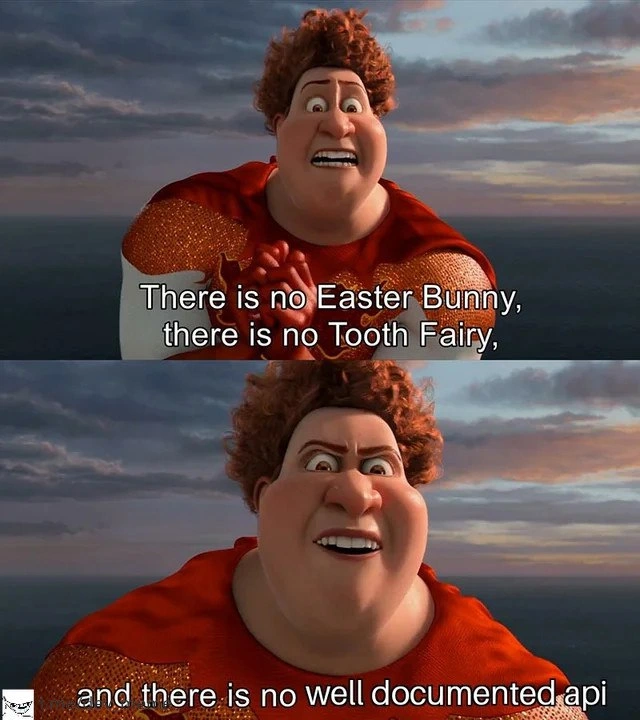
The Three Great Myths of Software Development
Description
A two-panel meme featuring the character Tighten from the animated movie Megamind, used to express a cynical truth about software development. In the top panel, Tighten looks distressed as he says, "There is no Easter Bunny, there is no Tooth Fairy,". In the bottom panel, his expression shifts to a menacing, conspiratorial grin as he delivers the punchline: "and there is no well documented api". This meme humorously equates the existence of good API documentation with childhood myths, highlighting a common and frustrating experience for developers who often have to work with poorly explained, outdated, or non-existent API docs. It's a relatable joke for any engineer who has spent hours reverse-engineering an API's behavior
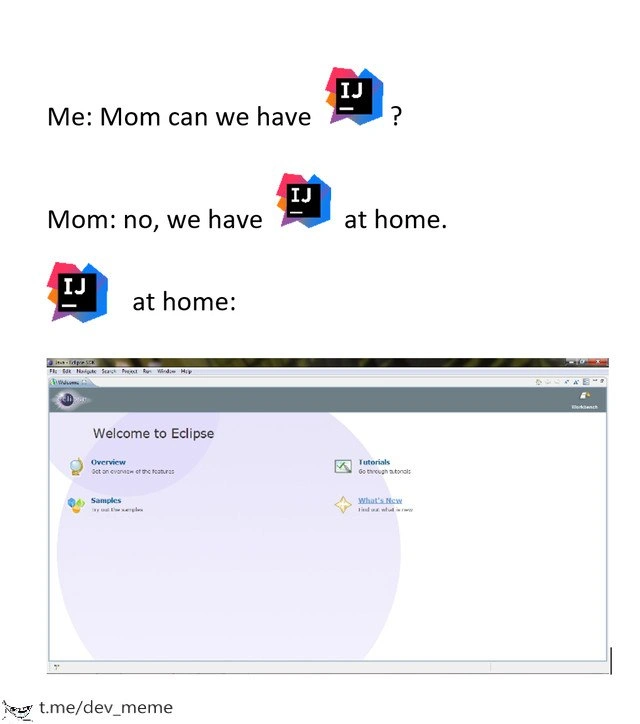

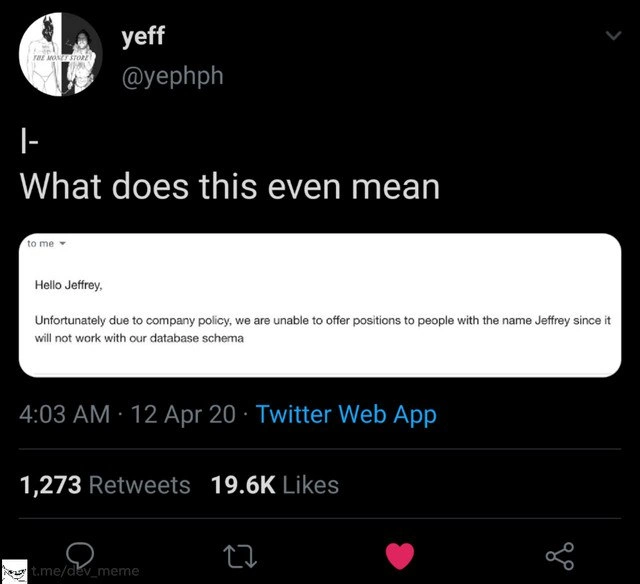
More like this
More like this in Documentation →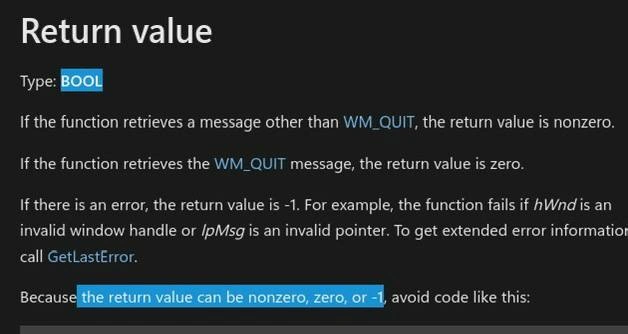
Use J and K for navigation
Comments
7Comment deleted
Some say that if you read a perfect, up-to-date Swagger doc under a full moon, the API gateway will grant you three nines of availability
“We’ll publish the Swagger spec right after MVP” is the grown-up version of “Santa’s coming” - by Q3 the only gifts we unwrap are Wireshark captures
The API documentation was actually written by the same contractor who promised the endpoints would be self-documenting - right before they left for a startup that's now your biggest competitor
Every senior engineer knows the real Easter egg hunt isn't finding hidden features - it's reverse-engineering an undocumented API by reading network traces at 2 AM because the vendor's 'comprehensive documentation' is three years out of date and consists entirely of a single cURL example that returns 401
Our API documentation is eventually consistent - the spec converges to production behavior after three quarters
Well-documented APIs: mythical as the Easter Bunny, but without the chocolate eggs to soften the blow
At enterprise scale, “well-documented API” means Swagger UI renders, auth lives in a Jira thread, and every sample cURL targets an endpoint retired in last quarter’s OKRs