
The Art of Code Camouflage
Description
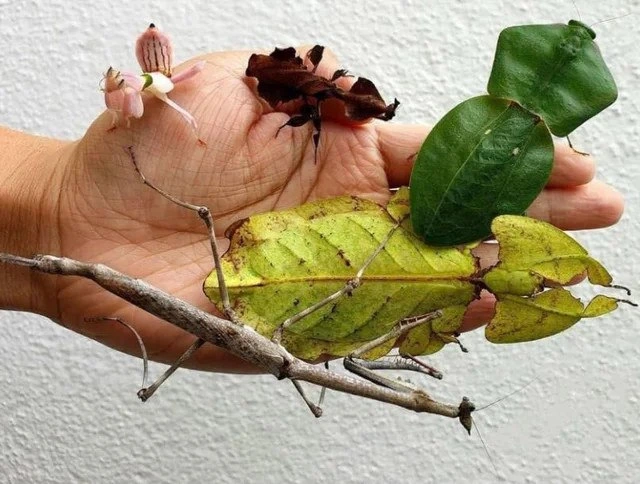
This is a high-resolution photograph of a human hand holding several remarkable insects that are masters of camouflage. The insects include a large green giant leaf insect, a smaller green leaf insect, a brown dead-leaf mantis, a delicate pink and white orchid mantis, and a long, thin stick insect. Each creature perfectly mimics a part of a plant, blending in seamlessly with its environment. This image serves as a powerful visual metaphor in the tech world. For experienced software engineers, it's a perfect representation of elusive bugs, hidden security vulnerabilities, or intentionally obfuscated code. These issues often hide in plain sight within a complex codebase, just like the insects in the photo, and can be incredibly difficult to spot during code reviews or testing. The photograph resonates with the frustration and challenge of hunting for a 'Heisenbug' - a bug that seems to disappear or alter its behavior when one tries to study it

Comments
14Comment deleted
This isn't a picture of insects; it's a visual representation of five bugs in a legacy codebase exhibiting polymorphism
The scariest bug is the one that extends Feature, implements Specification, hits 100 % coverage - then a month later you’re tracing a prod outage to the innocent-looking Twig class
This is what happens when you tell a senior engineer to 'go touch grass' - they come back with a perfectly curated collection representing the entire software lifecycle, from greenfield projects to brownfield maintenance, complete with the branch they'll need for the next git disaster
Every codebase starts as that fresh onion sprouting with promise and clean architecture. Six months later, you're maintaining the yellowing leaf with accumulated tech debt. Two years in, you're the sole keeper of ancient tribal knowledge for that dried twig nobody dares to touch - but hey, it's still in production and generates 40% of revenue, so 'if it ain't broke, don't refactor it' becomes your team's unofficial motto while you quietly update your résumé
Prod bugs at scale are like these insects: after enough sprints they implement Composite + Facade, look like leaf nodes, return 200 on health checks, and get roadmapped as “features.”
Bugs that survive refactoring because they look exactly like the business logic around them
Production bugs are leaf insects - perfectly camouflaged as “expected variance” on dashboards until a feature flag flips and your 0.1% trace sampling finally spots one at 03:00
Hmm, nice hand with features. Let's deploy it to production Comment deleted
Best coment what could be Comment deleted
Why do you have leaves in your hand? Comment deleted
They are all camouflaged bugs Comment deleted
I got it, I was joking with it dude Comment deleted
Beautiful bugs. 👻 Comment deleted
These are all mantises. Это всё богомолы. Comment deleted