Skip to content
DevMeme
1142 of 7435
The Mystery Hack That Passed
Debugging Troubleshooting Post #1277, on Apr 6, 2020 in TG

The Mystery Hack That Passed

Why is this Debugging Troubleshooting meme funny?

Level 1: The Magic Repair

This is like a broken toy suddenly working after you shake it, even though you have no idea what was loose inside. You are happy it works, but also suspicious, because if you do not know why it stopped being broken, you do not know when it will break again.

Level 2: Fixing Versus Understanding

A bug is behavior in software that does not match what people expect. Debugging is the process of finding why that behavior happens. Root cause analysis means identifying the underlying reason, not just the visible symptom.

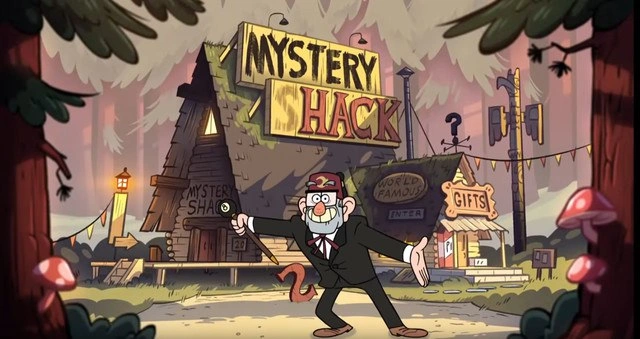
The image turns that uncertainty into a joke by making the fix look like a strange attraction called MYSTERY $HACK. A hack in programming can mean a quick, clever, or messy workaround. It may solve the immediate problem, but it might not be clean or well understood.

For a newer developer, this happens often. You change one line, install a package again, rename a variable, restart the dev server, and the problem disappears. That feels great for about ten seconds. Then the uncomfortable question arrives: what actually changed? If you cannot answer, you may not know whether the issue is fixed or simply hiding.

Good follow-up habits include writing down what was observed, adding a test for the failure, checking logs, reviewing the diff carefully, and looking for environment differences. The goal is not to make every small bug dramatic. The goal is to avoid shipping a mysterious patch that future-you has to decode while production is on fire.

Level 3: Root Cause Gift Shop

The image shows a cartoon tourist trap with the huge sign altered to MYSTERY $HACK, plus smaller signage like GIFTS and OPEN. The post caption says:

When you fix your broken code without ever figuring out what the problem was

That is the perfect pairing: the code works now, but the explanation has been relocated to the gift shop, where root cause analysis goes to sell commemorative mugs.

The humor is in the difference between debugging and appeasement. Debugging is supposed to build a causal chain: input triggers behavior, behavior hits bad state, bad state produces failure, fix removes the cause. The meme is about the other workflow: change a line, restart the app, clear a cache, update a dependency, reorder two statements, sacrifice a config flag, and suddenly everything passes. No theory survives contact with the green build.

Experienced developers know this feeling is not relief; it is deferred interest. A bug that disappears without explanation can mean the real defect is still present but no longer being triggered under current timing, data shape, environment, or dependency versions. It could be a race condition masked by slower code, an initialization-order problem hidden by a new import, stale state cleared by a restart, or undefined behavior that merely chose a more polite outfit today.

That is why MYSTERY $HACK works so well visually. The building looks like a roadside attraction selling wonder, not evidence. A workaround can be useful, especially under production pressure, but when it is committed without understanding, it becomes technical debt with a better alibi. The next developer inherits not just the code change, but also the missing explanation around it.

The painful industry pattern is that incentives often reward the mystery hack. The ticket closes. The release unblocks. The dashboard turns green. Nobody wants a two-hour investigation after the symptom vanishes, because the sprint board has already moved on to fresh regrets. Then, months later, the same failure returns wearing a slightly different stack trace, and someone asks why the original fix had no notes. A silence follows, rich with archaeology.

The meme is not saying every fix needs a doctoral thesis. Sometimes a small bug really is solved by a small change. But when code breaks and the team cannot explain why the change fixed it, the honest label is not "done." It is "observed remission."

Description

A cartoon scene resembling the Gravity Falls Mystery Shack shows a cabin in the woods with a large sign altered to read "MYSTERY $HACK," plus smaller visible shop signage like "GIFTS" and an "OPEN" sign in the background. A suited older man stands in front of the building with an inviting showman pose, while the sibling metadata caption says, "When you fix your broken code without ever figuring out what the problem was." The meme treats unexplained bug fixes as a tourist attraction: the code works now, but root cause analysis never found the exit.

Comments

1
Anonymous ★ Top Pick A fix without root cause is just undefined behavior with better timing.
  1. Anonymous ★ Top Pick

    A fix without root cause is just undefined behavior with better timing.

Use J and K for navigation