Skip to content
DevMeme
5916 of 7435
The Final Merge: A Study in Controlled Chaos
VersionControl Post #6476, on Dec 20, 2024 in TG

The Final Merge: A Study in Controlled Chaos

Why is this VersionControl meme funny?

Level 1: Tiny Poke, Huge Mess

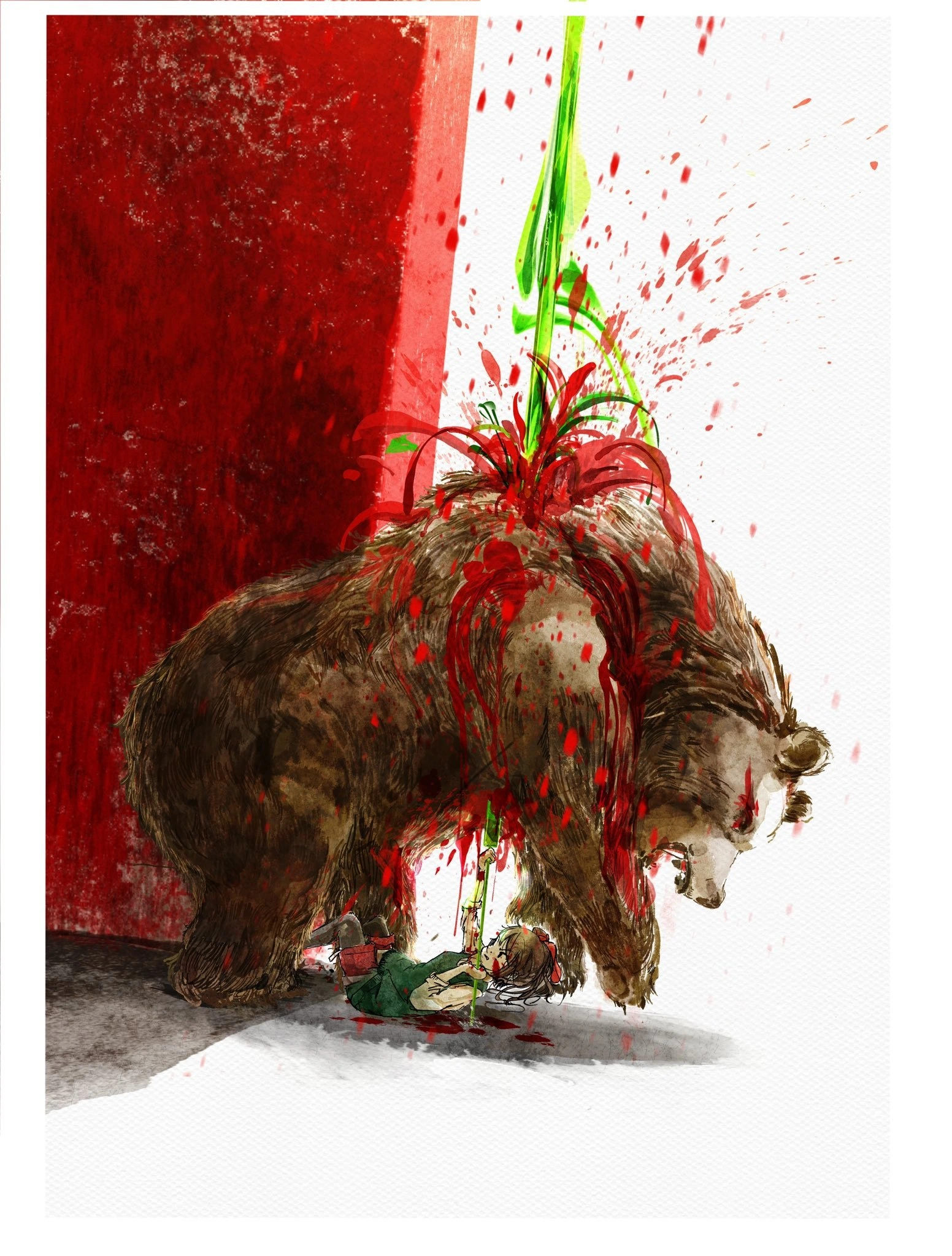
Imagine you have a giant tower made of blocks that’s very old and shaky. You see one small block that’s a bit out of place, and you lightly push it to fix the tower. But guess what? The entire tower falls down and blocks scatter everywhere! All you did was a tiny touch, yet it caused a huge mess. This meme is just like that. It’s like a little kid poking a big sleeping bear with a stick. You’d think a small poke wouldn’t do much to a huge bear. But the bear suddenly gets hurt and upset, and chaos explodes all around. In real life, it’s funny to imagine because it’s so unexpected – a little action causing a gigantic problem. The lesson is kind of simple: sometimes, fixing one little thing can accidentally break everything, just like a tiny poke that leads to an enormous mess.

Level 2: Small Fix, Big Crash

This meme highlights how even a tiny code change can cause a huge problem in a large, old system. The image is a metaphor: a little girl (think of a junior developer or any programmer making a change) pokes a giant bear (the legacy monolith, which is a massive all-in-one application). You’d expect nothing major from just a small poke (just a one-line code fix, a hotfix), but suddenly there’s a violent eruption of red and green fluid – a dramatic way to show the system breaking in a messy, catastrophic way. In software terms, that means the application started failing badly: errors everywhere (red blood-like splatter) and maybe a big memory leak or data dump (the neon-green goo) pouring out. The phrase “mortally wounds the legacy monolith in prod” is tongue-in-cheek: it means the one-line change effectively killed the big production app.

Let’s break it down in simpler terms. A legacy monolith is an old, large program where many parts are interconnected and run as one whole (monolith = one stone). It’s the opposite of modern microservices, where functionality is split into smaller independent services. Because everything in a monolith is woven together, a change in one place can have side effects in another. It’s a bit like a single, huge Jenga tower of code – all pieces stacked in one tall tower. If you pull or push one piece (modify a line), the whole tower can wobble or collapse if that piece was load-bearing. New developers often learn this the hard way when working on older systems that have a lot of technical debt (historical quirks and fragile code).

A hotfix is a quick patch applied to a live system (often to fix an urgent bug in production). It’s called “hot” because it’s done on a running, “hot” system rather than going through the usual slower development and testing cycle. Hotfixes in production (the live environment where real users are affected) are risky – without thorough testing, you might fix one thing and unintentionally break something else. Here, the meme shows an extreme outcome: the tiny fix didn’t just introduce a small new bug, it brought the entire application down. This absolutely qualifies as a ProductionFirefighting scenario: the devs now have to scramble to keep the business running, like firefighters trying to control a blaze that started from a spark of code.

Notice the green fluid spurting out of the bear. Many in the community joked that it looks like the system is “bleeding memory.” A memory leak is when an application keeps consuming memory (RAM) and doesn’t release it back. Over time, a leak can grow and cause the program to run out of memory, potentially crashing it. It’s a common bug in languages like C++ or C where you manually manage memory. In our scenario, perhaps the one-line change unintentionally caused a memory leak (imagine forgetting to free allocated memory or creating an infinite loop allocating more and more memory). The result? The program’s memory usage shoots up (like blood pressure), and the process eventually dies (the monolith is mortally wounded). Those red spatters in the picture can be seen as error messages or crash dumps flying out when the program fails spectacularly.

Now consider why the little girl in the image is so casual while doing something so dangerous. This mirrors a real situation: a developer might think “It’s just one line, no big deal,” especially if they’re less experienced or the change seems obviously correct. It’s akin to casually poking a problem without realizing the risks. In software teams, there’s even a phrase for this risky calmness: “What’s the worst that could happen?” The meme’s answer: the worst is a Big Crash in prod. The tags like OncallNightmares and ProductionIncidents are hinting that this scenario often happens during on-call shifts. On-call duty means a developer is responsible for quickly fixing any issues that arise off-hours. So imagine being that on-call dev late at night: you discover a bug causing trouble in the live system (maybe some feature isn’t working, or users are affected). You’re under pressure to fix it ASAP. You deploy a quick fix (maybe adding an if check or adjusting one parameter). But because the system is complex, that fix has an unexpected side effect – something you didn’t see in a quick test. Suddenly, a small bug fix turns into a bigger outage. It’s every on-call engineer’s nightmare: you were trying to put out a small fire and accidentally poured gasoline on it.

This meme resonates with developers because it’s an exaggerated visual of a real lesson: even minor code changes can have major consequences on fragile systems. It teaches the importance of careful Debugging_Troubleshooting and testing, even for one-liners, especially in an old production environment. Also, it humorously validates that panicky feeling when a deploy goes wrong. The next time someone says “It’s just a one-line change,” seasoned team members might jokingly recall this meme – reminding everyone that with a giant legacy codebear, there’s no such thing as a truly isolated one-line change. In short, small fix, big crash is a thing that really happens, and it’s equal parts terrifying and darkly funny when depicted as a tiny poke causing an explosion.

Level 3: Don't Poke the Bear

It’s 3 AM in production, and a well-meaning dev just poked the sleeping beast of a legacy system with a “harmless” one-line hotfix. The result? A gory production outage bloodbath. That huge brown bear in the meme is the monolithic application – a giant, hairy mass of tightly-coupled code and hidden state. The small girl jabbing it with a stick is our unsuspecting developer deploying a quick fix. And the eruption of red and neon-green fluids? That’s the monolith bleeding out: error logs and memory leaks spewing everywhere. This is what a BugsInSoftware horror story looks like. One moment everything’s fine (the bear is snoozing), the next moment our one-line change mortal wounds the beast, bringing the whole system down in a spectacular, messy fashion.

Why did a single line cause monolithic mayhem? In a sprawling legacy codebase, nothing lives in isolation. That “harmless” line might have altered a global variable or tripped a delicate assumption deep in the bowels of the code. In a modern, modular service, a small bug might only maul one microservice. But in a legacy monolith (where all components run together), a tiny change can cascade into a full-scale failure – a classic house-of-cards scenario. Seasoned developers know a monolith accumulates technical debt and mysterious interdependencies over years. A quick fix can tug one thread of this tangled web and unknowingly unravel critical functionality elsewhere. It’s the butterfly effect of bad code: one-line change here, catastrophic outage over there. “Don’t poke the bear,” we say – because one poke might hit an artery. In this case, that neon-green splatter suggests a nasty memory leak or corrupted state erupting from deep within the process. Perhaps the hotfix introduced an early return that bypassed cleanup logic, leading to skyrocketing RAM usage until the system’s heart gave out:

void processRequest(Request* req) {
    allocateResources();
    if (req->isSpecialCase()) {
        return;  // Hotfix: skip processing for special case to avoid bug
    }
    // ... normal processing ...
    releaseResources();  // Oops: never called for special cases, resources leak!
}

That one-line return fixed the immediate error for special cases, sure – but it also quietly bleeds memory (allocateResources() never freed). Under real traffic, these leaks piled up (like the bear hemorrhaging neon-green fluids), and soon our legacy_monolith_bleeding_memory collapses under its own weight. The on-call engineer’s tiny patch turned into a ProductionIncidents nightmare, as the monolith’s memory skyrocketed and the whole app crashed. It’s the kind of DebuggingNightmares scenario where dashboards light up red, alerts spatter your phone (much like the blood on the walls in the illustration), and logs gush out incomprehensible errors by the thousands. The unexpected_side_effects of that fix were worse than the original bug.

Now our poor developer (the green-dressed girl in the meme, probably a junior on their first OnCall_Nightmare) is figuratively covered in the fallout. She went in bravely to slay a minor bug, but ended up slaying the service instead. This is a DeveloperPainPoints rite of passage: learning the hard way how fragile a legacy monolith can be. Everyone in the war room is scrambling – rolling back the change, restarting services, and praying no data got permanently mangled. The meme’s dark humor isn’t lost on veteran engineers: we’ve all witnessed a “tiny fix, big explosion” moment. It’s both horrifying and comical in retrospect. As the on-call pager screams and managers wake up in cold sweat, you can almost hear that internal voice dripping with sarcasm: “Well, that escalated quickly.” The hotfix meant to save the day became the bear-sized bug that took it all down.

In the aftermath, a post-incident retrospective will dissect how a one-line change mortally wounded production. The blame likely falls on a mix of technical debt (why was the bear so easy to kill?), lack of testing (no one realized that stick would hit a vital nerve), and sheer unpredictability of complex systems. This meme perfectly captures the absurdity: a minor code tweak causing a ProductionOutage so severe it’s like a gory crime scene in the server room. Seasoned devs laugh grimly because it’s too real – they’ve navigated those 3 AM emergencies where a simple patch unleashes chaos. It’s the kind of hard-earned knowledge that turns optimists into cynical veterans muttering “never trust a ‘simple’ fix in a fragile system.” In short: poke an old, giant codebear in just the wrong spot, and you’ll be mopping up production blood for days.

Description

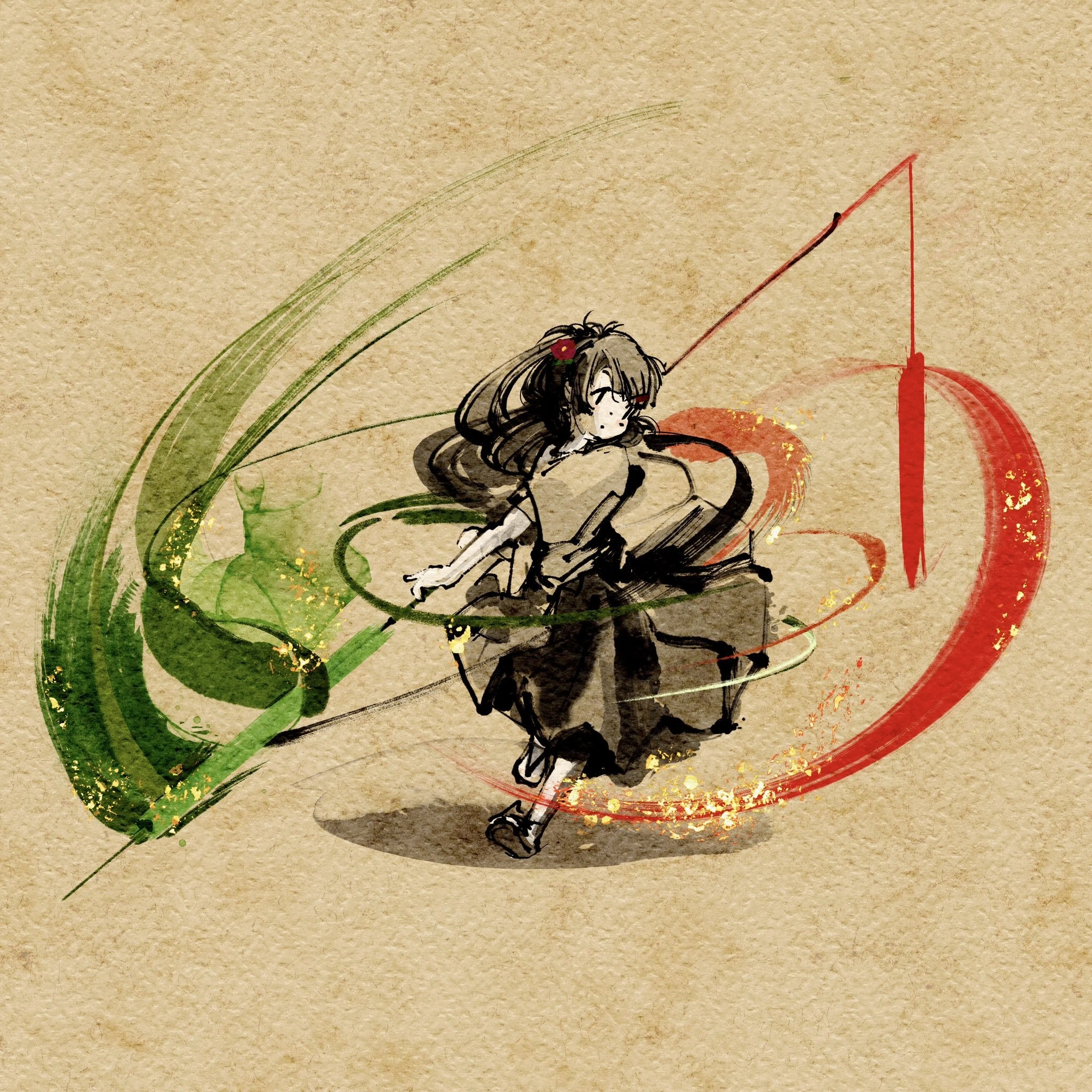
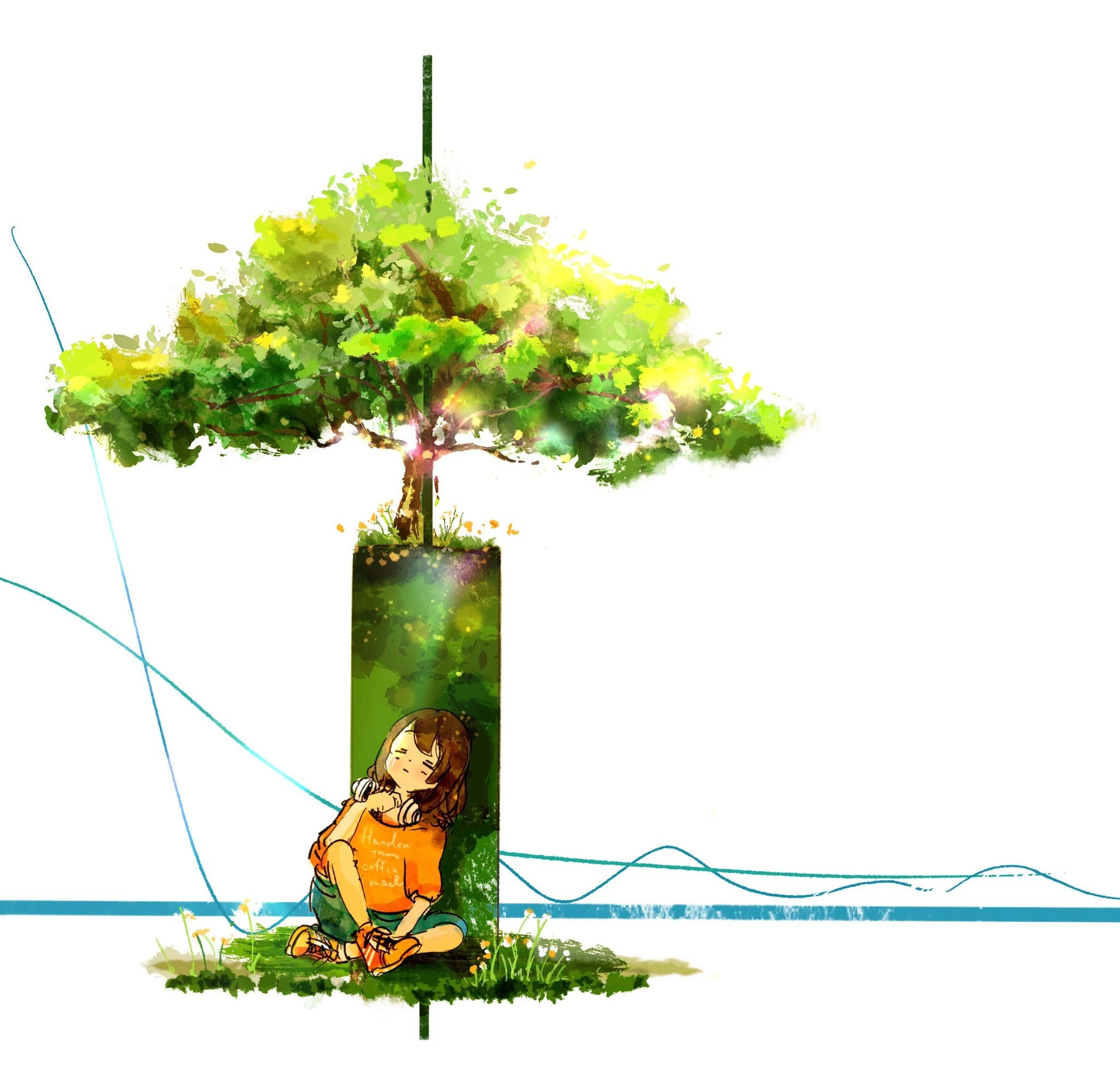
An abstract, energetic piece of digital art with a textured, canvas-like background. The composition is dominated by a powerful, sweeping black brushstroke that moves from the bottom left towards the center, suggesting momentum and finality. Splatters of vibrant colors - red, yellow, blue, and green - burst around this central stroke, representing the chaotic integration of multiple features, bug fixes, and last-minute changes. A few delicate gold leaf accents are scattered throughout, symbolizing the high value and critical nature of the final codebase being merged. The overall impression is one of intense, creative energy being brought to a decisive conclusion. This artwork visualizes the climactic moment of a development cycle: the final merge into the main branch before a production release. The black stroke is the main branch, solid and authoritative. The colorful splatters are the various feature branches, each with its own history and complexity, all coming together in a final, irreversible act. It captures the mix of excitement, anxiety, and focus that defines the moments just before deployment

Comments

7
Anonymous ★ Top Pick That final 'git merge main' before a Friday deployment feels exactly like this: a bold, irreversible stroke of genius mixed with a colorful explosion of hope and latent production bugs
  1. Anonymous ★ Top Pick

    That final 'git merge main' before a Friday deployment feels exactly like this: a bold, irreversible stroke of genius mixed with a colorful explosion of hope and latent production bugs

  2. Anonymous

    Proof that a single “harmless” line pushed straight to master can turn your brown-field into a bloodbath faster than Prometheus can scrape the metrics

  3. Anonymous

    When the PM says "just one more feature" and you realize your tech debt has finally achieved sentience and is coming for the entire ecosystem

  4. Anonymous

    This is what happens when you deploy to production on a Friday afternoon without a rollback plan - the bear represents your monolithic legacy system, the green shoots are your 'quick fix' microservices that only made things worse, and that crushed developer? That's the on-call engineer who just got paged at 3 AM to discover the blast radius includes every downstream service, the database is corrupted, and the last good backup was from three days ago. The red wall? That's your SLA dashboard

  5. Anonymous

    Classic 02:47 on-call move: ram a feature‑flagged hack straight through the monolith, stop the SLO hemorrhage, and schedule the root cause for ‘next quarter’

  6. Anonymous

    Green CI/CD umbrella? Adorable - until prod's grizzly corner case shreds it bare

  7. Anonymous

    Hotfixing in prod is like spearing a bear from underneath: you might stop the incident, but now you own the bear and the postmortem

Use J and K for navigation