Skip to content
DevMeme
4799 of 7435
A Project Manager's Dream: The Perfectly Executed User Story
Agile Post #5257, on Jun 25, 2023 in TG

A Project Manager's Dream: The Perfectly Executed User Story

Why is this Agile meme funny?

Level 1: The Surprise Chore Champion

Imagine your mom asked you to clean your room. You not only clean your room, but you also make your bed neatly, vacuum the whole house, do the laundry, and wash the dishes – all without being reminded. 😃 When your mom comes to check, her reaction goes from “Oh good, you started cleaning your room,” to “Wow, you even organized the closet!” to “Hold on… you cleaned the entire house and did all the chores?!” She’d be absolutely amazed and thrilled, almost not believing what she’s seeing.

In this meme, the developer is like that super helpful kid, and the project manager is like the astonished mom. Each time the developer does more than expected – starting the task, then doing every little part of it, then even writing everything down and double-checking it – the manager’s excitement grows. By the end, the manager is as surprised (and happy) as a parent whose child went above and beyond with their chores. It’s funny because usually people might do just the minimum, so doing everything properly is a big wonderful surprise!

Level 2: Jira Ticket Journey

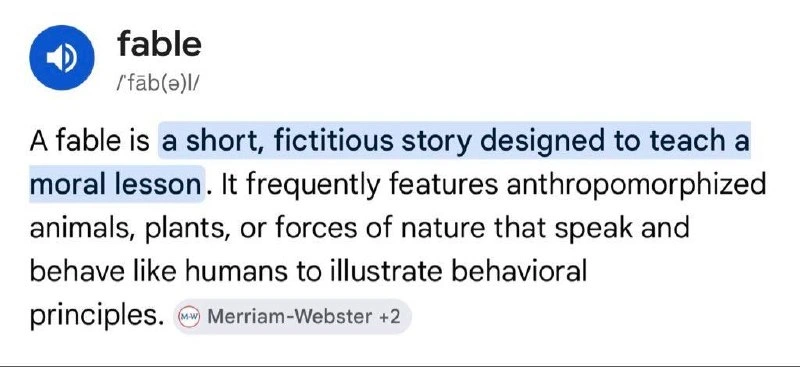
Let’s break down exactly what’s happening in this meme in simpler terms. It uses a popular Vince McMahon meme format to narrate the steps a developer takes while working on a task in an Agile project, and how the manager reacts at each step. Each panel corresponds to a milestone in the task’s Jira ticket journey from start to finish:

  1. Dev moved user-story to In Progress: In Agile project management (using tools like Jira or Trello), work items start in a backlog or “To Do” column. A user story is basically a short description of a feature or task from an end-user perspective (for example, “As a user, I want to reset my password”). When the developer begins work, they drag the story into the In Progress column. This signals to everyone that “I’m actively working on this now.” In the first panel, the text says this happened, and Vince McMahon is sitting fairly calmly. That’s because this is normal and expected – it’s the equivalent of starting your work. The manager is pleased to see progress, but it’s nothing to write home about yet.

  2. Dev added sub-tasks to the user-story: Sub-tasks are smaller, bite-sized tasks that make up the work for a user story. For instance, if the story is “Add login feature”, sub-tasks could be “Design login UI”, “Implement authentication API endpoint”, “Write unit tests for login”, “Update user guide for login feature”. By adding sub-tasks, the developer is organizing the work into clear to-dos. Not every developer does this; some might just keep everything in their head or in one big task. But creating sub-tasks is a good practice – it helps track progress on each part and ensures nothing is forgotten. In the second panel’s text, the dev does exactly that. Vince McMahon’s face there is one of surprise and growing excitement. Why? Because the manager or scrum master is thinking, “Wow, this dev is actually planning out their work in Jira! We can literally see each piece of the story being accounted for.” For a project manager, this is fantastic. It means less uncertainty and easier tracking during the sprint. It’s like a student not only starting an assignment but also outlining all the sections they’ll do – a sign of thoroughness.

  3. Dev closed all sub-tasks, added documentation and tests, then resolved the story: This is the big climax. Let’s unpack it piece by piece:

    • Closed all sub-tasks: The developer completed every one of those little to-dos they created. If there were five sub-tasks under the story, they ticked off each one as done. Nothing is left hanging. In Jira, closing sub-tasks often automatically updates progress or at least shows everything under the story is finished.
    • Uploaded acceptance criteria documentation: Acceptance criteria are the conditions that tell you if the story is truly satisfied. They’re usually written when the story is created (for example: “Reset password link sends an email to the user with a reset link; the link expires after 1 hour; the user can set a new password that meets security requirements”). Now, uploading documentation for acceptance criteria could mean the dev attached a document or wrote a comment explaining how each of those criteria has been met in the implementation. It might also mean they updated user documentation or a wiki to reflect the new feature. Essentially, the dev is providing proof and info that “Yes, I met all the requirements, and here’s the evidence or explanation.” This step is often skipped in the rush to finish a feature, so doing it is a pleasant surprise for any product manager.
    • Created functional tests with results: This means the developer didn’t just rely on their own coding and say “it works on my machine.” They actually wrote functional tests – tests that simulate actual user scenarios to ensure the feature works end-to-end. For example, a functional test for the login feature might automatically go through the steps of entering a username and password and verifying the login succeeds. Providing the results implies they ran those tests and maybe attached a screenshot or report showing they passed (all green). If you’ve heard of QA engineers or testers, they often do this kind of testing. Here the developer proactively did it themselves. This is another step that managers love to see but often have to nag for. It shows a level of quality assurance done by the developer, reducing the chances of bugs.
    • Resolved the story: In Jira, “resolve” or “close” the story means the developer moved that Jira card all the way to the final “Done” column. It signals that the feature is complete in every aspect and ready to be delivered or demonstrated. Often teams won’t move something to Done unless it meets all of the criteria (code is merged, tests are done, documentation updated). So this one line basically says the dev considered the story 100% finished and properly closed it out in the tracker.

    In the third panel image, Vince McMahon is shown with an expression of overwhelming excitement (eyes wide, possibly leaning back in his chair with a stunned look). This humorous exaggeration represents how a product owner or project lead might react internally: “I can’t believe it – the developer actually did everything we hoped they would do!” It’s project management heaven. Every piece of process that is supposed to happen in Agile actually happened.

So why is this so funny (especially for those in software teams)? Because it’s playing on the contrast between Agile ideal and reality. Agile processes like Scrum encourage teams to define a clear Definition of Done – a checklist that can include writing code, reviewing code, creating tests, updating documentation, and ensuring all acceptance criteria are met before a story is closed. In theory, every story in a sprint should end like this: all boxes checked, no loose ends. But in practice, sometimes developers are focused just on writing code that “works” and they might forget or skip the less glamorous tasks like documentation or even some testing, especially if they’re rushing. It’s common in Agile humor to joke about developers begrudgingly updating the Jira ticket or writing comments just minutes before the sprint review. ProjectManagementHumor often highlights how managers constantly remind teams to “please update your tickets” or ask “did you write tests for this?”

In this meme, the developer behaves in the best possible way, and the manager’s reaction escalates as if each step is an increasingly amazing surprise. It implies that managers don’t always expect developers to be this thorough, so when it happens it’s a moment of pure joy (and shock). It’s like the meme is saying: “If a developer ever did all of this without being asked, the PM might literally fall out of their chair in disbelief.” Everyone who’s used Jira or worked in sprints can chuckle at that. The use of the VinceMcMahon meme format – which is a series of images showing him getting more excited – perfectly emphasizes each additional step the dev took. By the final frame, he’s so overjoyed it’s comical.

To sum it up, this meme is a lighthearted take on Agile and SDLC best practices. It breaks down a normal Agile workflow (start work -> break into tasks -> finish all tasks -> meet all criteria -> close story) and exaggerates the reaction to completing each part. It’s funny to developers because we know we’re supposed to do all that, and it’s funny to project managers because they often wish devs would do all that. When someone actually does, it feels like winning a little office jackpot. And now you know why Vince McMahon is so hyped in that last panel – that’s a product owner who just witnessed a true Agile miracle! 🎉

Level 3: When “Done” Means Done

This meme spotlights a nearly mythical scenario in Agile development: a developer actually follows the entire user story workflow and checks every box on the Definition of Done without skipping steps. In the three-panel image, WWE’s Vince McMahon (known from the Vince McMahon reaction meme format) represents the product owner or project manager. His reaction escalates from mild approval to shock and euphoria as the developer methodically completes each Agile task:

  • Panel 1: “Dev moved user-story to in-progress.” – The developer has taken a Jira ticket (a user story on the board) and started working on it. For most Agile teams, moving a story to the “In Progress” column is a routine Jira workflow transition. Vince’s initial calm face here is like a product owner thinking, “Alright, at least it’s not stuck in the backlog. Work has begun, good.” This first step is expected in a SprintPlanning context, so it only earns a nod.
  • Panel 2: “Dev added sub-tasks to user-story.” – Now the dev isn’t just coding blindly; they’ve created detailed sub-tasks under that story. This indicates careful planning: perhaps separate tasks for the UI, the API, updating documentation, writing tests, etc. Many experienced developers smile at this because it shows the dev is organized and transparent. Vince leans forward, eyes widening – the project manager is thinking, “Wait, actual sub-tasks for each piece of work? This dev is on top of it!” It’s a sad reality that in many teams, sub-tasks are optional and often neglected. Seeing them added is an Agile project management delight. It suggests the dev is breaking the work down, which helps track progress and ensures nothing big is forgotten. This is already venturing into AgileHumor territory – we’re laughing because such diligence, while preached, is surprisingly rare in practice.
  • Panel 3: “Dev closed all sub-tasks, uploaded acceptance criteria documentation, created functional tests with results and resolved the story.” – This is the grand finale that sends Vince McMahon reeling backward in ecstatic disbelief. The developer has done everything: completed every sub-task (no loose ends!), updated or attached documentation confirming the acceptance criteria were met, written functional tests and provided their passing results, and finally marked the user story as resolved/done in Jira. This goes above and beyond what harried developers usually deliver by the end of a sprint. The product owner’s reaction is essentially: “This is unbelievable!” They’re thrilled because the story isn’t just code-complete; it’s truly Done-Done – meeting all the quality criteria defined at the start. In real life, wrapping up all those details (writing docs, tests, evidence of results) before resolving a story is like finding a unicorn. It fulfills the formal acceptance_criteria_documentation that Agile coaches harp on, and ensures all functional_tests_pass as required. Achieving this kind of completeness addresses a huge AgilePainPoint: often a “Done” ticket still has lingering tasks, missing docs, or untested code, which means it isn’t really done at all. Here, the meme humor comes from exaggerating a perfect world scenario that seasoned developers and managers wish happened every time. The DeveloperHumor kicks in because devs know how often we mark things done at 5 PM Friday with “tests to be written later”. And the ProjectManagementHumor is that managers dream of this thoroughness but seldom experience it.

For senior engineers and Agile veterans, this meme is a tongue-in-cheek nod to the gap between Agile theory and practice. Agile and Scrum frameworks define clear processes (write sub-tasks, meet definition of done, etc.) intended to improve product quality and team communication. But real-world pressures (tight deadlines, crunch, or just plain corner-cutting) often lead to only the bare minimum: code gets written and the Jira ticket is hurriedly closed to show progress. Important tasks like updating documentation or writing tests might be deferred or overlooked, violating the team’s agreed Definition of Done. This meme exaggerates the ideal behavior for comedic effect. The product owner’s ecstatic reaction reflects how astonishing it feels when a dev actually follows the Agile playbook to the letter – a mix of joy and disbelief. It’s funny because everybody in software knows that fully completing all those steps is what should happen for each story, but we also know it’s common for things to slip. Maybe a test case is forgotten or the “documentation” is a single-line note, and the story still gets closed. Here, the dev doing everything right is treated like a miraculous event. The seasoned folks chuckle knowingly: it’s sadly comical that adhering to process is meme-worthy. Underneath the humor, there’s an appreciation too – if more devs did this routinely, we’d have fewer last-minute scrambles before sprint review, and less technical debt piling up. But then, we might also suspect this dev is either new and enthusiastic or just tired of hearing “it’s not done until the paperwork is done” in retrospectives. Either way, the meme captures a core truth in SDLC (Software Development Life Cycle) project management: crossing the t’s and dotting the i’s of a user story can feel like an epic achievement. The result? One very happy (and frankly flabbergasted) project manager, and a development team that now has one less JiraTicket coming back to bite them later.

Description

A three-panel meme using the 'Vince McMahon Reaction' or 'Expanding Brain' format to illustrate a project manager's escalating delight with a developer's work habits. In the first panel, the text reads, 'Dev moved user-story to in-progress,' and Vince McMahon has a look of mild, intrigued surprise. In the second panel, the text is 'Dev added sub-tasks to user-story,' and McMahon's expression intensifies to wide-eyed excitement. The final panel shows the pinnacle of satisfaction, with the text: 'Dev closed all sub-tasks, uploaded acceptance criteria documentation, created functional tests with results and resolved the story.' Here, McMahon is shown leaning back in his chair in a state of pure ecstasy. The meme humorously captures the ideal agile workflow from the perspective of a product owner, scrum master, or manager. It celebrates a developer who not only does the work but also meticulously documents their process, breaks down the task logically, and provides clear evidence of completion against acceptance criteria. For senior engineers and tech leads, this is the gold standard of professional conduct, contrasting sharply with the common pain point of tickets being vaguely closed with little to no context, thus creating more work for QA and management
Comments

16
Anonymous ★ Top Pick A product owner seeing a developer this thorough is like witnessing a zero-downtime deployment of a legacy monolith - you're not sure if it's real, but you're too happy to question it
  1. Anonymous ★ Top Pick

    A product owner seeing a developer this thorough is like witnessing a zero-downtime deployment of a legacy monolith - you're not sure if it's real, but you're too happy to question it

  2. Anonymous

    Moving a Jira story to Done with docs, green e2e tests, and a spotless Sonar gate is the Agile equivalent of achieving consistency, availability, and partition tolerance - everybody swears it’s impossible, yet the PO’s already booking a parade

  3. Anonymous

    After 15 years of Agile, I've seen this happen exactly twice - both times the developer was leaving the company the next day and wanted to make their replacement's life easier

  4. Anonymous

    This meme perfectly captures that mythical moment when a developer doesn't just move a ticket to 'Done' but actually completes the entire definition of done - sub-tasks closed, acceptance criteria documented, tests written AND passing, story resolved. It's the software development equivalent of finding a unicorn. Most PMs have only heard legends of such developers, passed down through generations of sprint retrospectives. The escalating Vince McMahon reaction mirrors the project manager's disbelief: 'Wait, they moved it to in-progress? Nice. Oh, they broke it into sub-tasks? Professional! WAIT - THEY DOCUMENTED EVERYTHING AND WROTE TESTS?! IS THIS REAL LIFE?!' In reality, this level of thoroughness is so rare that when it happens, it deserves the same over-the-top celebration as a WWE championship win

  5. Anonymous

    When 'we need to collaborate more' means 'dev, do it all before retro questions velocity'

  6. Anonymous

    Moving a Jira card to In Progress is O(1); attaching acceptance-criteria docs, closing sub‑tasks, and uploading test evidence is the operation that finally flips the Definition‑of‑Done bit - and stops the compliance webhooks from paging you later

  7. Anonymous

    The only time Jira becomes a source of truth is when “Done” arrives with closed subtasks, attached acceptance criteria, and passing functional test results

  8. @viktorrozenko 3y

    Enterprise software Dev is fucking cancer ffs

  9. @viktorrozenko 3y

    They can shove their acceptance criteria up their ass

  10. @cksotofu 3y

    You guys code everything in a 1-day binge could as well write some docs ☺️

  11. @callofvoid0 3y

    user-story? never heard of

    1. @sc0rsch 3y

      jobless

      1. @callofvoid0 3y

        who writes story for users

  12. @s2504s 3y

    What are sub-tasks, statuses? Logging time into story with ststus new💪 For everything else is a PM

  13. @Sortafreel 3y

    If the task requires creating subtasks and defining acceptance criteria - then your manager sucks and the task wasn't refined properly.

    1. @dsmagikswsa 3y

      Totally agree. Only reason to create Subtasks would be share the work to others for me.

Use J and K for navigation