
Containerization Post #2837 · source on Telegram
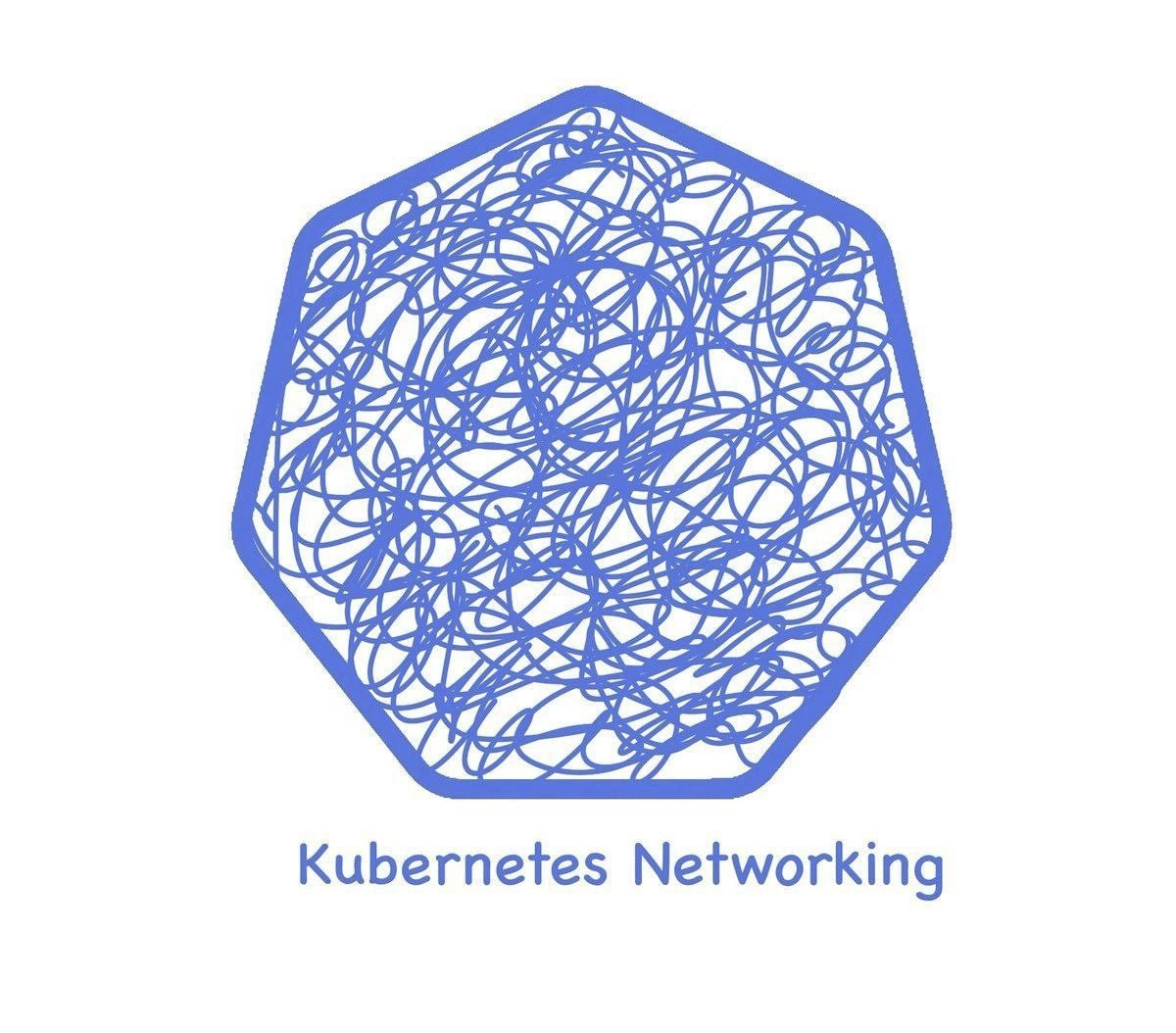
Kubernetes Networking: A Visual Representation
Description
The image features a stylized version of the Kubernetes logo, which is a blue heptagon. However, instead of the usual clean lines of the ship's wheel, the interior is filled with a chaotic, tangled scribble of blue lines, resembling a messy ball of yarn. Below this modified logo, the text 'Kubernetes Networking' is displayed in a simple, clean font. The meme humorously and accurately portrays the often-perceived complexity of Kubernetes networking. For experienced engineers, this is a relatable visual metaphor for the intricate web of services, ingresses, network policies, and CNI plugins that can become incredibly difficult to manage and debug in a large-scale distributed system
Appears in this field guide
More like this
More like this in Containerization →
Use J and K for navigation
Comments
10Comment deleted
They say in Kubernetes, no one can hear you scream. That's because the sound can't find a route through the service mesh
Every time someone says “Kubernetes networking is just flat Layer-3,” an eBPF filter gets wrapped in two overlay tunnels and an 800-line iptables chain scribbles itself into existence - there’s your cluster self-portrait
After 15 years in the industry, I've mastered distributed systems, consensus algorithms, and even understood the CAP theorem... but explaining why a pod can't reach another pod in the same namespace? That's when I update my LinkedIn to 'Kubernetes Networking Philosopher' and start charging consultant rates
Kubernetes networking: where 'it works on my machine' evolves into 'it works in my namespace, but not yours, and definitely not in production, and I have no idea why because the network policies look fine, the CNI is supposedly configured correctly, and tcpdump shows packets going in but never coming out, so now I'm questioning my entire understanding of OSI layers while the SRE team Slack channel fills with fire emojis.'
Every time I say "it's just CNI + kube-proxy," an eBPF daemonset, three NAT layers, and a hairpin appear faster than my MTU can fragment
Kubernetes networking: watch a packet get DNATed by kube-proxy, SNATed by the CNI, take a scenic VXLAN tour across three nodes, stop for a sidecar, and still be blamed on DNS
Kubernetes networking: overlay networks, all the way down
more like "kubernetes NOTworking"! Comment deleted
And here's why that's a good thing... Comment deleted
when spaghetti not only inside of your microservices Comment deleted