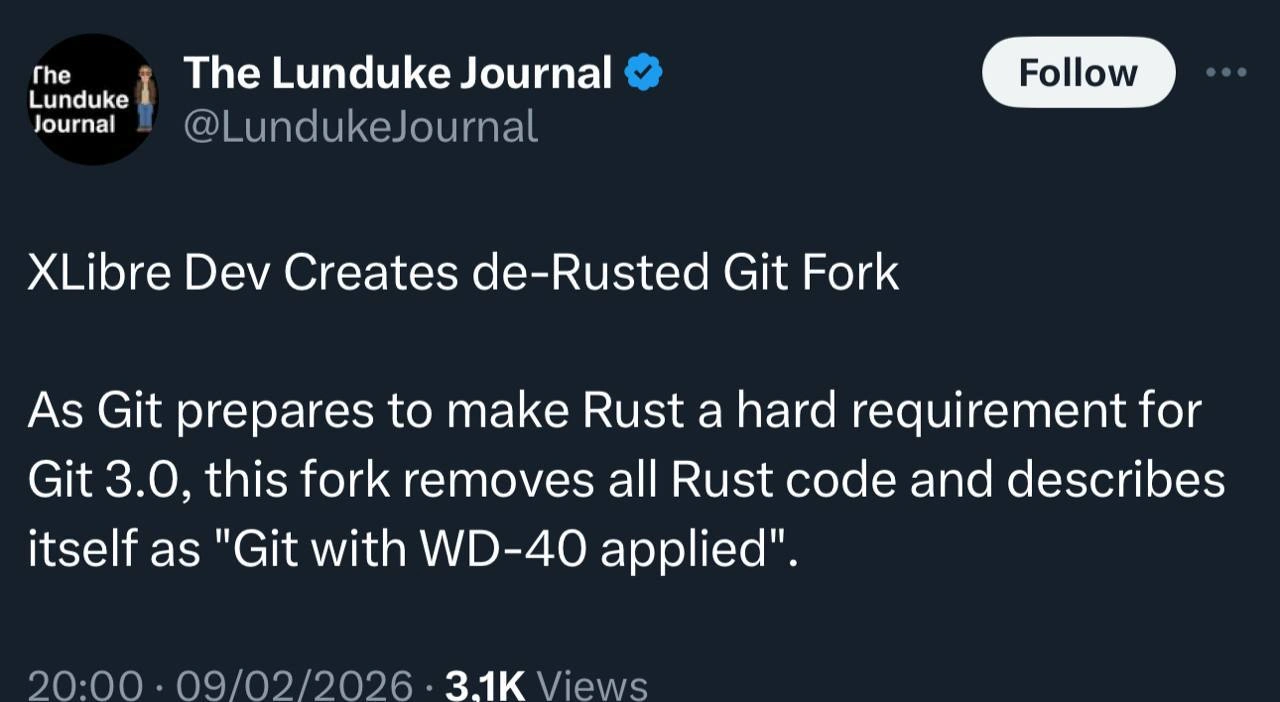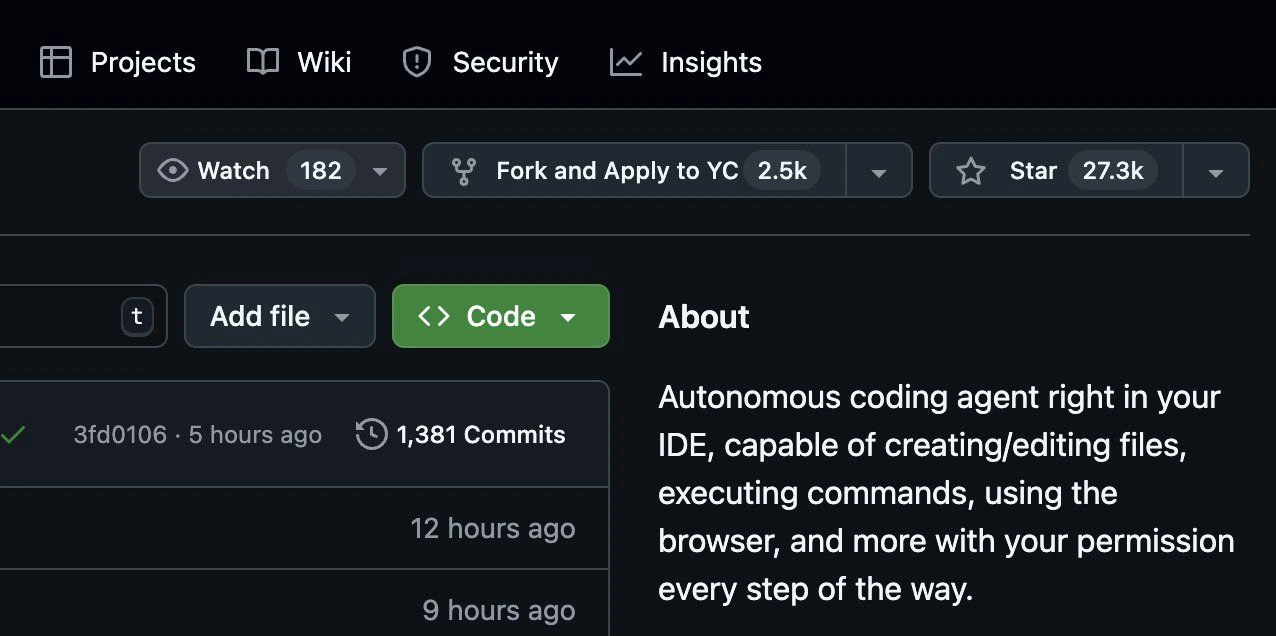
The Ego of a Developer After One Fork
Why is this OpenSource meme funny?
Level 1: Instant Fame
Imagine you draw a picture and show it to your class. One friend likes your drawing so much that they make their own copy of it. Suddenly, you feel like a famous artist! You start to act like you’re a big celebrity, even though only one person was interested. It’s funny because the person is treating a tiny bit of attention like they became super famous overnight. It’s an overreaction – feeling extremely proud and famous from just one friend copying your work – and that silly overreaction is what makes it humorous.
Level 2: First Fork Feelings
On GitHub (a popular platform for sharing code and using the Git version control system), a repository is like a project’s folder where all the code lives. When someone forks a repository, they make their own copy of that project under their account. It’s as if they clicked a button that says “Copy this project for me.” The original project’s page then shows a fork count – essentially a number telling how many people have done this. In the meme’s top image, that number is “1”. This means one person (other than the owner) thought the project was interesting enough to copy it. For an open-source developer, especially one just starting out, seeing that “1” for the first time is a big deal. It’s the first external sign of interest. Your work is no longer completely unnoticed!
Now, “ego skyrockets” means the person suddenly feels very proud or important. The joke is that the developer’s pride goes way up just because of this one fork. In the second part of the meme, the developer is so excited that they type “how to handle fame” into Google. Of course, realistically, having one person copy your code doesn’t make you famous. But in that moment, it feels like a huge achievement. This is poking fun at how developers sometimes react to these little milestones. In developer communities, people often care about metrics like how many stars their repo has (stars are like “likes” or bookmarks from others) or how many forks and watchers (people following the project) they have. One fork is a modest number – many big open-source projects have hundreds or thousands of forks – but to a newcomer, it’s the first step towards feeling recognized. It’s the kind of moment you might excitedly share in a chat: “Hey, someone forked my repo!”
So the meme combines these ideas: GitHub’s fork counter and an exaggerated reaction. The humor comes from the contrast. We expect “fame” to be something you worry about when millions of people know you, not when one person copies your code. By showing a Google search for dealing with fame, the meme exaggerates the developer’s reaction in a silly way. It’s a light-hearted joke about developer ego. Even if you’re new to programming, you can understand that feeling proud when someone shows interest in your work – and maybe you can also see it’s a bit funny to act like a celebrity after such a tiny success.
Level 3: One-Fork Wonder
On GitHub, seeing that little Y-shaped fork icon tick up from 0 to 1 can feel like a rite of passage for a project maintainer. In the top half of this meme, the repository header proudly shows “Fork 1,” meaning one person has created their own copy of the repo. The bottom half humorously cuts to a Google search for “how to handle fame”. This juxtaposition is a tongue-in-cheek exaggeration: the developer hasn’t actually gone viral, but that single fork sends their ego into orbit. It’s poking fun at how open-source developers (especially newer ones) sometimes treat minor project attention as if they’ve become overnight tech celebrities. In developer humor fashion, a trivial milestone is blown hilariously out of proportion.
From a seasoned perspective, this is highlighting the vanity metrics of dev communities. We all know those GitHub counters – stars, forks, watchers – that quantify a project’s popularity. They’re the coding world’s equivalent of social media likes. A lone fork is objectively a small thing (after all, popular projects have hundreds or thousands of forks), but psychologically it’s huge when you’re starting out. The first fork means “Someone noticed my code!” and that validation can be addictive. Maintainers might joke about fame, but there’s a grain of truth: going from zero to one fork is a 100% increase – a momentous jump from absolute nothingness to something. It’s the classic developer ego trap: your project gets a tiny bit of traction and suddenly you’re fantasizing about conference talks, sponsorships, and handling paparazzi at tech meetups.
There’s also an inside joke here about how fragile developer confidence can be. Many of us have been there – you refresh your repository page to check if that star count went up. When it finally does, you get a rush. This meme captures that rush and mocks it gently. The Google query “how to handle fame” is ridiculously premature, and that’s why it’s funny. It’s the open source equivalent of a garage band printing tour T-shirts after their first gig at a coffee shop. Experienced devs recognize this pattern and smile knowingly. Sure, it’s just one fork, but to the proud maintainer it feels like hitting the big time. In reality, one fork doesn’t guarantee pull requests or community adoption – it could even be a bot or a trivial copy – but emotionally it’s a milestone. The meme nails the combination of technical context (a GitHub repo’s fork count) with developer psychology (pride and excitement), creating a scenario every coder can chuckle at. It’s a playful reminder that in open source communities, even small victories can inflate our sense of importance, and that we should maybe hold off on the fame management classes until we have a few more forks on the board.
Description
The meme is a two-panel image. The top panel displays a user interface element, likely from GitHub, showing a 'Fork' icon and the word 'Fork' followed by the number '1'. This indicates that a software repository has been forked a single time. The bottom panel shows the Google search interface with the query 'how to handle fame' typed into the search bar. The humor stems from the juxtaposition of a very minor, common event in the open-source world - a single person making a copy of a project - with an egotistical and premature reaction of searching for advice on managing fame. It satirizes the feeling of accomplishment and inflated self-importance that developers, especially those new to open source, might feel from minimal external validation
Comments
7Comment deleted
That first fork is always exciting, until you realize it was just a dependency management bot preparing to file an issue about your outdated packages
Got my first non-Dependabot fork - time to add a CODE_OF_CONDUCT, enable GitHub Sponsors, and Google whether fame scales horizontally
After 15 years of maintaining enterprise systems with millions of users, the dopamine hit from that single fork notification still beats any quarterly performance review - because at least someone, somewhere, thought your weekend side project was worth ctrl+c, ctrl+v-ing into their own graveyard of abandoned repos
Ah yes, the classic developer milestone: one fork and suddenly you're Googling 'how to handle fame' like you just got acquired by Microsoft. Meanwhile, your actual problem is that the fork was probably just someone trying to fix your README typo. But hey, at least it's not zero forks - that's the GitHub equivalent of talking to yourself at a party. The real question is: did they fork it to contribute, or to rewrite it from scratch because your architecture made them question their career choices?
A single fork doesn’t make you famous; it just converts your commit history into a public API you’re now afraid to rebase
1 fork in OSS: someone's inheriting your tech debt - true fame is offloading maintenance
One fork and you’re drafting a governance model and pitching CNCF sandbox - meanwhile the CI still flakes on a clean clone