Skip to content
DevMeme
3823 of 7435
Finance is a Fiction, Crypto is the Fan-Fiction
Blockchain Post #4165, on Feb 4, 2022 in TG

Finance is a Fiction, Crypto is the Fan-Fiction

Why is this Blockchain meme funny?

Level 1: Make-Believe Money

Imagine you and your friends like to trade Pokémon cards or candy. You decide to use Monopoly money (the paper from the board game) as your way to buy and sell between you. Of course, Monopoly money isn’t real money – it’s just pretend, but if everyone agrees to use it, you can actually swap things with it in your little group. This is kind of like real money in our world: a dollar bill doesn’t have much value by itself (you can’t eat it or use it as a toy), but we all make-believe it has value, so we accept it in exchange for real stuff like food or toys. Now, imagine a new kid comes along and says, “Hey, let’s not even use paper money; I’ve made digital coins on my computer that we can use!” These coins don’t exist physically at all – they’re just numbers in a program, like points in a video game. Some of your friends get super excited about this and start trading their candy for these invisible coins, hoping to get more candy later when the coins become popular. To make it even more exciting, a famous movie star comes on TV and says, “These new coins are the future! Only the cool and brave kids use them.” Now it feels like a big Hollywood adventure!

The meme is joking that the first kind of money (the Monopoly-like money, which stands for normal money) is pretend – it only works because we all agree to pretend it’s valuable. The second kind (the computer coins, which stands for crypto) is even more pretend – it’s like a pretend game built on top of another pretend game, with an actor doing a commercial to hype it up. It’s making fun of how silly that can be. It’s as if one friend is already playing a make-believe game, and another friend says, “Let’s play make-believe inside your make-believe, and I even brought a celebrity to play with us!” The reason it’s funny is the exaggeration: regular money is already a bit imaginary, and crypto is portrayed as double imaginary – so imaginary that it sounds absurd when you put it that way. It’s like if you already had an imaginary friend, and then you said, “my imaginary friend has his own imaginary friend (and that one has a famous actor as a buddy)!” That’s super make-believe, and it makes people laugh. The meme uses a serious scene from a superhero movie in a silly way, which also adds to the humor. In short, it’s poking fun at grown-ups for sometimes treating made-up stuff as super important – and reminding us that whether it’s dollars or bitcoins, it all comes down to believing in the game.

Level 2: Fake Money, Real Hype

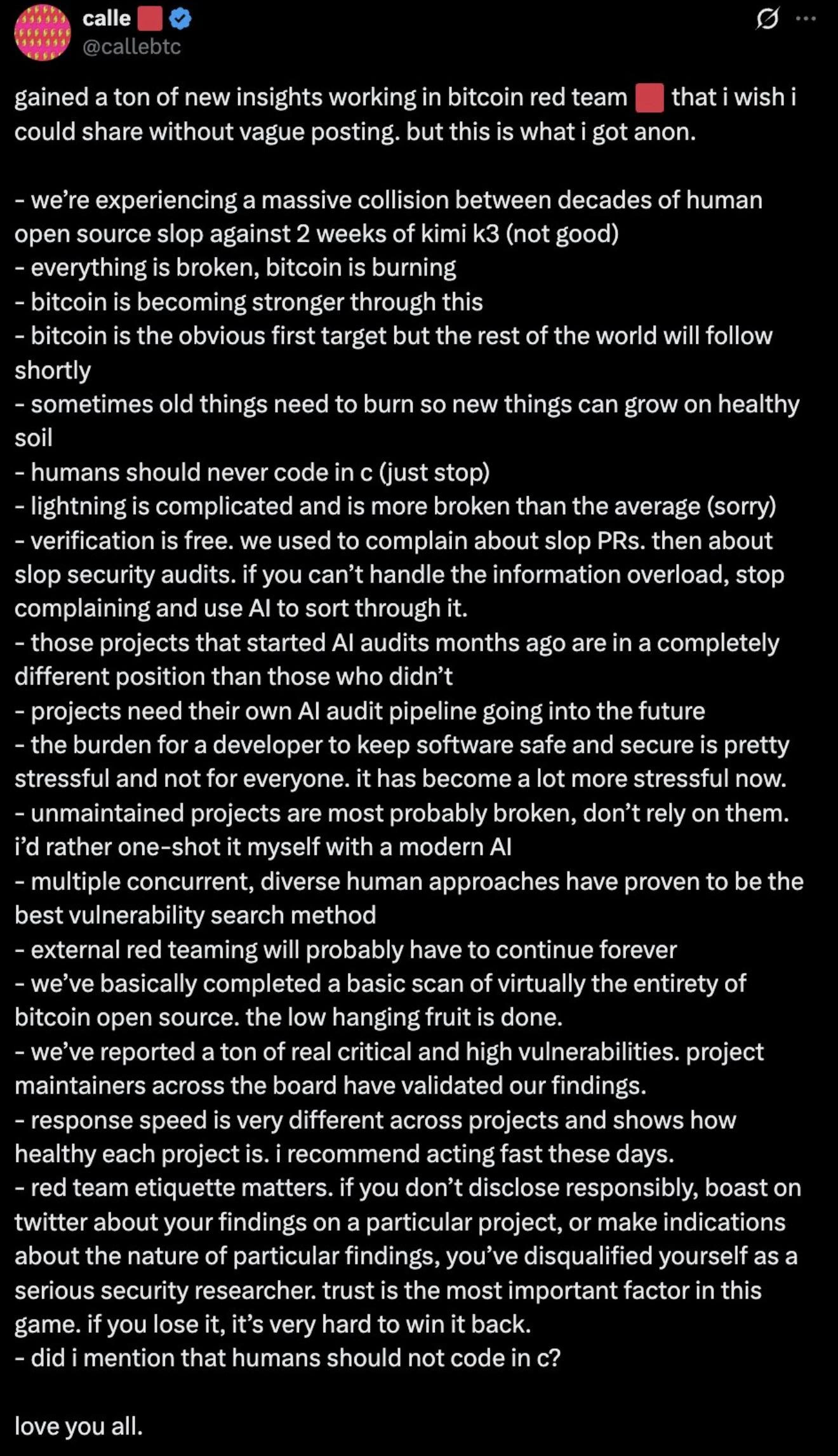
Let’s break down what’s going on in this meme. It uses two scenes from a Marvel movie (Thor and Loki in a dramatic moment) to compare the regular financial system with the crypto world, in a joking way. The top image is labeled “The Financial Economy” and lists bullet points: “Fake”, “Made Up”, “Fictional.” The bottom image is labeled “The Crypto Economy” with bullets: “Double Fake”, “Double Made Up”, “Double Fictional”, and “Featuring Matt Damon.” Basically, the meme is saying: Regular money is kind of imaginary, and cryptocurrency is even more imaginary – it’s like imaginary squared – and look, they even brought in a Hollywood actor to make it sound legit!

First, what do they mean by “The Financial Economy” being fake or made up? This refers to the idea of fiat money. Fiat money is the dollars, euros, and other currencies we use every day, which aren’t backed by physical commodities like gold. The term fiat literally means “by decree” – governments declare these pieces of paper or digital entries to be legal money, and we all collectively agree to treat them as valuable. If you have $100 in the bank, it’s not like there’s a $100 gold bar sitting somewhere for you; it’s valuable because society trusts that it is. In a sense, fiat money is a shared fiction – we pretend these little green pieces of paper (or the number on an ATM screen) have value, and as long as everyone plays along, it works. So “Fake, Made Up, Fictional” is an exaggerated way to say “hey, our real-world financial system is kind of based on make-believe too.” It’s not backed by anything tangible; its value is made up by agreement.

Now, “The Crypto Economy” gets labeled as “Double Fake, Double Made Up, Double Fictional.” Why double? The joke here is that cryptocurrency takes that made-up aspect and goes even further. Cryptocurrencies like Bitcoin or Ethereum are purely digital assets. They don’t exist as physical coins you can hold – they exist as entries on a blockchain, which is basically a decentralized database spread across many computers on the internet. A blockchain uses cryptography (math techniques for secure communication) to verify and record transactions in a secure, tamper-resistant way. This means you don’t need a bank to keep track of who owns what; the network and code does it. Cool, right? But from an outsider’s perspective, crypto can seem even more abstract than fiat money. At least governments issue fiat and can print more or regulate it. With crypto, some anonymous inventor (like Satoshi Nakamoto for Bitcoin) just created it out of code. Many newer coins were literally created as experiments or, in some cases, jokes (for example, Dogecoin started as a meme and then people traded it like it had real value). The meme calls the crypto economy “double fictional” to imply it’s one extra step removed from reality. It’s like saying: not only did we ditch gold for paper money (first fiction), now we’ve ditched paper money for fancy numbers on the internet (second fiction).

The bullet “Featuring Matt Damon” adds an extra punchline. This refers to a real advertisement where the actor Matt Damon promoted a cryptocurrency company (Crypto.com). In that ad – which was very high-profile around the time of this meme – Damon compares buying crypto to great achievements in history, basically encouraging people not to miss out. The meme jokingly lists him as if he’s a star in the “crypto economy” movie. Why? Because it’s highlighting how much hype and marketing glitz was around crypto. When you have a famous movie star endorsing your financial product, it feels more like Hollywood showbiz than a sober investment. It would be as if a superhero actor started telling everyone to use Monopoly money – it just makes the whole thing feel even more fantastical. So “featuring Matt Damon” is the meme’s way of saying, “Look how ridiculously overhyped this has become – they even got a Hollywood hero on the poster!” Many people in tech found that ad a bit cringey or over-the-top, so its mention in the meme is a nod that, yeah, the crypto craze was really putting on a big show.

Let’s connect this to terms you might have heard: FinTech, Blockchain, Cryptocurrency, and hype. FinTech stands for Financial Technology, which is an industry for innovative tech in finance – everything from mobile banking apps to digital currencies. Blockchain is the core tech behind most cryptocurrencies; it’s essentially a chain of blocks where each block contains a bunch of transactions, and once added, it’s super hard to change (because of cryptographic linking). This creates a secure ledger that no single party controls – that’s why people say crypto is decentralized (no central bank). A cryptocurrency is any digital currency that uses cryptography and blockchain as its ledger. Bitcoin was the first big one, and now there are thousands (Ether, Litecoin, Dogecoin, etc.). These currencies often promise a new paradigm of finance: more freedom, privacy, lower fees, no government control. That’s the sales pitch, at least. The reality? They’re extremely volatile (prices go up and down crazy fast), and many people buy them not to actually use as currency day-to-day, but to speculate – hoping to sell at a higher price later. This brings us to hype. Hype means excessive publicity or promotion, and in tech industry trends, hype cycles are when everyone can’t stop talking about a hot new thing, sometimes exaggerating its benefits. In 2021, crypto was everywhere – social media, news, ads, you name it. Companies were adding “blockchain” to their names just to get attention, new tokens were launching weekly, and celebrities were tweeting about coins. It reached a point where it felt less like careful investing and more like a fad or bandwagon, where fear of missing out (often called FOMO) drove people to jump in. When the meme says “double made up, double fictional,” it captures the skepticism that a lot of techies and finance folks felt: that this new crypto emperor might not be wearing any clothes, so to speak.

To a newcomer: yes, both the regular financial system and the crypto ecosystem are based on agreed-upon rules rather than physical stuff. Money has value because we trust it, whether it’s old-school dollars or digital coins. The meme isn’t saying money isn’t useful – it’s saying “don’t forget, it’s all kind of pretend at the end of the day!” It then cheekily adds, “and wow, crypto is like pretend-play with extra layers of pretending, plus a celebrity mascot.” It’s a humorous reality check. In plainer terms, imagine someone criticizing a magic trick for being fake, and then another magician comes and does an even flashier trick – the meme is pointing out that the second magician’s trick is just as fake, if not more, despite all the pyrotechnics and famous assistants. In summary, the meme uses a fun pop-culture reference (Thor and Loki’s scene) to convey a skeptical view: that our financial systems are built on stories we tell each other, and cryptocurrency is like a crazier sequel to that story – hyped with blockbuster theatrics, but still essentially a story. It’s a nod to anyone who’s felt dizzy from the BlockchainHype and needed a little satire to bring them back down to earth.

Level 3: Trickster Economics

This meme cleverly casts a famous Marvel scene to lampoon the hype around traditional finance versus cryptocurrency. In the images, we see Thor cradling a wounded Loki. It’s a dramatic moment from the movies – one where, notably, Loki is known for trickery and even faking his own death. The meme-maker labeled the top image “The Financial Economy” with bullet points “Fake, Made Up, Fictional.” The bottom image is labeled “The Crypto Economy” with points “Double Fake, Double Made Up, Double Fictional, Featuring Matt Damon.” This juxtaposition is TechIndustrySatire at its finest: it’s saying “Sure, the money system we’ve had for ages isn’t exactly tangible or real – it’s built on trust and imagination – but the new crypto system is even more absurd, a copy of a copy, with extra hype layered on.” And who better to represent elaborate deception than Loki, the trickster god? Even Thor (the caped warrior hero) looks distressed as if realizing he’s been duped twice. The scene is essentially one big illusion in Marvel lore, and the meme repurposes it to imply both kinds of economies are illusions too – with crypto being a flashier second act of the magic show.

For seasoned developers and finance veterans, the humor cuts sharp and close to home. Over the years, many of us have heard cryptocurrency evangelists deride fiat money as “fake paper printed by the Fed” or “just made-up numbers by banks.” Indeed, in the post-gold-standard world, traditional currency’s value does stem from a shared fiction: we collectively agree a dollar is worth a dollar. But then along comes the blockchain crowd proclaiming to revolutionize money – and what do we get? Often, just another set of entries in a digital ledger, arguably even more detached from physical reality. The meme captures this irony by taking the criticism aimed at old money (“fake, made-up, fictional”) and doubling it for crypto: “double fake, double made up, double fictional.” It’s a bit like saying, “If you think Wall Street is playing make-believe, wait till you hear about DeFi and meme coins!”

The kicker, of course, is the extra bullet: “Featuring Matt Damon.” This is a direct reference to a then-current event in the crypto industry: the high-profile Crypto.com ad campaign starring Matt Damon. In late 2021, Matt Damon appeared in a dramatic commercial urging viewers to embrace cryptocurrency with the tagline “Fortune Favors the Brave.” The ad was stylized like a blockbuster movie trailer, comparing crypto investors to explorers and astronauts. To many developers and skeptics, it came off as over-the-top BlockchainHype – essentially Hollywood glamour used to lend heroic credibility to what might be just speculative investing. The meme hilariously frames this by literally listing Damon as if he’s a cast member in the “Crypto Economy” production. It’s saying: not only is the crypto scene as concocted as the established finance world, it’s now hiring actors to make the fantasy look epic. A senior engineer or FinTech old-timer can’t help but smirk at that; it confirms a gut feeling that much of the crypto boom was more marketing sizzle than substance. (When a TechIndustrySatire meme name-drops a celebrity, you know it’s poking fun at how absurdly mainstream and glitzy the “nerdy” crypto realm has become.)

From a real-world perspective, this meme lands in early 2022, around the peak of a crypto hype cycle. Silicon Valley and Wall Street were obsessed with blockchain startups, NFTs were selling for millions, Super Bowl ads were touting exchanges – it was everywhere. To the battle-scarred veterans who remember the Dot-Com Bubble or the 2008 financial crisis, a lot of this felt like déjà vu. We’ve seen IndustryTrends where everyone claims the old system is broken and a shiny new tech will replace it – often accompanied by wild speculation. In the late ’90s, it was websites with no revenue selling for billions (until they crashed). In the mid-2000s, complex financial products were supposedly reinventing economics (until the housing bubble burst). Now crypto and DeFi promised to upend banking and make everyone rich, but seasoned devs know to be wary when people start saying “this time it’s different!” The meme encapsulates that wariness. It implies that the Financial Economy might be a necessary fiction, but the Crypto Economy feels like a high-budget sequel that’s even harder to believe. The Marvel imagery subtly reinforces this: Thor (representing perhaps the “old” world economy) is grounded and grim, while Loki (playing the part of crypto) is literally a trickster who might be pulling a stunt. And indeed, in Marvel canon, Loki’s death in Thor’s arms was a double fake – a deception squared – which perfectly parallels the meme’s text. It’s a chef’s-kiss reference likely not lost on fans: Loki wasn’t really dying at that moment, he was conning Thor (and us). Likewise, many suspect the crypto economy isn’t delivering the revolutionary change it dramatizes; it might just be conning a new generation of Thors (investors) with illusions of grandeur.

The humor also lies in the exaggeration (Fake vs Double Fake). It’s a classic comedic device: take a claim and escalate it to absurdity. “Made up” becomes “double made up.” It reminds experienced tech folks of all the times hype gets inflated beyond reason. It’s like someone saying, “The original product was vaporware – the new improved product is double vaporware with extra smoke and mirrors!” When you see bullet points stacking “Double Fictional” and even adding a celebrity endorsement as a bullet, it’s a pointed jab: The crypto world isn’t just a little more fictional, it’s fiction on steroids, packaged like a Hollywood sequel featuring a star cameo for good measure. Matt Damon’s involvement practically became a meme unto itself – many in the tech community joked about how surreal it was to have Jason Bourne pitching blockchain to the masses. A senior developer reading the meme might recall sitting through company all-hands meetings where suddenly the execs wanted to discuss “blockchain strategy” because it was the trendy thing, with just as flimsy an understanding. They might think of the countless Blockchain startups with glossy marketing but no real product, or the way some projects tried to legitimize themselves by name-dropping advisors or investors (the way a movie uses star power). “Featuring Matt Damon” epitomizes that superficial credibility boost – it doesn’t tell you anything about the tech or economics, it just sounds impressive to the uninitiated.

Ultimately, Trickster Economics as portrayed in the meme resonates with any coder or finance geek who’s had a healthy dose of skepticism beaten into them. It’s mocking both sides: the entire financial economy is shown as Loki (the god of mischief) – that’s already cynical! – and then crypto is Loki in another take, implying the same trickster in a slightly different costume. The meme doesn’t claim one is good and the other is bad; it basically laughs and says “they’re both kind of ridiculous fabrications – but boy, the second one has really outdone itself.” In a way, it’s a cautionary chuckle: even as tech progresses and we invent new financial paradigms, we shouldn’t fool ourselves into thinking we’ve created real value out of thin air just because the tech is cool. At the end of the day, whether it’s central bank money or crypto tokens, some Loki-like trickery is at play – and you might want to keep an eye out for where the real value (or the real Thor, so to speak) actually lies.

Level 4: Double-Spend vs Double Fake

On a fundamental level, money – whether traditional or crypto – is an agreed-upon illusion sustained by collective trust. In economics and computer science alike, value is often a shared fiction maintained by a consensus. For fiat currency (government-issued money), this consensus is social and legal: we trust central banks and governments to honor the value of pieces of paper or database entries. For cryptocurrency, the consensus is algorithmic: a network of computers uses mathematics and cryptography to enforce rules and agree on who owns what. It’s a bit ironic – we replaced trusting banks with trusting math and a distributed network, but the belief that a bitcoin or token is “worth” something still ultimately lives in human minds. Both systems rely on everyone playing along, kind of like Loki’s illusions requiring people to fall for them.

In the realm of computer science, cryptocurrencies solved a notorious theoretical problem: the double-spending problem. Normally, digital data can be copied endlessly – if digital money worked the same way, you could clone a dollar file a million times. Blockchain technology (like Bitcoin’s ledger) prevents this by achieving Byzantine Fault Tolerance. In simple terms, a blockchain is a distributed ledger that reaches agreement (consensus) even if some participants (nodes) are dishonest. Through heavy-duty computation – e.g. miners racing to solve cryptographic puzzles in Proof-of-Work – the network ensures each coin can’t be spent twice. This was a breakthrough: a trustless currency system, no central authority needed. Conceptually, it’s elegant math and game theory in action, aligning globally scattered strangers to maintain one source of truth.

Yet, the meme wryly implies that all this brilliant engineering just created a second layer of make-believe. We solved the double-spend problem, but did we end up with “double fake” money? The phrase “Double Fake” in the meme’s context is tongue-in-cheek, but it resonates with the idea that crypto might be a doubled-down abstraction. Fiat money was already an abstract representation of value (not backed by gold since the Nixon era); crypto is an abstraction on top of an abstraction – value defined by decentralized algorithms and network lore. The meme uses Loki’s double-crossing nature as a metaphor: fiat might be one trick, but crypto is an even trickier trick – a grander illusion. After all, a Bitcoin is just a long hexadecimal number secured by hashing algorithms; its value isn’t derived from any physical asset or guaranteed earnings, only from scarcity and shared faith. Fiat currency at least ties into governments, economies, and regulations, whereas crypto’s value floats on pure market sentiment and computational scarcity theatre.

From a theoretical perspective, this highlights a fascinating point: We’ve created self-consistent digital economies where proof-of-work, cryptographic hashes, and distributed consensus give the appearance of tangible reliability. The ledger is real in a mathematical sense – immutable and verifiable – but what’s recorded on it (who owns 50 ether) is just as ephemeral as any bank saying you have $100 in your account. Economic value has always been a social contract; blockchain simply replaces some human trust with cryptographic proof. But it can’t escape the human element entirely: if everyone stops believing in a cryptocurrency (or a fiat currency), its value drops to zero. In academic terms, both systems depend on a self-referential feedback loop of belief – in economics sometimes called reflexivity or even the “Tinkerbell effect” (the more people clap/believe, the longer Tinkerbell – or the currency – stays alive). The meme’s dark humor lies in recognizing this self-referential nature: the Financial Economy is already like Loki’s first illusion, and the Crypto Economy is an even more baroque illusion piled on top, complete with Hollywood special effects. The inclusion of “Featuring Matt Damon” in the crypto panel underscores how surreal it is that a complex cryptographic monetary system ends up recruiting movie stars to boost public belief. It’s as if the pure math-based system still has to lean on old-fashioned spectacle and hype – a final ironic flourish that makes the “double illusion” complete.

Description

A two-panel meme that cynically compares the traditional financial economy to the crypto economy using scenes involving the Marvel characters Thor and Loki. The top panel, labeled 'The Financial Economy,' shows the original dramatic movie scene where Thor grieves over a dying Loki. A bulleted list describes this economy as 'Fake,' 'Made Up,' and 'Fictional.' The bottom panel, labeled 'The Crypto Economy,' shows a theatrical, less convincing reenactment of the same scene, with an actor playing Thor performing chest compressions on an actor playing Loki. The bulleted list here escalates the critique to 'Double Fake,' 'Double Made Up,' 'Double Fictional,' and adds the punchline, 'Featuring Matt Damon.' The humor lies in its layered critique: it first posits that traditional finance is an elaborate fiction, then portrays the crypto economy as a low-budget, absurd parody of that original fiction. The 'Featuring Matt Damon' line is a specific jab at the infamous Crypto.com commercial, cementing the meme's commentary on the over-the-top, celebrity-endorsed hype that characterized the Web3 boom
Comments

13
Anonymous ★ Top Pick Traditional finance is a monolithic legacy codebase with questionable architecture. Crypto is the same codebase, but rewritten in a new framework by bootcamp grads, wrapped in a Docker container, and promoted by a celebrity who thinks 'git push' is a new workout
  1. Anonymous ★ Top Pick

    Traditional finance is a monolithic legacy codebase with questionable architecture. Crypto is the same codebase, but rewritten in a new framework by bootcamp grads, wrapped in a Docker container, and promoted by a celebrity who thinks 'git push' is a new workout

  2. Anonymous

    Traditional finance is the 1970s COBOL service nobody dares refactor; crypto is the weekend TypeScript rewrite that still calls the same mainframe endpoint - only now it ships a Super Bowl ad and `auditPending = true`

  3. Anonymous

    The only difference between fractional reserve banking and a Ponzi scheme is that one has a GitHub repo with 10,000 stars and promises to revolutionize finance

  4. Anonymous

    Crypto is just fiat with an extra layer of indirection - and like most added abstraction layers, it mostly added latency, gas fees, and a Matt Damon dependency nobody asked for

  5. Anonymous

    This meme perfectly captures the senior engineer's perspective on blockchain hype cycles: we watched traditional finance abstract away from physical assets into derivatives of derivatives, then crypto came along and said 'hold my beer, we'll build a trustless system that requires trusting exchanges, wallets, and celebrity endorsements.' The Matt Damon reference is chef's kiss - nothing says 'decentralized revolution' quite like centralized marketing campaigns featuring A-list actors telling you fortune favors the brave while VCs quietly exit their positions

  6. Anonymous

    TradFi is a centralized fiction; crypto is the same fiction but sharded, merklized, and VC-backed - solved double-spend, invented double-fake

  7. Anonymous

    TradFi: a battle-tested monolith of fiction. Crypto: sharded delusions with Byzantine consensus and Matt Damon as the celebrity validator

  8. Anonymous

    Call it double-entry tokenomics: debit attention, credit volatility; consensus finalizes via Proof-of-Marketing once the celebrity quorum clears 51%

  9. @tedspikes 4y

    This channel is like 90% Russians, I wonder how many know about the Matt Damon crypto ad

    1. @tiny_coin 4y

      Who is Matt Damon?

      1. @tedspikes 4y

        Some dude I dunno

  10. @staze 4y

    I dunno about it. Link it pls

    1. @tedspikes 4y

      I haven't seen it either, I just heard about it on twitter. Apparently there's an ad where Matt Damon calls you a pussy for not buying crypto

Use J and K for navigation