Skip to content
DevMeme
3924 of 7435
The Eternal Reign of the Temporary Workaround
TechDebt Post #4271, on Mar 15, 2022 in TG

The Eternal Reign of the Temporary Workaround

Why is this TechDebt meme funny?

Level 1: Duct Tape Forever

Think about patching a leaky pipe with a bit of tape. You’re in a hurry, water is spraying everywhere, so you quickly wrap tape around the leak to stop it for now. It works and the panic is over. You tell yourself, “I’ll fix it properly this weekend.” But then… you never quite get to it, and that tape stays there holding the pipe together for months. This meme is laughing at that exact habit, but in the world of computers. It’s funny because everyone knows the feeling of using a quick fix “just for now” and then realizing “for now” turned into a really long time. In simple terms, the joke is: when something breaks, we slap on a band-aid solution and then leave it there forever. The picture shows a cartoon character excitedly yelling for temporary fixes and happily keeping them forever. It’s like fixing your broken glasses with glue “temporarily” and still wearing those glued-together glasses years later. We laugh because we recognize ourselves – sometimes it’s just easier to stick with the quick fix and pretend we’ll fix it properly later (even if later never comes).

Level 2: Workaround All The Things!

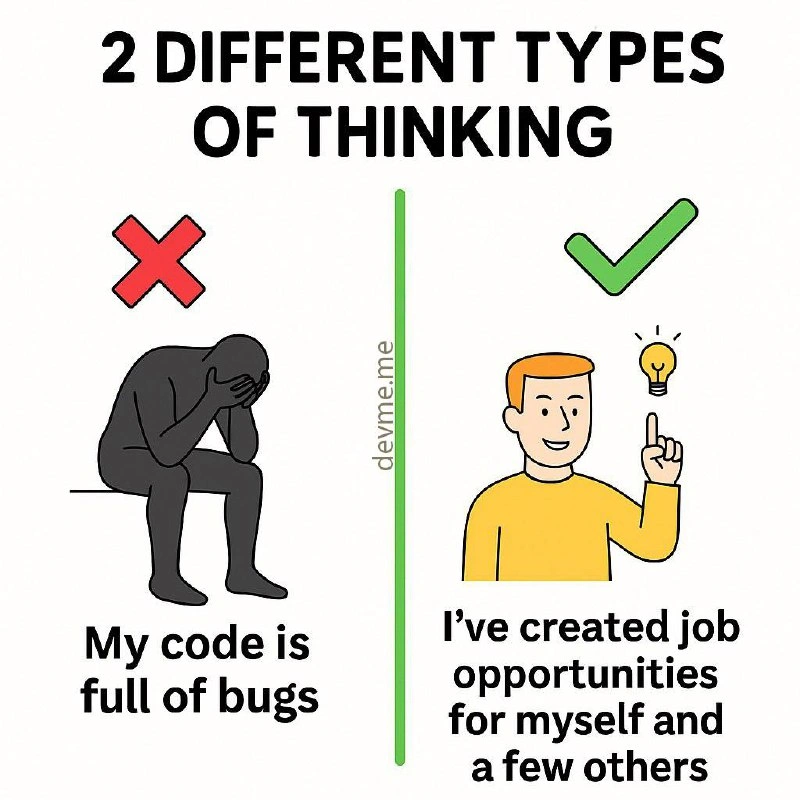
This four-panel comic cleverly references the famous “X all the things!” meme format (you might recognize the wide-mouthed cartoon with a broom). It’s a common layout where one character enthusiastically wants to do everything – in this case, apply workarounds to every problem. The scenario here is a bug in production, meaning something is broken in the live software that users actually interact with. That’s a high-pressure situation: real customers might be encountering errors or the website could be down. The text at the top, “When there’s a bug in production”, sets that urgent tone.

In the first panel, the character shouts, “What do we want?” It’s mimicking a rally or team meeting when a critical issue hits. In the second panel, a chorus of three excited identical characters yell, “Temp workarounds!” A workaround is basically a quick fix or a bypass. Instead of solving the underlying problem (which might take too long while the system is on fire), you do something easy and fast to work around the issue. For example, if a new feature is causing crashes, a workaround might be to turn that feature off or hard-code a safe value so the crash stops. It’s called “temp” (temporary) because the team intends to use it only briefly – just to keep things running until they can implement a proper solution.

The third panel asks, “How long will we use them?” – basically, “okay, we applied this quick fix, so when do we plan to get rid of it?”. The punchline comes in the fourth panel: “Indefinitely!” That means forever or for an unknown, endless amount of time. It’s the meme’s way of saying: we’re never actually going back to fix it correctly. This is a tongue-in-cheek commentary on what often happens in real software projects. People promise a hotfix is just for now, but then it stays in the code permanently.

Why does that happen? Several reasons that a junior developer can recognize or will soon experience:

  • Priorities shift: Once the production crisis is over, everyone’s relieved and they move on to the next feature or urgent task. The temporary fix, which is working, gets deprioritized for removal because “if it’s not broken right now, why touch it?”.
  • Forgetting or ignoring: It’s surprisingly easy to forget about that quick patch. Unless someone tracks it (like an item in the bug tracker or a big TODO comment), the team might just leave it. New developers joining the team might not even know that part of the code was a quick fix.
  • Fear of disturbing the system: The workaround might be kludgy, but it’s keeping things stable. People can become afraid to remove or change it, because what if taking it out brings the bug back? There’s an old saying, “If it ain’t broke, don’t fix it.” The temporary solution might have effectively “un-broke” things, so now folks are wary of messing with it.

All this leads to accumulation of what we call technical debt. Technical debt is a metaphor in software: it’s like when you take a shortcut (akin to borrowing money) – you save time now, but you’ll “pay for it” later with extra work or complications (like paying interest on a loan). Each quick fix is a debt because eventually someone should go back and clean it up properly. If you don’t, the codebase can become harder to maintain, just as debt can pile up and become harder to pay off.

Let’s put it concretely. Imagine there’s a bug causing the app to crash when a user’s profile picture is missing. The proper fix would be to handle that scenario in the code by checking if the picture is null and maybe providing a default image, and then thoroughly test that solution. But in production at 2 AM, the team might do a workaround: “Just put a blank image file named ‘default.jpg’ on the server so it never crashes,” or quickly change one line of code to skip the image processing if an error happens. That’s a quick band-aid. It stops the crashes right away, yay! However, this workaround doesn’t truly solve why the crash happened; it just avoids the situation. Debugging (finding and fixing the root cause) is postponed. If nobody schedules time to fix it properly, the app will forever rely on that dummy 'default.jpg' or that special code path. Over time, new features might have to work around the workaround, because the system’s behavior is a bit weird now. You can see how complexity grows.

The meme resonates with developers because it exaggerates a real feeling: the relief of “Whew, production is fixed for now” turning into “Hmm, we never got back to that fix, did we?” It’s common for teams to even joke, “Temporary is the most permanent state in code.” Each of those little hacks is one piece of TechDebt. Too much tech debt, and developers start to feel DebuggingFrustration – it’s harder to change or debug the code because of all the quirky patches layered over time.

To illustrate, consider a snippet of what such a code workaround might look like:

function fetchData() {
  try {
    return backendRequest();  // Try the normal operation
  } catch (error) {
    console.error("Production bug encountered:", error);
    // Temporary workaround: Use fallback data to avoid crashing
    return getCachedData();   // TODO: remove once backend is fixed properly
  }
}

In this JavaScript-like pseudocode, backendRequest() was supposed to fetch live data. Suppose that call was crashing the app (“bug in production”). The workaround here is in the catch block: if an error happens, we log it and then fall back to getCachedData(). That likely returns some older stored data so the app can keep working instead of completely breaking. There’s even a // TODO comment reminding us to remove this hack once the backend bug is fixed. But if nobody actually fixes the backend or revisits this code, that TODO will just sit there. Six months later, new developers reading this might find it and ask, “Err, is this still temporary or is this how it works now?” – often the answer is 🤷‍♀️ it became how it works.

The comic’s final shout of “Indefinitely!” is an exaggeration that feels true. It highlights relatable humor: everyone in software has seen a “quick fix” stick around far longer than intended. It’s poking fun at our tendency to procrastinate on proper bug fixing once the immediate pressure is gone. The use of the “All the things” character amplifies the joke – we’re enthusiastically doing the wrong thing (applying indefinite_hotfixes everywhere) even though we know better. The contrast between the energy (“Yes, do the workaround!”) and the outcome (“we’ll use it forever”) makes it comedic. It’s like a team cheer for bad habits, and that irony is what gets a laugh.

In summary, this meme is showing a common newbie-to-pro legend: quick fixes are contagious. As a new developer, you might be surprised how many “temporary” bits of code are in a mature codebase. Over time you learn that part of Debugging & Troubleshooting in real life is not just finding bugs in software, but also untangling old workarounds that became part of the system. The meme is a light-hearted reminder (or warning!) of that reality. It teaches that temporary solutions have a sneaky way of becoming permanent, so try to address the real issues when you can – otherwise you end up with a codebase held together by duct tape and prayers, much like the one in the joke.

Level 3: Patch Now, Refactor Never

When a bug explodes in a live production system at 3 AM, all lofty coding principles tend to fly out the window. The team’s battle cry becomes “ship a fix, any fix!” and that’s exactly what this meme lampoons. It’s a four-panel satire of our industry’s favorite anti-pattern: deploying a temporary workaround to quell a crisis, then never revisiting it. The top caption sets the stage: “When there’s a bug in production” – every veteran developer’s nightmare scenario. In the heat of a production incident, what does the team chant? “Temp workarounds!” (just like a protest rally demanding immediate relief). And how long will those hastily written hacks stay in place? Panel 4 screams the uncomfortable truth: “Indefinitely!” 🤦‍♂️

This is painfully relatable developer humor. We’ve all been there: an urgent bug strikes, users are impacted, alarms are blaring. There’s no time for elegant solutions or deep debugging; you grab the digital duct tape and patch the issue just enough to stop the bleeding. In theory, these are hotfixes or temporary patches – meant to be removed once the root cause is addressed properly. In practice, though, temporary often means permanent. The meme nails it: What do we want? A quick fix! How long? Forever! It’s a bitter joke about technical debt accumulation. Every quick hack we deploy “just for now” is like swiping a company credit card – you incur a debt that someday must be paid with interest (i.e., time and effort to clean it up... if that day ever comes).

Why is this so funny to experienced devs? Because it’s true. The phrase “Nothing is more permanent than a temporary solution” has become a running joke in IT departments. We’ve seen workarounds remain in critical systems for years. The codebase slowly fills with weird conditional logic, mysterious flags, and comment lines like // TODO: remove this hack. Everyone on the team knows that code was a band-aid, but as months pass without a follow-up, it quietly graduates from “temp” to part of the furniture. This is how TechDebt grows: one ignored workaround at a time.

The humor also pokes at our on-call culture. In an ideal world, after the firefight, you’d schedule a proper fix the next morning. Yet in the real world, once the fire is out and customers are happy again, management often shifts focus to the next feature or deadline. The “proper fix” task gets postponed, then forgotten. Nobody allocates time to refactor the kludge that “seems to be working fine.” Plus, there’s always the unspoken fear: if that shaky patch is holding production together, ripping it out might cause another outage. 😅 So the workaround stays “just a little longer”... and a little longer... until it fossilizes in the codebase.

The meme’s format itself is a playful reference. The character in the pink dress with a broom is from the classic “X all the things!” meme – usually used to express enthusiastic over-reaction. Here it’s repurposed: the wide-eyed figure passionately demands “Temp workarounds!” for everything. It perfectly captures that adrenaline-fueled determination to fix the issue by any means necessary. The three identical characters in panel 2 cheer in unison, representing the whole dev team (or maybe ops, QA, and managers) unanimously agreeing to hack things up right now. By panel 4, they’re all still cheering as the word “Indefinitely!” seals the joke – a darkly comic agreement that these indefinite_hotfixes are here to stay.

In essence, this meme is a nod (and a wink) to every seasoned engineer’s war stories. It highlights the gap between what we say (“temporary fix”) and what we do (leave it in place forever). The tech debt this creates can haunt us later, causing weird side-effects and making future debugging a nightmare. But in the heat of the moment, as this meme shows, everyone’s just ecstatic that the system is back up. Patch now, refactor never becomes the unspoken motto. It’s funny in the same way gallows humor is funny – we laugh to cope with the fact that we’ve all added a “quick fix” that outlived its intended lifespan by years. This shared “been there, done that” experience is what makes the meme so spot-on and relatable. Each panel is basically us consoling ourselves with a laugh: “Yup, that’s exactly how that last outage was handled… and we’re probably still running that kludge in production.”

Description

This meme uses the classic four-panel 'What do we want?' protest chant format, featuring the 'All the Things' character from the webcomic Hyperbole and a Half. The top text sets the scene: 'When there's a bug in production'. The first panel shows the character shouting, 'What do we want?'. In the second panel, a crowd of these characters replies, 'Temp workarounds!'. The third panel poses the follow-up question, 'How long will we use them?'. The final panel delivers the cynical punchline, with the crowd enthusiastically yelling, 'Indefinitely!'. This meme perfectly captures a painful truth in software development: fixes implemented under pressure to resolve urgent production issues are often intended to be temporary, but end up becoming permanent parts of the system. For experienced engineers, this is a deeply familiar scenario where the ticket to create a 'proper' fix is endlessly deprioritized, allowing the quick-and-dirty patch to solidify into technical debt
Comments

9
Anonymous ★ Top Pick There is nothing more permanent than a temporary solution that passes its unit tests
  1. Anonymous ★ Top Pick

    There is nothing more permanent than a temporary solution that passes its unit tests

  2. Anonymous

    Our “temp” workaround got promoted to design pattern status: written at 2 a.m., deployed by 3, and officially immortalized once the re-org renamed it LegacyServiceAdapter

  3. Anonymous

    The only thing more permanent than a temporary workaround is the comment '// TODO: fix this properly' that's been in the codebase since 2015, right next to the MongoDB connection string that's still hardcoded because 'we'll move it to config next sprint.'

  4. Anonymous

    The workaround shipped in 2014 with a TODO; it now has its own dashboard, an SLA, and two services that depend on its bug

  5. Anonymous

    Ah yes, the 'temporary' workaround - that elegant hack you deployed at 2 AM to stop the pager, which somehow survived three architecture reviews, two major refactors, and is now documented in the onboarding materials as 'legacy critical infrastructure.' Nothing more permanent than a temporary solution that works just well enough that fixing it properly never quite makes it to the top of the backlog

  6. Anonymous

    Nothing says “temporary” like a feature flag named TEMP_FIX_2017 guarding a critical path because our only integration test lives in production

  7. Anonymous

    In prod, “temporary workaround” means a bash script in cron behind a feature flag; five years later it has an SLA, a runbook, and a CAB ticket titled DO NOT DISABLE

  8. Anonymous

    Temp workarounds: the only code that survives microservices rewrites and survives company acquisitions

  9. @lord_asmo 4y

    Definitely

Use J and K for navigation