Skip to content
DevMeme
4678 of 7435
The Classic Dev vs. QA Blame Game, Perfectly Illustrated
QA Post #5128, on Apr 13, 2023 in TG

The Classic Dev vs. QA Blame Game, Perfectly Illustrated

Why is this QA meme funny?

Level 1: Blaming the Helper

Imagine you have a friend who helps you clean up your messes. One day, you accidentally spill juice all over the kitchen floor. Your friend comes over with a mop and does their best to wipe it up. There’s a small sticky spot left that they missed, and you start yelling at your friend for not cleaning perfectly. But wait – the only reason your friend even needed to mop the floor is because you spilled the juice in the first place! Blaming your friend (the helper) for a tiny miss when they’re cleaning up your mess is pretty silly, right? That’s exactly what’s happening in this meme. The developers made a mistake in the code (a mess), the QA tester’s job is to try to catch and clean up those mistakes, and yet the developers are angrily blaming the tester. It’s funny (and a bit ridiculous) because it’s like scolding someone who is trying to help fix your errors. In simple terms: don’t yell at the helper for a problem you caused.

Level 2: QA to the Rescue

Let’s break down what’s happening for a newer developer or someone fresh to the team. In any software project, QA (Quality Assurance) testers are the folks responsible for testing the software to find bugs (errors or flaws in the code) before the product reaches the customer. Developers (the ones writing the code) sometimes get annoyed when a QA tester reports bugs, especially if they believe their code was fine. This can lead to tension: the developer feels “My code should work. If a bug was found later, maybe QA didn’t test well enough.” On the flip side, QA testers often feel "We are finding issues that the developers introduced. If we miss something, it's because there's always another bug hiding." This meme exaggerates that standoff using the famous yelling-woman-at-cat meme format: a woman yelling (devs complaining) and a cat looking indifferent (the calm QA).

The text on the left, “Devs blaming QA Tester for making a mistake,” shows a developer angrily blaming a tester for some mistake in testing. Perhaps a bug reached production and the dev is saying, “You missed a defect in your testing!” or maybe QA logged a bug incorrectly. The BlameGame is on – the dev is pointing a finger. Now, the right panel says, “QA Tester whose job exists because devs’ constant mistakes.” This is a witty comeback. It means: testers have a job only because developers keep writing buggy code. If devs wrote perfect code with zero bugs, we wouldn't need testers at all! Of course, in reality, no code is perfect. Even great developers accidentally create bugs – it's part of programming. Therefore, companies have a QAProcess with dedicated QA engineers to catch those issues.

The meme is highlighting a communication and attitude problem. Instead of working as a team to improve software quality, sometimes developers and testers fall into an "us vs. them" mindset (dev_vs_qa). A junior developer might not expect this friction at first. You might assume everyone knows they’re on the same side, building a good product. But in practice, if a bug slips past QA and causes a problem, fingers start pointing. You’ll hear things like, “Why didn't QA catch this? What do we even pay them for?” Conversely, testers might say, “We reported this bug but the devs didn’t fix it properly,” or “Developers keep making the same mistakes, and we keep having to test for those.”

QualityAssurance is essentially a safety net. Think of QA engineers as professional bug catchers. During QATesting, they run the application, try out different use cases, and sometimes write automated tests to verify everything works as expected. They might follow test plans or just explore the app to find anything weird. When they find a problem, they file a bug report describing what failed and how to reproduce it. The developers then fix the code based on those reports. Ideally, this process is cooperative: everyone wants to ship a high-quality product.

However, the meme is about when that cooperation breaks down into blame. A common scenario for a junior dev: suppose you write a piece of code and it passes all unit tests you wrote. But in the integrated application, there was a case you didn’t think of, and it causes a crash. The QA tester finds it and reports it. At first, you might feel defensive – "It works on my machine, did QA use it wrong?" That phrase “Works on my machine” is practically a running joke in developer culture for denying responsibility. But as you gain experience, you realize the tester is doing their job by thinking of scenarios you didn't. If a bug still escapes into production (meaning neither you nor QA caught it during testing), it’s usually a failure of the process or simply an oversight — not solely the QA’s fault, and not something to crucify the developer over either. Modern teams encourage a blameless approach: figure out how to prevent it next time rather than CommunicationBreakdown and arguments.

To visualize, consider a simple code example of how a bug might slip through:

// Developer's code:
int add(int a, int b) {
    return a - b; // Oops, a bug: this subtracts instead of adding
}

A tester would write a test or try an example and catch this:

// QA's test case:
assert add(3, 4) == 7 : "Addition bug! Expected 7, got " + add(3, 4);

If the QA tester runs this, the assertion fails because add(3,4) is returning -1 instead of 7. The tester reports it, and the developer fixes it to return a + b;. Now imagine if that bug wasn’t caught. If it went live, users would get wrong results. If a manager finds out later, an immature team might start blaming: Dev says "QA should have caught that basic bug." QA says "The dev wrote it wrong in the first place!" This meme is basically that argument in picture form, showing how absurd it is.

So, for a junior dev, the takeaway is: testers are your allies, not your enemies. The meme humorously reminds everyone that a tester’s existence is justified by the inevitability of developer mistakes. It’s poking fun at developers who act as if testers are at fault for bugs, when in truth, writing bug-free code all the time is impossible. Good communication and a blameless approach lead to better teamwork: instead of fighting over BugsInSoftware, developers and QA collaborate to improve quality. After all, both roles share the same goal – a smooth, error-free user experience. When you see the yelling woman (dev) and calm cat (QA) meme format, just remember: don’t be the yelling person. Bugs happen, and it’s the team’s job together to find and fix them.

Level 3: The QA Scapegoat

At the senior engineering level, this meme hits home as a satire of blame culture in software teams. Here we have a classic scenario: developers (Devs) push code to production with bugs, and when something breaks or a bug slips by, their knee-jerk reaction is to point fingers at Quality Assurance (QA) testers. It's an ironic twist – essentially shooting the messenger. The left panel shows a raging developer figuratively yelling, "Why didn't you catch that bug?!" While on the right, the QA tester (represented by the unamused cat) silently reminds us, "My entire QAProcess exists because your code always has issues." The humor comes from that hypocrisy and cognitive dissonance: developers blame QA for mistakes, forgetting QA is only necessary because of developers’ mistakes in the first place.

In real-world teams, we see this blame game all the time. A critical bug hits production on Friday night, and suddenly everyone is asking “How did QA miss this?” The implication is that QA messed up. But zoom out: the bug was created by a developer's code. The BlameGame depicted is a common anti-pattern in the industry. Instead of focusing on fixing the Bugs in software and improving the process, people look for a scapegoat. The meme's cat (QA) sitting calmly behind a salad is basically the tester thinking: "Go ahead, blame me, but remember – if your code was perfect, I’d be out of a job." It's dark humor that resonates with testers who have sat in post-mortem meetings where devs or managers insinuate QA didn’t do enough.

Why is this scene so relatable? Because on many teams, developers and QA have an unhealthy communication breakdown. Developers might assume that once they throw code “over the wall” to QA, any bug that ever existed is now QA’s responsibility to catch. If something goes wrong, some devs are quick to say “Works on my machine, must be QA’s fault!” This meme calls out that absurd attitude. It underscores the adversarial dev_vs_qa mindset that should have died out with waterfall-style development, but still lingers. In modern Agile and DevOps cultures, there's a push for BlamelessCulture – meaning when a defect is found, the team asks “how did our process allow this?” instead of “whose fault is it?”. However, as any battle-scarred engineer knows, when the pressure is high, those high-minded principles often fly out the window and folks look for someone (or some cat 🐱) to blame.

From a senior perspective, the meme is also poking fun at how QualityAssurance teams are undervalued. QA engineers are like the last line of defense in catching issues, yet they often don’t get the respect they deserve. The cat’s expression is priceless – it’s that deadpan “I’m just here doing my job” look while being yelled at. It reminds experienced devs of times they’ve seen QAs remain calm and professional even when tensions flare. Perhaps the QA reported ten serious bugs, but one minor bug slipped through and ended up in production. Now a director or irate dev is asking “QA, how could you miss that one?!” Meanwhile, QA is thinking, “Why did the dev introduce it in the first place? And why did the QualityGate process give me only a day to test this huge feature?”

The interplay here also highlights systemic issues. Often deadlines are so tight that QA is pressured to sign off quickly, leading to inevitable escapes (bugs in production). When that happens, rather than examining unrealistic scheduling or insufficient QATesting resources, organizations with poor culture will blame the nearest person who "should have caught it" – i.e., testers. This is the Communication failure and blame culture that the meme mocks. Seasoned engineers find it funny (in a gallows humor way) because they’ve been in those war rooms where, under stress, people start blaming each other. The meme’s text essentially says: Developers yelling at QA for a mistake, while QA (the cat) knows their job exists only due to developers’ constant mistakes. Ouch. It's a tongue-in-cheek wake-up call: maybe devs should thank QA rather than blame them, because testers are saving their behinds by catching errors before users do. In summary, the meme uses the iconic screaming_woman_cat_meme format to deliver a biting truth: blaming QA for bugs is as backward as it gets, and every experienced engineer and tester who’s been through the blame game can reluctantly laugh at how accurately this sums up a dysfunctional team dynamic.

Description

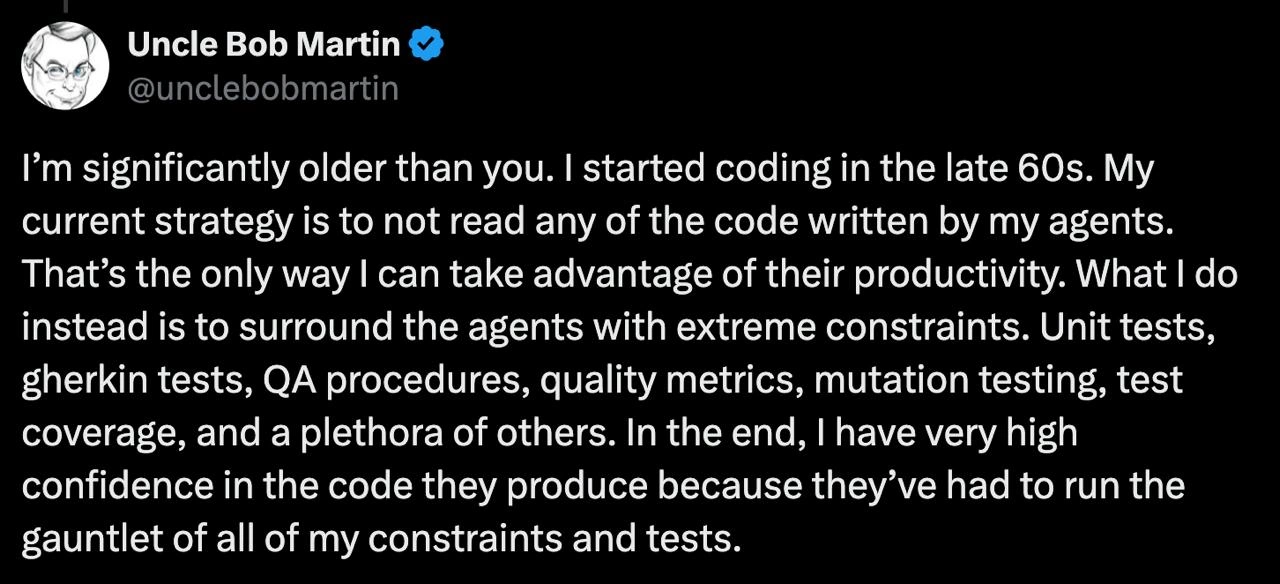
This meme uses the popular two-panel 'Woman Yelling at a Cat' format to depict a common conflict in software development. The left panel features a screenshot of a blonde woman (Taylor Armstrong from 'The Real Housewives of Beverly Hills') crying and angrily pointing. The text above her reads, 'Devs Blaming QA Tester for making a mistake'. The right panel shows a confused-looking white cat (Smudge the Cat) sitting at a dinner table with a plate of salad. The text above the cat reads, 'QA Tester whose job exists because devs' constant mistakes'. The meme satirizes the dysfunctional dynamic where developers become defensive and blame QA for finding flaws in their code. The humor lies in the profound irony that the QA role is fundamentally necessary because software development is an inherently error-prone process, a fact the unimpressed cat seems to understand perfectly well

Comments

8
Anonymous ★ Top Pick A junior dev blames QA. A senior dev thanks QA for catching their embarrassing mistake before the code review. A principal engineer automates the test so QA can focus on breaking the *next* feature
  1. Anonymous ★ Top Pick

    A junior dev blames QA. A senior dev thanks QA for catching their embarrassing mistake before the code review. A principal engineer automates the test so QA can focus on breaking the *next* feature

  2. Anonymous

    Every time a dev blames QA for a prod bug, a senior architect quietly sighs, opens the coverage report stuck at 42%, and wonders how many more dashboards it’ll take before we realize quality isn’t a downstream microservice

  3. Anonymous

    The best part about shifting left is that now QA can file bugs against your unit tests too

  4. Anonymous

    The beautiful irony here is that this meme perfectly captures the symbiotic relationship between devs and QA: developers create job security for QA by shipping bugs, then get defensive when QA does exactly what they're paid to do. It's like complaining that your smoke detector is too sensitive while your kitchen is on fire. The real kicker? Both roles exist because we collectively decided that 'it works on my machine' isn't a sufficient deployment strategy, yet here we are, still pointing fingers across the aisle instead of acknowledging that if we wrote perfect code, we'd both be out of jobs

  5. Anonymous

    Blaming QA for bugs is like blaming Prometheus for the spike - the dashboard didn’t push your 4:59pm --no-verify hotfix to prod

  6. Anonymous

    Devs: “QA missed it.” Repro requires a prod-only feature flag, a warm cache, a leap second, and an eventually consistent read - aka our release process

  7. Anonymous

    QA: The firewall between 'works on my machine' and 'welcome to prod, enjoy the blamestorm'

  8. @paul_thunder 3y

    "You had to fight evil Not to join it!"

Use J and K for navigation