Return-to-Office: The Easiest Way to Lose Your Engineers
Why is this RemoteWork meme funny?
Level 1: Candy from a Baby
Imagine you have two groups of friends you can play with. One friend’s house suddenly says, “From now on, everyone who comes over must do a bunch of chores and can only play at my house, not from home.” Yuck! Now, the other friend’s house says, “You guys can hang out however you want — even from your own homes in your pajamas — and we’ll still have fun and snacks!” Which group would you rather play with? Of course, you’d choose the fun, no-chore group!
In this story, the first house with chores is like a company forcing people to come back to the office. The kids there (like the engineers) aren’t happy being told they must do something inconvenient. The second house is like a company that lets people work from home (no chores, just cookies and comfort). Naturally, all the kids (engineers) run over to the comfy house where they feel happier. The CEO in the meme is basically that second friend, gleefully saying it was “so easy” to get those kids to switch over. It’s funny because the strict house’s rules totally backfired — they drove all their friends away to the other house, where life is a whole lot nicer. So the lesson is simple: if you make things hard for people, they’ll go where things are easy (and maybe where the cookies 🍪 are, too!).
Level 2: Remote vs Office
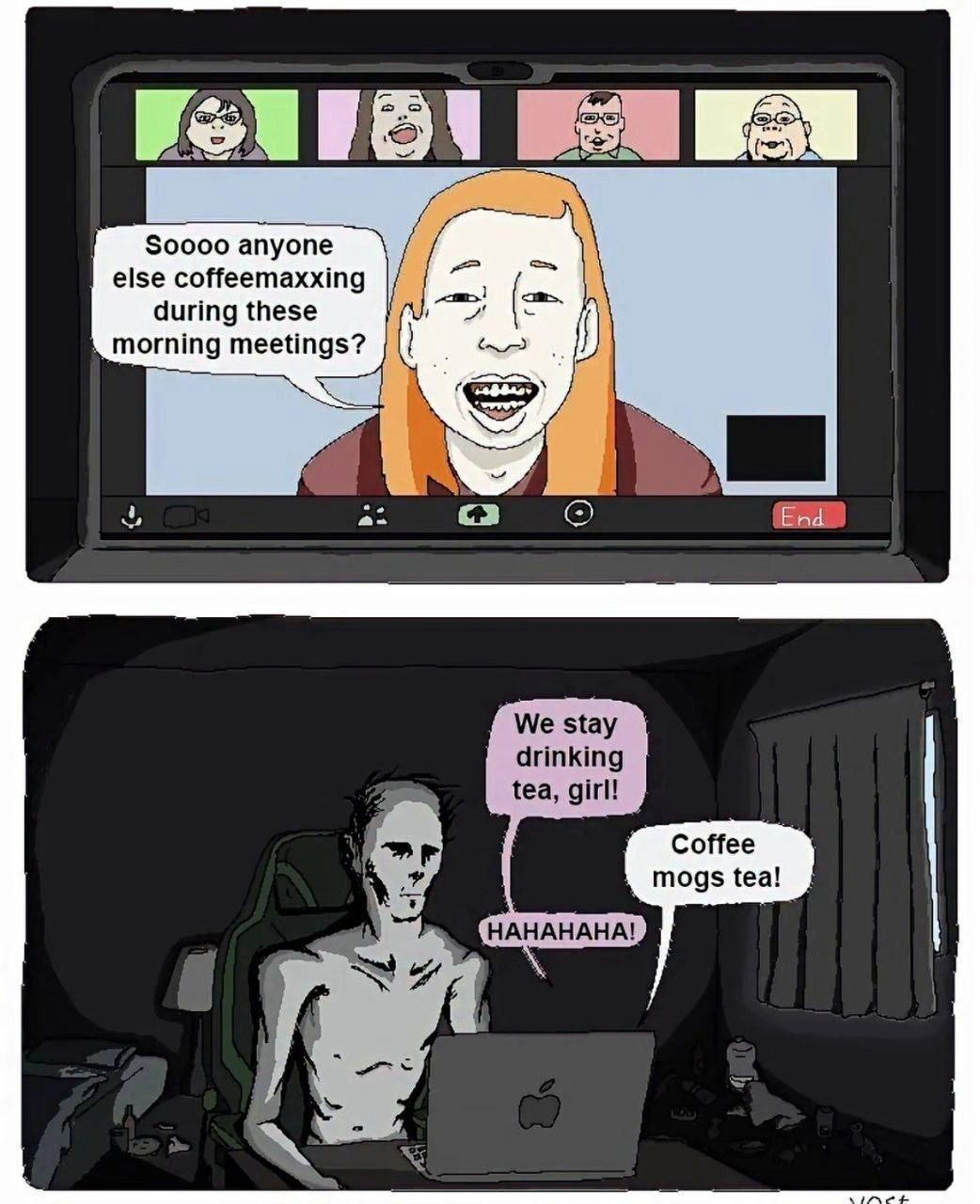
Let’s break down the scenario in simpler terms. The image shows a tweet quoting a CEO who reveals his tactic: whenever a competing company says “everyone must come back to the office,” he immediately has his recruiters reach out to that company’s engineers. In the quote, he boasts, “We’ve hired 15+ of their engineers in the last 2 months.” In other words, over a dozen people left the competitor and joined his company, just because the competitor announced a strict office policy. The punchline? “So easy.”
Why is this happening? It’s about RemoteWork vs. office work. During the pandemic, a lot of software engineers started working from home (Zoom calls, coding in sweatpants, zero commute). Many discovered they love this arrangement. A remote_friendly_company (one that lets you work from anywhere, maybe a RemoteFirstCulture where remote is the default) offers things developers really appreciate: flexibility, no daily commute, the ability to live where they want, and often a better work-life balance. On the flip side, some companies began issuing return_to_office mandates, meaning they’re telling employees “we want you back in the office X days a week” or even full-time. This return_to_office push has been controversial in tech. It can make employees unhappy, especially if they’ve proven they can do their job well from home.
Now, recruiters are people whose job is to hire talent for a company. They constantly look for good engineers who might be willing to change jobs. One telltale sign of an engineer open to new opportunities is engineer_attrition at their current job – basically, if a company’s policies upset its engineers, those engineers might leave (attrition means employees leaving). A recruiting_strategy is just a plan for how to find and hire people. In the meme, the CEO’s recruiting strategy is brilliantly simple: target engineers at the exact moment they become dissatisfied – in this case, right when their boss tells them “get back to your cubicle.” This tactic is often called poaching (stealing talent from another firm by offering them a better deal). It’s a bit cheeky but totally common in the industry. Companies literally monitor news from competitors for things like layoffs, policy changes, or anything that might put employees in a mood to job-hunt. A sudden RTO announcement is like a giant billboard saying “Our engineers might be up for grabs!”
So the CEO in the tweet is essentially saying: “Every time our competitor makes the mistake of demanding in-office work, we swoop in and hire their best people. It’s been a breeze to pick up over 15 experienced engineers that way recently.” It’s a humorous insight into HiringPractices and WorkplaceCulture clashes. One company values traditional office presence; the other values results and is fine with remote. Many software engineers nowadays vote with their feet, meaning they’ll leave a job that doesn’t fit their lifestyle. This CEO’s company is remote-friendly, so it becomes an attractive escape hatch for engineers feeling frustrated by a forced office return. And because skilled engineers are in high demand, those folks have options — they don’t need to put up with policies they hate.
To visualize it, here’s what’s happening step by step:
| When Company A forces office work… | …Company B (remote-friendly) responds: |
|---|---|
| Company A announces: “Everyone must return to the office now.” 🏢 | Company B notices A’s staff might be unhappy. 🔍 |
| Engineers at A grow frustrated (they’ve enjoyed working from home). 😒 | Company B’s recruiters reach out to those engineers: “Hey, we allow full-time remote. Interested?” 💬 |
| Some of Company A’s best engineers decide to leave (quit their jobs at A). 👋 | Company B happily hires these engineers who are eager to work remotely. 🤝 |
| Company A loses talent and is left wondering why people are quitting. 😮 | Company B gains talent easily and grows their team with minimal effort. 🎉 |
In short, RemoteWork flexibility has become a major bargaining chip. This meme humorously shows a CEO taking advantage of that: if a rival doesn’t offer remote work, their employees become easy to lure away. It’s CareerHumor wrapped in truth — tech workers often compare benefits like remote flexibility when choosing jobs. From an HR perspective, it’s a lesson: policies like “return to office” can directly affect retention. From a developer’s perspective, it’s a win-win: you either keep your remote perks at your current job, or you find a new job that offers them. No wonder the CEO in the meme is smug; he turned the competitor’s CorporateCulture mistake into a recruiting win for his own company. “So easy,” indeed!
Level 3: Release the Recruiters
In the modern tech talent wars, one company’s blunder is another’s bounty. The meme highlights a crafty recruiting_strategy straight from a CEO’s playbook: exploit your rival’s unpopular office mandate. Here’s how it plays out: a competitor announces a Return to Office (RTO) policy, essentially telling engineers used to freedom that it’s time to dust off their commute. Almost instantly, the remote-friendly CEO signals his TalentAcquisition team to pounce. It’s as if the competitor just sounded an alarm — not for their employees to come back to the office, but for every recruiter in town to start poaching engineers from their ranks. RemoteWork isn’t just a perk anymore; it’s a bargaining chip, and this CEO is cashing it in.
Why is this so effective? Many experienced developers have rearranged their lives around RemoteFirstCulture after years of proven productivity outside the cubicle. They’ve moved to cheaper cities, set up home offices, and tasted the sweet autonomy of remote life. So when an old-school CorporateCulture suddenly demands “back to your desks, all of you!”, it’s like hitting a giant eject button for talent. The engineer_attrition practically accelerates overnight. We’re talking senior engineers with deep system knowledge, the kind every company fears losing. They’ll bolt the minute you threaten to take away flexibility. And guess who’s waiting with open arms (and offer letters)? The companies that never took away that freedom. One company’s strict office mandate becomes another company’s hiring goldmine. Or in meme-speak: “So easy.” It’s management judo — using the opponent’s weight (inflexible policy) against them.
This scenario has played out in real life. Think about post-2020: after the grand WFH experiment proved coding in pajamas didn’t tank productivity, many tech workers decided WorkplaceCulture should permanently include flexibility. Yet some executives seem nostalgic for packed offices and badge swipes. From Apple to Amazon, whenever higher-ups insisted on butts-in-seats, you’d see an uptick in engineers polishing their resumes. In one notable case, when a famous tech CEO (looking at you, Elon) declared “remote work is no longer acceptable,” rival firms literally started tweeting invitations to his disenchanted staff. It’s almost comical: the moment Company X’s CEO broadcasts “We want everyone back in the office Monday”, Company Y’s recruiters are sliding into LinkedIn inboxes with “Hey, we’re fully remote and hiring 😉.”
The humor of the meme comes from the CEO’s smug satisfaction in the quote. Hiring top engineers is usually hard work — the stuff of competitive offers and HiringPractices gymnastics. But here, the competitor did the hard part for him by alienating their own team. It’s like an auto-pilot hiring pipeline triggered by the rival’s email blast about office reopening. No elaborate sourcing needed; discontented talent practically falls into his lap. As a seasoned observer, it’s equal parts funny and painfully true. The ManagementHumor here is that a tone-deaf policy (the dreaded return_to_office memo) is all it takes to have your best people “So easy” poached away. The CEO in the meme boasts about hiring 15+ engineers from that competitor within 2 months — an engineer exodus that speaks volumes. That competitor not only lost a chunk of their engineering department in one fell swoop, but they effectively paid (in morale) to staff their rival’s team. Talk about a backfire! This is a classic example of how WorkplaceCulture missteps turn into competitive advantages for others.
To put it in code for the geeks:
# Pseudocode of the CEO's hiring hack based on competitor's RTO announcement
if competitor.announces_return_to_office():
for engineer in competitor.engineers:
if engineer.prefers_remote: # Most devs do, after tasting WFH freedom
our_recruiters.send_message(engineer, "We heard you like remote work. We do too.")
# Result: competitor inadvertently fuels our talent pipeline. So easy.
In essence, this meme underscores a truth seasoned devs and engineering managers know well: treat your developers like adults (let them work how and where they’re most effective) and you’ll keep them. Treat them like kids who need monitoring or force them into arbitrary rules, and you’ll quickly find those developers coding for someone else. One company’s return_to_office decree became the trigger for a poach_engineers party next door. For those of us who’ve survived countless CorporateCulture fiascos, it’s a chef’s kiss moment of schadenfreude. We’re sarcastically nodding along, thinking, “Yep, seen this before — one more victory for the remote revolution.” The CEO’s final quip “So easy” is the mic-drop highlighting just how apparently clueless his competitor was about today’s reality: in 2024, flexibility isn’t just a nice-to-have, it’s a hiring weapon.
Description
This image is a screenshot of a tweet from user Chris Herd (@chris_herd). The tweet is on a black background with white text. It starts with the line 'From a CEO:', followed by a direct quote: '"Every time a competitor mentions return to office our recruiters reach out to their people. We've hired 15+ of their engineers in the last 2 months."'. Below the quote, the original poster adds, 'So easy.'. This tweet captures a significant trend in the post-pandemic tech industry, where the demand for remote work remains high among skilled professionals, especially software engineers. The core joke is a cynical but realistic take on corporate strategy: one company's unpopular, mandatory return-to-office (RTO) policy becomes a competitor's golden recruiting opportunity. For senior engineers, this is a validating piece of content that underscores their market value and the leverage that flexible work arrangements provide. It's a direct critique of management teams that ignore employee preferences, effectively creating a talent pipeline for their rivals
Comments
17Comment deleted
Our competitor's biggest contribution to the open-source community this year was their entire senior engineering team, courtesy of their new mandatory RTO policy
Our hiring pipeline is basically event-driven: the second a competitor publishes an RTO policy, a Kafka topic fires, a Lambda auto-sends offers, and we autoscale headcount with zero cold starts
The best debugging tool for fixing your talent retention issues? Your competitor's RTO announcement email - it's like a perfectly timed garbage collection that frees up senior engineers for immediate allocation to your remote-first heap
Nothing says 'competitive advantage' quite like your rivals doing your recruiting for you. While some CEOs spend millions on RTO mandates and real estate, this one just set up a Slack channel called '#thanks-for-the-referrals' and watched senior engineers with 15 YoE self-select into their pipeline. It's the ultimate arbitrage: their competitors pay the severance, handle the exit interviews, and even provide the motivation speech ('you must return to office'). Meanwhile, this CEO is running the most efficient talent acquisition funnel in tech - powered entirely by other people's terrible policy decisions. Who needs a recruiting budget when your competition is basically running a free job fair for disgruntled senior engineers?
We subscribe to competitor RTO emails like a Kafka topic - publish event, recruiter Lambdas fan out offers, and the senior-engineer cluster performs a graceful failover to our org
RTO is the industry’s most reliable webhook - announce it and your principal engineers auto-POST to a competitor’s ATS
RTO announcements: competitors' voluntary 'git push' of top engineers straight to our main branch
Explain pls Comment deleted
I think the premise is that companies announcing a return-to-office are prone to have their best people hunted down by recruiters from other companies. Engineers will often jump at the first opportunity to find a safe, remote harbour. What I think the meme misses though is that for many if not most of the companies, a return-to-office is de facto a soft layoff policy. Downsize the workforce without having to pay severance. Comment deleted
people say that that way the best people would jump the ship, and only the mediocre ones who know that they'd never get a better offer would stay. so if you want to soft-layoff the best people in the company - well, duh Comment deleted
And that's how enshittification ensues. Comment deleted
And then there are also the over-employment fags who (together with dumb fucking managers who enable the former) give the office-fags an actual rationale and destroy a good thing for the rest of us Comment deleted
You should pay people for output, not ass-on-chair time. If they can produce as much while being overemployed, kudos. Comment deleted
How could one produce as much output while being overemployed, provided that they're not slacking off and working the hours they're paid for in a single job? Comment deleted
You get hired to do X. If you do X they reward you with task Y and a raise that doesn't even match inflation. This is what happens in most places. The overemployed become experts in X and with their extra time perform task Z for a whole other paycheck, instead of a tiny raise. Comment deleted
And, honestly, the first company benefits by having the employee become an expert in Z as well. Comment deleted
Ah yes, sure. If that's the case then I guess I'd have no objections. Never have I heard though of someone being hired to do just a certain thing a day. The guys doing the over-employment that I knew rather become bullshit experts. They get hired not to do a specific thing but to work a certain amount of time a day, and so they inflate the amount of time every task takes, have phantom meetings with other teams, have constant problems with their machine etc. Comment deleted