
VPN as Threat Censorship Meme Explained
A public-safety-style poster labels a masked figure VPN and warns that forewarned means protected. The dive explains how VPNs encrypt traffic past content filters, why censors reframe the tunnel as the danger, and what real VPN trust limits still are.
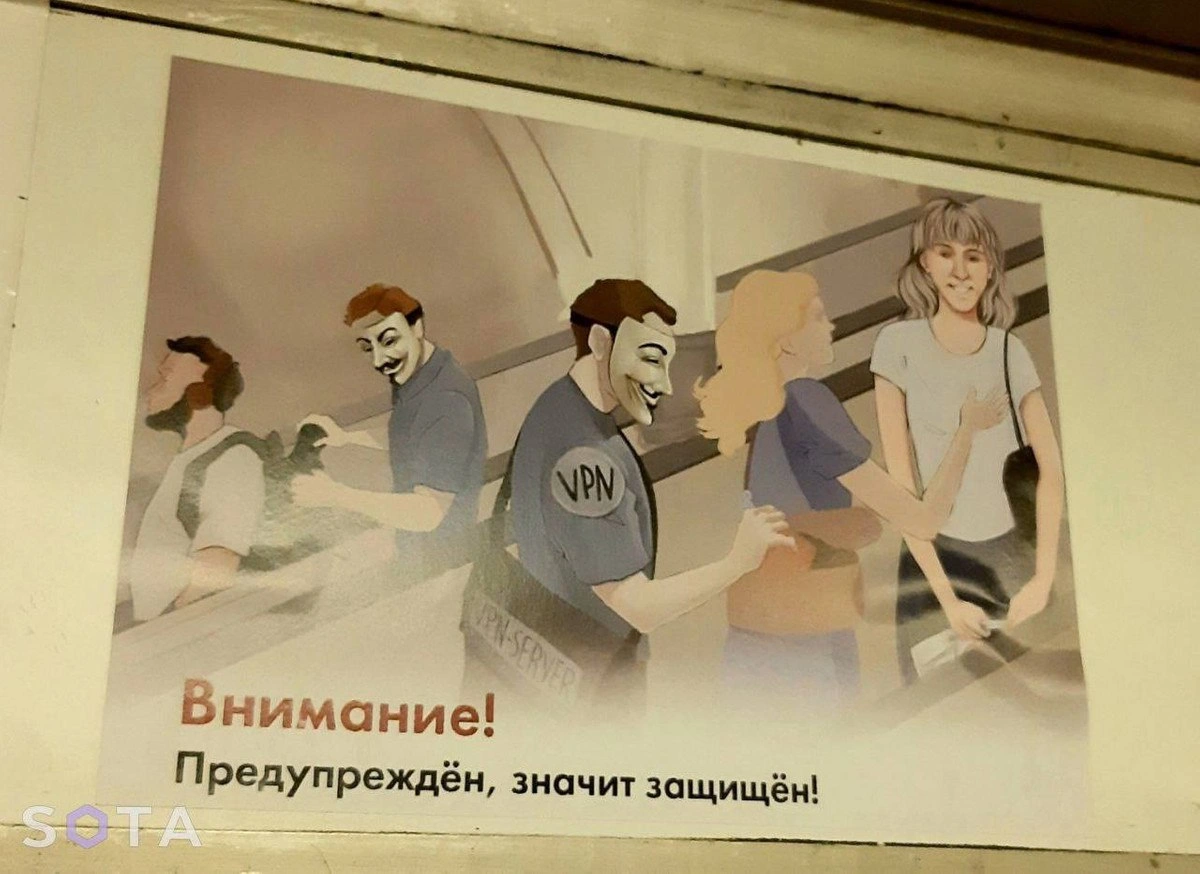
Level 1: The Tunnel Is Blamed
Imagine a town closes most roads, so people use a tunnel to visit their friends. Then the town puts up posters saying the tunnel is the dangerous stranger. That is why the image is funny: the thing people use to get around the blocked roads is drawn like the bad guy.
Level 2: Privacy Tool Panic
A VPN, or virtual private network, creates an encrypted connection from your device to another server. After that, your traffic goes from the VPN server to the wider internet. This can make it harder for your local network provider to see what you are doing and can help reach websites or apps that are blocked locally.
Content filtering is when a network, company, school, or government blocks access to certain sites, apps, domains, or protocols. Filtering can happen through DNS blocking, IP blocking, app-store pressure, traffic inspection, or legal threats. Users often try to get around filtering with VPNs or other proxy tools.
The poster looks like a street-level safety campaign: masked people, vulnerable pedestrians, and a warning slogan. But the strange detail is the shirt that says VPN. Instead of showing the VPN as a shield against surveillance or blocking, the image shows it as a suspicious person.
For someone learning security, this is a useful reminder that security depends on perspective. A company may call VPN access a secure remote-work tool. A citizen may call it a privacy tool. A censor may call it a bypass threat. The same network technology can be framed as protection, risk, or disobedience depending on who wants control.
Level 3: Threat Model Reversal
The photographed poster uses the style of a public safety warning. It shows masked, criminal-looking figures near ordinary people, and one of the masked figures has VPN written on his shirt. The Russian text reads:
Внимание!
Предупреждён, значит защищён!
That translates roughly to "Attention!" and "Forewarned means protected!" The caption frames the sequence as: Russia blocks major communication platforms outside state control, users respond with VPNs, and the state responds by portraying the VPN itself as the danger. The joke is not just "VPNs are useful." It is that the poster flips the threat model so hard it needs a chiropractor.
In normal online privacy thinking, a VPN is a tunnel. It encrypts traffic between the user's device and a VPN server, which can hide browsing activity from a local network or ISP and can make traffic appear to originate somewhere else. That can help users bypass content filtering, avoid hostile Wi-Fi inspection, or reach services blocked in their region. It is not magic anonymity, and the VPN provider becomes a new trust point, but it changes who can observe and control the connection.
From a censorship system's point of view, that is exactly the problem. Content filtering depends on being able to see enough about traffic, destination names, IP ranges, DNS queries, app stores, payment channels, or protocol fingerprints to block what the policy wants blocked. A VPN can compress many user actions into one encrypted channel to an endpoint the censor does not control. The censor then has to attack the workaround: block known VPN servers, pressure app stores, throttle protocols, use deep packet inspection, criminalize usage patterns, or run awareness campaigns that make privacy tools look predatory.
That is why the poster is darkly funny as security messaging. Real cyber awareness posters usually warn people about phishing, malware, fraud, credential theft, and suspicious strangers asking for codes. This one visually places VPN in the role of the attacker. The propaganda move is elegant in the ugliest possible way: redefine the tool that weakens surveillance as the thing citizens should fear.
There is also a genuine security caveat under the satire. Bad VPN services can log users, inject ads, mishandle DNS, sell data, or simply fail to protect anything meaningful. "Use a VPN" is not the same as "be safe." But the meme is aimed at the institutional framing, not a product review. When the poster's villain is the tunnel rather than the blocked gate, the audience is being taught which direction trust is supposed to flow.
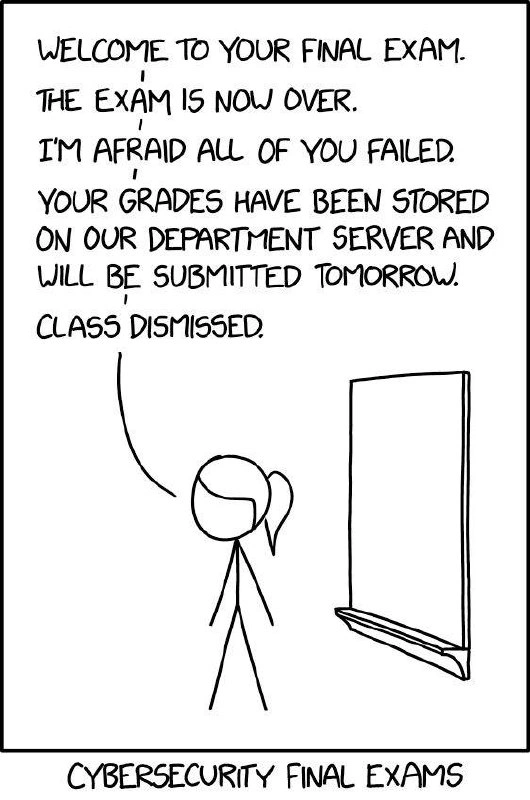
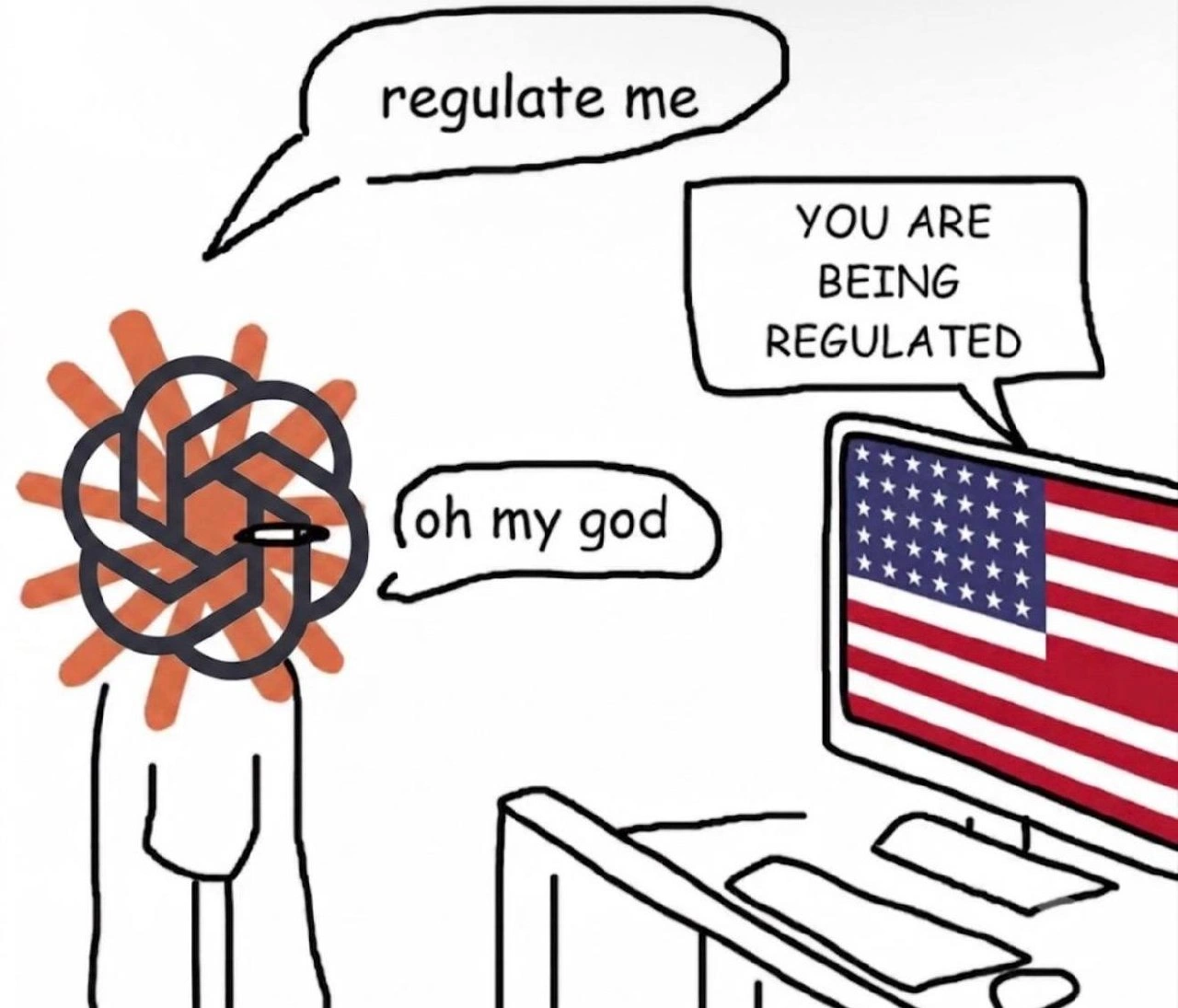
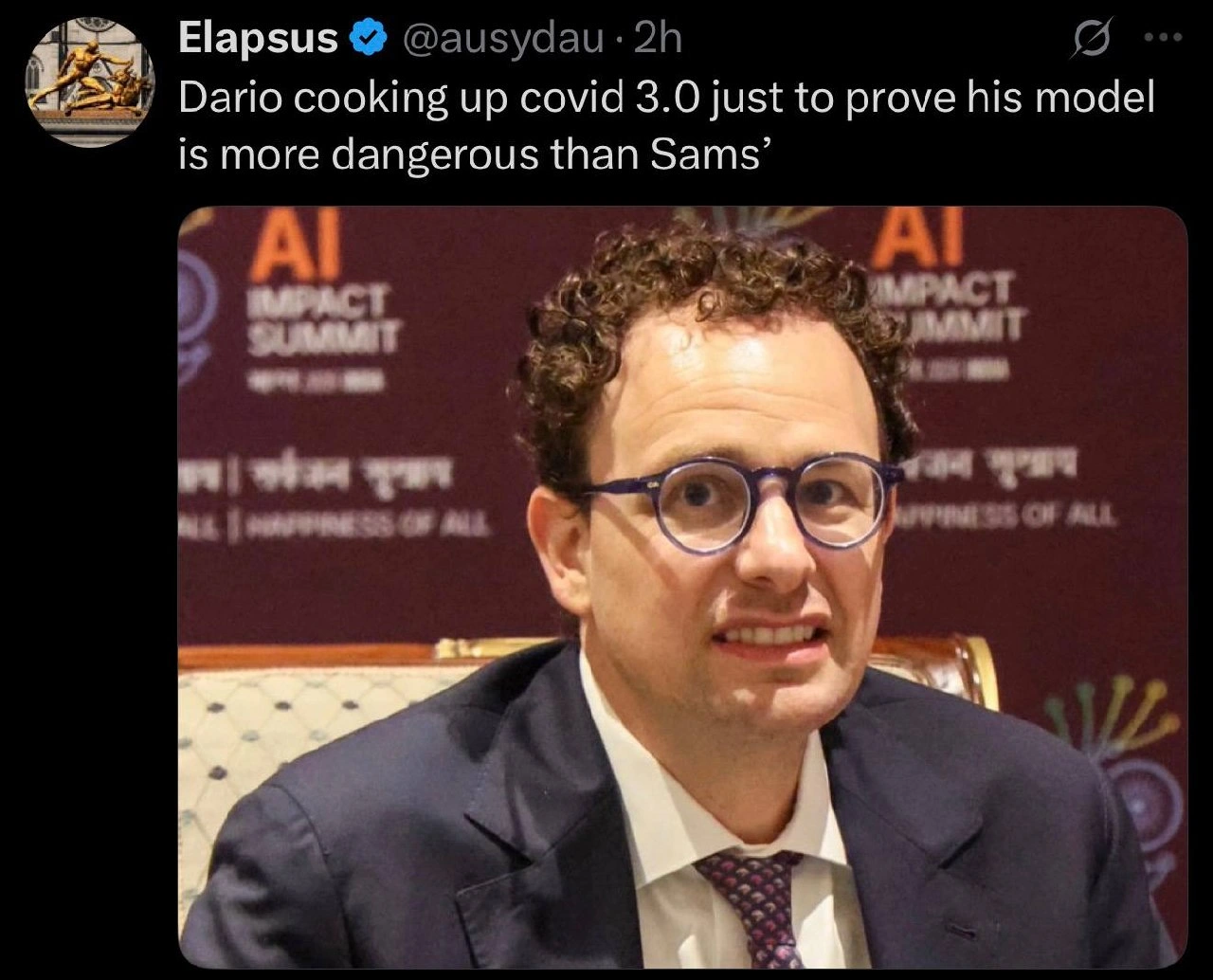
When encrypted egress becomes the villain, your threat model has clearly been reviewed by legal and a ministry.
its true, the vpn providers could have more information about a user, than an isp might. (because they often install software on the users devices, so they might see unencrypted TLS or they might install their own root cert)
Im searching for 128-256mb vps provider rn especially for such a purpose. Maybe anyone can help here? I just think noone provides such characteristics nowadays..
Especially openbsd?
One day we'll wake up and won't see any Russians on the internet And there will be celebration
Is the comment above a reportable offense?
What does the text say
SUS
pretty sure this was a joke about russia making a 'great firewall' of its own
ah yes the pictext translation is ATTENTION! Forewarned is protected!
I'm sorry you feel insulted, but I'm sure it wasn't intended as an insult
need a 3d view to judge
what is the text on the banner?
What a pity
Poor russian insulted 😢
Wow I'm impressed
Bruh
Country of clowns
No, we won't keep it away. Russians can go fuck themselves in their sovereign internet if they are not ok with that
Oh gush, I hope you are not dying from this insult. Poor russian. But, if you hypothetically(of course I don't want it) died right now, you would not sponsor russian terrorism by paying taxes in russia