
Signal Cellebrite Parser Risk Meme Explained
The bare Signal logo stands for a security joke: after Cellebrite advertised extracting Signal data, Signal highlighted how forensic analyzers that parse attacker-controlled files can become the target. The dive is about untrusted input, not breaking E2EE.
Level 1: The Inspector Gets Inspected
This is like a detective opening a box to inspect someone else's things, but the box is designed so badly that it can mess with the detective's notebook. The funny part is that the company trying to examine Signal data was reminded that its own examination tool also had to be secure.
Level 2: The Tool Gets Tested
Signal is a messaging app known for privacy and end-to-end encryption. End-to-end encryption means messages are protected while moving between users so that the service provider cannot simply read them in transit.
Cellebrite makes mobile forensic tools. These tools are used to extract and inspect data from phones, often after someone already has physical access to the device. UFED and Physical Analyzer are names associated with that extraction and analysis workflow.
The meme is funny because Signal's logo stands in for a reversal. Instead of only asking, "Can a forensic tool read app data?", Signal asked, "What happens when the forensic tool reads data chosen by the app?"
That matters because software often has bugs in code that opens files. A parser is code that reads a file format and turns it into something the program understands. If the parser is unsafe, a specially shaped file can cause crashes or worse. So the target of the joke is not cryptography itself; it is the messy security of tools that process data they do not control.
Level 3: Parser Revenge
The image itself is deceptively calm: a white background, the blue dashed speech-bubble logo, and the word:
Signal
The post context turns that plain logo into a security joke. On April 21, 2021, Signal published an analysis of vulnerabilities in Cellebrite forensic tooling after Cellebrite had advertised support for extracting Signal data. The punchline is not that Signal "beat" forensics with better marketing. It is that the tool built to inspect other people's app data had to parse attacker-controlled files, and parsing untrusted data is where software goes to learn humility.
The crucial distinction is that this was not about breaking Signal's end-to-end encryption. If someone has a phone unlocked and physically in hand, many app contents become accessible at the device level, because the endpoint itself can read them. Cellebrite's value proposition was automating extraction and analysis, not magically decrypting messages in transit. Signal's counter-joke was to examine the analyzer: if Cellebrite's Windows software ingests files from apps on the phone, then those app-controlled files become an input surface against the forensic workstation.
That flips the usual power relationship. In the normal story, the forensic tool is the examiner and the phone is the specimen. In the security-engineering story, the examiner's software is just another program accepting untrusted input. If its parsers mishandle malformed media, databases, backups, thumbnails, metadata, or format edge cases, the analysis machine can become the target. The post message captures that reversal: Cellebrite added Signal to its extraction list, so Signal showed how extraction itself could become risky.
The deeper lesson is ancient and still apparently billable: any system that claims to safely process arbitrary third-party data at scale needs serious input validation, sandboxing, dependency hygiene, exploit mitigations, and a boring amount of threat modeling. Digital forensics tools have an especially painful version of this problem because their job is to open weird files from potentially hostile devices and then produce evidence reports people may rely on. If the parser can be compromised, the integrity of those reports becomes part of the attack surface.
For senior engineers, the joke has a very dry aftertaste. Security products often sell confidence, but confidence is not a mitigation. A tool can be used by law enforcement, wrapped in enterprise branding, and still be one stale dependency away from letting the evidence look back.
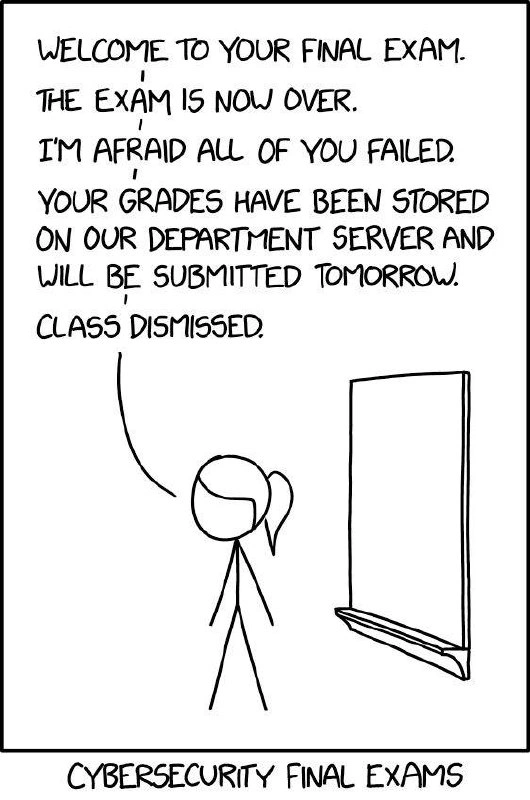
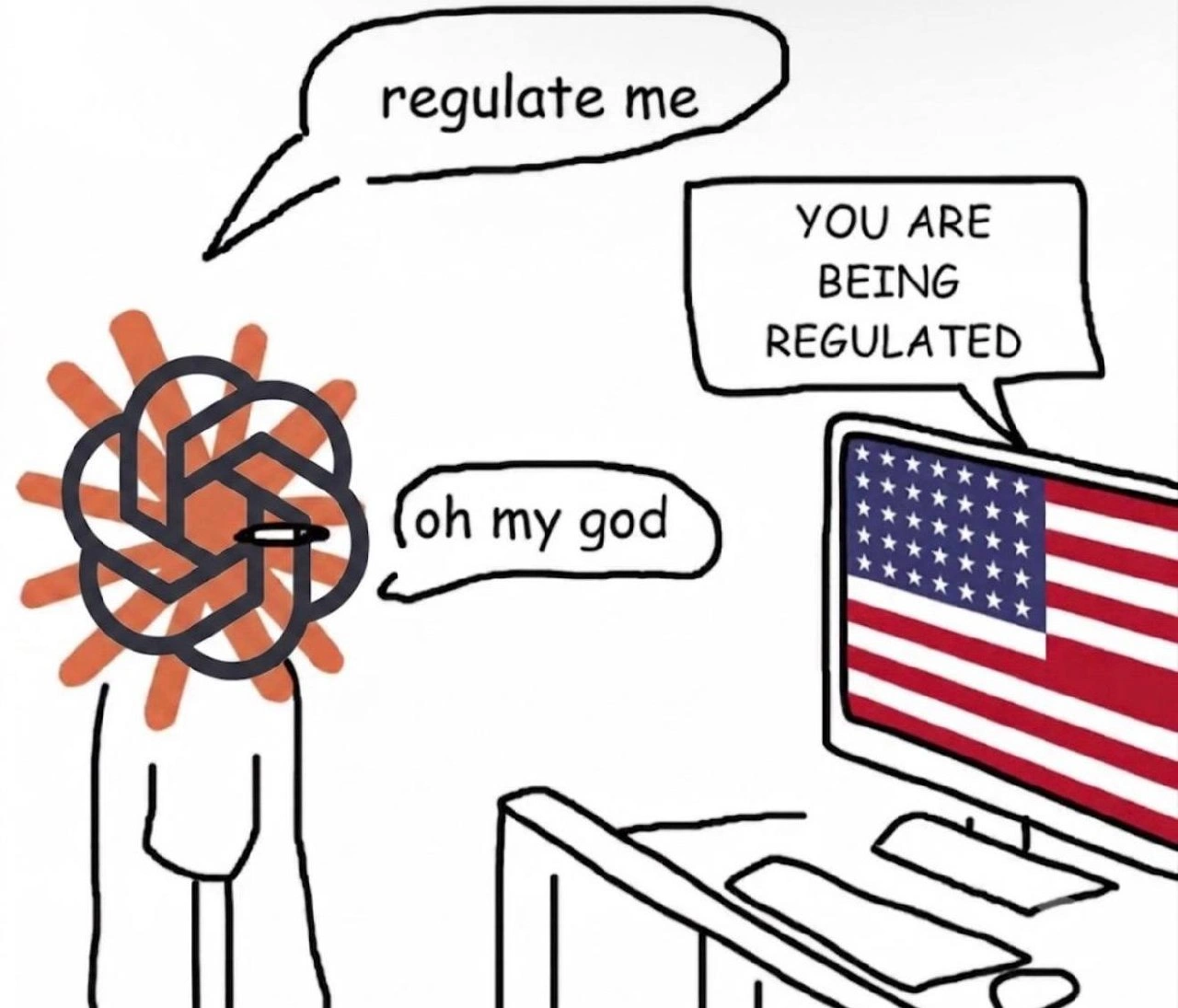

Cellebrite tried to parse Signal data; Signal replied with the parser-equivalent of reading from /dev/karma.
Wow, that's great. Someone can upgrade own useful hacking skills.
Oh that is amazing
"Completely unrelated" 😂
the last paragraph? lmao
hahahah all of this is so incredibly absurd, I love it!
also HN discussion: https://news.ycombinator.com/item?id=26891811
This is awesome ❤️❤️❤️
lol i love this