
Content Moderation #1984 Hashtag Meme Explained
A tweet claims Twitter disabled the #1984 hashtag and urges rereading Orwell. The dive explains hashtag moderation, ranking and spam controls, and why opaque trust-and-safety systems make every UI quirk look like censorship.
Level 1: The Forbidden Sign
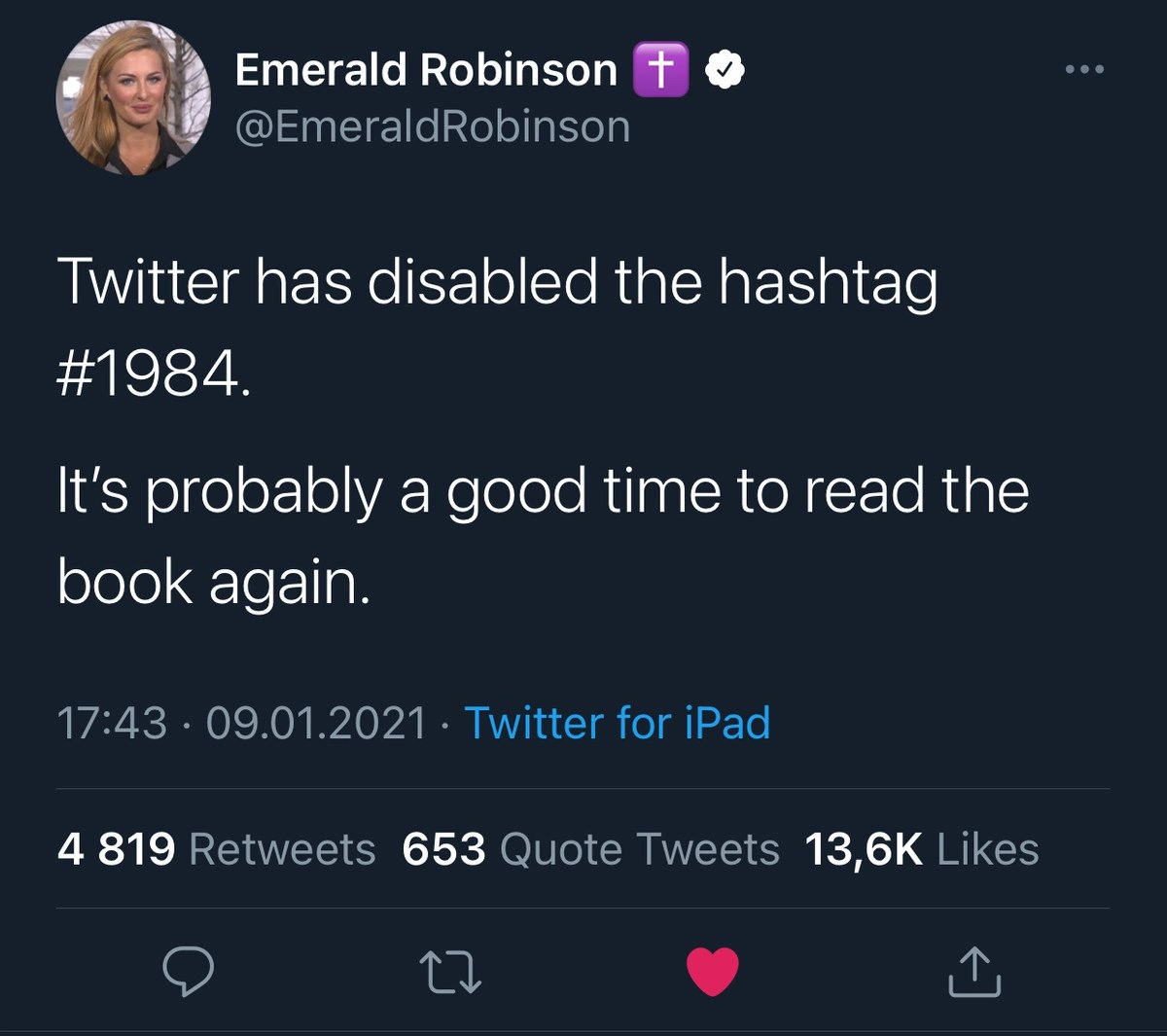
It is funny because the post says a website blocked the sign for a book about blocking thoughts and controlling people. That feels like a teacher banning the word “rules” from the classroom wall. Maybe the website really did it, maybe something else happened, but the screenshot makes the situation look perfectly ironic.
Level 2: Hashtags And Trust
A hashtag is a label users attach to posts so other people can find a conversation. On Twitter, hashtags can appear in search, trends, recommendations, and autocomplete. A platform can moderate hashtags in different ways: it might block harmful content, prevent coordinated spam, stop a tag from trending, or reduce visibility for abusive campaigns.
The meme's visible text says:
Twitter has disabled the hashtag #1984. It's probably a good time to read the book again.
That sentence is funny because 1984 points to a famous dystopian novel about control and surveillance. If a social media company really hid a hashtag named after that book, it would feel like accidentally proving the book's point. The joke depends on irony: a symbol for censorship appears to be censored.
For newer developers, this is a good example of trust and safety work being technically messy and socially explosive. Moderation is not just one big delete button. It can involve spam detection, reporting queues, ranking systems, search indexes, policy rules, human review tools, and regional legal requirements. A simple user-facing complaint may come from a real policy decision, a bug, an experiment, or a misunderstanding of how the interface works.
That is why social media engineering is hard. The output is public, emotional, political, and instantly screenshotted. A backend flag that changes hashtag visibility can become a public argument before the incident ticket has even been assigned.
Level 3: Moderation Meets Orwell
The screenshot shows a dark-mode Twitter post from Emerald Robinson claiming: Twitter has disabled the hashtag #1984. It's probably a good time to read the book again. The visible timestamp is 17:43 · 09.01.2021 · Twitter for iPad, and the engagement row shows thousands of retweets and likes. The local post message is simply #1984, so the entire meme is built around that one symbolic hashtag.
The timing matters here because January 9-10, 2021 sat inside a major platform-moderation crisis. The Capitol attack had happened on January 6, and Twitter permanently suspended Donald Trump's account on January 8, citing further risk of violence. That does not prove the #1984 hashtag claim in the screenshot. It does explain why a claim about a disabled hashtag could spread so quickly: users were already arguing intensely about whether trust-and-safety enforcement was public safety, political censorship, private-platform governance, or some combustible mixture of all three.
The developer-relevant part is not the politics of the account; it is the opacity of large-scale moderation systems. A hashtag can disappear from autocomplete, be blocked from trending, be downranked in search, be rate-limited by spam controls, or simply fail to appear because of caching, localization, abuse heuristics, or client-side behavior. To users, all of those can look like “Twitter disabled the hashtag.” To engineers, the scarier truth is that several internal systems may be involved, each with partial visibility and a dashboard that says everything is fine because the dashboard was written by someone who went home.
The #1984 reference is doing heavy rhetorical work. George Orwell's 1984 is shorthand for surveillance, censorship, state power, and the manipulation of public language. So a platform allegedly suppressing the hashtag #1984 becomes a self-reinforcing joke: the more the hashtag seems unavailable, the more “Orwellian” the situation appears. It is the content-moderation equivalent of a smoke alarm that only starts screaming when you remove the batteries.
The screenshot itself should be read precisely. It shows a tweet making a claim, not a system log, policy memo, or reproducible test. That distinction is central to platform trust. When users cannot see how moderation decisions are made, every UI quirk becomes evidence, every missing trend becomes a theory, and every policy action becomes a culture-war debugging session with no stack trace.
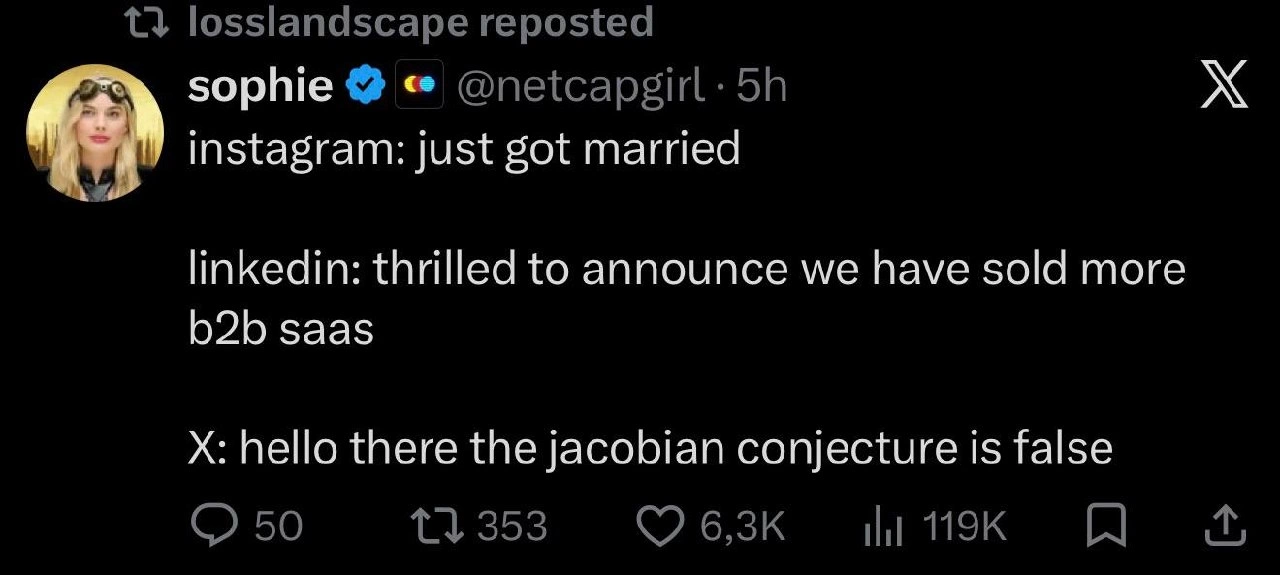
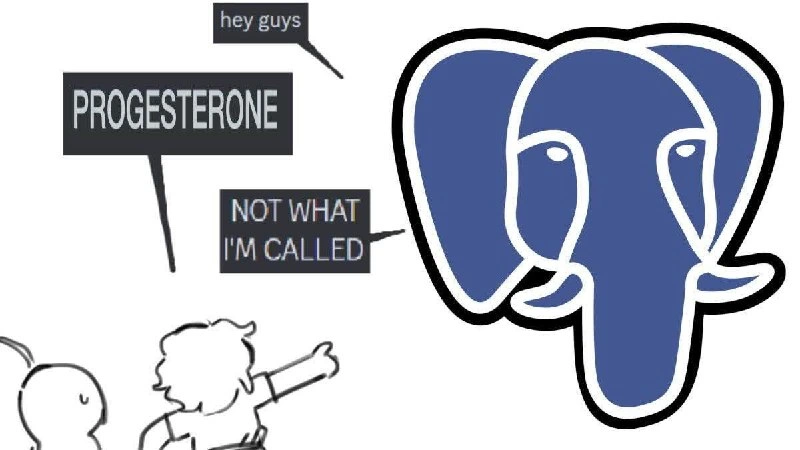
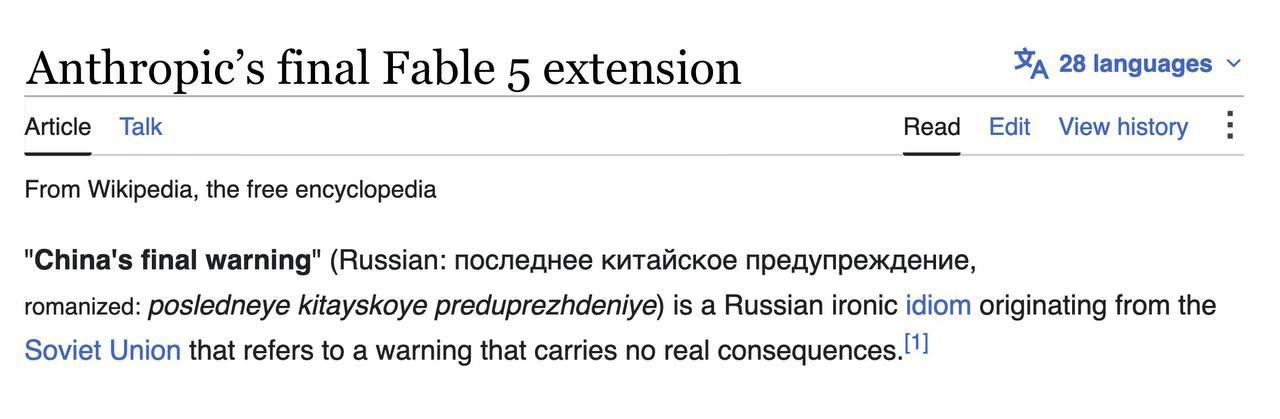
When the moderation pipeline starts throwing `OrwellException`, the scary part is still the opaque retry policy.
#year1984
#1945 too,sheeeeeeeit
Ну как сказать, заблокировал
Вряд ли дело в конкретно этом хештеге. Проверьте другие цифровые хештеги типа #420 или #1337, до учётки далеко ползти.
Ну да, так и есть https://twitter.com/elitablog/status/1348287321242624002
Очередной чудесный день на социалистической помойке)
#1488