
Developer Burnout Crunch Time Meme Explained
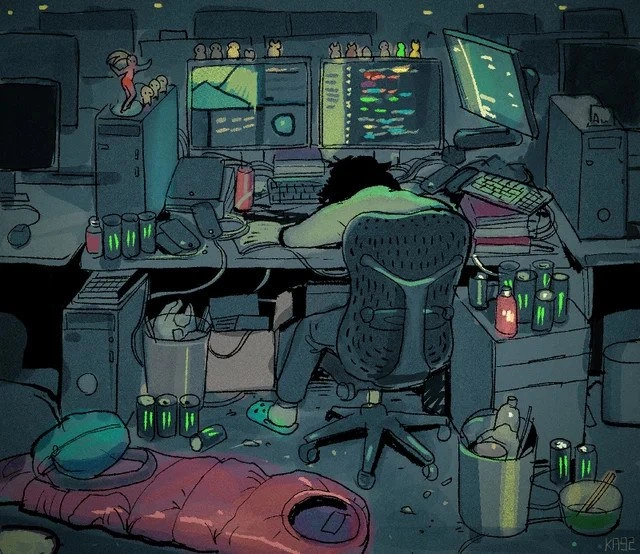
Illustration of a developer slumped over glowing monitors beside energy drinks and a sleeping bag. The dive explains how crunch, vague scope, and “heroic” overtime turn technical debt into human exhaustion.
Level 1: The Sleepover Office
This is funny in a sad way because it looks like someone tried to finish homework, forgot to go home, and turned their desk into a bedroom. The glowing computers are still awake, but the person is not. The joke is that "working hard" has gone so far that the office looks like a camping trip nobody wanted.
Level 2: The Desk Is Production
The visible elements are a small map of common early-career developer pain. Multiple screens suggest development environment overload: code editor, terminal, logs, metrics, or tickets all competing for attention. The cans imply late-night coding fuel. The sleeping bag and pillow make the room feel less like "working late once" and more like a repeated pattern.
For newer developers, burnout means prolonged stress that stops being solved by one good night's sleep. Crunch time is the period before a deadline when teams work unsustainably long hours to finish features, fix bugs, or ship a release. On-call is when someone must respond if production systems fail, often outside normal hours. This meme compresses those experiences into one scene: the developer has not merely stayed late; they have adapted the environment for survival.
The messy desk matters because software mess is rarely only inside the codebase. When a project has unclear ownership, rushed planning, or fragile deployments, the physical world starts reflecting it: empty containers, improvised sleep arrangements, and a person too tired to sit upright.
Level 3: Weekend Deployment Energy
The image has no caption to rescue anyone with a neat punchline, which is exactly why it works. The developer is face-down at the desk, surrounded by glowing monitors, loose cables, stacked hardware, a trash bin, scattered cans, and a sleeping bag on the floor. That is not a workstation anymore; it is an incident response habitat with keyboard access.
The joke lands because experienced developers recognize the myth being drawn here: heroic productivity as a lifestyle. A dark room full of monitors can look impressive from the outside, but inside the industry it usually reads as crunch time, sleep deprivation, and the kind of deadline math where every missing requirement is paid for with someone else's nervous system. The post message, "Have a good weekend, dear followers", makes the image sharper because the room says the opposite: the weekend has already been annexed by the sprint.
This is the human side of technical debt. A pile of unresolved architecture decisions, vague scope, broken estimates, weak release discipline, and "just one more hotfix" eventually becomes a person sleeping in an office chair. The monitors suggest code or operational dashboards, but the real system failure is organizational: the process depends on exhaustion as an unofficial dependency. Naturally, nobody wrote that dependency down, because then someone might have to maintain it.
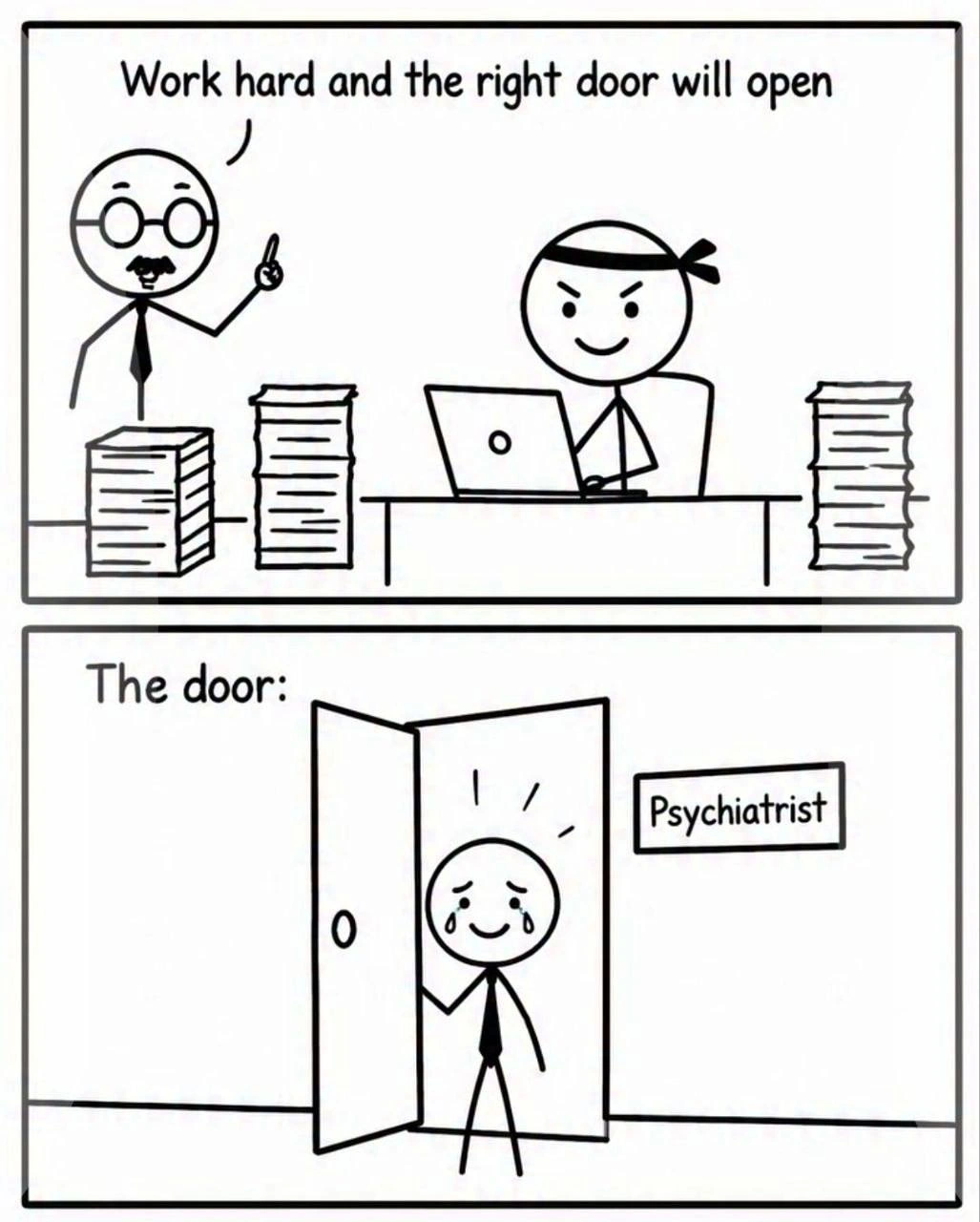

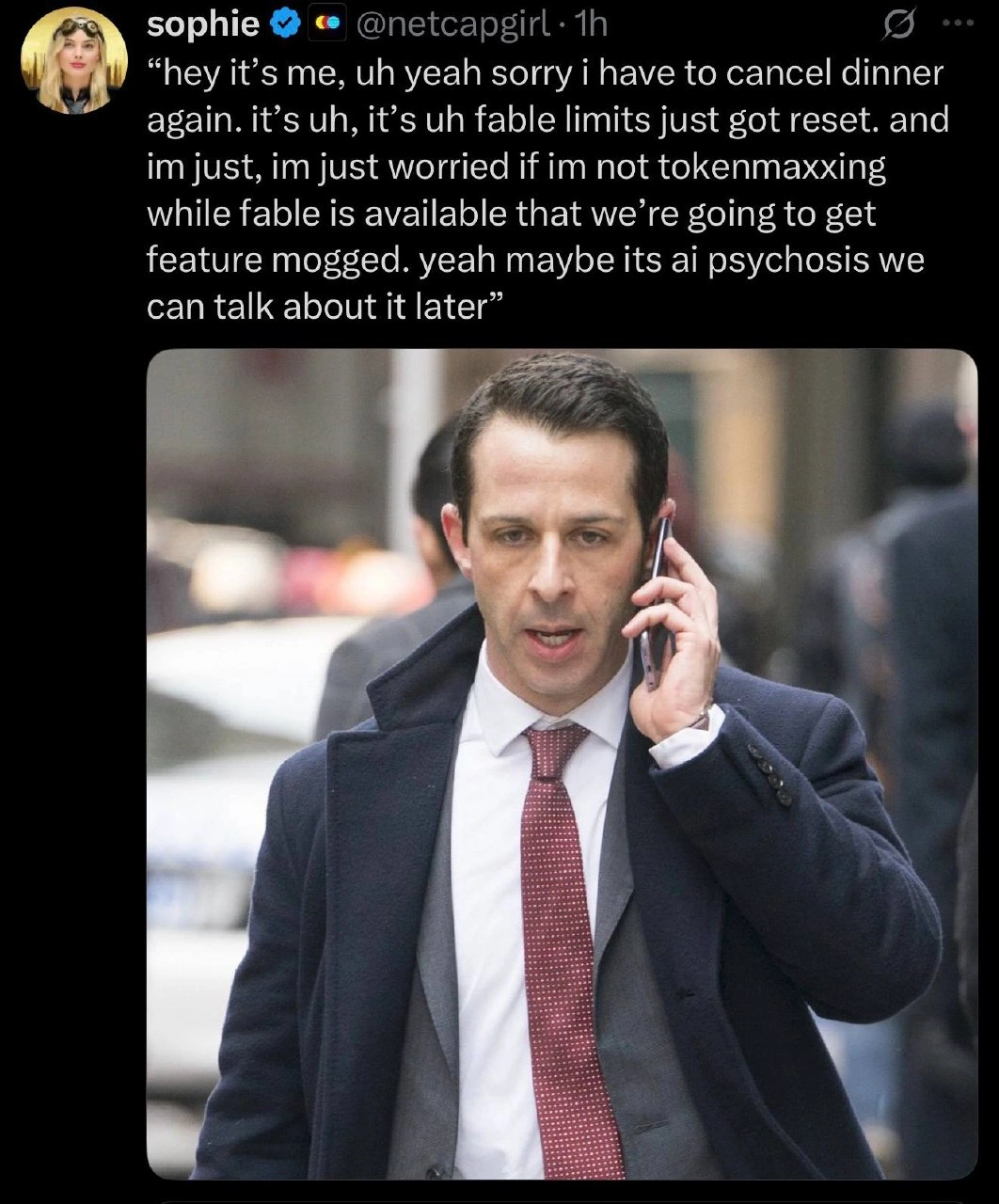
When your dev environment includes a sleeping bag, the real dependency conflict is between sprint scope and REM cycles.
u2
Anyone have more paintings, wallpaper, or just big pictures like this one? Share with us plz
And happy AoC hacking :)
Oh thats me