
Redundant == true Boolean Meme Explained
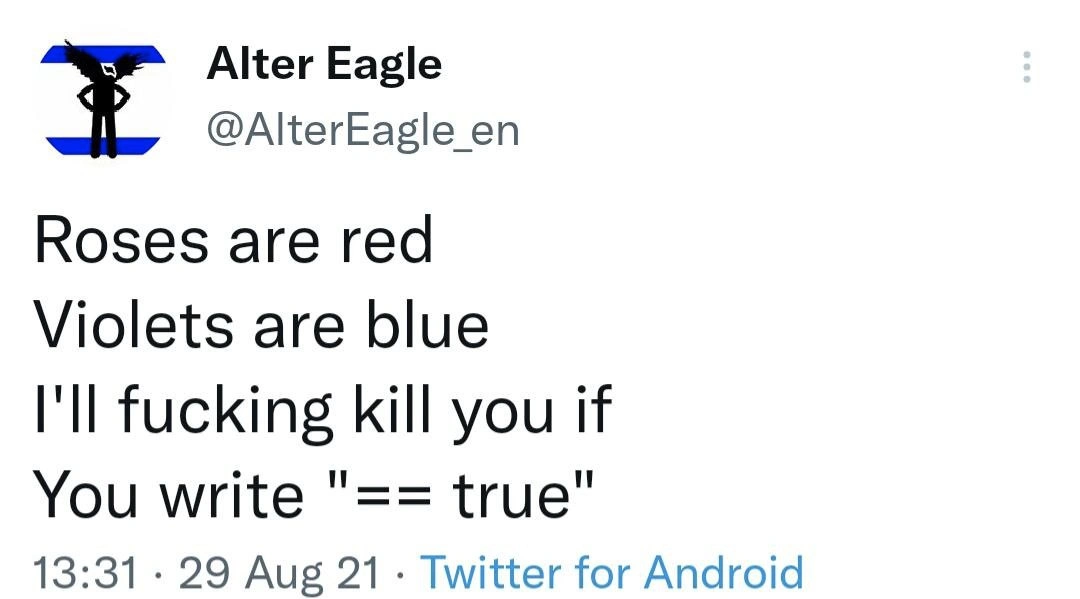
A roses-are-red poem threatens anyone who writes “== true” in a conditional. The deep dive covers the redundant boolean comparison smell, clean-code style across languages, and why this tiny habit drives code reviewers up the wall.
Level 1: Yes Is Already Yes
Imagine you ask your friend a yes-or-no question: “Are you coming to play?” They answer “Yes.” Now, what if you then ask, “Is it true that your answer is yes?” That would sound pretty silly, right? You already know they said yes, so you don’t need to ask again in a roundabout way. You’d probably annoy your friend by doubting something so obvious.
This meme is joking about the same idea, but with computer code. In code, when something is true, you don’t have to double-check it by saying “== true.” Writing that is like asking “is yes true?” over and over. Programmers find it funny and frustrating in a joking way. The poem in the meme starts off sweet like a Valentine (“Roses are red, Violets are blue...”) but then suddenly says “I’ll really hurt you if you do this silly extra check!” Of course, they don’t mean it for real – it’s just an exaggerated, playful threat. It’s as if a friend shouted, “I swear I’ll explode if you say the same obvious thing twice!” They’re using pretend anger to make everyone laugh and remember: if something is already yes/true, that’s enough – no need to say it twice.
Level 2: No Need for == true
For a newer developer or someone just learning coding style, let’s break down the joke. In many programming languages, a boolean variable (one that can only be true or false) can be used directly in a conditional statement. For example, consider a simple boolean flag in code:
boolean isActive = true;
if (isActive == true) {
    System.out.println("It's active!");
}
Here, isActive is already a boolean. Writing if (isActive == true) literally asks, “is isActive equal to true?” But that’s redundant, because isActive is true or false by itself. The condition could just be if (isActive) and it would do the same thing. In fact, most programmers would rewrite it as:
if (isActive) {
    System.out.println("It's active!");
}
This is cleaner and easier to read. The check == true doesn’t change the logic at all – it’s just extra typing. It’s like asking “Is it true that isActive is true?” which sounds a bit silly. We call this a redundant boolean comparison because you’re comparing to true even though the language already treats the variable as a truthful condition.
In coding, a code smell is a term for something in code that isn’t wrong syntactically (the program still works) but signals a possible problem or just poor style. Writing == true in an if statement is one of those minor CodeSmells. It’s a common beginner mistake or habit – maybe because in everyday language you’d say “if this is true, then do that,” so novices literally write it that way. But in most languages, the if expects a boolean expression, so just giving it the boolean variable is enough. Adding == true is unnecessary and can even be misleading. For instance, in Python you might see someone write:
flag = True
if flag == True:  # not recommended
    print("Flag is true!")
The Pythonic way (following Python’s CleanCodePrinciples and style guide PEP 8) would be simply:
if flag:  # recommended
    print("Flag is true!")
Both versions do the same thing, but the second is the accepted CodingStandard because it’s concise and clear. The first one, with == True, is considered unpythonic and redundant. In fact, linters (tools that analyze code for issues) often warn about this, and fellow developers will definitely comment on it in a CodeReview. It’s a tiny fix – just remove the == True – but it makes the code cleaner.
So why does the meme go as far as to say “I’ll f***ing kill you” over this? Of course, it’s a joke! Developers have a unique sense of humor, and we often express frustration in exaggerated ways (we promise, it’s all in good fun). The tweet is written in the style of a “Roses are red, Violets are blue” poem, which is a popular format for jokes. The first two lines sound like a sweet poem, and then it takes a sudden turn with a comedic threat. This contrast is what makes it funny. In the context of CodingHumor, the poem is basically a veteran programmer teasing that they feel so strongly about this minor coding mistake that they jokingly “vow violence” to anyone who commits it. It’s developer humor exaggerating a common CodeReview pain point.
The strong language (like "I'll freaking kill you") is not serious – it’s hyperbole to emphasize how much this bad habit irritates experienced devs. Imagine a teacher who has told the class a hundred times not to do something, and yet someone does it; the teacher might jokingly say “I’ll strangle the next person I see doing that!” They wouldn’t actually do that, but it gets the point across that “I’m really tired of this mistake.” Similarly, the meme’s author is fed up with seeing == true in code. It’s a humorous way to enforce code style: by writing a tongue-in-cheek poem threat, they’re really saying, “Please, for the love of clean code, don’t write your if-statements like that.”
This kind of developer poetry is quite common in programming communities. It serves as a lighthearted way to share best practices. The meme packs a mini-lesson: Don’t compare booleans to true; it’s pointless. And because it’s delivered in a witty, somewhat absurd format, it sticks in your mind. Next time you catch yourself writing == true in an if condition, you might remember this joke and opt for the cleaner approach. In summary, the meme is both a joke and a gentle teaching moment about coding standards: it warns (with humor) against a small but pesky coding mistake that many beginners make.
Level 3: Truly Redundant
At the senior engineer level, this meme hits on a well-known code smell: the redundant boolean comparison. The tweet’s poem humorously threatens violence over seeing == true in code – an obviously exaggerated response to a trivial but annoying coding practice. Why such strong feelings? In seasoned developers’ eyes, explicitly comparing a boolean variable to the literal true in a conditional is utterly unnecessary. It’s the kind of minor CodeQuality issue that experienced reviewers love to nitpick during CodeReviews (often with exaggerated drama, as the meme does).
In a conditional, writing if (isValid == true) is a classic newbie move that makes a grizzled coder’s eye twitch. The expression isValid == true evaluates to the same boolean value as isValid itself, meaning this check is doing extra work for no gain. It’s logically equivalent to writing if (isValid), just with more clutter. In Boolean algebra terms, A == True simplifies to A – a tautology that adds noise but no new information. Clean coding is all about reducing noise. As Robert C. Martin’s Clean Code principles would put it: “Leave out those redundant words.” Every extra == true is one more thing a reader has to mentally parse, which CodingStandards often forbid for clarity’s sake.
The meme’s poetic threat speaks to a shared developer humor: we’ve all encountered code that needlessly says “if true is true”. It’s funny because it’s true – truly redundant, that is. A veteran dev might jokingly act like a Clean Code vigilante, ready to “go to war” over style issues that don’t actually break anything but still feel like an offense to code purity. This particular style violation is almost universally recognized and mocked across programming Languages. In C-like languages (C, C++, Java, C#, etc.), if a variable is boolean, you just write if (flag) to check for true. Seeing if (flag == true) in a pull request is like nails on a chalkboard: it betrays either inexperience or a lack of trust that flag is already a boolean. No surprise that many teams have CodingStandards or linters that automatically catch and flag this pattern.
There’s a bit of dark irony in how strongly developers react to something so small. We know nobody’s actually getting hurt over a stray == true, but the hyperbole conveys an inside joke: we take pride in code elegance, sometimes to an absurd degree. In real life, a senior reviewer might not literally threaten violence, but they might leave a snarky comment like, “Remove == true before I lose my mind.” The meme just dials that sentiment up to 11. It’s a form of collective catharsis – laughing at how we all overreact internally when a colleague writes code that breaks the unwritten rules of cleanliness. After all, every dev has their pet peeves; for many, redundant boolean checks rank right up there with tabs vs spaces holy wars. This tweet-turned-poem takes a sweet, familiar rhyme (“Roses are red, Violets are blue…”) and twists it into a developer poetry threat, perfectly capturing the mix of affection and fury we feel towards cleaner code. CodeReviewPainPoints like this are so relatable that exaggerating them becomes comedic. It’s a way of saying: “We’ve seen this too many times, and though it’s minor, it drives us up the wall.”
Ultimately, the humor works because it’s developer humor about a shared experience. The frustration is real – who hasn’t groaned at an unnecessary == true – but the response is a playful performance. By swearing vengeance in a rhyming couplet, the author pokes fun at our tendency to act like code quality police over the smallest things. It’s satire aimed at both the offenders (stop writing silly comparisons) and the enraged reviewers (okay, calm down, it’s not that big a deal). In short, this Roses are red meme format delivers a brutally succinct CodeQuality lesson: if you value your life (tongue-in-cheek), don’t commit redundant boolean comparisons. And every seasoned dev reading it chuckles, thinking of the countless times they’ve wanted to write exactly that in a code review comment.
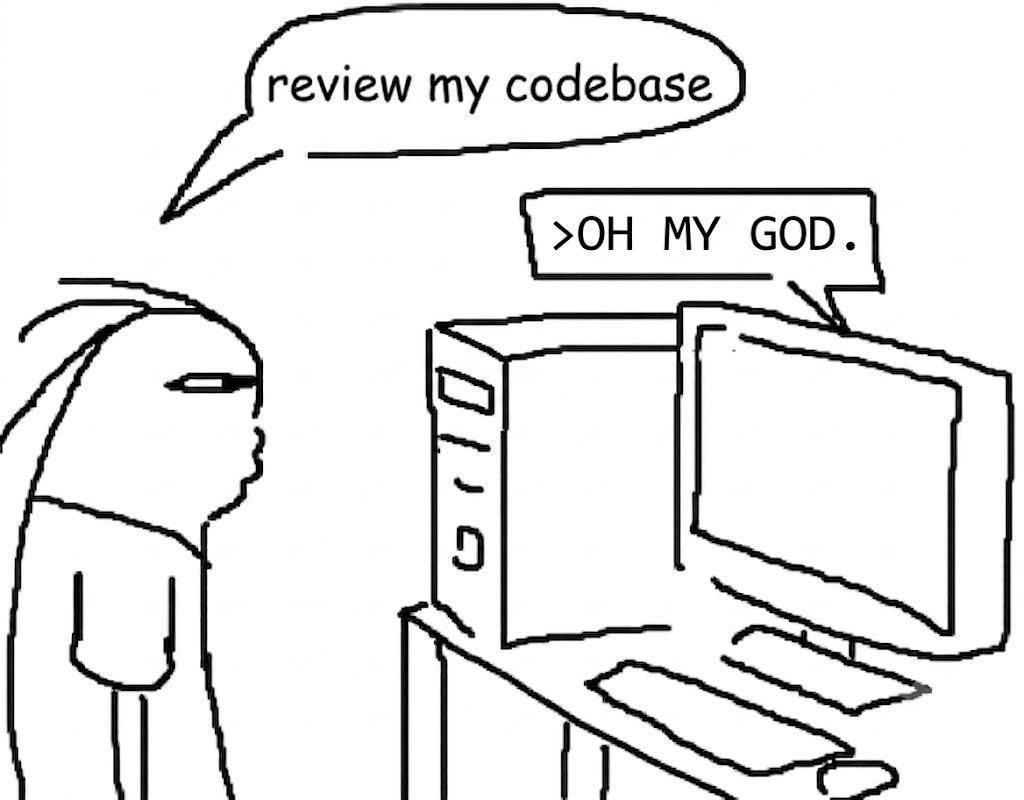
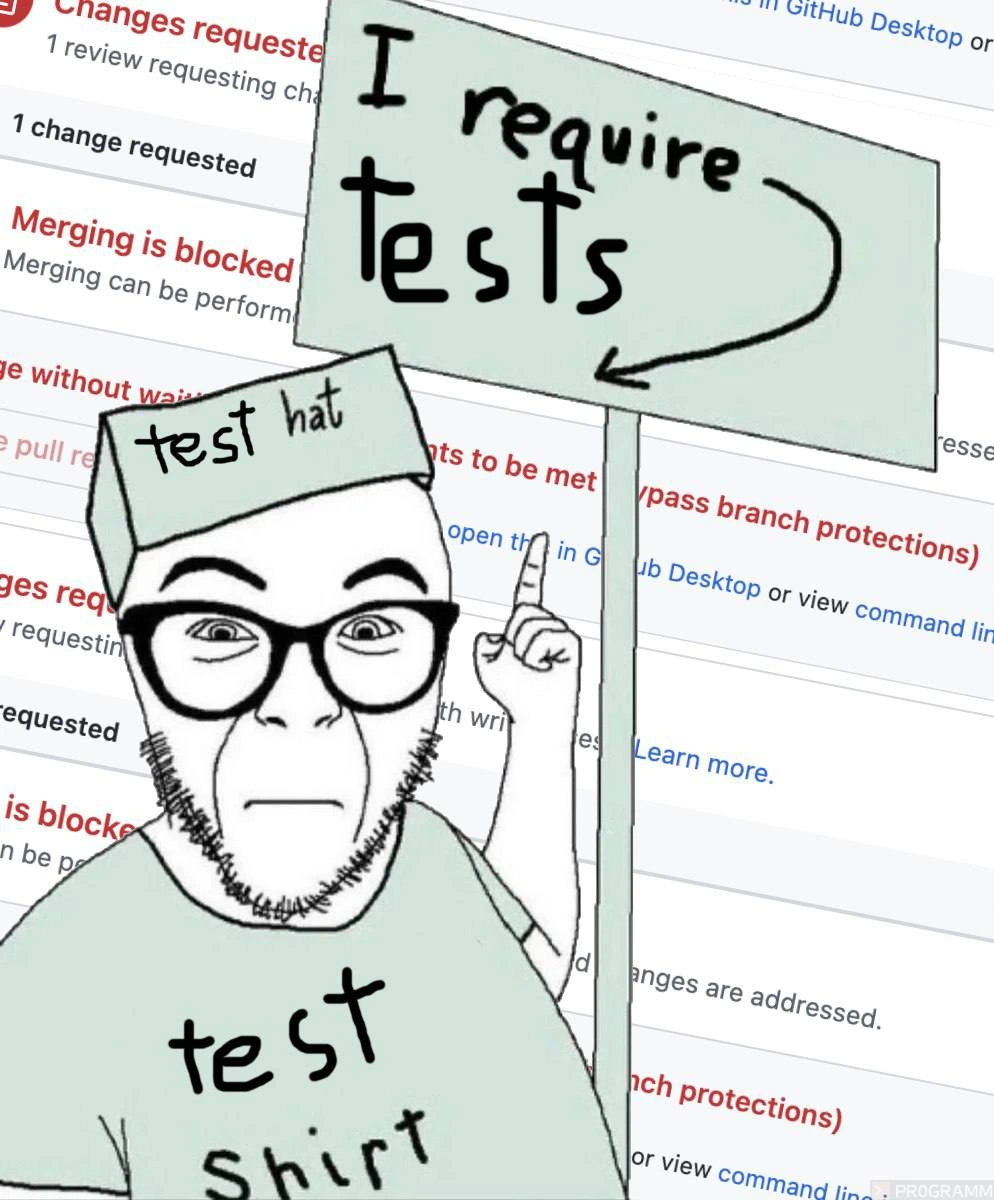
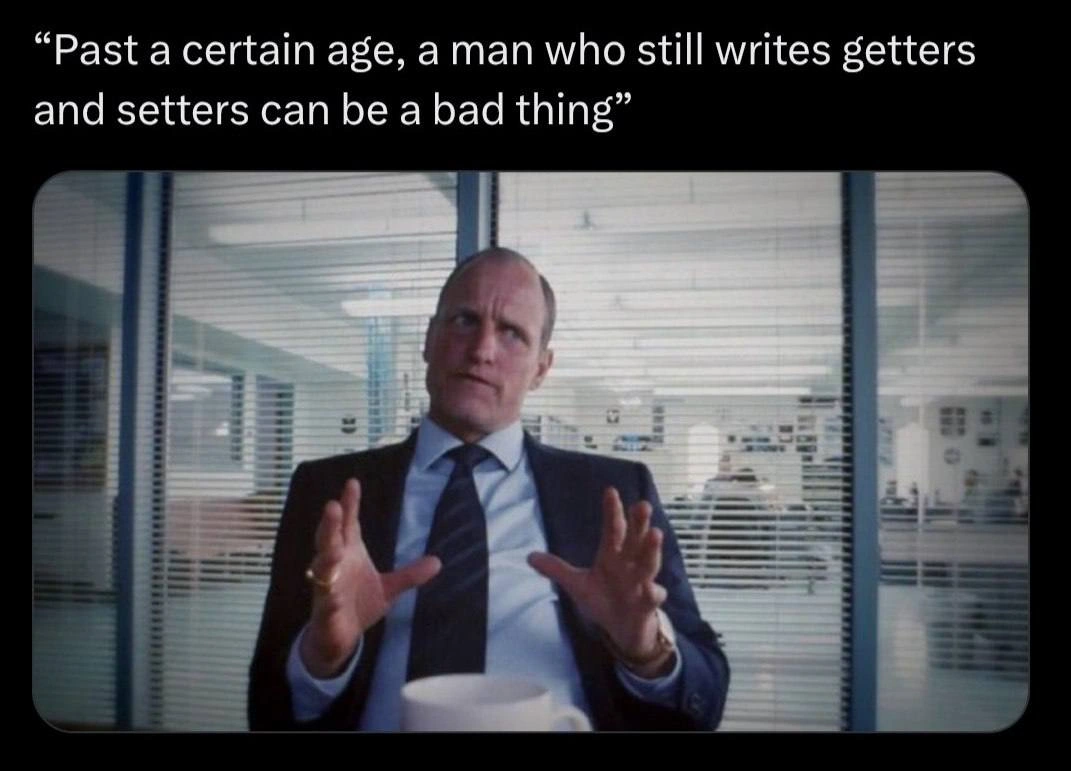
Writing `if (user.isAdmin() == true)` isn't just redundant; it's a cry for help. It tells me you don't trust your own booleans to be themselves in a safe environment
Nothing shatters the illusion of our zero-trust architecture faster than spotting `isAuthenticated == true`; apparently the only perimeter we still rely on is my blood pressure during code review
After 15 years of code reviews, you realize the real technical debt isn't the legacy COBOL system - it's the junior who keeps writing 'if (isValid == true)' despite three refactoring sprints and a company-wide linting rule that somehow they've disabled locally
The '== true' check is the programming equivalent of saying 'yes equals yes' - it's not just redundant, it's a cry for help from someone who doesn't trust their own boolean expressions. Any senior engineer who's survived enough code reviews knows that seeing 'if (isValid == true)' triggers the same visceral reaction as finding 'catch (Exception e) {}' in production code - it's technically legal, but morally reprehensible. The real tragedy is that this antipattern often appears alongside its evil twin 'if (condition == false)' instead of the elegant '!condition', creating a codebase that reads like it was written by someone who learned programming from a lawyer's contract
==true saves one keystroke today, spawns a week of 'why is this falsy?' postmortem tomorrow
Nothing says we don’t run linters like if (flag == true); the CPU’s branch predictor won’t notice, but every senior on the PR will
Career progression: junior writes if(flag == true), senior changes it to if(flag), architect asks why flag is a VARCHAR that sometimes says "true"
потому что надо писать === true
В Котлине если boolean? (nullable), то "== true" весьма полезно. In Kotlin, if "Boolean?" (nullable) is used, "== true" is very useful
need to write "=^.^= true"
had to write 'value === true' in js just to make sure the arg was a boolean
"!= false"
In response to most counter-arguments: If you have a nullable boolean value where null has a different meaning, you probably shouldn't use bool there, from a proper code standpoint. Maybe an enum instead В ответ на большую часть контр-аргументов: если у вас есть опциональный bool, где null значит что-то нетривиальное, скорее всего, в плане качественного кода, вам лучше юзать не bool, а какой-нибудь enum. Даже энумы на две или одну величину бывают, опускать их или заменять на булы - зачастую костыль
if(your_mom.isFat) return gotem