

The 'Demons' of Production Support
Description
A popular meme format featuring a black-and-white, glamorous-looking photo of singer Lana Del Rey. Overlaid on the image is bold text with a pink outline that reads, "girlies will say they're fighting demons and then it's just". The phrase is completed inside a solid pink rectangle with the text "incidents troubleshooting". The visual style is intentionally dramatic, contrasting with the specific, technical nature of the punchline. The meme humorously equates the intense, high-stakes pressure of troubleshooting live production incidents with a dramatic personal struggle. For senior engineers, SREs, and anyone who has been on-call, the term 'fighting demons' is a relatable metaphor for navigating complex system failures under pressure, often late at night, making the meme a perfect blend of internet culture and niche developer pain

Comments
7Comment deleted
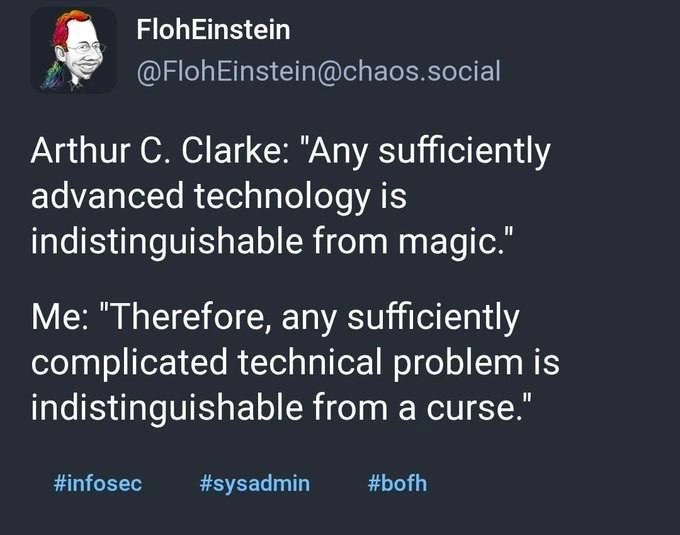
Some people have inner demons. I have dashboards full of red alerts, and frankly, I think mine are better instrumented
Sure, I’ve got demons too - Grafana just calls them “unknown” in the root-cause column
The real demons are the race conditions that only manifest at 3am in production with a P0 incident, disappear when you add logging, and somehow involve a distributed cache invalidation bug from code written by someone who left the company three years ago
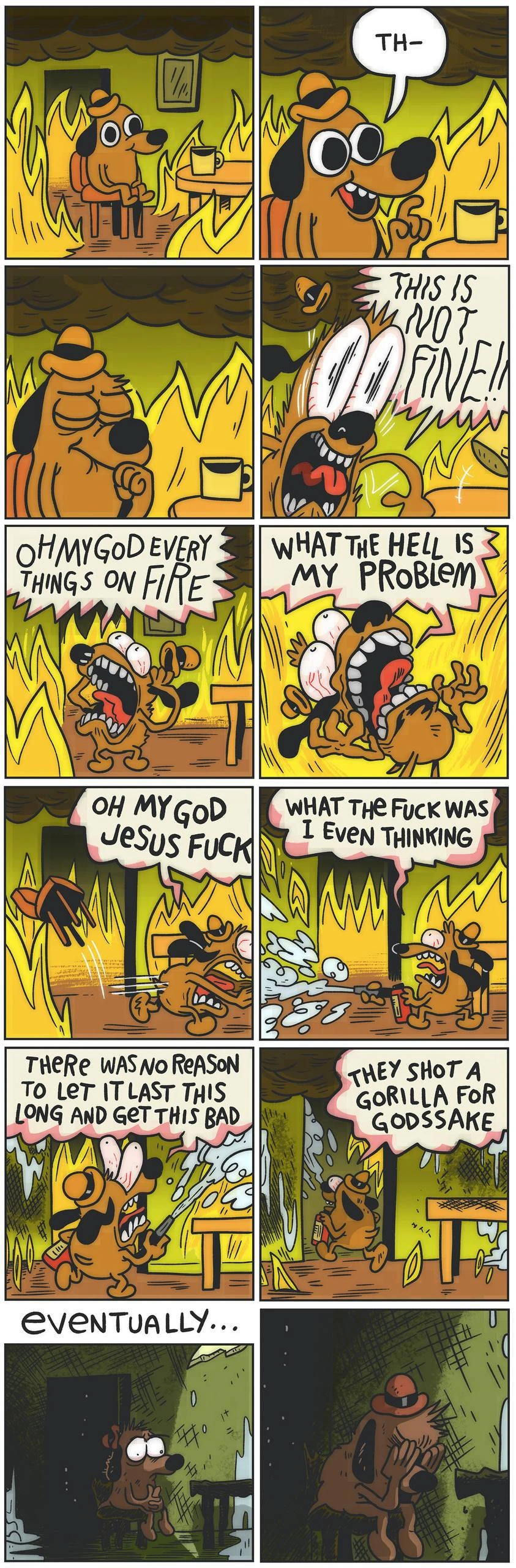
The real demon is when your incident response runbook says 'restart the service' but nobody documented which of the 47 microservices is actually causing the cascade failure at 2 AM, and your monitoring dashboard just shows everything on fire with no clear root cause - so you're essentially performing an exorcism on distributed systems while the CEO watches the status page
Senior translation: fighting demons means a 3 a.m. SEV-1, a canary rollback, and an RCA that diplomatically says the runbook was aspirational
Fighting demons? Try correlating a distributed trace across 17 microservices at 3 AM
SRE translation: “fighting demons” = SEV1 at 03:17, PagerDuty screaming, five Grafana tabs, arguing with DNS, and a runbook last updated in 2019