

The Unreadable Code Standoff
Description
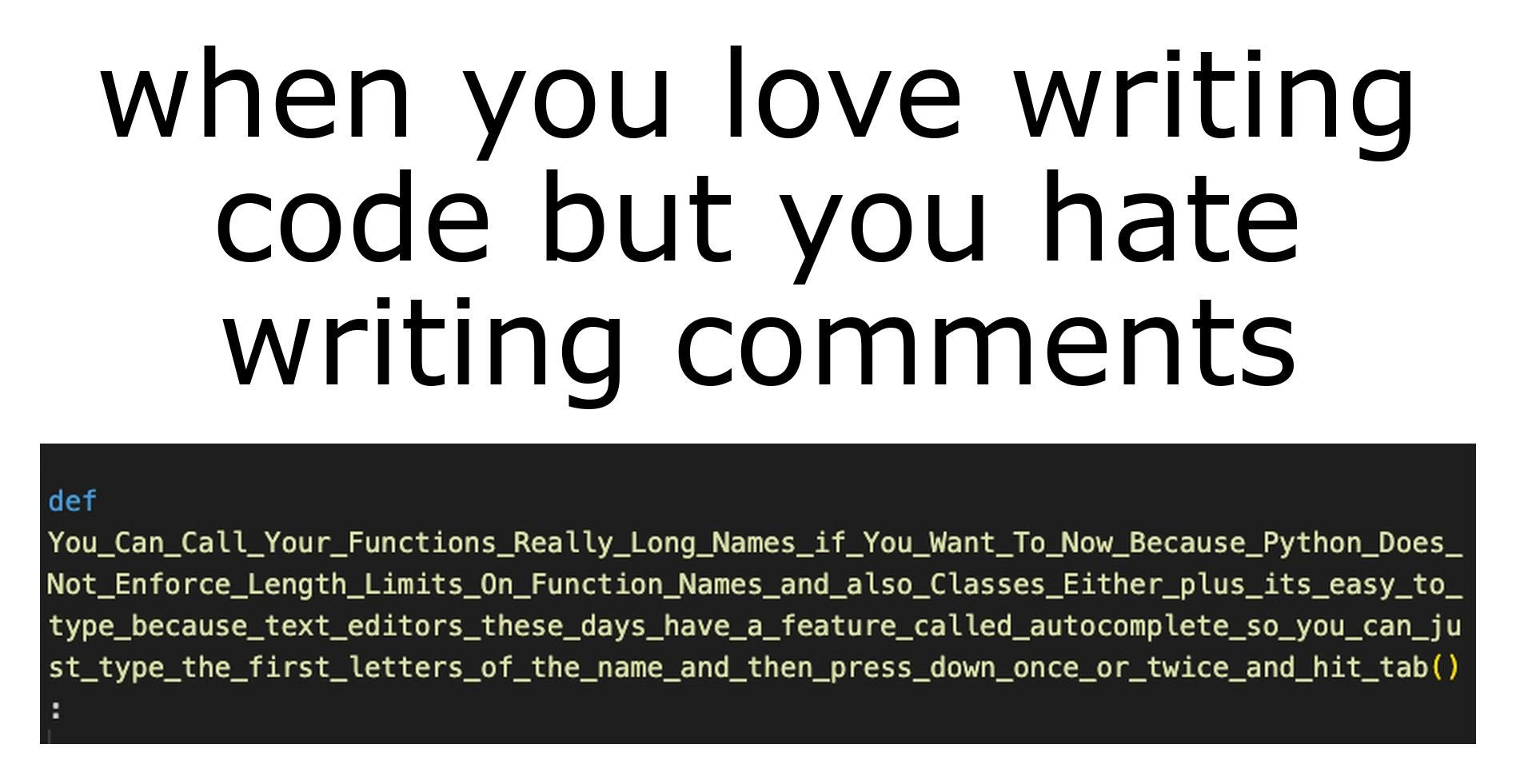
A simple text-based image presented as a news headline on a plain white background. The text reads: 'Developer Accused Of Unreadable Code Refuses To Comment'. The humor is a clever pun, playing on the double meaning of the word 'comment'. In a journalistic or legal context, 'to comment' means to provide a statement. In programming, 'to comment' means to add explanatory notes to the source code. The joke lies in the ambiguity: the developer is simultaneously refusing to speak about the accusation and refusing to add the very thing (comments) that would solve the problem of their unreadable code. This resonates with any developer who has struggled to understand a cryptic piece of code, highlighting the friction between writing code and documenting it properly

Comments
7Comment deleted
He's not refusing to comment. He's a purist of the 'self-documenting code' philosophy, which in his case, is a write-only language
At this point the only documentation his team has is `git blame --since "forever"`, and even that function name is obfuscated
The same developer later claimed their code was "self-documenting" while defending a 500-line method named 'doStuff()' that returns mysterious boolean values based on undocumented business logic from 2019
This developer clearly subscribes to the 'code is self-documenting' philosophy - which works great until you're the one debugging their nested ternaries at 2 AM, six months after they've left for a FAANG company. The real irony? Their PR description probably just said 'fixed stuff' with no additional context either
We adopted self-documenting code so aggressively that incident response now depends on the original author as a runtime dependency
When readability audits hit, the veteran dev's strategy: refuse to comment, forcing the next maintainer to play code archeologist
Defense pleads “self‑documenting”; the documentation is in git blame across three force‑pushed rebases - the prosecution submits the 3 a.m. on‑call logs