
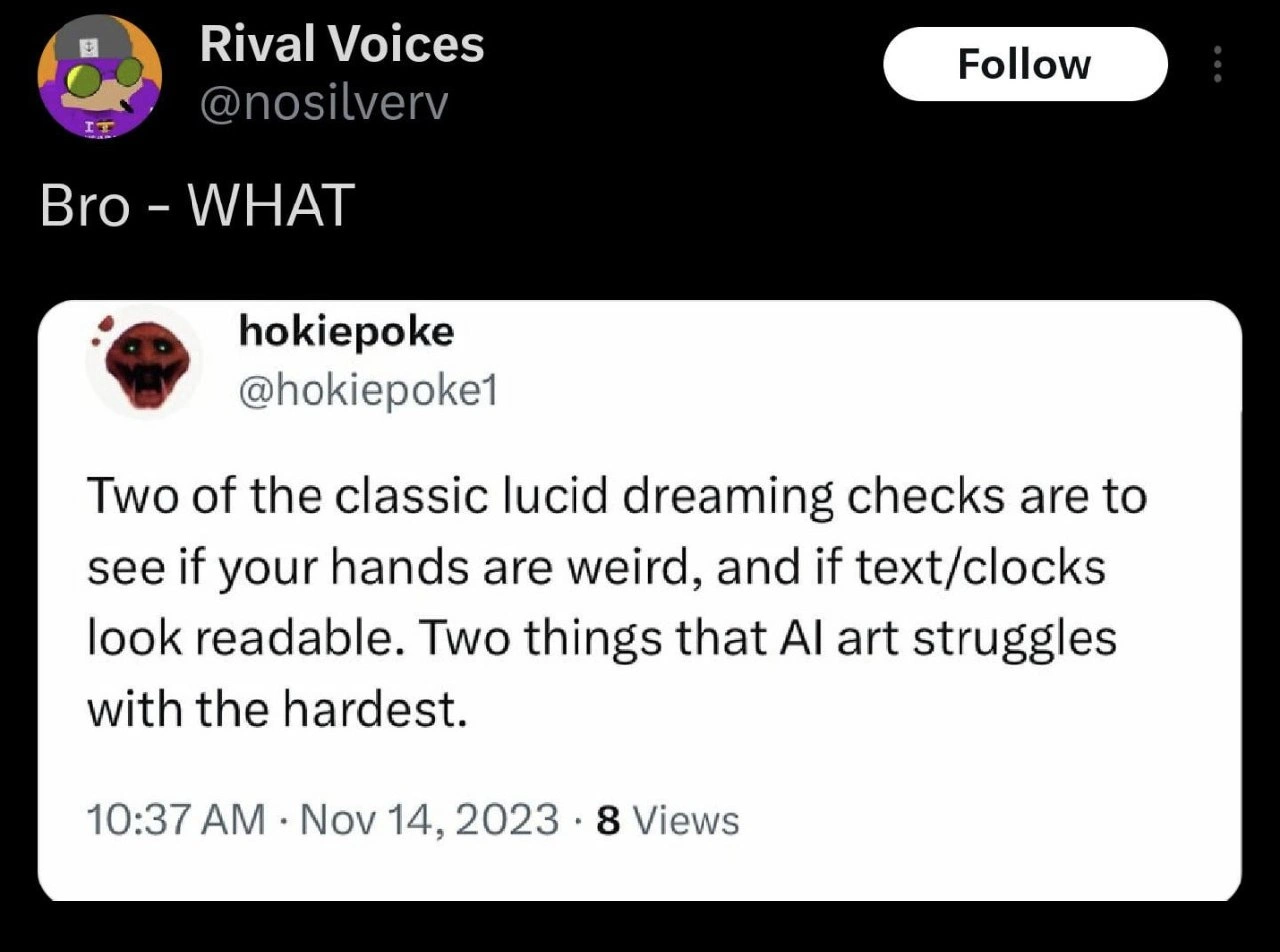
Lucid Dreaming or AI Prompting: Spot the Difference
Description
This image is a screenshot of a Twitter (now X) conversation. A user named Rival Voices (@nosilverv) posts 'Bro - WHAT' in response to a tweet from hokiepoke (@hokiepoke1). The original tweet by hokiepoke reads: 'Two of the classic lucid dreaming checks are to see if your hands are weird, and if text/clocks look readable. Two things that AI art struggles with the hardest.' The meme draws a fascinating and slightly eerie parallel between the methods used to determine if one is in a dream and the notorious failure points of generative AI image models. In lucid dreaming, checking one's hands often reveals anatomical impossibilities (like six fingers), and text or clocks appear as unreadable or shifting gibberish. This perfectly mirrors the common artifacts seen in AI-generated art, where hands are often malformed and text is incoherent. The post went viral for highlighting this uncanny valley, prompting a 'mind-blown' reaction and sparking conversations about the nature of generated reality versus dreams
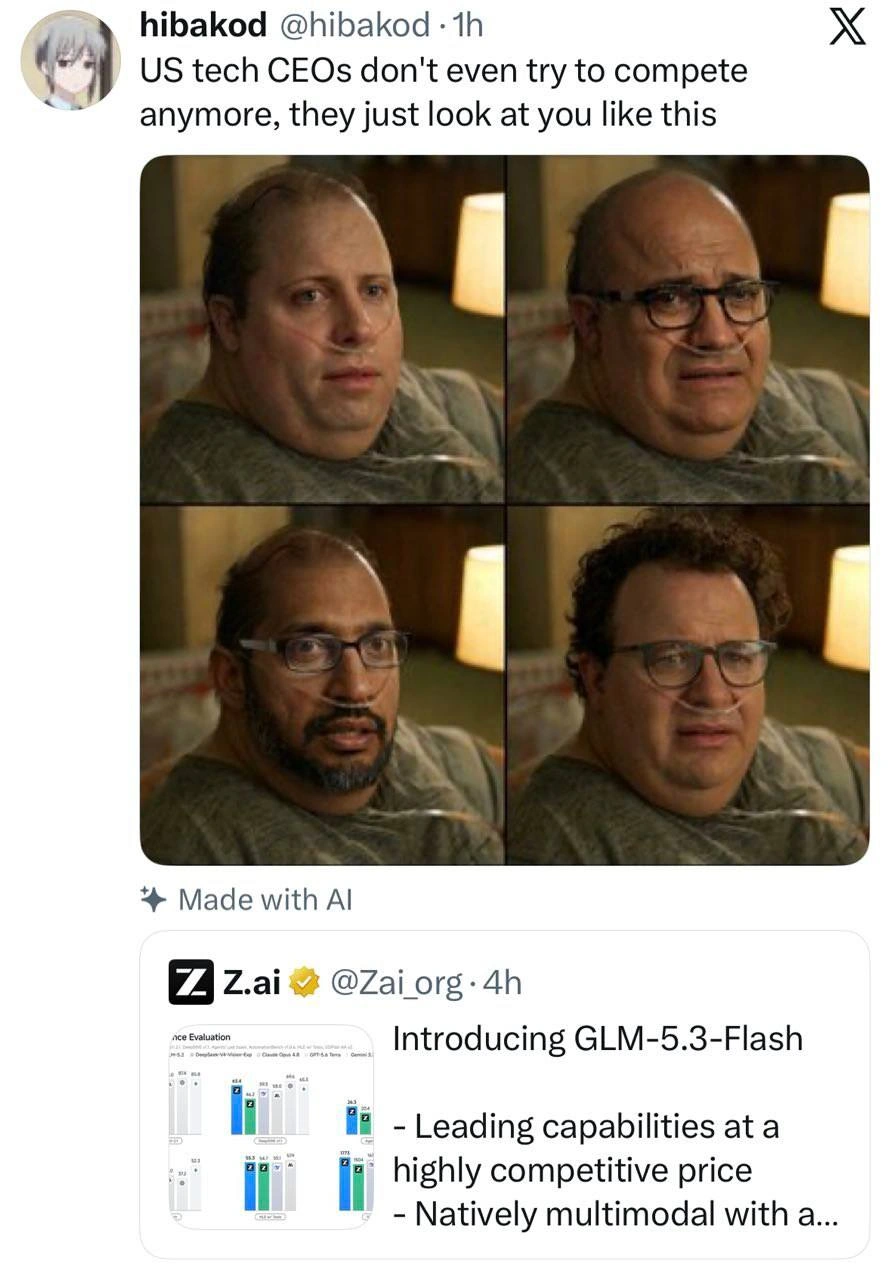
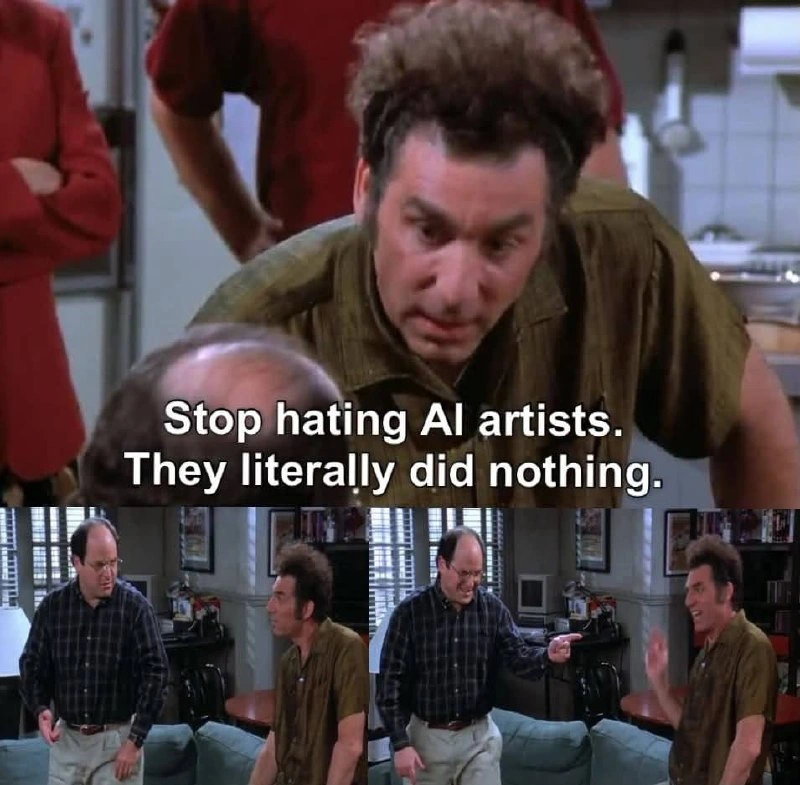
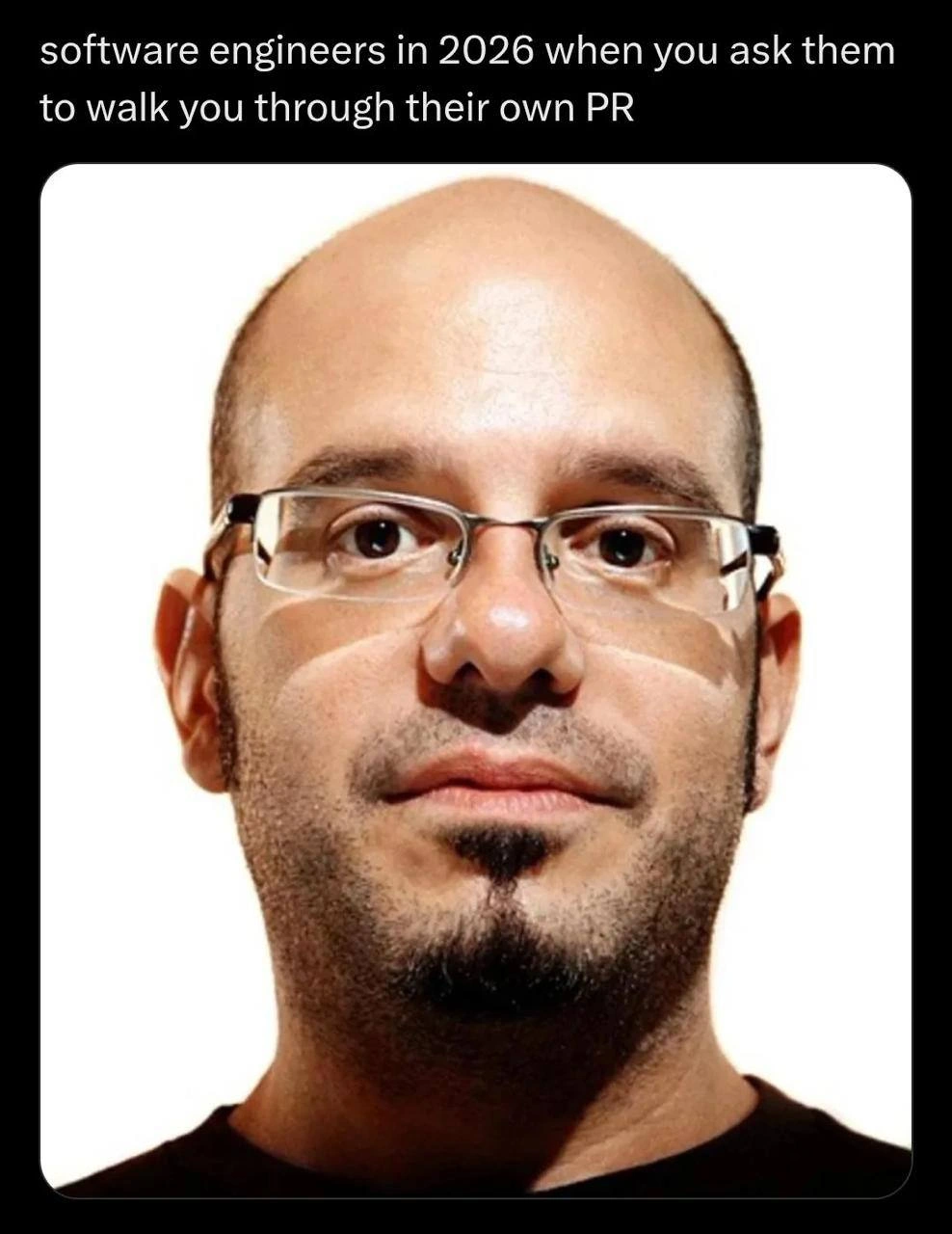
Comments
15Comment deleted
So if I see a six-fingered hand holding a book with garbled text, am I in a dream or just looking at the uncurated output from a base Stable Diffusion 1.5 model? The existential horror is functionally identical
Turns out the definitive health-check endpoint for your image model is just /hand.jpg → 200 or 7-fingered nightmare
Turns out the Turing test was backwards all along - we're not checking if machines can convince us they're human, we're checking if they fail the same reality checks we do when unconscious
Turns out AI image generators are perpetually stuck in a lucid dream - they can't render hands properly or generate readable text, the exact same reality checks humans use to detect they're dreaming. It's almost poetic: we built neural networks that hallucinate so convincingly they've inherited the same tells as our own subconscious. Maybe we should add 'can you count your fingers?' to our model evaluation metrics alongside CLIP score and FID
New SLO for the generative art service: 99.9% hands have 5±0 digits and all clocks are readable - if we ever hit it, we’ve secretly replaced the diffusion model with OCR plus a hand‑pose network
Our gen‑AI smoke test has two assertions - len(fingers)==5 and OCR(clock)!=NaN - and it still flakes more than our 99.9% SLO
AI art's CAP theorem: can't guarantee Coherent Anatomy, consistent finger count, or Pose - all at once
Whats SD? Comment deleted
Ahhhh thx Comment deleted
Generative networks, deep dreaming and continual learning have surprisingly quite a bit in common Comment deleted
Perhaps govt is beaming dreams in our brains Comment deleted
This is just because our biological NN is not perfect too Comment deleted
Every biological property is finely tuned for survival, so it must be perfect for the species posessing it. Comment deleted
I tried it once and confirm this check in my lucid dream Comment deleted
or we're in a simulation, and when we sleep we get less iterations on the generative engine to save energy Comment deleted