Skip to content
DevMeme
2719 of 7435
Solving C++ Memory Management with Blockchain-Powered Smart Pointers
Blockchain Post #3004, on Apr 21, 2021 in TG

Solving C++ Memory Management with Blockchain-Powered Smart Pointers

Why is this Blockchain meme funny?

Level 1: Sledgehammer to Kill a Fly

Imagine you have a single special toy that only you can play with at a time. Sometimes you let your friend play with it, but you always make sure only one person has it so it doesn’t get lost. That’s like how a unique pointer works – it makes sure one thing (like a toy or a piece of memory) has only one owner at a time. Now, suppose you’re a bit worried about losing this toy or not knowing who has it, and someone suggests a wild idea: every time you hand the toy to a friend or put it back in your box, you will announce it over a loudspeaker to the whole neighborhood and write it down in a giant public record book that everyone can see. 🤨 This way, it’s very transparent who has the toy and very secure because no one can fake the record – everyone heard you and wrote it down. But… that’s a HUGE amount of effort for a simple toy swap, right? In real life, you’d never involve the entire neighborhood just to keep track of one toy! You’d simply give the toy and trust your friend, or keep it in a safe place. The meme is funny for the same reason: it’s as if a programmer said, “Managing this little piece of computer memory is hard, so let’s use a giant worldwide network of computers to watch over it each time it changes hands.” It’s using an over-the-top solution (the public ledger and loudspeaker, like a blockchain) to solve a small everyday problem (keeping track of who has the toy, like which part of a program owns the memory). The idea is so exaggerated and silly that it makes people laugh – it’s showing how ridiculous it would be to use something as heavy and complicated as a global blockchain for something as ordinary as remembering to clean up your toys (or memory) after you’re done.

Level 2: Unique Pointer Gets NFT

Let’s break down the joke in simpler terms. In C++ programming, managing memory is a manual task where you have to allocate memory for objects and then remember to free that memory later. Forgetting to free memory causes leaks (wasted memory), and freeing something twice or using memory after it’s freed can crash your program or worse. It’s tricky, so C++ offers tools like smart pointers to help. A std::unique_ptr<T> is one such tool: it’s basically a wrapper around a raw pointer that ensures only one part of your code “owns” that memory at a time. When that unique_ptr goes away or is reassigned, it automatically deletes (frees) the object it points to. This makes memory management safer and less error-prone. You can’t accidentally copy a unique_ptr (that would lead to two owners and potential double deletion); you can only transfer it using std::move, which hands off ownership from one unique pointer to another. So for example:

auto ptr1 = std::make_unique<Cow>(); // Create a new Cow on the heap, ptr1 owns it.
std::unique_ptr<Animal> ptr2;
ptr2 = std::move(ptr1);             // Transfer ownership of the Cow from ptr1 to ptr2.

After this, ptr1 is empty (null) and ptr2 now uniquely owns the Cow object. This is normal C++ memory management using smart pointers.

Now, what about blockchain and NFTs? A blockchain (like Ethereum) is essentially a public database spread across many computers. When you put something on a blockchain, everyone keeps a copy of that record, and new updates (transactions) have to be agreed upon by the network. This makes the records transparent and tamper-resistant (because no single party controls it, and it’s secured by cryptography). An NFT stands for Non-Fungible Token. “Non-fungible” just means unique; an NFT is like a one-of-a-kind digital certificate or token. On Ethereum, an NFT might represent a unique digital item (like a specific image, a trading card, or a piece of digital art). Each NFT has an owner, and if it’s sold or transferred, that change of ownership is recorded as a transaction on the blockchain. People can view the trading history of an NFT (when it was created, who owned it, who bought it, etc.), and because of the blockchain, they trust that history to be authentic.

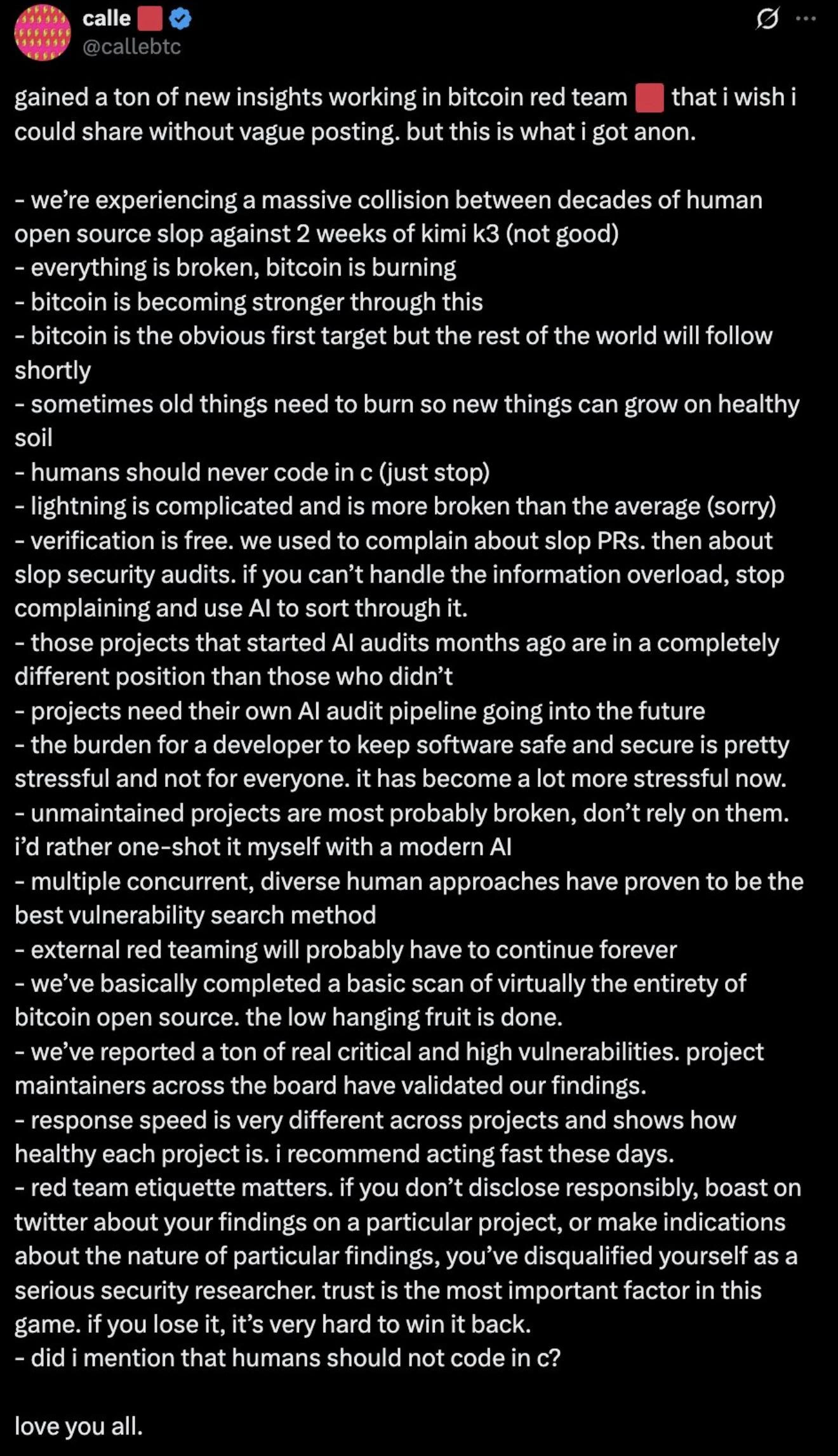
Now here’s where the joke comes in: someone imagined combining these two totally unrelated things. They propose a fictional C++ smart pointer called nft_ptr which extends unique_ptr by recording each object as an NFT on the Ethereum blockchain. In the meme’s code snippet, make_nft<Cow>() plays the role of std::make_unique<Cow>(), but with a twist: it would also mint a new NFT representing that Cow object. So ptr1 holds a Cow and also registers an entry on the blockchain saying “Token X represents this Cow object owned by ptr1.” Then, when they do ptr2 = std::move(ptr1), instead of just moving the pointer locally, it would also log an NFT transfer: essentially “Token X (the Cow) has moved from owner ptr1 to owner ptr2”. The meme even visually shows a fake “Trading History” table with one transfer event for item “7faa4bc09c90 Cow” (that looks like an ID for the Cow object). In a real NFT marketplace, you’d see something like “Transfer – MonaLisaNFT – sold for 5 ETH – from Alice to Bob”. Here it’s “Transfer – CowObjectNFT – Quantity 1 – from (some address) to (some address)”. It’s mimicking the style of NFT transaction listings, but about a C++ object being moved in code.

For someone new to these concepts, the reason this is funny is because it’s a silly over-complication. Managing program memory and trading blockchain tokens have nothing to do with each other. Memory management is an internal thing a program does – ideally fast and simple. Blockchain transactions are external – slow (relative to computer memory operations), costly, and used when you need a permanent public record. By jokingly mixing them, the meme highlights how ridiculous it would be to solve a programming issue by throwing blockchain at it. It’s like saying, “Hey, keeping track of this pointer is hard, so let’s also write it to a global ledger every time it changes to make it super secure and transparent.” Technically, yes, you’d have a record of every pointer move (so in theory you could audit memory ownership history), but it’s completely impractical for actual programming. It'd be extremely slow and expensive (imagine paying real money for gas fees each time a pointer moves!). The GitHub link “zhuowei/nft_ptr” suggests someone even made a joke repository to drive home this satire. It’s a satirical code project, not meant for real use – just to get developers to chuckle and say “that’s absurd.” In summary, the meme takes a real C++ tool (unique_ptr) and a real hype tech (NFT blockchain) and combines them in an over-engineered, humorous way. It’s poking fun at the trend of adding blockchain to everything and reminds even junior devs to think twice about using a super complex solution for a simple problem.

Level 3: Hype-Driven Development

For seasoned developers, this meme is a perfect storm of over-engineering humor. It mashes up the notoriously tricky world of C++ memory management with the peak absurdity of the blockchain hype cycle. Everyone in software has seen trends where a hot new technology is treated like a magical fix for everything. Here, the meme text jokingly claims:

“C++ memory management is difficult, opaque, and insecure. Adding blockchain to a problem makes it simple, transparent, and cryptographically secure.”

That line drips with sarcasm. Veteran engineers know that C++’s manual memory handling can indeed be a headache (think dangling pointers, memory leaks, buffer overruns). We mitigated those issues with tools like std::unique_ptr and other smart pointers to make life easier. Meanwhile, a few years ago blockchain was the buzzword du jour – managers and architects were running around slapping “powered by blockchain” onto every problem in sight (often without understanding the trade-offs). The meme pokes fun at this hype-driven development: the absurd idea that by integrating blockchain, you instantly make anything better. In reality, adding blockchain would make a simple thing like freeing memory far more complicated and wildly inefficient.

The code snippet shown in the meme is a fake (satirical) API: auto ptr1 = make_nft<Cow>(); creates a Cow object and wraps it in a special nft_ptr. This nft_ptr is a spoof of std::unique_ptr that supposedly mints an NFT for the object. Then they do:

nft_ptr<Animal> ptr2;
ptr2 = std::move(ptr1);

In normal C++ this means transferring ownership of the Cow from ptr1 to ptr2 (using std::move because unique_ptrs can’t be copied, only moved). In the satirical nft_ptr world, that assignment triggers a blockchain transfer event — which the meme displays as a “Trading History” log, just like you’d see when an NFT artwork changes hands on an online marketplace. So the single pointer move from one variable to another is treated like an item being sold or transferred, complete with a unique ID (7faa4bc09c90 Cow) and wallet addresses (“From 9ED600 To 1564B” in the table). It’s a wonderful parody of how NFTs maintain an ownership history. Seasoned devs chuckle because we recognize all the familiar pieces: std::move semantics from modern C++, and NFT trading records from blockchain tech – smashed together for laughs.

The humor also relies on the absurdity of the solution: C++ memory issues are about things like segmentation faults or memory leaks – very low-level, local problems inside one program’s process. The proposed fix uses a massively distributed technology that’s meant for trust and transparency in a multi-party network. It’s a classic case of solving a problem with something far more complicated than the problem itself (the very definition of over-engineering). This resonates with experienced developers because we’ve all seen projects where someone suggests using an overly complex architecture or the latest fad tech when a simple solution would do. In real life, no sane programmer would actually put object allocations on Ethereum – the latency and cost (imagine paying real Ether each time you call new or delete!) would be ridiculous. But during the NFT craze (around 2021 when this tweet was made), there truly were people trying to NFT-ize all the things, from digital art to tweets to toilet paper. This tweet and the GitHub gag zhuowei/nft_ptr are tongue-in-cheek responses to that craze, essentially saying “Haha, why not also turn our C++ pointers into NFTs, since NFTs are so magical?”

The meme also satirizes the corporate tendency to tack blockchain onto projects for investor appeal. Senior devs have sat through meetings where someone non-technical insists “We need blockchain for this” with no clear reason. The line “Adding blockchain makes it simple” is especially hilarious to anyone who has actually worked with blockchain frameworks – we know they introduce new complexities (network nodes, consensus bugs, smart contract security issues) rather than simplifying the original problem. It’s tech hype at its finest. In short, the meme gets a laugh (or a groan) from experienced folks because it captures that “solution in search of a problem” vibe perfectly. It’s an absurd example of tech over-hype, combining the pain of C++ manual memory management with the fad of NFTs to produce a tongue-in-cheek “ultimate solution” that in reality would be a nightmare. This is classic developer humor: mixing real-world dev pain points with outlandish hype to highlight how ridiculous things can get when you follow trends blindly.

Level 4: Pointer Consensus Protocol

At the most esoteric level, this meme merges two completely different realms: low-level C++ resource management and high-fanfare blockchain tech. In C++, a std::unique_ptr<T> is a RAII (Resource Acquisition Is Initialization) smart pointer that ensures exactly one owner for a dynamically allocated object. It automatically calls delete when it goes out of scope, preventing memory leaks and double frees. NFTs on the other hand live on the Ethereum blockchain, where each token is a cryptographically unique asset with an owner recorded on a distributed ledger. The tweet’s satirical proposal essentially creates a decentralized ownership model for memory: every time a C++ object’s ownership transfers (via std::move on a unique_ptr), it would be treated as an NFT transfer event on Ethereum. This means a simple pointer assignment would invoke the full weight of blockchain consensus – miners (or validators) would verify and record the event across the network. The “Trading History” table in the meme snippet highlights a logged transfer of item 7faa4bc09c90 Cow, which looks like a memory address (0x7faa4bc09c90) tagged with object type Cow. In a theoretical sense, this draws a parallel between unique ownership in memory and unique ownership of a token: both ensure a resource isn’t duplicated or double-claimed. It’s almost like preventing a “double-free” in C++ is being equated to preventing a “double-spend” in crypto. But consider the insane complexity here: C++ normally frees memory in nanoseconds with a simple instruction, whereas an Ethereum NFT transfer might take seconds to minutes, require gas fees in cryptocurrency, and involve cryptographic signatures and global consensus protocols (Byzantine fault tolerance, anyone?). Each pointer move would generate a transaction, produce a hash, update Merkle trees, and be broadcast to thousands of nodes worldwide. The notion that this added cryptographic security would make C++ memory management “simple” or “transparent” is pure tongue-in-cheek: it’s highlighting how outlandishly impractical that would be. You’d effectively be performing a Proof-of-Work (or Proof-of-Stake) just to reassign a pointer! It’s a brilliant bit of absurdist humor at a theoretical level — taking a local resource management problem and pretending that a global consensus ledger is the silver bullet, when in reality it’s like using a distributed sledgehammer to crack a tiny nut. The meme tickles the part of a senior developer’s brain that knows both about the intricacies of C++ memory (pointers, lifetimes, deletes) and the heavy machinery of blockchain (hashing, mining, NFT uniqueness), and finds the combination hilariously over-engineered.

Description

A screenshot of a tweet from user David Kanter (@TheKanter). The tweet satirically proposes a solution for C++'s complex memory management by integrating blockchain. The text reads: 'C++ memory management is difficult, opaque, and insecure. Adding blockchain to a problem makes it simple, transparent, and cryptographically secure. Thus, we extend std::unique_ptr, the popular C++ smart pointer used for memory management, with blockchain.' Below the text is a code snippet demonstrating the concept with 'auto ptr1 = make_nft<Cow>();' and 'nft_ptr<Animal> ptr2;', followed by 'ptr2 = std::move(ptr1);'. The image also shows a mock 'Trading History' of an NFT transfer and a GitHub link preview for a repository named 'zhuowei/nft_ptr', described as 'C++ `std::unique_ptr` that represents each object as an NFT on the Ethereum blockchain'. The humor stems from applying a slow, expensive, and distributed technology like blockchain to a problem that requires microsecond-level performance and is confined to a single process. It's a sharp critique of 'solutionism' and the tech industry's tendency to apply hyped technologies like blockchain to entirely inappropriate domains, a frustration well-understood by experienced engineers who value efficiency and practicality
Comments

13
Anonymous ★ Top Pick My new `nft_ptr` costs $60 in gas fees and takes 15 seconds to destruct, but at least my memory leaks are now permanently recorded on an immutable distributed ledger
  1. Anonymous ★ Top Pick

    My new `nft_ptr` costs $60 in gas fees and takes 15 seconds to destruct, but at least my memory leaks are now permanently recorded on an immutable distributed ledger

  2. Anonymous

    Great news: every std::move on our nft_ptr now settles on Ethereum - bad news: freeing 32 bytes costs 50 gwei, so the memory leaks are technically our most valuable assets

  3. Anonymous

    Finally, a solution where your memory leaks cost actual gas fees and your dangling pointers can be front-run by MEV bots - because nothing says 'production-ready' like waiting for blockchain consensus before your destructor runs

  4. Anonymous

    Finally, a solution to C++'s memory management woes: just pay gas fees every time you need to transfer ownership, wait for block confirmation before your destructor runs, and hope the network isn't congested when you need to deallocate. RAII? More like RAII-on-chain. At least when your program crashes, you'll have an immutable, cryptographically-signed record of exactly which memory leak caused it - permanently stored on Ethereum for only $47 per allocation

  5. Anonymous

    nft_ptr: the only smart pointer where std::move is an on-chain transfer, double-free is a 51% attack, and your destructor waits for block finality

  6. Anonymous

    nft_ptr proves that when unique_ptr already ensures single ownership, the only missing feature was paying unpredictable gas to call std::move during your on-call

  7. Anonymous

    Unique_ptrs were unique enough; now they're ERC-721 minted, ensuring no aliasing - unless you lose your private key

  8. @YaroST12 5y

    Am I having a stroke?

    1. Deleted Account 5y

      idk

  9. @nuntikov 5y

    This is a joke

  10. @caesar_84 5y

    Too difficult, request for an explanation team

  11. Deleted Account 5y

    c++ moment

  12. @f3rr0us 5y

    This may be a joke, but it exists and works. I regret to admit I tried it in Rust

Use J and K for navigation