
Landlord Equity Clauses Meme Explained
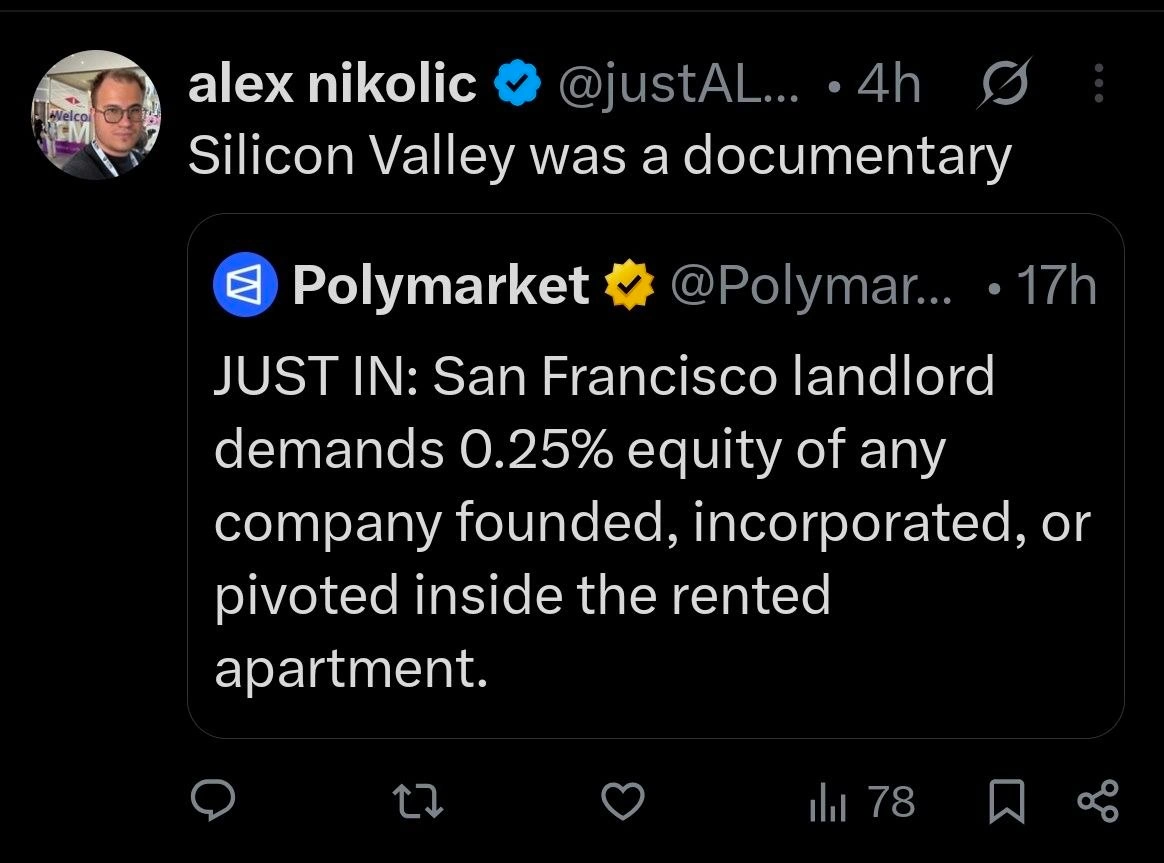
A viral post claims a San Francisco landlord wants 0.25% equity in any company founded, incorporated, or pivoted inside a rental. The dive unpacks equity, cap tables, pivots, and rent-seeking via the HBO Silicon Valley parallel.
Level 1: The Million-Dollar Kitchen
Imagine renting a kitchen and being told that, besides paying rent, you must give the owner a piece of any successful cookie business you dream up while baking there. The owner did not invent the recipe or buy the ingredients; the idea merely happened under that roof. It is funny because a normal landlord is acting like an investor, exactly like an overconfident character from a show that was supposed to exaggerate this behavior.
Level 2: Who Owns the Quarter-Point?
A startup begins with an ownership ledger called a capitalization table, usually shortened to cap table. It lists founders, employees, and investors who hold shares, options, or other rights to ownership. If a company has 1,000,000 shares and somebody owns 2,500 of them, that person owns 0.25% at that moment:
$$ \frac{2{,}500}{1{,}000{,}000} \times 100 = 0.25% $$
When the company later creates shares for investors or employees, existing percentages may shrink through dilution. The owner can still hold the same number of shares while those shares represent a smaller fraction of the larger total.
A pivot happens when a startup substantially changes direction after learning that its original idea, audience, or business model is not working. For example, a team building scheduling software for gyms might discover that clinics value it more and refocus the product. The meme’s claimed lease makes that ordinary product decision absurdly important to the person who owns the building.
The television reference supplies the missing setup:
- Richard develops Pied Piper while living in Erlich’s house.
- Erlich describes the house as an incubator, not merely a rental.
- Their agreement gives Erlich a large ownership stake.
- The show repeatedly uses that stake to complicate investment and control.
That is why Silicon Valley was a documentary is funnier than simply saying “this landlord is greedy.” A documentary records reality, while HBO’s Silicon Valley was a scripted comedy. The post argues that startup behavior has become so ridiculous that the old fictional exaggeration now reads like an accurate prediction.
For a first-time founder, the practical concept is scope. Contracts should make clear what a party receives, what it provides in return, when the right arises, and how long it lasts. Words such as “any company” and “pivoted inside” cover an enormous and fuzzy territory. A tiny percentage does not make ambiguous ownership harmless; fundraising tends to locate every unresolved promise with the enthusiasm of a failing test locating Friday afternoon.
Level 3: Rent-Seeking, Now Literal
The outer post says:
Silicon Valley was a documentary
That line converts HBO’s startup satire into alleged field reporting. The embedded Polymarket post claims a San Francisco landlord wants 0.25% equity in any company “founded, incorporated, or pivoted inside the rented apartment.” In Silicon Valley, Erlich Bachman operates a residential startup incubator and receives 10% of Pied Piper under an agreement tied to Richard Hendricks developing the company while living there. The screenshot imagines the same basic mechanism escaping television, shrinking from Erlich’s outrageous ten percent to a superficially modest quarter-point, and attaching itself to an ordinary rental.
The image establishes that this claim was posted; it does not show the lease, identify the landlord or apartment, or supply a source document. That distinction matters. The safest reading is “a viral post reports this bizarre term,” not “the screenshot independently proves a San Francisco lease contains it.” The humor survives either way because the wording is an almost perfect specimen of startup culture eating normal life.
Equity is ownership, not a one-time fee. If the claimed clause were operative as written, the landlord would not merely collect rent for providing space. The landlord could become a tiny shareholder in a tenant’s future company because an entrepreneurial event happened under the roof. That collapses several roles that startups normally keep distinct:
| Role | Normally Contributes | Normally Receives |
|---|---|---|
| Landlord | Habitable space for a fixed term | Rent |
| Incubator | Workspace, network, advice, services | Sometimes equity or fees |
| Angel investor | Capital and often guidance | Equity |
| Founder | Labor, ideas, risk, intellectual property | Founder equity |
The purported term lets the first row reach into the last three without visibly adding incubation or investment. It is rent-seeking in both meanings: collecting rent on property and attempting to capture value created by someone else.
Its triggers are also comically broad. Founded can be informal: when did a side project become a company? Incorporated is a specific legal event, but it can occur through an online filing performed from a couch. Pivoted is startup jargon for materially changing a product, market, or business model, and founders argue about whether a change counts as a pivot even when no landlord is waiting with a stock certificate. The phrase inside the rented apartment adds a location test to events that may be conceptual, distributed, or legally recorded elsewhere. If one cofounder proposes the pivot in the kitchen and another clicks “submit” from a café, counsel has been gifted a very expensive philosophy seminar.
Even 0.25% is less simple than it looks. A cap table must answer whether that means a quarter percent at formation, on a fully diluted basis, before or after an investment round, and subject to dilution when new shares are issued. Investors performing due diligence want to know who owns every security and why. A vaguely promised sliver held by a residential landlord could create more negotiation and paperwork than its initial economic value suggests. The truly authentic startup touch is turning a housing clause into a future financing diligence item.
The outer commentary works because Silicon Valley built comedy from incentives that were exaggerated but recognizable: vanity, founder mythology, predatory terms, chaotic cap tables, and people claiming strategic importance because they supplied a room or an introduction. In the show, Erlich at least frames his house as an incubator and houses founders in exchange for equity. The embedded claim is darker satire because the tenant would apparently pay ordinary rent and surrender upside. Reality has not merely copied the joke; it has added an unfavorable financing round.
There is also a geographic layer. “San Francisco landlord” activates two expensive mythologies at once: scarce urban housing and venture-backed startups. Each already extracts a large portion of a worker’s future income or a founder’s future company. Combining them creates a single gatekeeper who wants exposure to both asset classes. Somewhere, a spreadsheet has discovered mixed-use zoning for greed.
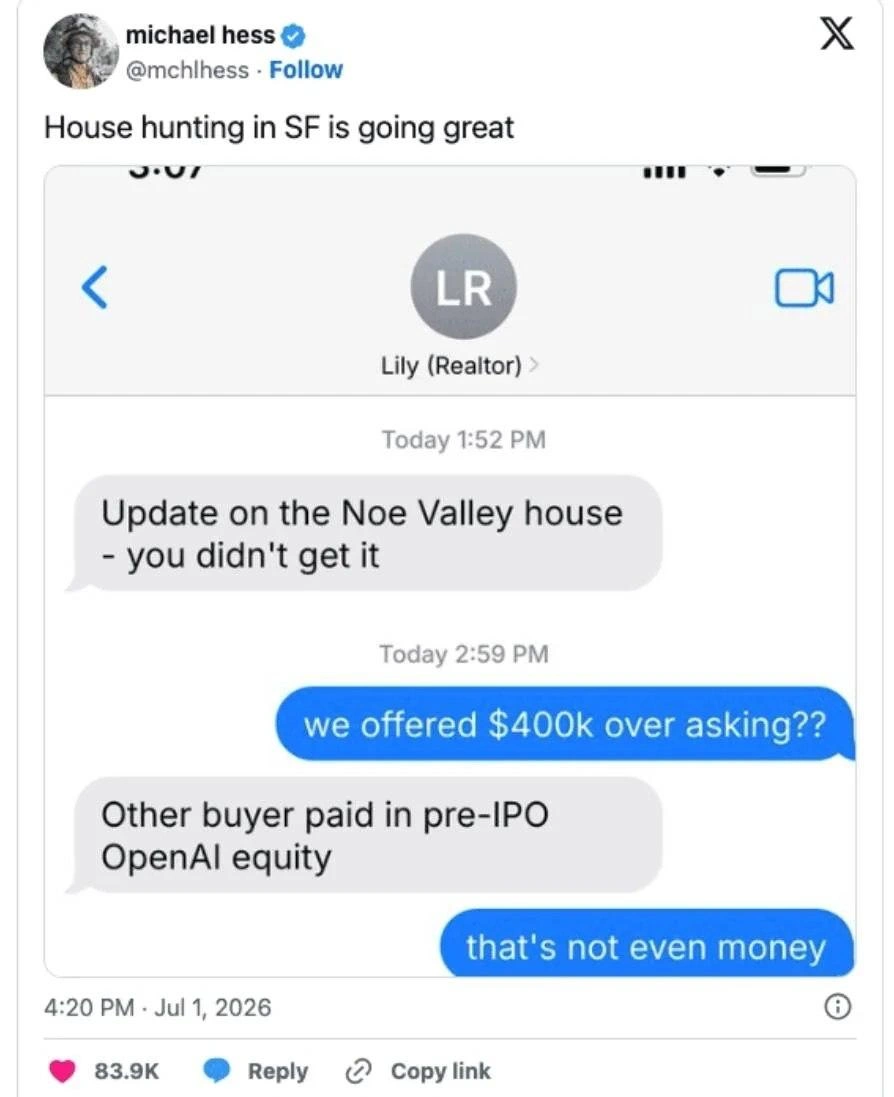

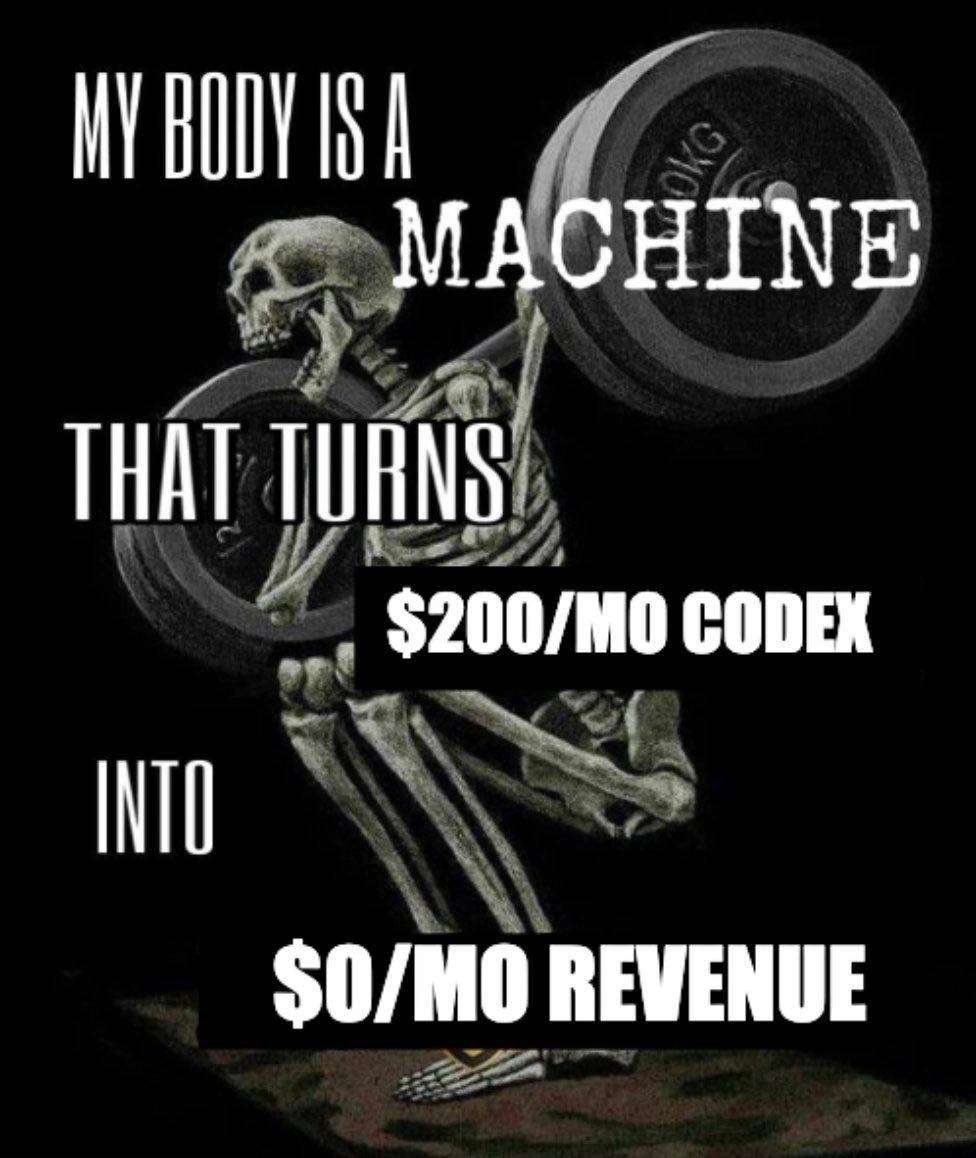
The apartment includes gigabit fiber, exposed brick, and a landlord with write access to your cap table.