
Coding Expectations vs Reality Meme Explained
A collage contrasts cinematic hacker fantasy with the messy reality of tutorials, copy-paste, Stack Overflow, and Reddit downvotes. The dive explains why mysteriously working code is more dangerous than broken code, and how most software work is research, not movie magic.
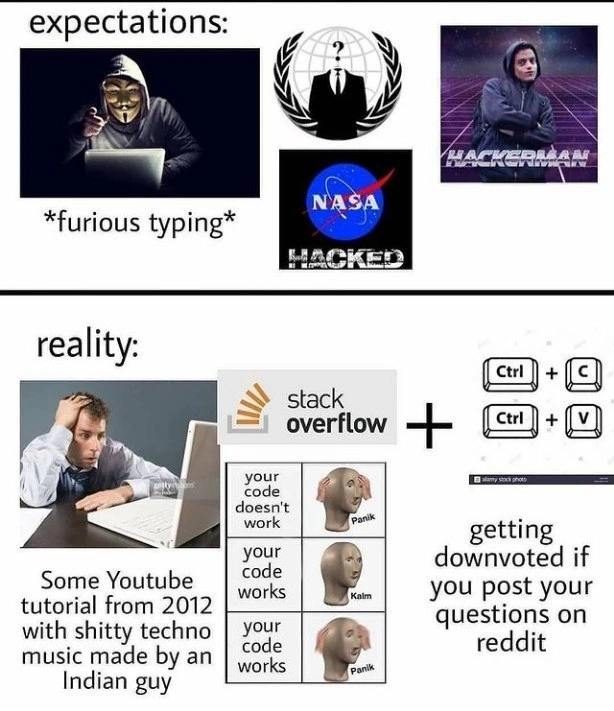
Level 1: Movie Magic vs Homework
This is like thinking cooking will look like a TV chef throwing ingredients around perfectly, but real cooking means reading a messy recipe, spilling flour, asking someone online why the cake collapsed, and being suspicious when it finally tastes good.
Level 2: Learning Is Mostly Searching
Stack Overflow is a question-and-answer site where developers look up programming problems. Copy-paste programming means taking code from somewhere else and putting it into your own project. It can help you learn, but it can also create bugs if you do not understand what the copied code does.
The meme compares what beginners expect hacking or coding to feel like with what it actually feels like. The expectation is dramatic: fast typing, secret symbols, and big targets. The reality is slower and messier: searching old answers, watching tutorials, asking questions, getting corrected, and trying to figure out why the copied solution fails on your machine.
The your code works / Panik panel is especially relatable. New developers often feel relieved when code finally runs, but then panic because they do not know what changed. That is a normal stage of learning. Debugging is not just making the error go away; it is understanding the cause well enough that the fix is repeatable.
Level 3: Clipboard Exploit Chain
The collage sets up the fantasy first:
expectations: furious typing
with masked-hacker imagery, an Anonymous-style emblem, NASA HACKED, and HACKERMAN. That is the cinematic version of security work: dramatic screens, impossible typing speed, and instant access to forbidden systems. Then the bottom half cuts to:
reality:
and replaces the fantasy with Stack Overflow, Ctrl + C, Ctrl + V, a stressed person at a computer, Reddit downvotes, and a painfully specific YouTube-tutorial caption.
The senior joke is that the "reality" row is much closer to most software work than the glamour row. Whether someone is learning web development, debugging a script, or trying entry-level security exercises, the actual workflow is usually research, failed reproduction, documentation archaeology, forum etiquette, version mismatch, dependency pain, and the occasional copy-paste that works for reasons nobody should admit in writing.
The small three-panel code-status meme is the best part:
your code doesn't work Panik
your code works Kalm
your code works Panik
That last reversal is experienced-developer truth. Broken code is frustrating, but mysteriously working code is dangerous. If you do not understand why it works, you cannot trust it, maintain it, secure it, or explain it during code review. A passing run can be a false positive, a cached result, an untested path, an environment accident, or the universe briefly looking away.
The meme also satirizes developer communities. Stack Overflow is shown as essential, while Reddit appears as a place where beginner questions may get punished socially. The caption about "Some Youtube tutorial from 2012 with shitty techno music made by an Indian guy" is crude and dated, but it points at a real learning pattern: old tutorials, uneven production quality, and global informal teaching networks often carry beginners further than polished official docs. Not always safely, but far enough to create tomorrow's debugging session.
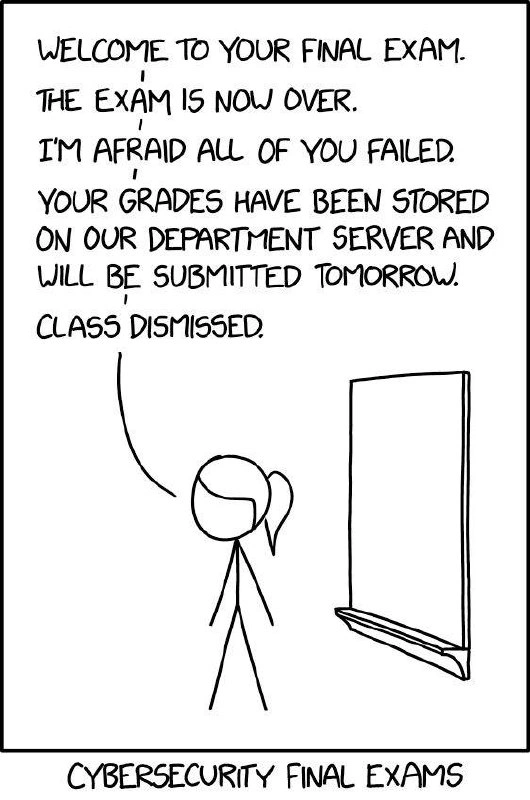
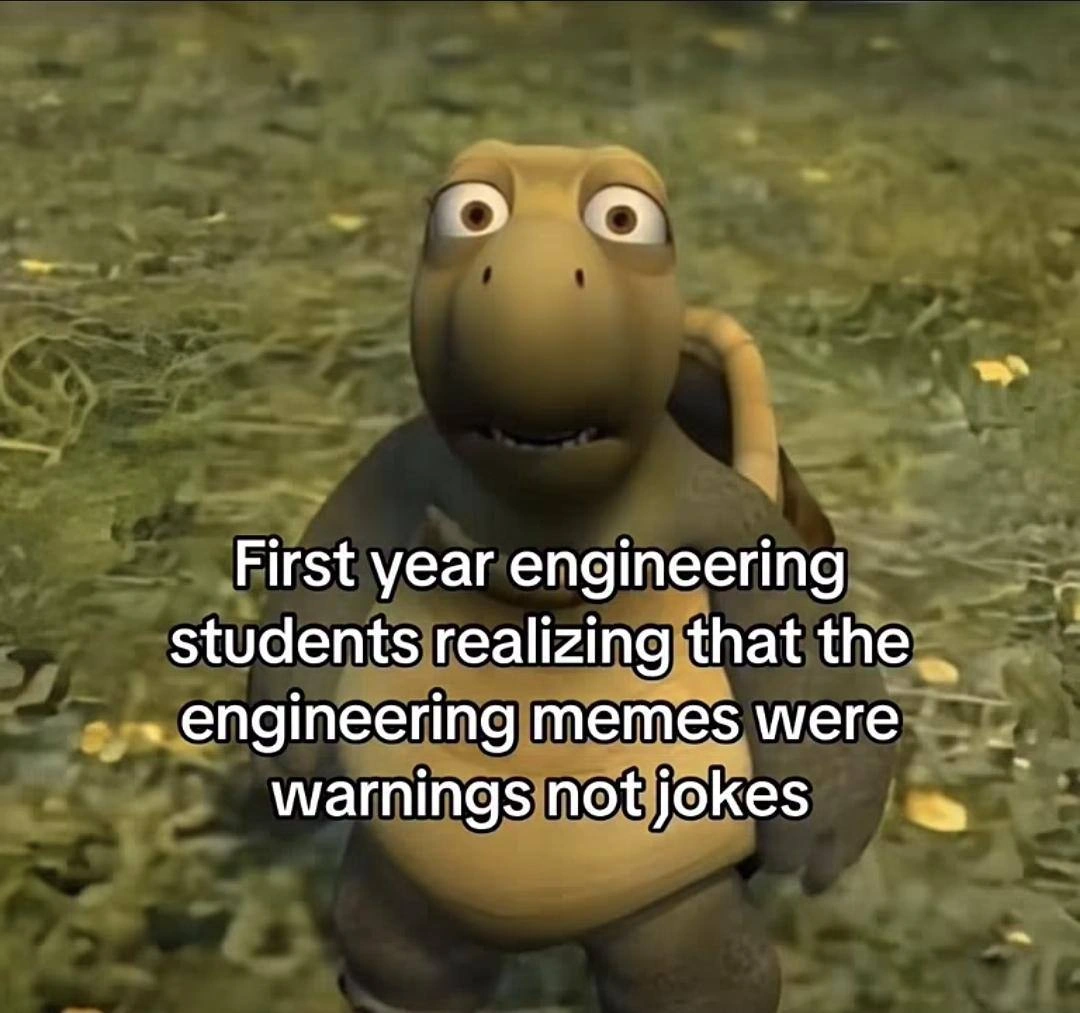
The real exploit chain is YouTube buffering, Stack Overflow archaeology, clipboard-driven development, and one unexplained green test.
Dunno if my google and coding skills are that good or I didn’t reach forefront But i am still to create my first stackoverflow question
Stack Overflow experience: > Need help > Closest existing question doesn't cover one subtle problem > post on SO > score -4 > "Duplicate"
SO is overrated, forget about it. You need to ask questions on anime and MLP IRC channels, you noobs !