
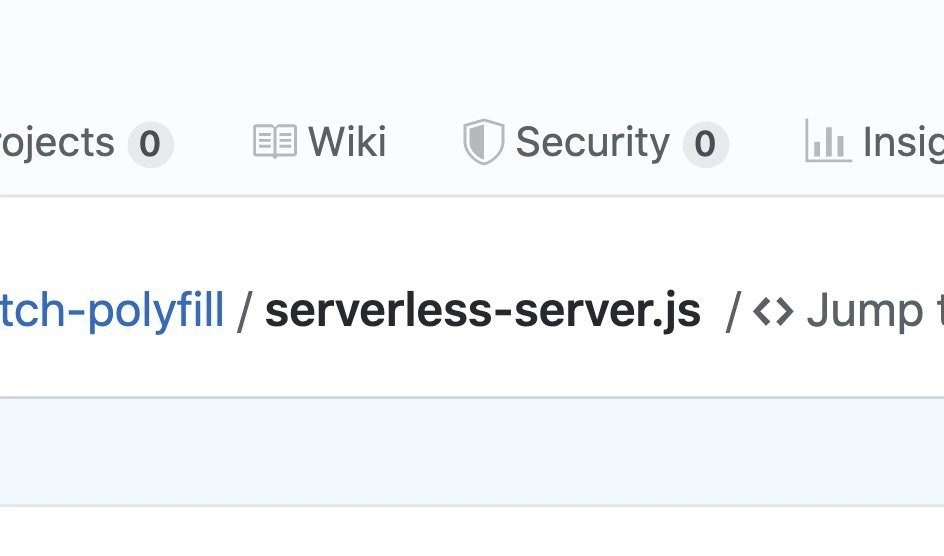
The 'Serverless Server' Paradox
Description
A close-up screenshot of a file path within a GitHub repository. The user interface shows typical GitHub elements like tabs for 'Projects', 'Wiki', 'Security', and 'Insights'. The focal point is the breadcrumb trail for a file, which reads: '...tch-polyfill / serverless-server.js'. The humor stems from the direct contradiction in the file name 'serverless-server.js'. Serverless architecture is, by definition, an approach that abstracts away the need for developers to manage servers. Therefore, having a file explicitly named 'server.js' within a 'serverless' context is a perfect example of the leaky abstractions and ironic naming conventions that are common in software development. For experienced engineers, this is a relatable and amusing observation about how technical jargon and marketing terms often clash with the underlying reality of implementation, where server-like logic is still very much present

Comments
7Comment deleted
The serverless server is in the same category as the stateless state machine and the lossless compression algorithm that makes files bigger
serverless-server.js: because nothing screams “modern” like an Express app zipped into a Lambda, fronted by API Gateway, running in a container that’s basically an EC2 you’re no longer allowed to SSH into
Next up: serverless-server-client.js for when your abstraction layer needs its own abstraction layer to talk to the thing that doesn't exist but definitely runs your code somewhere
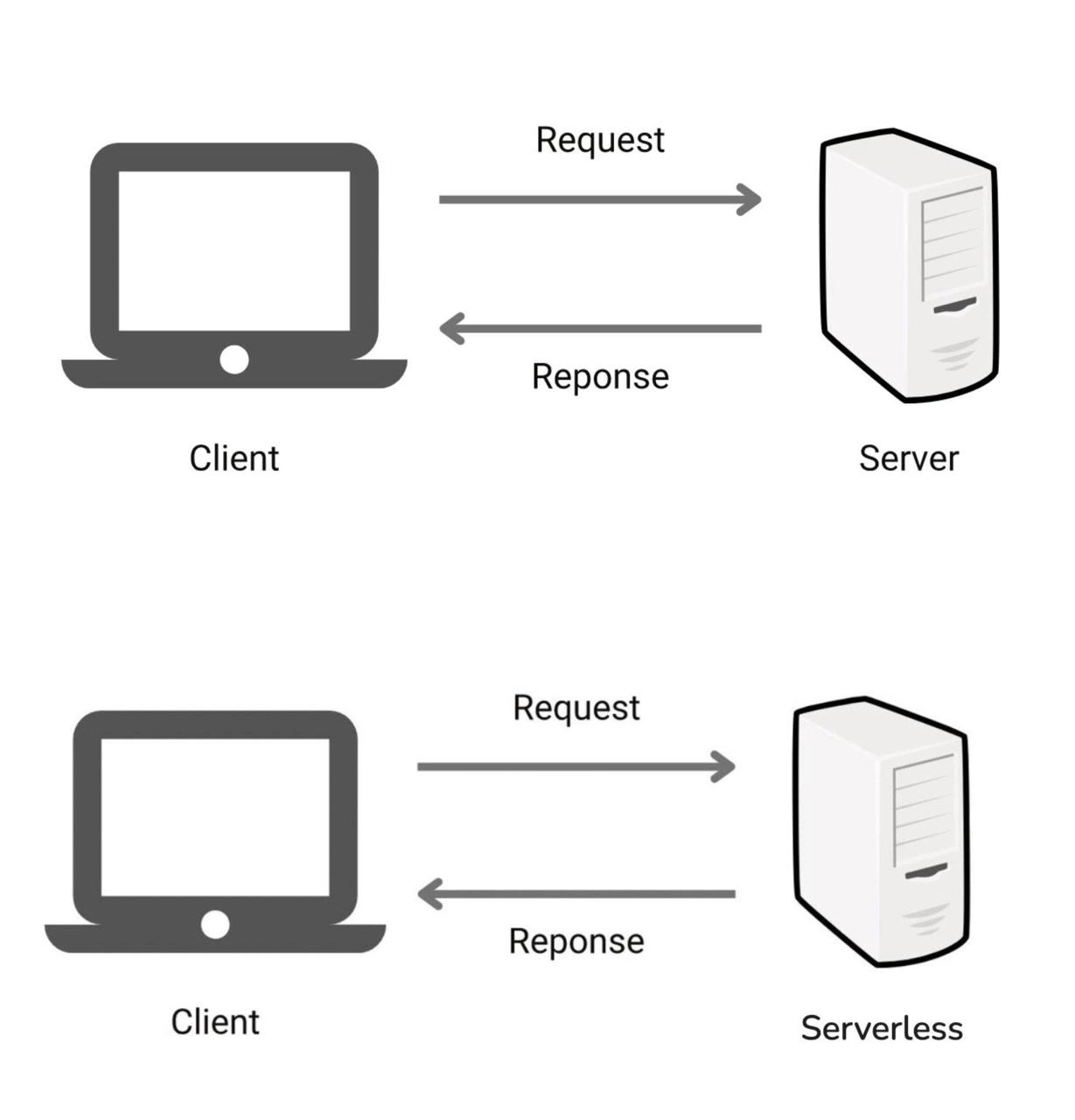
Ah yes, 'serverless-server.js' - because nothing says 'we've abstracted away infrastructure complexity' quite like explicitly naming your entry point after the very thing you claim doesn't exist. It's the architectural equivalent of a vegan steakhouse or a silent alarm clock. Next up: 'stateless-database.js' and 'synchronous-async-await.js'. At least they're honest about the cognitive dissonance we all experience when explaining to stakeholders that 'serverless' still runs on servers, just someone else's servers that you have even less control over and somehow cost more at scale
serverless-server.js - because when your SLO is 50ms p99, “scale to zero” quietly becomes “scale to one, forever,” and marketing still calls it serverless
Serverless-server.js: because in the cloud-native era, the server never dies - it just gets polyfilled into your Lambdas
Nothing says “abstraction leak” like serverless-server.js - ops moved to the provider, but the cold‑start tax still shows up on your PR benchmarks