Skip to content
DevMeme
3958 of 7435
When you’re the only dev and holidays depend on new hires
CorporateCulture Post #4307, on Apr 14, 2022 in TG

When you’re the only dev and holidays depend on new hires

Why is this CorporateCulture meme funny?

Level 1: Alone at the Shop

Imagine you’re working at a small store all by yourself. You can’t take a break or go on vacation, because if you leave, there’ll be nobody to watch the shop. So you just stand there every day, waiting and waiting for your boss to hire someone else. You watch the door hopefully, thinking, “Maybe today a new helper will come and I can finally take a day off.” It’s a bit sad and a bit funny at the same time. That feeling of being stuck — alone and desperate for a break — is exactly what this meme is joking about. It uses a simple everyday situation (being the only worker who can’t step away) to show how frustrating it is when help never comes. We can all understand how boring and exhausting it feels to wait forever just to get a little time off. The meme makes us smile at this unfair situation, because sometimes laughing at a tough spot makes it easier to cope with.

Level 2: Team-of-One Troubles

This meme is highlighting what happens when you’re a team of one in a software company. In simple terms: if you’re the only developer at your company, you can't go on vacation because there's nobody else to take over your work while you're away. It’s a tongue-in-cheek way of pointing out a serious issue: basically a staffing shortage that forces one person to carry all the load.

Let’s break down a few terms and ideas here:

  • Bus factor – This is a concept in software and project management that asks, "How many people can be hit by a bus before the project is in trouble?" (Morbid humor, yes, but it makes the point.) If the bus factor is 1, it means only one person knows enough to keep things running. That’s the case in this meme: one dev holds all the critical knowledge. If that dev isn’t available (whether they’re on holiday or hit by an actual bus), everything could come to a standstill. Not ideal, right?

  • On-call – Many developer teams have an on-call rotation, meaning one team member is responsible for handling urgent issues or outages outside regular hours (like getting paged at 2 AM if the server goes down). In a healthy team, you take turns being on-call so no single person is burdened all the time. But in a single-dev scenario, that one person is effectively on-call all the time. If something breaks in production, there's no backup engineer to step in. It's always going to be you. That makes taking a holiday extremely tricky, because who will fix things if an emergency happens during your beach trip? (Spoiler: still you.)

  • Vacation coverage – This refers to having someone else cover your duties while you’re on vacation. In many workplaces, if one developer goes on leave, another team member can handle any important issues that come up. Here, the meme jokes that the only way our lone developer can get vacation coverage is if the company hires a second developer. It’s literally waiting for a new hire to arrive just so time off becomes possible. This hints at a broken planning process (or penny-pinching) that they have a single dev to begin with. In a well-run CorporateCulture, management would plan for employee time off by having at least two people who can do each job. Otherwise, you get exactly this: the poor developer anxiously checking LinkedIn hiring updates before booking a trip.

  • Work-life balance – This means a healthy separation between your job and your personal life (having time to rest, see family, etc.). In this scenario, work-life balance is basically nonexistent. The lone developer can’t truly disconnect or relax because they’re always tethered to work responsibilities. Until another developer is hired to share the load, our solo dev is stuck in a kind of work prison, always waiting for permission to take a break. It’s an all-too-common developer pain point: you can’t recharge because you’re afraid the moment you step away, something at work will catch fire and there’s no one else to put it out.

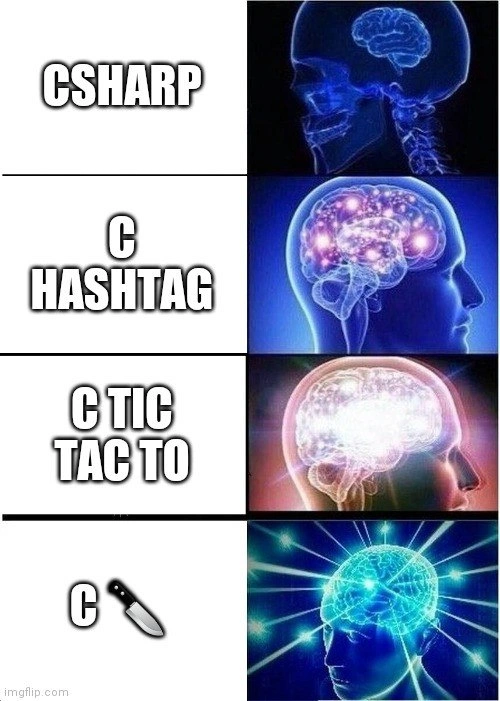
Now, about the images in the meme: they show the character Pablo Escobar (from the Netflix show Narcos) sitting or standing alone, looking bored and forlorn. This specific arrangement of images has become a popular waiting meme template for “I’m here, stuck waiting for something that may never happen.” Developers love to use it because it perfectly captures that feeling of waiting forever. The captions across the panels literally say what he’s waiting for: “Waiting for your company to hire a second developer so you can go on holiday.” In each scene, he’s by himself: on a swing, in an empty room, by an empty pool. Those empty settings dramatize how isolated and stuck our lone dev feels. It’s funny in a slightly sad way — anyone who’s been overworked or left holding the bag at the office instantly gets that vibe.

In short, the meme exaggerates a real situation to make a point. It’s poking fun at the idea that you’d need to hire your own replacement just to take a vacation. For a newer developer, it’s a cautionary chuckle and a lesson: if you ever find yourself as the only person who knows how a project works, share that knowledge or push for backup, otherwise you might end up like the guy in the meme — all alone, waiting endlessly for your chance to take a break.

Level 3: Bus Factor Blues

Bus factor: 1. That’s the situation here. If you’ve spent enough time in development, you know exactly what that implies. One developer is the entire safety net for the project. If they step away – even for a much-needed break – the whole operation is at risk of grinding to a halt. This meme hits on that classic risk: a single-dev team as the ultimate single point of failure. It's a darkly comic scenario where your company's ability to function (and your chance at a holiday) is literally gated by HR’s speed in hiring somebody new.

We’ve got a heavy dose of workplace absurdity here highlighting a real developer frustration. The humor comes from how absurd yet common this is. Picture it: management, in all their wisdom, has a critical system built around one person. Of course, they still expect 24/7 uptime and cheerful productivity. And of course, they haven’t figured out the concept of backup coverage. It’s the bus factor problem in action – you know, that morbid metric of how many people can get hit by a bus (or simply be out on vacation) before your project is in serious trouble. In this case the bus factor is a big fat 1. That’s as bad as it gets. It means if our lone developer even catches a cold or dares to take a day off, the alarm bells should be ringing.

To translate the company’s approach into code:

# Company policy in pseudo-code:
if company.team_size("developers") < 2:
    holiday_request.approved = False  # No backup, so no holiday approved
    on_call.duty = "24/7"            # The one dev is always on call

In other words, no backup, no breaks. This poor developer is effectively on-call 24/7. If there’s a production outage at 3 AM on a Saturday, guess who’s fixing it? The same solitary soul, every time. There’s no rotation, no relief – a direct hit to work-life balance (hint: the tip here is “get more team members or kiss your free time goodbye”). It’s a textbook DeveloperPainPoints scenario that often leads to burnout. The meme nails this with an image of utter isolation: the popular Pablo Escobar waiting meme template from Narcos. Three panels of him sitting, standing, and staring, utterly alone in different settings. Each panel’s caption spells out the punchline:

WAITING FOR YOUR COMPANY TO
HIRE A SECOND DEVELOPER
SO YOU CAN GO ON HOLIDAY.

We see Pablo on a swing in an empty yard, then listlessly in a dim kitchen, then gazing into an abandoned pool – the very portrait of a dev waiting indefinitely. The exaggerated loneliness is funny because it’s a slice of truth: being the lone indispensable dev often feels like this. You're at the office (or on Slack) over the weekend just in case, watching coworkers take vacations while you babysit the servers.

This kind of CorporateCulture fiasco is unfortunately not just a joke – many of us have lived it. The meme resonates with senior engineers because it’s basically our nightmare turned into a shared joke. It’s pointing out the absurd bus-factor risk the company is running. And as any grizzled on-call veteran will tell you, relying on a single person is an accident waiting to happen. The comedic silver lining here is the group therapy of it: Yep, been there, done that, got the pager to prove it. We laugh, but only to keep from crying.

Description

Three-panel Pablo Escobar "waiting" meme. Panel 1 (top): the character sits alone on a white porch swing in an empty yard; large white caption reads "WAITING FOR YOUR COMPANY TO". Panel 2 (bottom-left): he stands motionless in a dim kitchen lit by a single bulb; caption over this panel says "HIRE A SECOND DEVELOPER". Panel 3 (bottom-right): he stands beside an empty swimming pool, staring into space; caption reads "SO YOU CAN GO ON HOLIDAY". The image humorously captures the bus-factor risk and work-life imbalance of single-developer teams who can’t take time off until management finally hires backup coverage
Comments

7
Anonymous ★ Top Pick We’ve got 5 replicas per microservice for “high availability,” but the org is still running the entire engineering team as a single-replica deployment - waiting for the HPA to scale humans before I dare file PTO
  1. Anonymous ★ Top Pick

    We’ve got 5 replicas per microservice for “high availability,” but the org is still running the entire engineering team as a single-replica deployment - waiting for the HPA to scale humans before I dare file PTO

  2. Anonymous

    The same company that won't pay for redundancy in infrastructure definitely won't pay for redundancy in humans

  3. Anonymous

    A bus factor of one means HR doesn't need a vacation policy - just a key-person insurance policy and your personal cell number

  4. Anonymous

    Ah yes, the classic single-threaded organization pattern where your vacation request enters an infinite blocking call waiting for management to approve hiring budget. Meanwhile, you're the only one holding the production pager, all the tribal knowledge, and the SSH keys to that one legacy server nobody else knows exists. The bus factor is 1, the deployment pipeline is 'you', and your PTO balance grows like technical debt - accumulating interest but never getting paid down. At least Pablo had a cartel to delegate to; you've got a backlog, three critical systems, and a Slack channel full of 'quick questions' that somehow always arrive at 4:45 PM on Friday

  5. Anonymous

    Infra: multi-region, self-healing, five-nines; org chart: bus factor 1 - my PTO fails Raft because there’s no quorum when I’m on holiday

  6. Anonymous

    Unlimited PTO, but we’re a single‑replica deployment: my vacation keeps failing admission because the PodDisruptionBudget has maxUnavailable=0 and the headcount HPA is set to 0

  7. Anonymous

    The singleton developer pattern: globally accessible, but hell to instantiate a second instance

Use J and K for navigation