Skip to content
DevMeme
5613 of 7435
The Dystopian Tech Timeline We Dodged for iPhones
TechHistory Post #6158, on Aug 15, 2024 in TG

The Dystopian Tech Timeline We Dodged for iPhones

Why is this TechHistory meme funny?

Level 1: Cool vs. Convenient

Imagine you had the choice to wear a big, chunky gadget on your arm that makes you look like a superhero with a high-tech wrist gadget, or to carry a small shiny phone in your pocket like everyone else. The meme is joking that we could have all looked like cool sci-fi characters with computers on our wrists, but instead we all chose the easy, comfy option – the phone. It’s like saying: “We could have had a crazy future where everyone wears awesome spy gear, but nope, we went with the simple thing that just fits in your pocket.” The funny part is picturing everyday people at the bus stop all wearing these bulky arm computers. It’s a silly “what if?” scenario. In real life, of course we use slim phones because they’re practical. But the idea of that other world – where our gadgets make us look ready to fight aliens or something – that’s the playful vibe here. The meme makes us laugh by comparing the cool-looking choice (big wrist computer) with the convenient choice (regular iPhone) and teasing us for picking convenience over looking like a techy superhero.

Level 2: Rugged vs Sleek

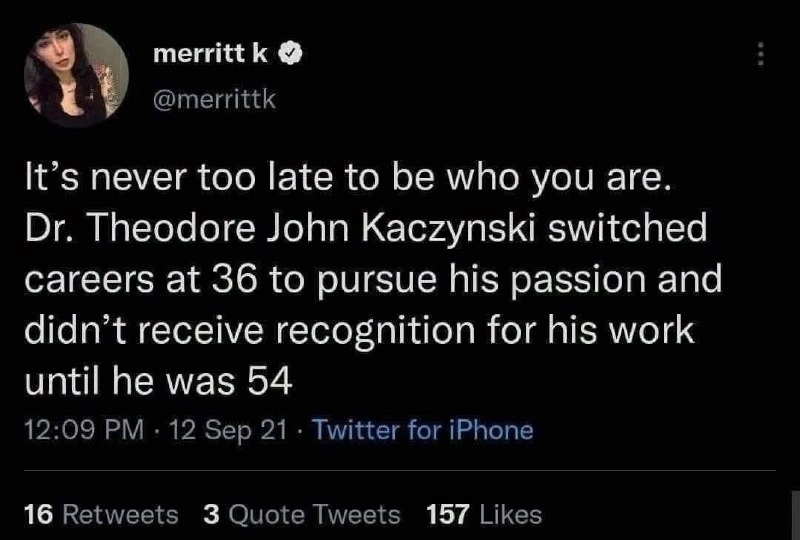
Let’s break down the joke for those not steeped in retro tech nostalgia. The image shows a Motorola WT4000 wearable terminal strapped to someone’s forearm. Think of it as a small computer with a screen and a keypad that you wear on your arm. It was actually a real product from the mid-2000s, used mostly in warehouses and industrial settings. Workers would wear this wearable_terminal so they could walk around scanning barcodes and updating inventory without carrying a heavy laptop or handheld scanner. It’s built to be rugged – meaning it can survive drops, dust, heat, and long work shifts. In other words, it’s not designed to be pretty; it’s designed to get the job done in tough environments. The screen on it is small, with a basic text menu (the photo shows a blue-backlit menu with simple text like inventory lists). The right side has a bunch of physical buttons (like a numeric keypad and function keys). This whole setup literally looks like a forearm computer or something a character in an old sci-fi movie might wear.

Now, contrast that with an iPhone – which came out around the same time (the first iPhone launched in 2007). The iPhone and its smartphone cousins are super sleek, with glossy touchscreens, smooth interfaces, and they’re meant for everyday people to use for everything: calling, texting, browsing, apps, games, you name it. By comparison, the Motorola WT4000 is single-purpose: mostly for work tasks like scanning items and inputting numbers. It’s a bit like comparing a Swiss Army knife (the iPhone, which can do many things) to a sturdy hammer (the WT4000, which does one main job and can take a beating).

The meme joke says we could have been in a “super cool techno timeline” if everyone adopted these wrist terminals instead of iPhones. Why would that be “super cool”? Well, for fans of retrocomputing and wearabletechnology, the WT4000’s style is reminiscent of gadget-laden futuristic soldiers or cyberpunk heroes – basically, a very techy, nerdy kind of cool. Picture a world where, instead of people obsessing over the latest thin aluminum phone, they’re strapping on chunky wearable computers each morning. It’s an alternative tech timeline: a “what if” scenario where our personal devices looked more like industrial tools.

However, in reality, regular folks chose iPhones (and Android smartphones) because they were user-friendly, multipurpose, and frankly, pocket-sized convenience won over arm-mounted complexity. The tweet humorously blames “y’all mfers” (a very informal, joking way to say “you all”) for choosing iPhones, implying that the collective decision of consumers led us down the path of sleek smartphones instead of badass arm gadgets. Of course, that’s not a real blame – it’s meme exaggeration. It’s poking fun at how we often go for the tech that’s easy and trendy, not the one that makes us look like a sci-fi movie extra with a computer on our arm.

Some terminology and context to clarify:

  • Motorola WT4000: A model of a wearable terminal (basically a tiny computer) from Motorola, used in 2000s. It’s built for work use (like scanning items in a warehouse). Motorola has a long history in mobile and radio tech; here they made a niche wearable device.
  • Wearable terminal: A computer you can wear. In this case, it’s worn on the wrist/forearm. “Terminal” hints that it’s often connected to a larger system (like a warehouse database). It’s not a stand-alone entertainment device; it’s more like a smart tool.
  • Looks older than it is: The meme notes this because the WT4000 came out in 2006, but it looks like it could be from the 1980s or 90s tech-wise. Enterprise gadgets often favor function over form, so they don’t follow the latest design fads.
  • iPhone: Apple’s hugely successful smartphone. Introduced modern touchscreens and became the template for phones after 2007. When people say “you chose iPhones,” they really mean we all went with modern smartphones (could be iPhone or Android, but iPhone symbolizes the whole trend).
  • Alternative tech timeline: a fun concept of “what if history went differently?” In this context, what if a different kind of gadget had become popular. It’s a common meme culture idea to imagine alternate realities for humor.
  • Retro tech dreams: The username of the quoted tweet, but also literally the dream of some tech enthusiasts for older-style gadgets or designs. TechNostalgia is enjoying and longing for technology from earlier times, or wishing some old-school designs were still around.
  • Hardware humor: Jokes that come from the quirks of physical devices. Here the humor is in the mismatched evolution of hardware – why carry a slim touchscreen when you could look like a gadget-laden cyborg, right?

So, essentially, the meme compares two worlds:

  1. The world we live in – where almost everyone uses a smartphone (iPhones being a prime example) that’s thin, shiny, and powerful.
  2. The “cool techno” world – where instead, maybe we’d all use something like the Motorola WT4000 on our wrists, making us look like high-tech warehouse workers or cyberpunk characters.

It’s funny because that second scenario is both appealing to tech geeks (it does look cool in a nerdy way) and obviously impractical (imagine trying to watch YouTube on a tiny arm-mounted screen with a keypad!). The meme plays with that contrast. For a newcomer to tech, it’s a good reminder that not all technology evolution is about what’s most “futuristic-looking” – sometimes the smoother, simpler device wins the mass market. But oh, what a sight it would be if we all walked around with tethered scanners on our arms! This post is a lighthearted nod to TechHistory and how our choices shape the gadgets we use every day.

Level 3: Wrist-Mounted World

"We could've been in the super cool techno timeline but ya'll mfers choose iPhones."

In an alternate tech history universe, everyone's walking around with a Motorola WT4000 wearable terminal strapped to their forearm instead of a sleek iPhone in their pocket. This meme taps into hardware humor by contrasting a clunky forearm_computer with the elegant smartphones we actually adopted. The Motorola WT4000 (sold circa 2006–2013) looks like something straight out of a 90s cyberpunk film, yet it co-existed with the first iPhone. It's essentially an enterprise-grade wearable terminal – the kind of device you’d see a warehouse worker using to scan barcodes, not a teenager scrolling TikTok. The tweet jokes that we collectively chose the shiny path of iPhones over a more industrial alternative_tech_timeline that could have been oh-so retrocomputing chic.

Why is this funny to seasoned developers and hardware buffs? Because it highlights a road not taken in tech evolution. In one corner, we have the WT4000, a rugged wearable computer with a tiny monochrome-ish screen and physical buttons, optimized for durability and data entry in dusty warehouses. In the other corner, launched just a year later (2007), the Apple iPhone – polished glass touchscreen, App Store, and destined to define personal computing for the next decade. The meme humorously laments that we missed out on a future where everyday folk walk around looking like cyberpunk inventory clerks with wearabletechnology on their arms. It's that mix of tech nostalgia and absurdity that makes hardware geeks smirk. We love to imagine an alternate timeline where clunky gadgets are the norm; it’s both a RetroComputing daydream and a tongue-in-cheek critique of how mainstream tech choices shape culture.

From a senior developer perspective, there's an understanding of why we "chose iPhones" over devices like this. The iPhone's success came from seamless UX, multi-touch gestures, and broad consumer appeal – it was cool in a mainstream, easy-to-use way. The WT4000, on the other hand, was cool in a sci-fi prop sense, but in reality it ran a stripped-down OS (often something like Windows CE or an embedded Linux), had a tiny text-based UI, and was as user-friendly as an early 2000s cash register. The tweet by @RetroTechDreams notes “It looks a lot older than it is” – highlighting that enterprise hardware often lags in aesthetics. Many of those devices were basically green-screen terminals on your arm. By 2013, while consumers enjoyed Retina displays and sleek aluminum phones, warehouse staff were still tapping away on blue-backlit text menus that felt straight out of 1989. The technostalgia here is real: some devs fondly remember those clunky interfaces (hey, at least you got tactile buttons!), even though they were born from necessity, not fashion.

There's also an inside joke about wearabletechnology: before smartwatches and Google Glass were a thing, industries like logistics quietly had wearables like the WT4000. It had a specific job – say, scanning pallets and updating inventory on the go via Wi-Fi – and it did it well. It wasn’t trying to be a phone, camera, web browser, and gaming device all at once. The meme winks at the idea that if society had favored function over form, maybe we'd all be walking around with hardy retro_warehouse_scanner rigs on our arms, looking like Fallout’s Vault Dweller with a Pip-Boy. It’s a meme culture twist on “why don’t we have flying cars?”: instead of flying cars, it’s “why don’t we have badass wrist computers?” The unspoken answer: because y’all wanted shiny, user-friendly gadgets, and there’s no shame in that—except we sacrificed a bit of that gritty cyberpunk aesthetic along the way.

To really illustrate the contrast, consider a head-to-head comparison of the two timelines’ star gadgets:

Aspect Motorola WT4000 (2006) Apple iPhone (2007)
Intended Users Warehouse workers (enterprise tool) Everyone (consumer device)
Design Rugged, strapped to forearm, physical keypad + tiny screen Sleek, handheld, multi-touch full screen
OS & Interface Embedded OS (e.g. Windows CE), text menus, custom apps iOS (Unix-based), graphical UI, App Store apps
Connectivity Wi-Fi, maybe Bluetooth, for intranet use Wi-Fi, Cellular (Edge/3G), full internet access
Durability Very high (drop-resistant, dust-proof) Moderate (reliant on cases for ruggedness)
Cool Factor Retro-cyberpunk cool (for nerds) Mainstream cool (for everyone)

The table underscores the humor: these two devices existed in parallel but in completely different worlds. The WT4000 was literally a wearable_terminal for work, often paired with a ring scanner on the finger – high-tech for scanning boxes, yet low-tech by consumer electronics standards. The iPhone was a luxury at first, but quickly became an everyday pocket computer. One looks like a prop from Blade Runner, the other like something from a sleek Apple ad (because it was). The meme’s senior-level punchline: we could have had the Blade Runner aesthetic by default, but mass-market economics and human-factors engineering said “nah, we’re good with rectangles of glass.”

At the end of the day, experienced folks know it’s not just that we “chose” iPhones – it’s that technology adoption is driven by comfort, cost, and convenience. This particular alternative_tech_timeline stayed niche because who beyond a die-hard geek wants to wear a half-pound computer on their arm just to send a text? Still, it’s fun (and funny) for those of us in the trenches of tech to imagine a world where iphone_vs_alttech ended differently, where every coffee shop looks like a sci-fi convention of people talking into clunky wrist gadgets. This meme perfectly captures that blend of “if only...” wistfulness and nerdy humor about how hardware evolution could have gone sideways.

Description

A screenshot of a tweet from user 'Vampiric Kai' (@Vampiric_Kai) that reads, "We could've been in the super cool techno timeline but ya'll mfers choose iPhones." The tweet is a comment on an embedded tweet from 'Retro Tech Dreams' (@RetroTechDreams). The inner tweet showcases the "Motorola WT4000 wearable terminal," a bulky, rugged computing device strapped to a person's wrist. The device has a small, landscape-oriented screen displaying a text-based, blue-background UI, and is surrounded by numerous physical buttons. The text points out that this seemingly ancient device was sold from 2006 to 2013. The humor comes from the sarcastic lament that this clunky, industrial piece of hardware represents a desirable "super cool techno timeline" that society abandoned in favor of sleek smartphones. For senior developers, it's a nostalgic and ironic nod to the parallel evolution of consumer vs. enterprise tech, and the often brutalist, function-over-form design of industrial hardware
Comments

23
Anonymous ★ Top Pick The Motorola WT4000 runs Windows CE, has a resistive touchscreen, and can survive a 4-foot drop. The iPhone runs iOS, has a capacitive touchscreen, and can't survive a 4-foot drop. We chose aesthetics over a device that could double as a blunt weapon in a data center emergency
  1. Anonymous ★ Top Pick

    The Motorola WT4000 runs Windows CE, has a resistive touchscreen, and can survive a 4-foot drop. The iPhone runs iOS, has a capacitive touchscreen, and can't survive a 4-foot drop. We chose aesthetics over a device that could double as a blunt weapon in a data center emergency

  2. Anonymous

    If the WT4000 had beaten the iPhone, “mobile UX” would just be arguing which F-key opens the hamburger menu while we debug WinCE heap leaks over telnet

  3. Anonymous

    Somewhere in a parallel universe, developers are debugging production issues on their wrist terminals while complaining about how they could've had sleek glass rectangles that only last a day on battery instead of these industrial beasts that run for a week

  4. Anonymous

    Ah yes, the Motorola WT4000 - proof that we were *this close* to a cyberpunk future where everyone wore terminals on their forearms instead of doomscrolling on glass rectangles. But no, we chose the timeline where 'wearable computing' means notifications about your step count and a battery that dies by 3 PM. Imagine the alternate universe where senior engineers debug production issues by literally typing on their wrists in warehouse aisles, running SSH sessions from their forearms like some kind of industrial cyborg. Instead, we got the iPhone, and now our 'wearable tech' is an Apple Watch that mostly reminds us we've been sitting too long during sprint planning. The WT4000 ran Windows CE, had a physical keyboard, and probably never needed a firmware update to fix emoji rendering - truly, we chose the wrong fork in the git history of consumer electronics

  5. Anonymous

    2006: VT100 over Wi-Fi with F-keys on your forearm; 2025: a 300‑MB Electron scanner that needs Kubernetes to list bin locations

  6. Anonymous

    WT4000: Enterprise hardware so rugged it outlasted iPhones' hype cycle - legacy endurance without a single breaking change

  7. Anonymous

    WT4000 was edge before the keynote: a wrist-mounted Windows CE box telnetting to an AS/400 and surviving forklifts - then we “modernized” to an iPhone scanner that crashes on rotate

  8. @Sp1cyP3pp3r 1y

    but can it run minecraft?

    1. @living_fish 1y

      I think yes

      1. @Sp1cyP3pp3r 1y

        cursed timeline

    2. @ArtemParsegov 1y

      It needs to run doom

      1. @Sp1cyP3pp3r 1y

        ok, Artem

    3. @plusdanshi69 1y

      but can it run fallout 1 & 2?

      1. @Sp1cyP3pp3r 1y

        Stop playing the same two games. Play something else

  9. @fromgate 1y

    Pipboy!

  10. @Nikolai_Lopukhov 1y

    I mean, there's also smart watches

    1. @farkasma 1y

      simply you making that comparison makes it clear you don't get it

  11. @ZgGPuo8dZef58K6hxxGVj3Z2 1y

    Fuck apple

  12. Gong Yap 1y

    there still a model wt6300 on sale

  13. @ringsheep 1y

    bruh we missed literally real-life pip boy

  14. @CcxCZ 1y

    Those wearables were mainly aimed at warehouse workers and similar IIRC

  15. @disembowlement 1y

    Can it run Crysis?

    1. @qtsmolcat 1y

      *can it cry

Use J and K for navigation