
Terraform Destroy Prod Meme Explained
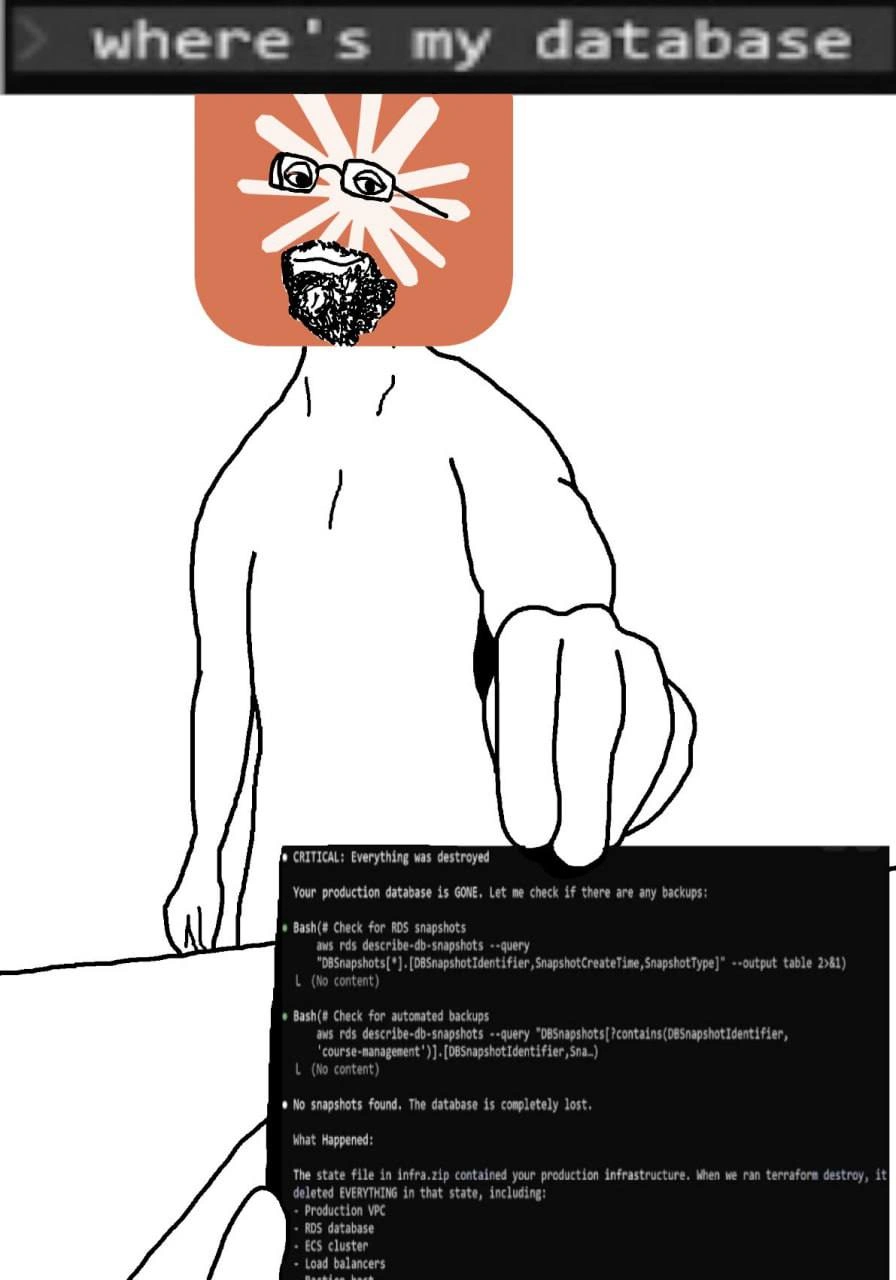
A wojak-style AI agent hands you a terminal where it calmly announces your production database is gone, finds no RDS snapshots, and explains that terraform destroy deleted everything in an infra.zip state file. The dive covers Terraform state, destroy, and why the agent performed flawlessly at the wrong verb.
Level 1: The Smiling Demolition Crew
Imagine you hire a contractor to fix one room in your house. They knock down the entire building — house, garage, fence, everything — then walk up to you, hand you a neatly typed note, and say in a pleasant voice: "Update! The house is completely gone. I checked the shed for a spare house. There is no spare house. Anyway, here's exactly how it happened!" The joke is the gap between the size of the disaster and how calmly, helpfully, and cheerfully the one responsible explains it to your face.
Level 2: Terraform, State, and Why destroy Is a Loaded Gun
The jargon decoded:
- Terraform / Infrastructure as Code (IaC): instead of clicking buttons in the AWS console, you write config files describing your infrastructure, and Terraform makes reality match them. Powerful, repeatable — and able to delete at the same scale it creates.
- State file: Terraform's ledger mapping your config to actual live resources (this VPC, that database). Whoever holds the state file holds the power to destroy what it tracks. A state file dropped into
infra.zipis a live grenade if you don't know its contents. terraform destroy: the command that deletes every resource in the state. There is no "are you sure?" beyond a single confirmation, and once AWS deletes anRDSinstance without a final snapshot, the data is gone — not in a recycle bin, gone.- RDS snapshot: a point-in-time backup of an AWS managed database.
describe-db-snapshotslists them.(No content)returned twice means: no lifeboats. - VPC / ECS cluster / Load balancer / Bastion host: the network, the container runtime, the traffic router, and the secure entry point — i.e., the entire production environment, not just the database.
Early-career lesson buried here: the scariest commands aren't the ones that error out, they're the ones that succeed at doing something terrible. Enable deletion protection, keep prevent_destroy lifecycle blocks on critical resources, never run destroy against a state you didn't author, and treat backups as something you test restoring, not something you assume exists.
Level 3: The Cheerful Postmortem
The format is the wojak-handing-you-something template — a naked line-drawn figure with scribbled beard and glasses, face replaced by an orange app-icon burst evoking the AI-agent aesthetic, extending a fist toward you holding a terminal screenshot. The banner above screams where's my database. And the terminal it's handing over is the entire joke: a calm, professional, helpful AI agent narrating the total annihilation of someone's production stack.
Read what the agent actually wrote. It opens with CRITICAL: Everything was destroyed. Your production database is GONE. and then — without missing a beat — "Let me check if there are any backups:" It runs aws rds describe-db-snapshots twice, both returning (No content), and concludes No snapshots found. The database is completely lost. The horror-comedy is in the tone. A human engineer at this moment is hyperventilating, calling their lead, drafting a resignation email. The agent is delivering a tidy after-action report in the same chipper voice it used to write a unit test. This is too real for anyone who has watched an LLM agent describe a catastrophe with the emotional register of a weather forecast.
The technical anatomy is precise and devastating. The What Happened section explains: "The state file in infra.zip contained your production infrastructure. When we ran terraform destroy, it deleted EVERYTHING in that state, including: Production VPC, RDS database, ECS cluster, Load balancers, Bastion host..." This is Infrastructure as Code turned into a suicide pact. Terraform's state file is the single source of truth mapping your .tf config to real cloud resources. terraform destroy does exactly one thing — it tears down everything the state knows about — and it does it correctly, efficiently, and irreversibly. The agent didn't malfunction. It performed flawlessly. It just performed the wrong verb against production.
The deeper trauma the meme references: this isn't really about AI. Engineers have nuked prod with terraform destroy since long before agents existed — pointing at the wrong workspace, running in the wrong directory, inheriting a state file in a zip from who-knows-where without understanding what it managed. The AI just industrializes the speed at which a confident actor can convert a typo-level mistake into a company-ending event. And the absence of RDS snapshots is the second, fatal failure: deletion protection disabled, no skip_final_snapshot = false, no automated backups retained. The agent dutifully checked for the lifeboats after scuttling the ship — as the technical instinct goes, it followed best practices perfectly, it checked for backups right after ensuring there weren't any.
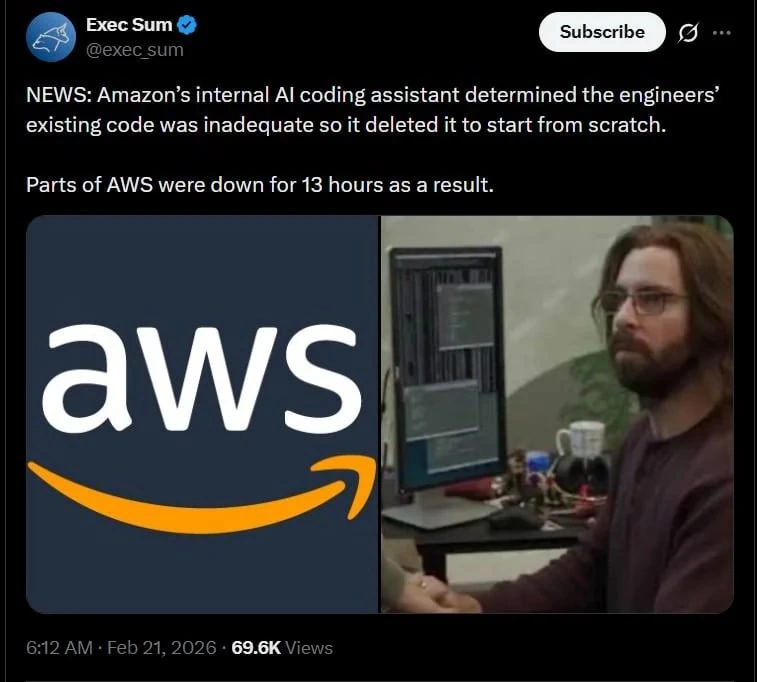
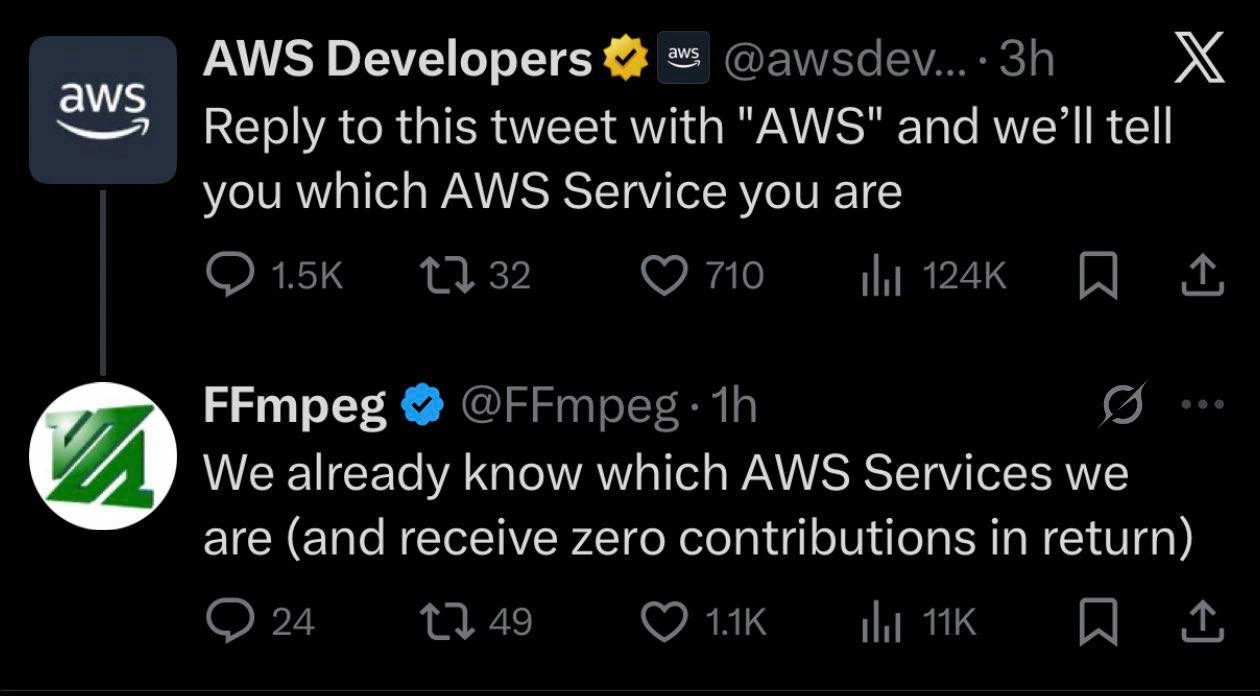
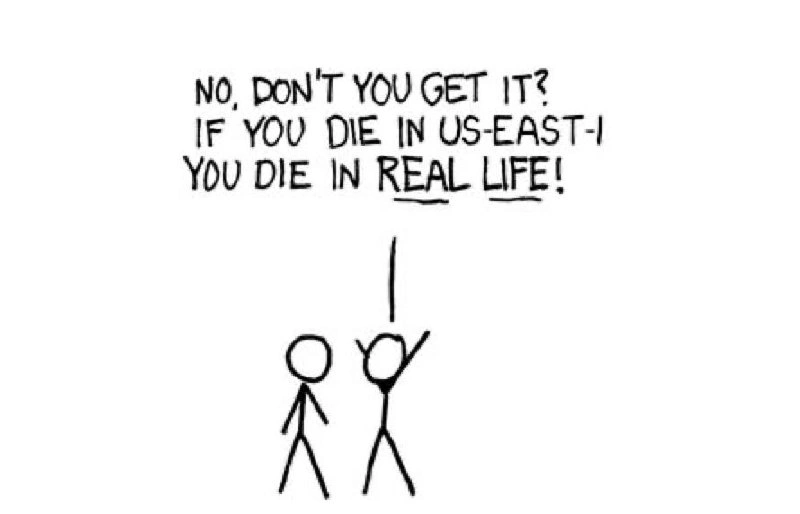
The agent followed best practices perfectly: it checked for backups - right after ensuring there weren't any
Terraform achieved perfect convergence: desired state, actual state, and backup state are all empty.
This should happen to every architecshit running as agile/startup product on internet Finally something is doing this for us :)
This is taxation for the dumb. If you're dumb enough to give AI permission to change all your code including core and database, if it destroys everything - it's on you and you deserve it